Korean Recipes
Browse our collection of Korean recipes — 47 dishes with photos, cook times and nutrition. Find your next favourite Korean meal.

Winter Kimchi
Winter Kimchi is a bold, spicy Korean staple that delivers deep, warming heat with every bite. Shredded napa cabbage, crisp radish, and sharp spring onions soak up a fiery marinade of gochujang, chili flakes, and fermented baby shrimp, creating a balance of heat, funk, and umami. The texture is a satisfying mix of tender cabbage and crunchy radish, while the tangy, spicy kick lingers long after the last bite. Worth making for its ability to transform simple meals into something vibrant and deeply flavorful.

Chapchae (Korean Stir-Fried Noodles)
Chapchae is a vibrant Korean stir-fry of sweet potato noodles tossed with tender vegetables, savory beef, and a glossy, nutty sesame dressing. The chewy glass noodles soak up the rich, umami-packed sauce while the vegetables—like carrots, spinach, and mushrooms—add freshness and crunch. A final drizzle of sesame oil ties everything together with deep, aromatic warmth, making each bite a balance of texture and flavor. Worth the effort for its satisfying depth and the way it effortlessly bridges comfort and complexity on the plate.

Kimchi
Alright, folks, let's dive into the wonderful world of kimchi! This tangy and spicy fermented delight will take your taste buds on a flavorful journey. Ingredients: - 1 napa cabbage - 1/4 cup salt - 6 scallions - 6 garlic cloves - 1 2-inch piece of ginger root - 2 tablespoons ground chili pepper - 1 tablespoon sugar Instructions: 1. Cut the cabbage into bite-sized pieces and sprinkle with salt. Let it sit for 2 hours. 2. Rinse the cabbage and squeeze out excess water. 3. Blend scallions, garlic, ginger, chili pepper, and sugar into a paste. 4. Mix the paste with the cabbage, making sure it's well coated. 5. Pack the mixture into a jar and let it ferment for 2-3 days at room temperature. Personal anecdote: One time, I accidentally left my kimchi out to ferment for a week instead of a few days. Let's just say it had a bit more kick than usual! Pro tip: For extra flavor, try adding a splash of fish sauce to your kimchi paste. It's a game-changer! So there you have it, folks! Get ready to spice up your meals with this homemade vegan kimchi. Enjoy!

Kimchi/Kimchee/Gimchi (Korean Fermented Spicy Cabbage)
Alright, let's talk kimchi, the spicy and tangy Korean wonder! Here's what you'll need: brown sugar, napa cabbage, sea salt, fish sauce, garlic, ginger, gochugaru, green onions, radish, and rice flour. Now, the full recipe is on the source website, but let me share a little secret with you. One time, I accidentally put way too much gochugaru in my kimchi and ended up breathing fire for a week! So, be careful with that spicy pepper powder, folks. Here's a tip for you: when massaging the cabbage with salt, put on some music and really get into it. The salt needs to penetrate the leaves, so show that cabbage some love! Don't be afraid to experiment with the spice levels and ingredients - kimchi is all about personal taste. And remember, a batch made with love always tastes the best. Enjoy your kimchi-making adventure, and may your taste buds dance with joy!

Bibimbab (Korean Rice w Vegetables & Beef)
This vibrant Korean rice bowl, Bibimbab, layers warm, nutty short-grain rice with tender sautéed vegetables, savory beef, and a perfectly fried egg. A drizzle of fiery gochujang and a sprinkle of toasted sesame seeds and gochugaru bring bold, spicy-sweet heat, while the runny yolk ties everything together in rich, creamy harmony. It’s a dish that balances texture and flavor with every bite—crunchy, chewy, soft, and silky in one bowl. Worth making for its ability to deliver a taste of Seoul’s bustling markets in a single, satisfying meal.
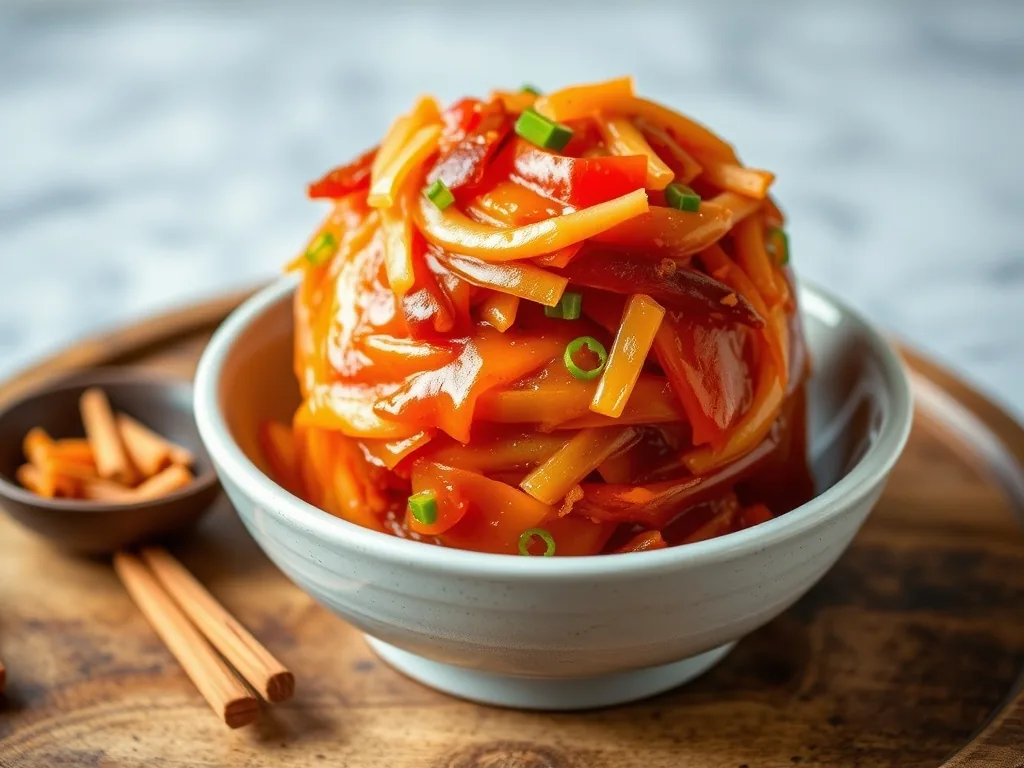
Fermented Cabbage Kimchi Easy Homemade
Experience the vibrant flavors of homemade kimchi with this easy recipe that requires minimal ingredients and effort. Perfect as a side dish or condiment, this fermented cabbage will elevate any meal.
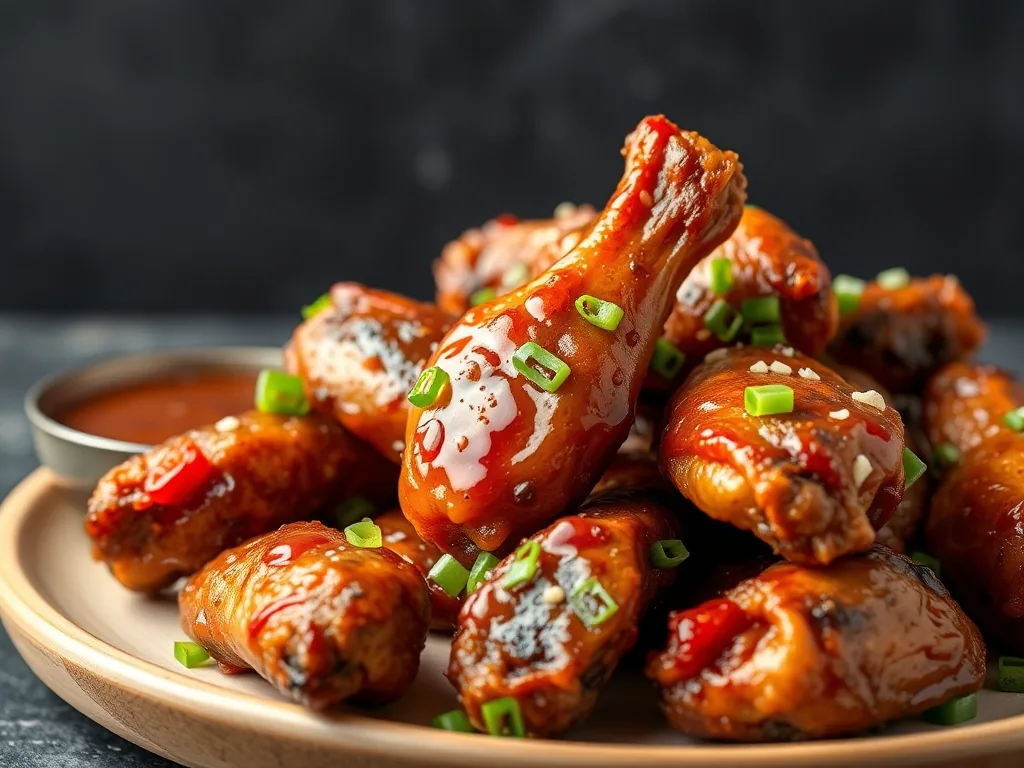
Air Fryer Korean Chicken Wings Sticky
Enjoy the rich, savory flavors of Korean cuisine with these sticky air fryer chicken wings. Perfectly crispy on the outside and tender on the inside, they are a delightful treat for any occasion.

Honey Butter Chicken Korean Style
This Honey Butter Chicken is a delightful fusion of sweet and savory flavors, perfect for any dinner table. Crispy chicken coated in a rich honey butter sauce will leave you craving for more!
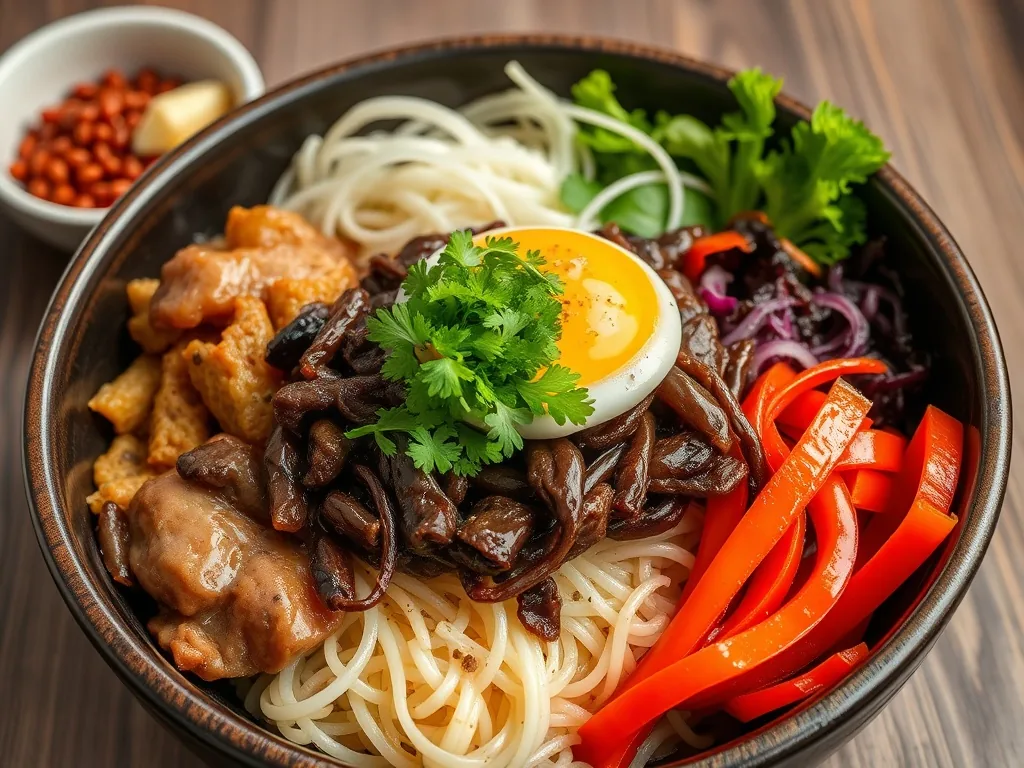
Korean Bibimbap
Bibimbap is a vibrant and hearty Korean dish that combines rice with a variety of sautéed vegetables, marinated meat, and a fried egg, all topped with a spicy gochujang sauce. It's not only delicious but also a feast for the eyes with its colorful ingredients.
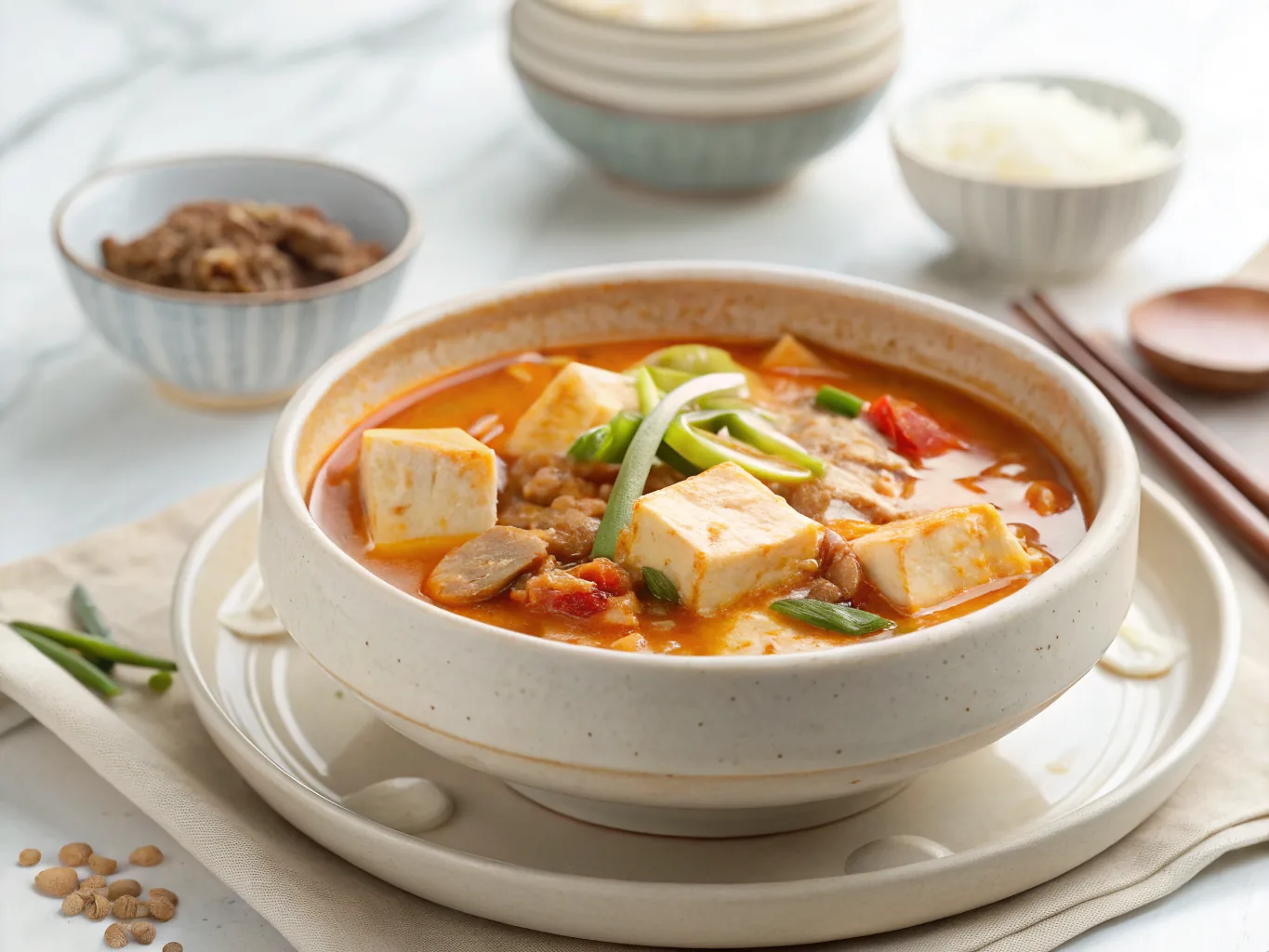
Korean Sundubu Jjigae Soft Tofu Stew
Korean Sundubu Jjigae is a fiery, fragrant soft tofu stew that simmers in a rich broth of anchovy, kelp, and gochugaru, studded with tender tofu that melts on the tongue. The dish balances deep umami from the broth with bright, spicy notes and a subtle sweetness from the onions and optional sugar, all finished with a drizzle of sesame oil and a scattering of green onions. It’s a comforting, soul-warming bowl that comes together quickly once the broth is made, making it perfect for weeknights or lazy weekends when only a deeply savory, slightly spicy stew will do. The soft tofu’s delicate texture contrasts beautifully with the bold flavors, ensuring every spoonful is both satisfying and nuanced.
Korean Bossam Pork Wraps
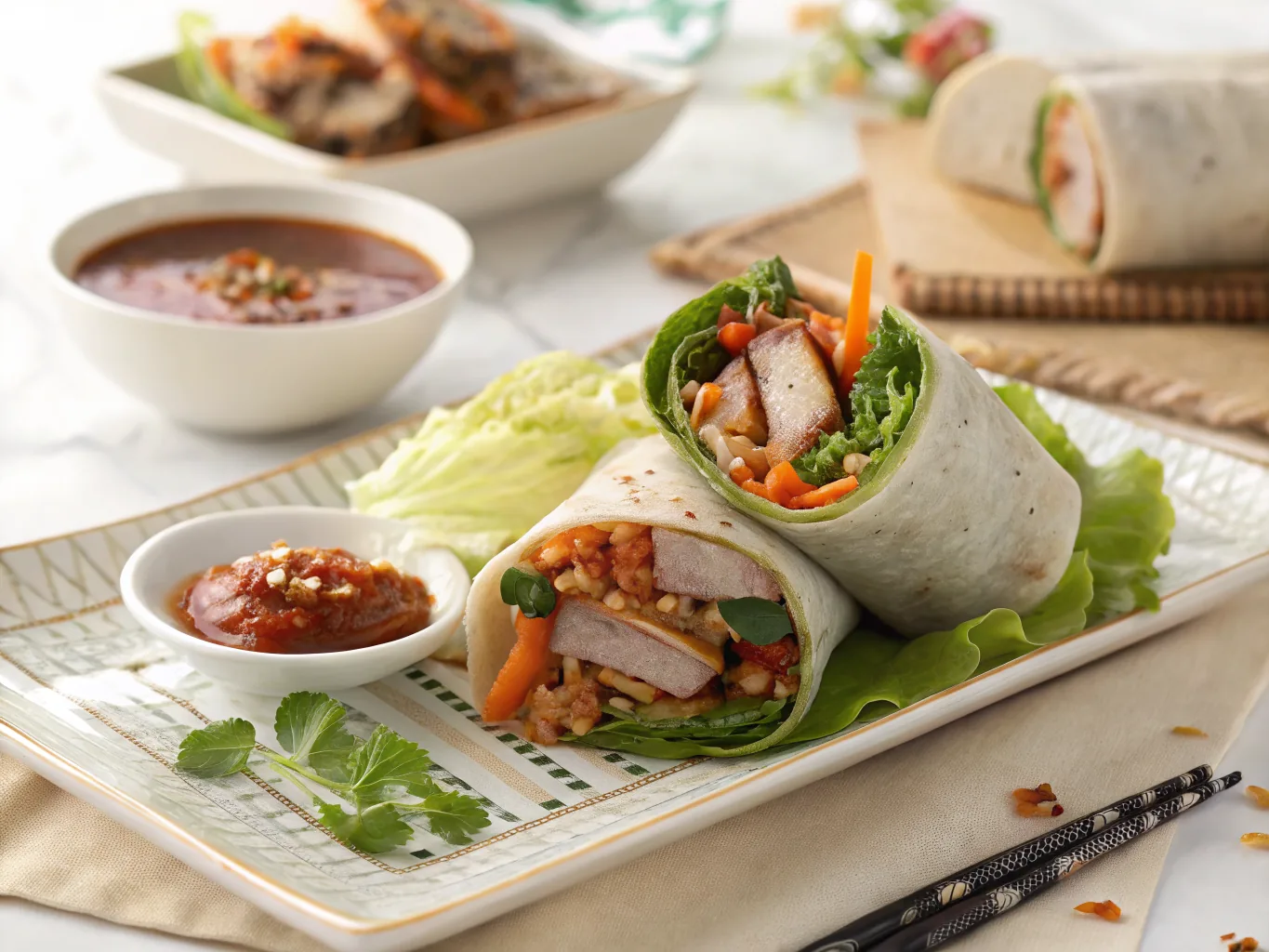
Hey there, folks! Today, I'm sharing with you my take on the classic Korean Bossam Pork Wraps. Trust me, this dish is a flavor explosion you don't want to miss out on. So, here's a little secret - the first time I made this recipe, I accidentally used way too much salt. Let's just say, it was a *very* salty experience! But hey, we all make mistakes in the kitchen, right? Now, here's a pro tip for you: when simmering the pork, make sure not to overcook it. You want it tender, not mushy. Keep an eye on it, and you'll be good to go. Picture this - you're gathered around the table with your loved ones, assembling these delicious wraps together. It's messy, it's fun, and it's oh-so-delicious. The combination of flavors from the pork, ssamjang, and crunchy radish is just out of this world. So, go ahead, give this recipe a try. Your taste buds will thank you, and you'll have a great time in the process. Happy cooking, everyone!
Gut Health Kimchi Rice Bowl
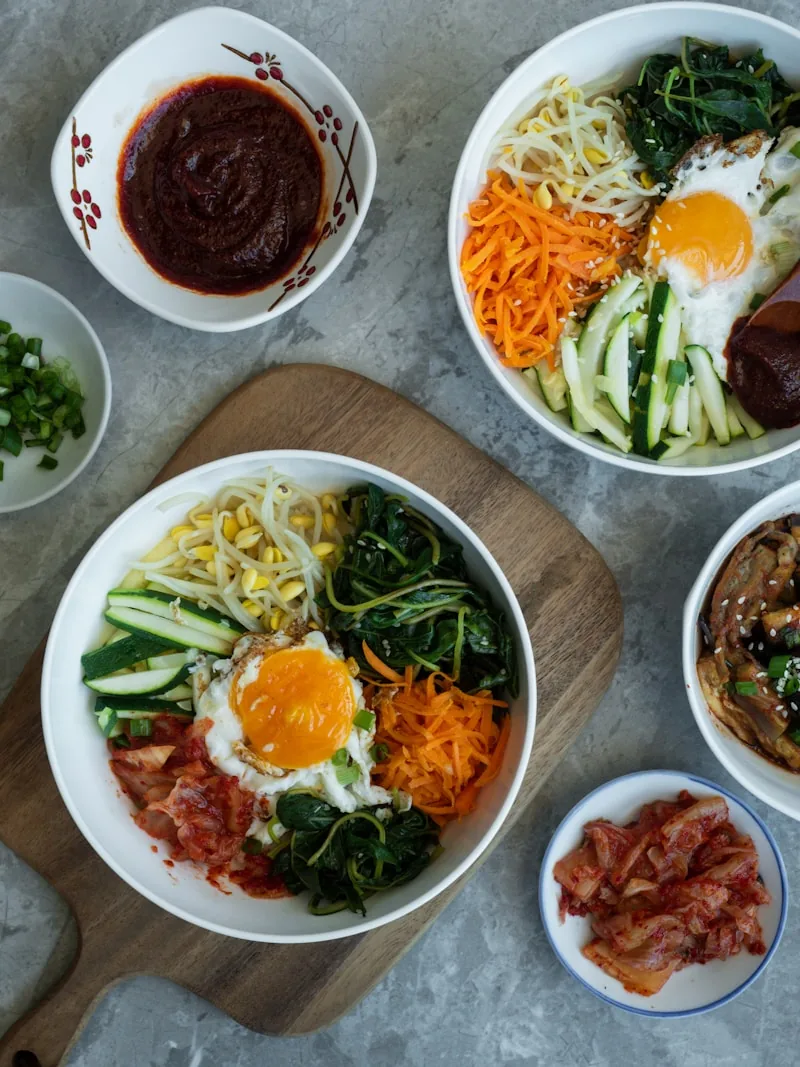
The Gut Health Kimchi Rice Bowl is a vibrant, nourishing dish where probiotic-rich kimchi meets creamy avocado, fluffy brown rice, and a perfectly runny egg. Each bite delivers a balance of tangy, spicy, and umami notes from the kimchi, with a satisfying crunch from toasted sesame seeds and fresh spring onions. The combination of textures—soft rice, crisp toppings, and silky egg yolk—makes every mouthful feel indulgent yet wholesome. Packed with gut-friendly benefits and bold flavors, it’s a simple yet rewarding meal that satisfies both cravings and wellness goals.
Spicy Vegan Korean Rice Cake Tteokbokki
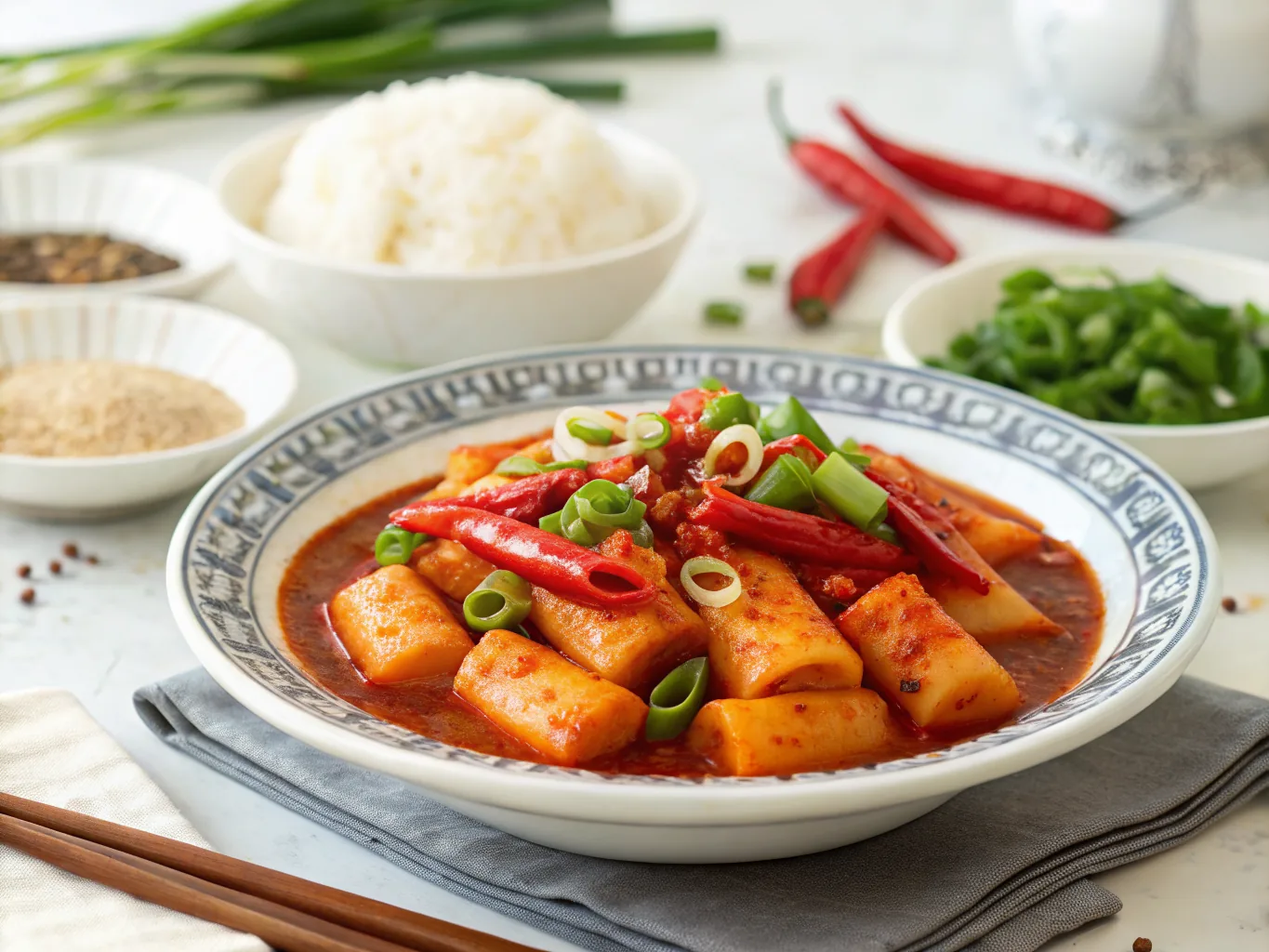
Alright, folks, get ready for a spicy vegan Korean adventure with my Spicy Vegan Korean Rice Cake Tteokbokki! Let's spice up your kitchen with this flavorful dish. One time, I mistakenly used extra spicy gochujang in this recipe, and let me tell you, my taste buds were on fire! Remember, a little goes a long way with that stuff, so use it wisely. Now, here's a unique tip for you: if you want to add an extra crunch to this dish, try pan-frying the rice cakes before simmering them in the sauce. It adds a nice texture that will elevate your tteokbokki game! I remember the first time I tried tteokbokki in Seoul, I was blown away by the bold flavors and comforting chewiness of the rice cakes. Recreating that experience at home always brings back those delicious memories. So, get that vegetable broth boiling, toss in the rice cakes, and let the magic happen. Don't forget to stir occasionally and taste as you go – you want those rice cakes to be soft and chewy, not mushy! Serve this hot, topped with green onions and sesame seeds, and get ready to impress your taste buds with this plant-based delight. Enjoy, my spicy food lovers!
Korean Gyeran Bap Egg Rice Bowl
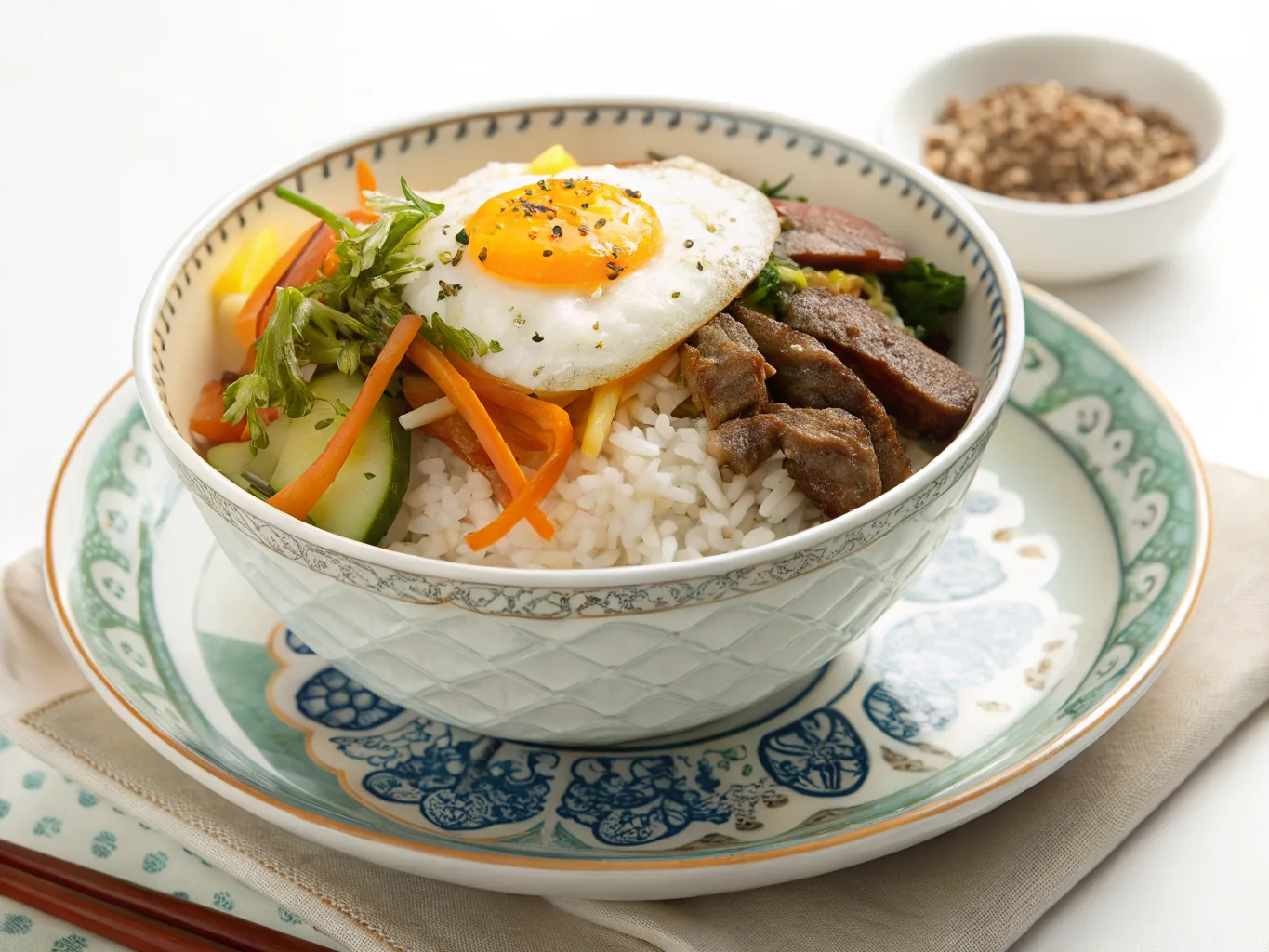
The Korean Gyeran Bap Egg Rice Bowl is a simple yet satisfying dish where fluffy eggs meet seasoned rice in perfect harmony. Each bite delivers a balance of savory soy, nutty sesame, and a subtle heat from gochujang, while the crisp edges of the egg contrast with the soft, fragrant grains beneath. Topped with fresh green onions and crisp seaweed, it’s a meal that feels both comforting and vibrant. Worth making for its effortless elegance and the way it transforms humble ingredients into something deeply crave-worthy.
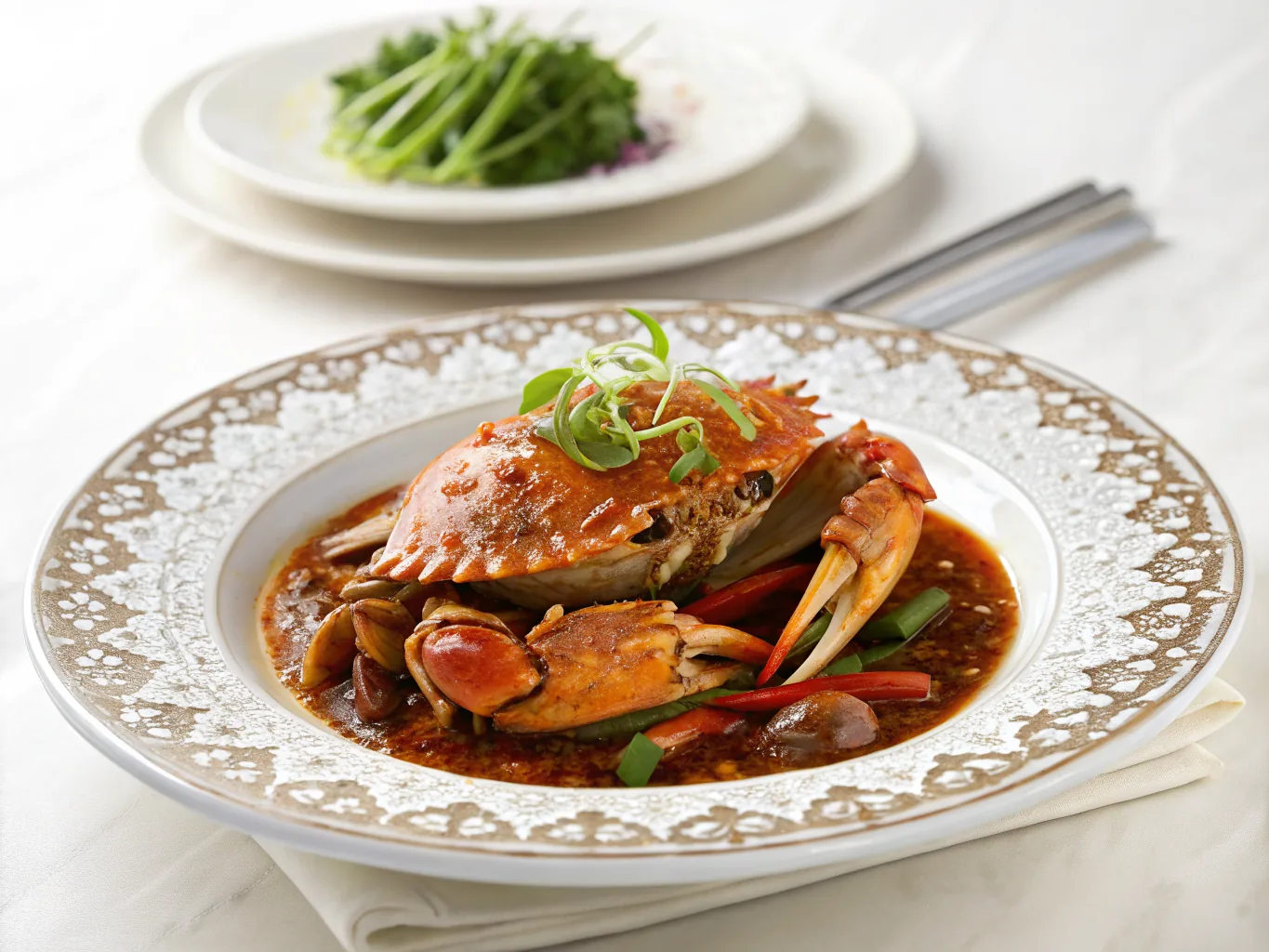
Korean Ganjang Gejang Soy Marinated Crab
This deeply savory Korean ganjang gejang—soy-marinated crab—delivers tender, briny crab meat infused with the rich umami of fermented soy sauce, balanced by a gentle sweetness and a slow-building heat from gochugaru. The texture is luxuriously yielding, with the crab’s delicate flesh absorbing the marinade until each bite is a perfect harmony of salt, spice, and depth. Worth making for its ability to transform simple seafood into a dish that’s both nostalgic and revelatory, a true celebration of Korean culinary tradition that demands patience but rewards with layers of flavor.
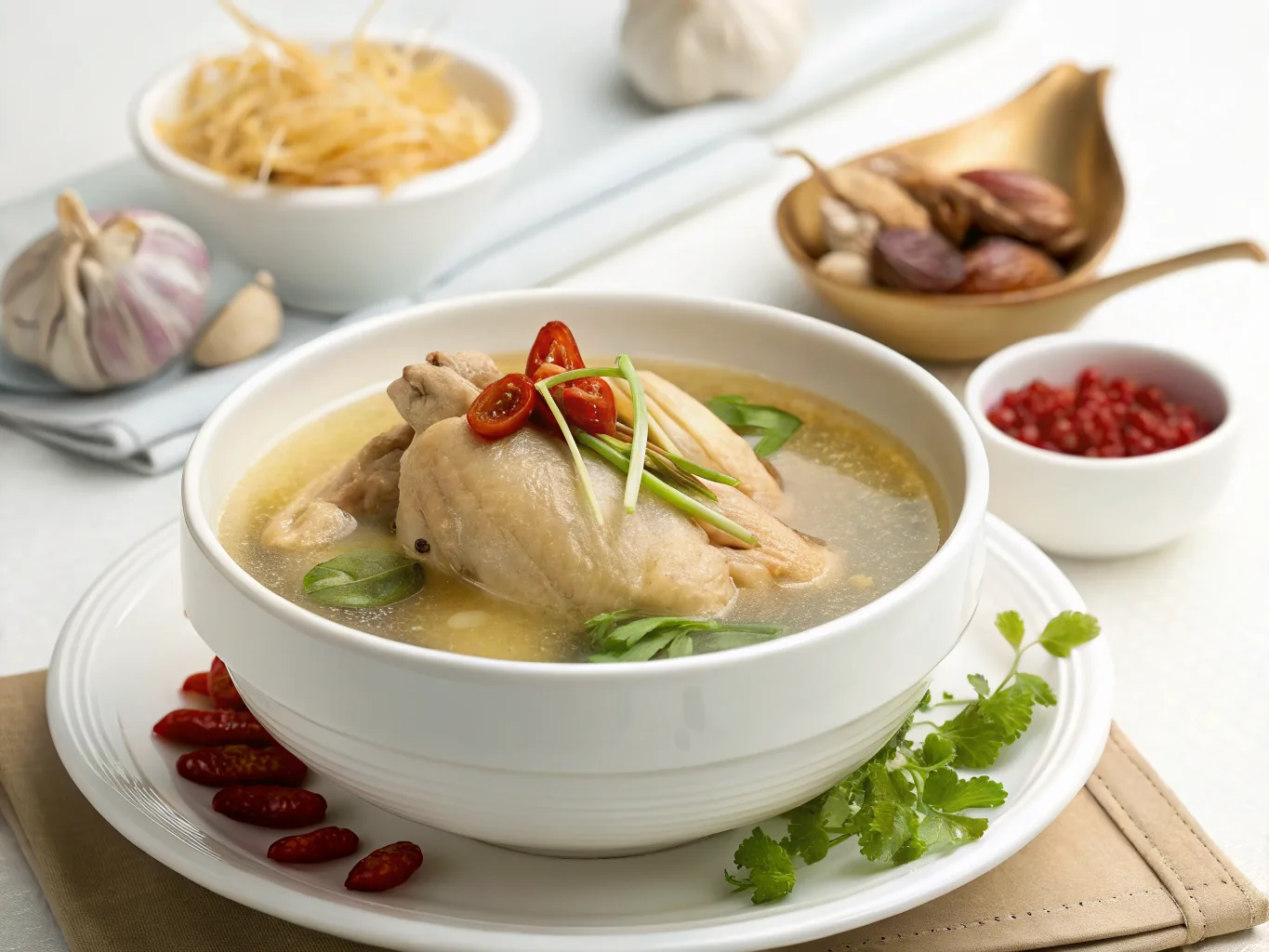
Korean Samgyetang Ginseng Chicken Soup
This deeply comforting Korean dish features a whole young chicken stuffed with glutinous rice and simmered in a fragrant broth infused with garlic, ginger, and ginseng. The result is tender, fall-off-the-bone meat and plump, silky rice that soaks up the savory aromatics, while the ginseng lends a subtle earthy sweetness. A final drizzle of sesame oil adds a nutty depth that elevates each spoonful. More than just a soup, it’s a restorative bowl of tradition—rich in flavor, history, and the quiet warmth of a well-made meal.
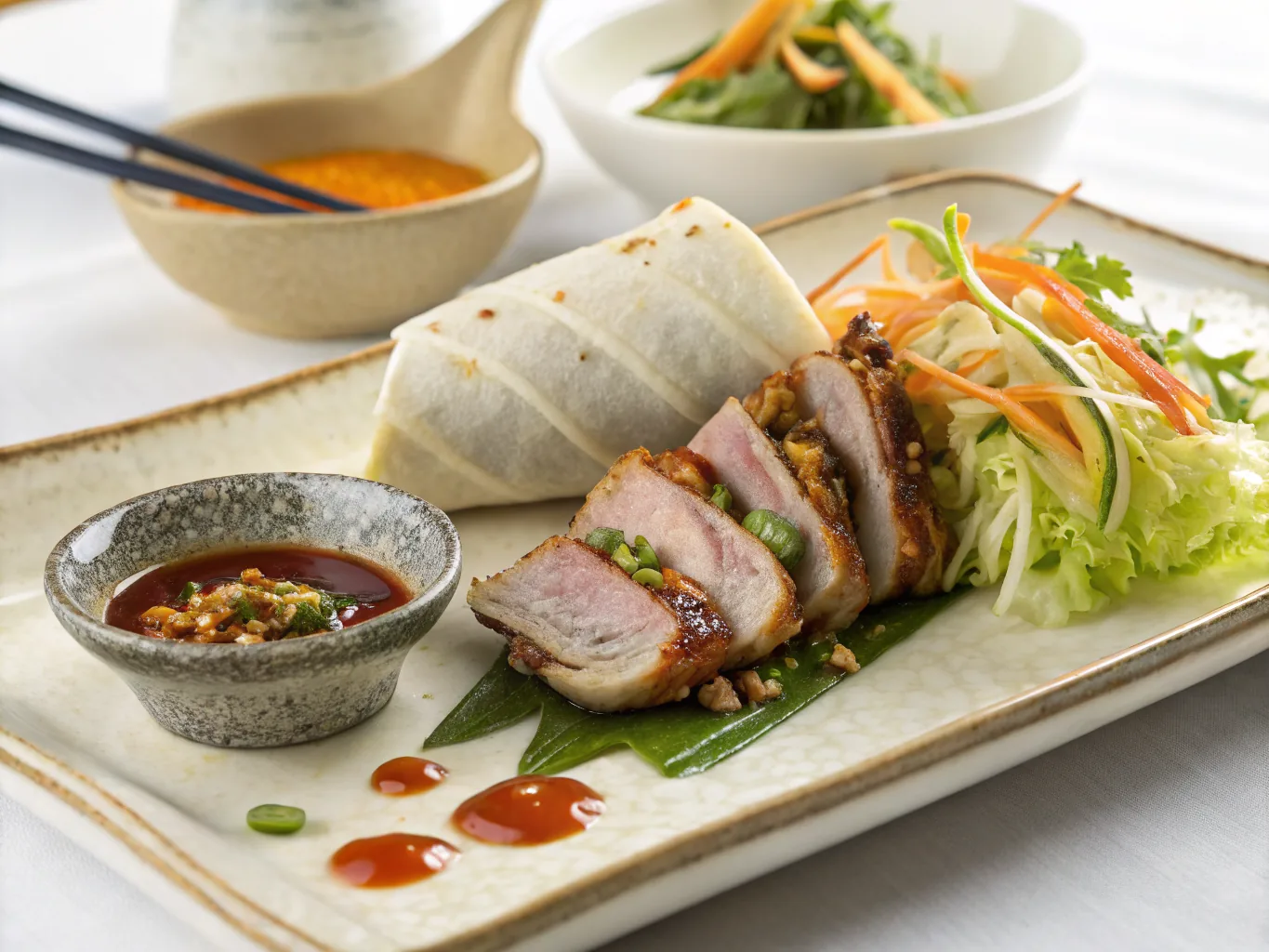
Korean Bossam Pork Wraps Recipe
Hey there! Ready to dive into the delicious world of Korean Bossam Pork Wraps? Let's get cooking! First off, make sure to rinse your pork belly properly - I once skipped this step and ended up with a salty mess! Trust me, you don't want that. Oh, the things we learn in the kitchen, right? Pro tip: To add an extra kick of flavor, try marinating the pork belly overnight in the fridge with some extra soy sauce and a touch of gochujang. It'll take your bossam wraps to the next level, I promise! Now, here's a little personal anecdote for you: the first time I made bossam, I accidentally used too much sesame oil. Let's just say it turned into a slippery situation in the kitchen! But hey, we learn from our mistakes, right? So, follow the recipe as it is, and don't forget to have fun wrapping your pork belly slices in the lettuce leaves with all the fresh veggies. It's messy, it's tasty, and it's all part of the experience. Enjoy every bite and savor the flavors - that's what Korean bossam is all about! Happy cooking, and remember: a messy kitchen is a sign of a delicious meal in the making!
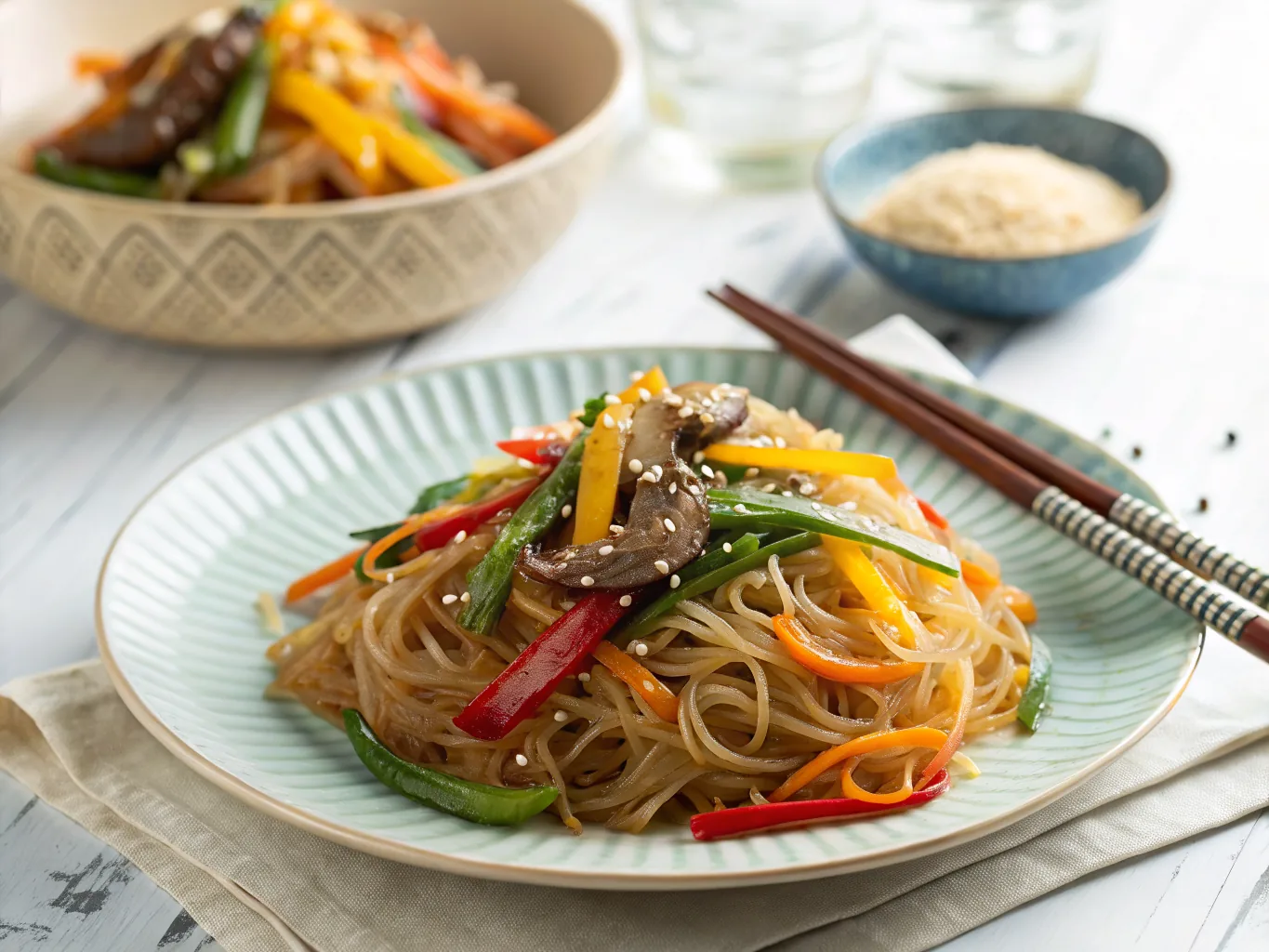
Korean Japchae Glass Noodles Stir Fry
Sweet potato glass noodles, known as *japchae*, are stir-fried into a glossy, chewy tangle with tender vegetables and a glossy-sweet soy-based sauce. The dish balances earthy spinach, crunchy carrots, and mushrooms with a touch of sesame oil, while the noodles offer a satisfying, almost bouncy texture. A final sprinkle of toasted sesame seeds adds nutty depth and a pop of color, making it as visually striking as it is flavorful. Versatile enough for weeknight dinners or festive gatherings, this Korean classic delivers a harmonious mix of savory, sweet, and umami notes in every bite.
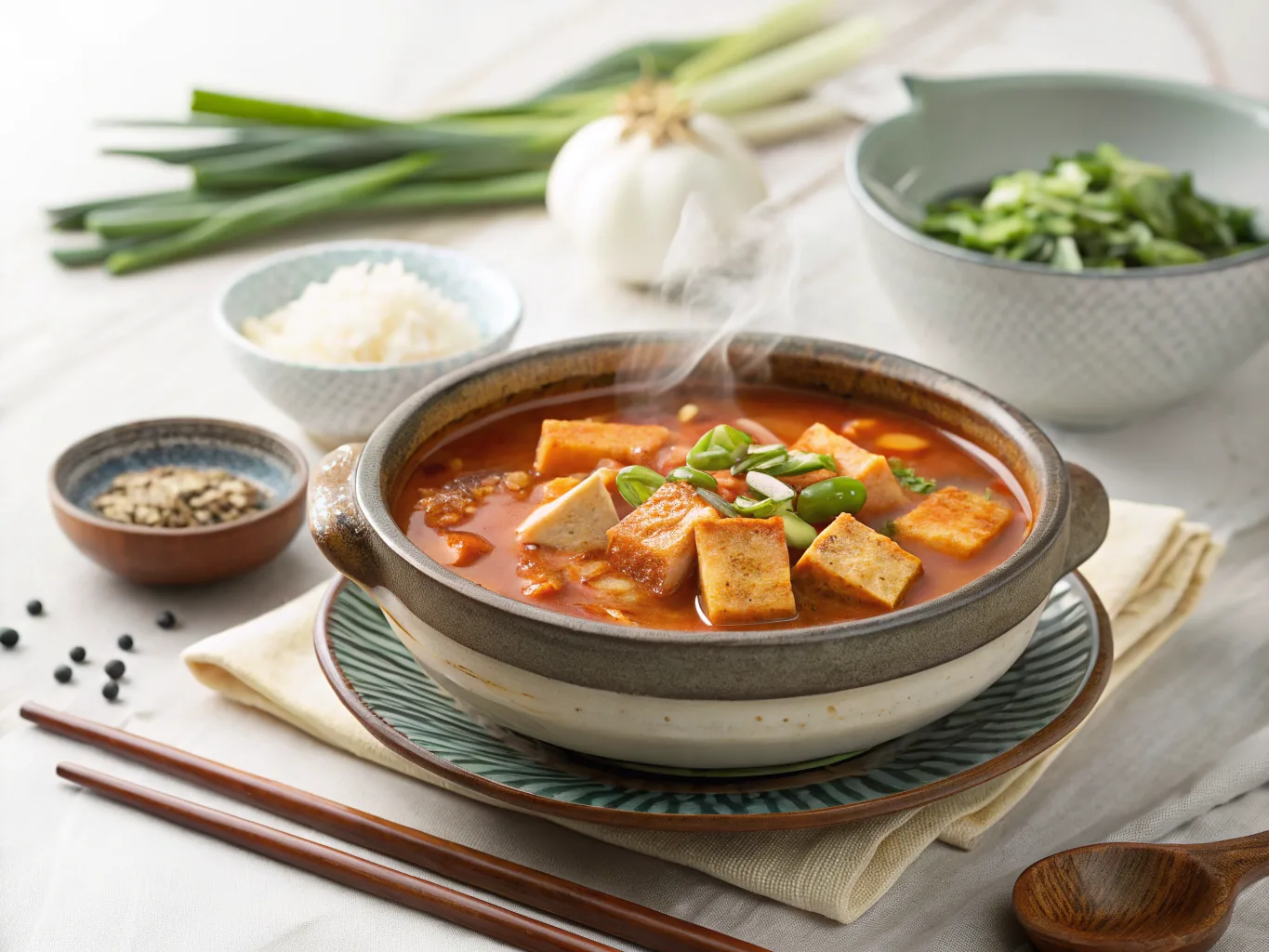
Korean Doenjang Jjigae Soybean Paste Stew
Doenjang Jjigae is a deeply comforting Korean soybean paste stew that delivers layers of savory, funky, and slightly sweet flavors with every spoonful. The rich, fermented depth of doenjang forms the backbone of the broth, while tender tofu, hearty vegetables, and sometimes a chewy dumpling or two add contrasting textures—soft, crisp, and silky all at once. A finishing drizzle of sesame oil and a scattering of fresh green onions elevate the dish with aromatic brightness, making it as nourishing for the soul as it is for the palate. Worth making for its ability to transform humble ingredients into a crave-worthy, soul-satisfying meal that lingers long after the last bite.
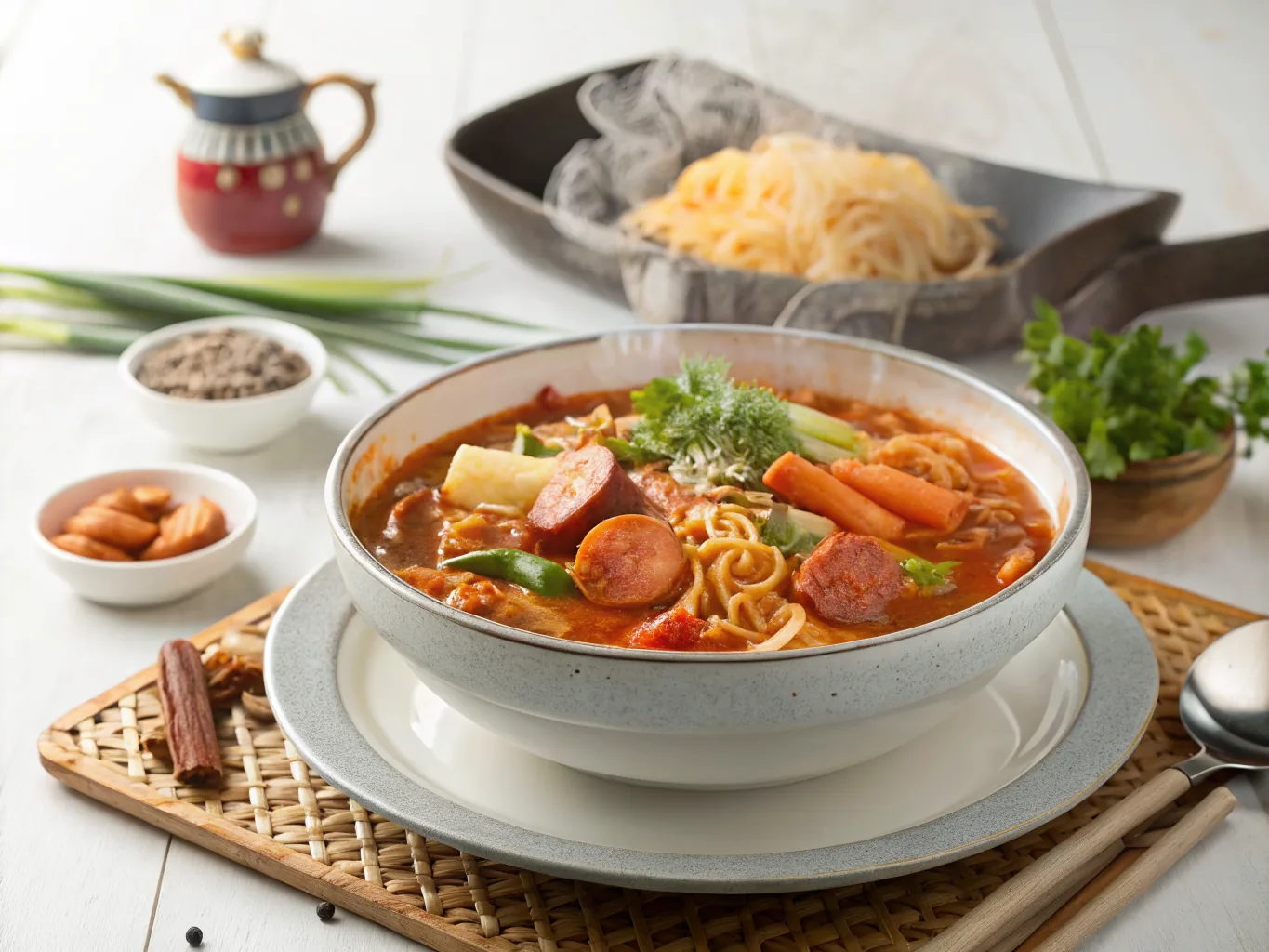
Korean Army Stew Budae Jjigae
Hey there, foodies! Let's talk about one of my all-time favorites: Korean Army Stew, also known as Budae Jjigae. This hearty stew is a real crowd-pleaser, packed with a mix of delicious ingredients like Spam, hot dogs, tofu, and kimchi. Now, before we dive into the cooking process, let me share a funny story with you. One time, I accidentally added double the amount of garlic to this stew. Let's just say, it had quite the kick! So, remember folks, always measure your ingredients carefully. Here's a unique tip for you: if you want to add an extra depth of flavor to your stew, try grilling the hot dogs and Spam before adding them to the pot. It'll give the dish a delicious smoky taste that will have your taste buds dancing! So, in a large pot, sauté your garlic and onion until they're nice and fragrant. Then, add in the water, gochujang, and soy sauce, and let it all come to a boil. Drop in the rest of your ingredients and let it simmer away. Before you know it, you'll have a steaming pot of Budae Jjigae ready to enjoy with your loved ones. Remember, cooking is all about having fun, so don't be afraid to experiment and make the recipe your own. Happy cooking, friends!
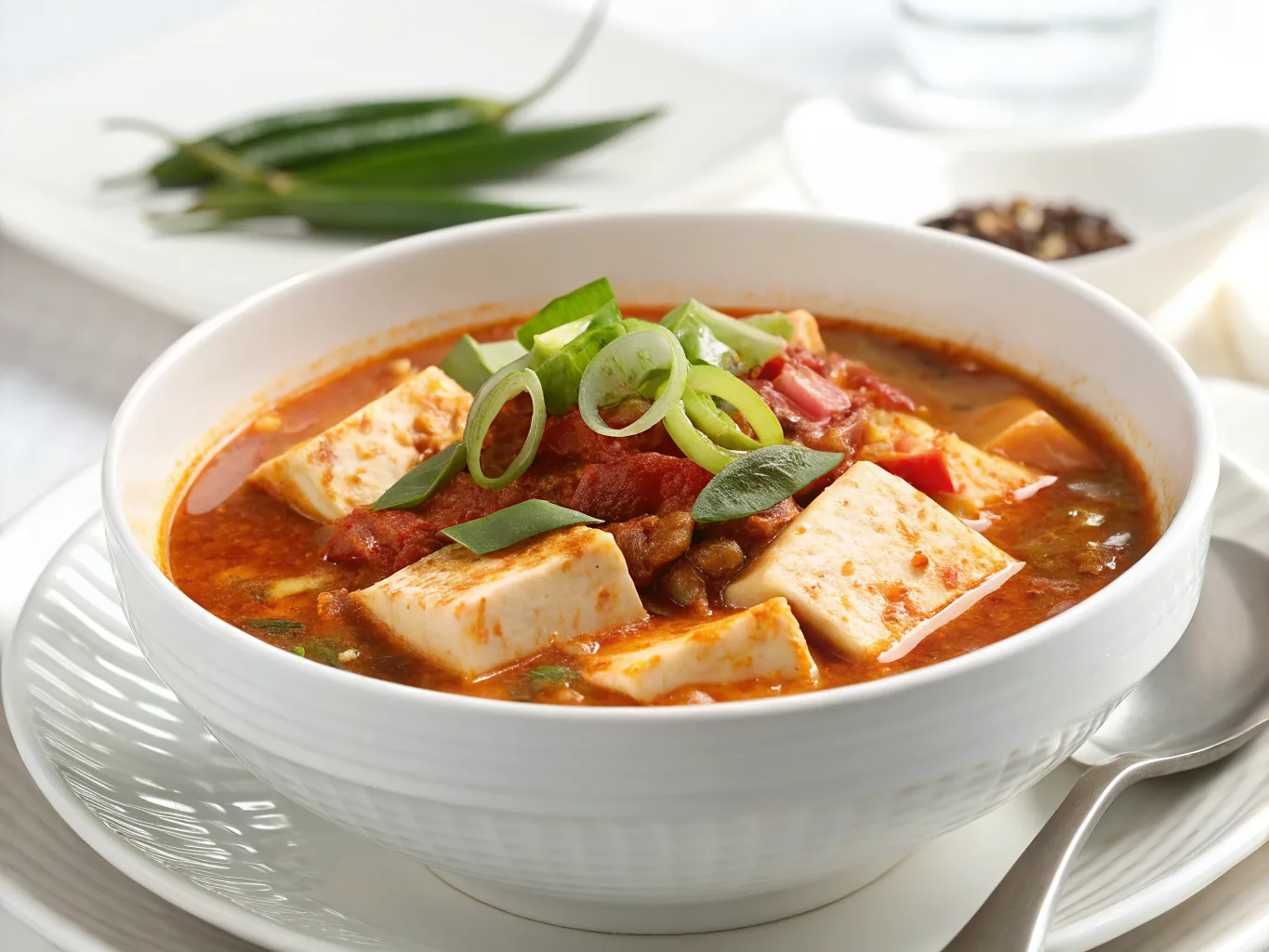
Korean Soondubu Jjigae Spicy Tofu Soup
Alright, folks, let's talk about my beloved Korean Soondubu Jjigae Spicy Tofu Soup! This dish is a real game-changer, I'm telling you. Now, grab your silken tofu, gochujang, gochugaru, and let's get cooking! One time, I accidentally added way too much gochugaru to this soup. Let's just say, my taste buds were on fire for a while! So, word of advice: be careful with those Korean chili flakes, unless you're looking to breathe fire like a dragon! Here's a tip for you: when breaking the silken tofu into chunks, do it gently. Tofu is delicate, just like our feelings when someone messes with our food! My favorite part about making this soup is cracking the eggs directly into it. It's like a little surprise waiting for you at the bottom of the bowl. Trust me, it's egg-cellent! So, there you have it, a steaming bowl of Soondubu Jjigae to warm your soul and spice up your life. Enjoy, my fellow food adventurers!
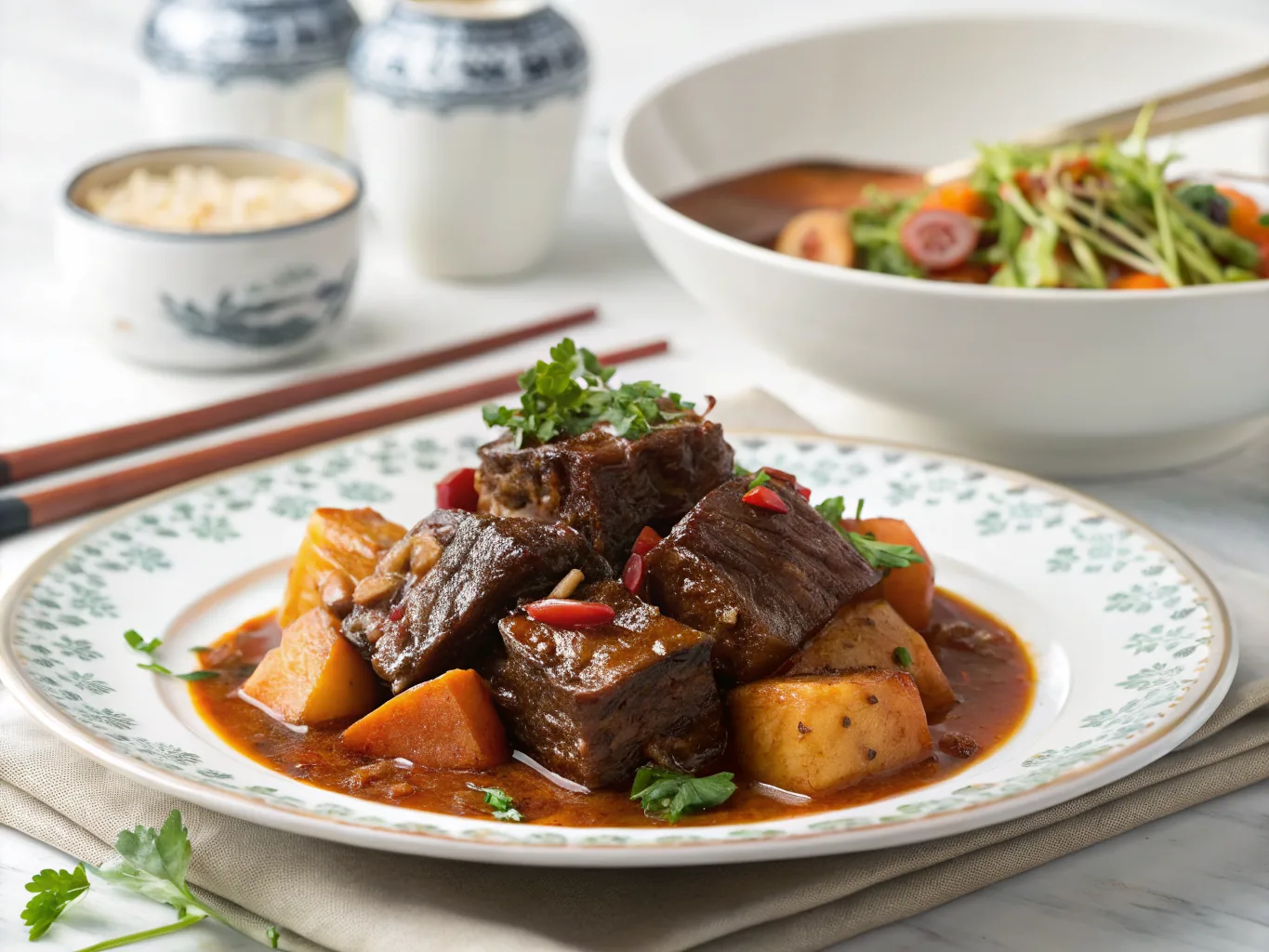
Korean Galbi Jjim Braised Short Ribs
Korean Galbi Jjim is a deeply savory, fall-off-the-bone braise where tender beef short ribs luxuriate in a glossy, umami-rich sauce. The marinade—built on soy sauce, brown sugar, garlic, ginger, and sesame oil—balances sweetness with sharp, aromatic depth, while slow simmering transforms the meat into silky shreds and the vegetables into tender, sweet bites. A final shower of green onions and sesame seeds adds a bright, nutty finish that ties everything together. Worth the time investment, this dish delivers a restaurant-worthy meal that’s as comforting as it is impressive.

Korean Haemul Pajeon Seafood Pancake
Hey there, fellow foodies! Today, I'm sharing with you my twist on the classic Korean Haemul Pajeon Seafood Pancake recipe. Trust me, once you try this, you'll be hooked! So, let's get cooking! Mix your flour, water, egg, salt, and pepper in a bowl until smooth. Now here comes the fun part – adding in those green onions and seafood. I once accidentally used too much water in the batter and ended up with a pancake that was more like a soggy mess. Lesson learned: stick to the measurements! Pro tip: Want to take this dish to the next level? Try adding some kimchi to the batter for an extra kick of flavor. Your taste buds will thank you later, I promise. Now, heat up your skillet with some oil and pour in that delicious batter. Cook it until it's golden brown and crispy on both sides. And voilà, you've got yourself a mouthwatering Haemul Pajeon! Serve it up with a simple dipping sauce of soy sauce, vinegar, and sesame oil. The combination of flavors is out of this world. Enjoy, my friends!

Korean Hotteok Sweet Pancakes
Golden, syrupy pockets of joy, Korean hotteok are crisp-edged pancakes that burst with molten sweetness when bitten into. The chewy dough encases a rich filling of brown sugar, warm cinnamon, and crunchy nuts, creating a perfect balance of textures—crisp exterior, tender interior, and gooey center. Worth the effort for their addictive contrast of caramelized crunch and soft, pillowy layers, they’re best devoured fresh from the pan when the filling is still molten and the aroma of toasted spices fills the air.