Non-Vegetarian Korean Recipes
Browse 30 non-vegetarian Korean recipes — with photos, cook times and nutrition. Find an easy non-vegetarian Korean dish for tonight.

Winter Kimchi
Winter Kimchi is a bold, spicy Korean staple that delivers deep, warming heat with every bite. Shredded napa cabbage, crisp radish, and sharp spring onions soak up a fiery marinade of gochujang, chili flakes, and fermented baby shrimp, creating a balance of heat, funk, and umami. The texture is a satisfying mix of tender cabbage and crunchy radish, while the tangy, spicy kick lingers long after the last bite. Worth making for its ability to transform simple meals into something vibrant and deeply flavorful.

Kimchi/Kimchee/Gimchi (Korean Fermented Spicy Cabbage)
Alright, let's talk kimchi, the spicy and tangy Korean wonder! Here's what you'll need: brown sugar, napa cabbage, sea salt, fish sauce, garlic, ginger, gochugaru, green onions, radish, and rice flour. Now, the full recipe is on the source website, but let me share a little secret with you. One time, I accidentally put way too much gochugaru in my kimchi and ended up breathing fire for a week! So, be careful with that spicy pepper powder, folks. Here's a tip for you: when massaging the cabbage with salt, put on some music and really get into it. The salt needs to penetrate the leaves, so show that cabbage some love! Don't be afraid to experiment with the spice levels and ingredients - kimchi is all about personal taste. And remember, a batch made with love always tastes the best. Enjoy your kimchi-making adventure, and may your taste buds dance with joy!

Bibimbab (Korean Rice w Vegetables & Beef)
This vibrant Korean rice bowl, Bibimbab, layers warm, nutty short-grain rice with tender sautéed vegetables, savory beef, and a perfectly fried egg. A drizzle of fiery gochujang and a sprinkle of toasted sesame seeds and gochugaru bring bold, spicy-sweet heat, while the runny yolk ties everything together in rich, creamy harmony. It’s a dish that balances texture and flavor with every bite—crunchy, chewy, soft, and silky in one bowl. Worth making for its ability to deliver a taste of Seoul’s bustling markets in a single, satisfying meal.
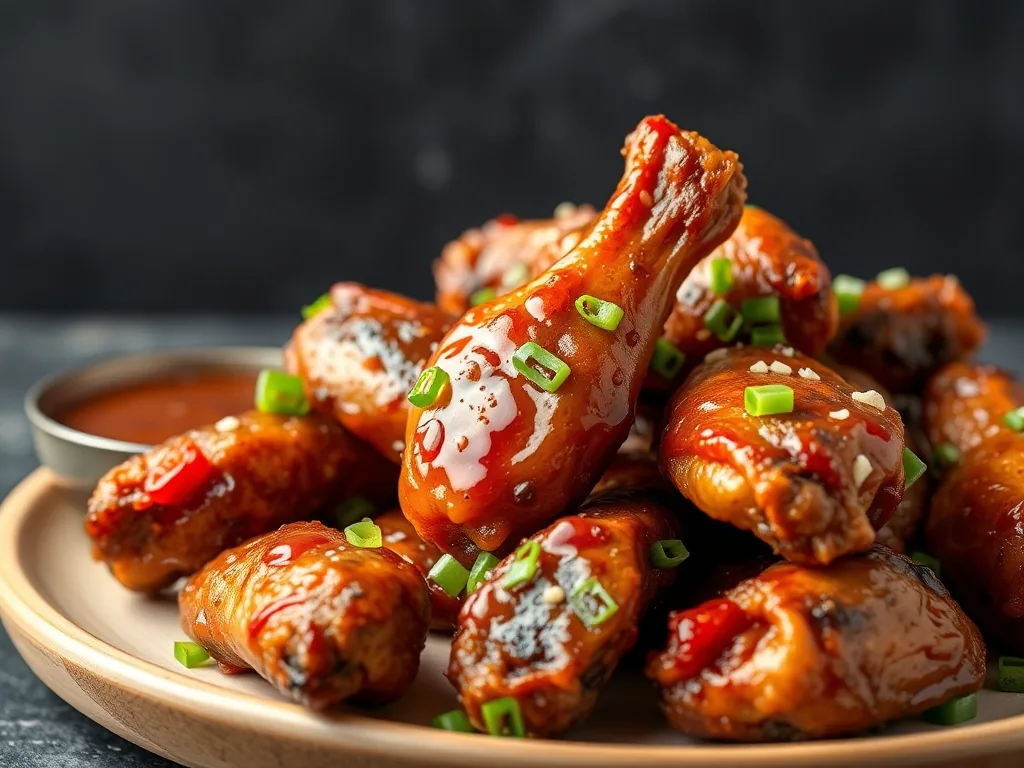
Air Fryer Korean Chicken Wings Sticky
Enjoy the rich, savory flavors of Korean cuisine with these sticky air fryer chicken wings. Perfectly crispy on the outside and tender on the inside, they are a delightful treat for any occasion.
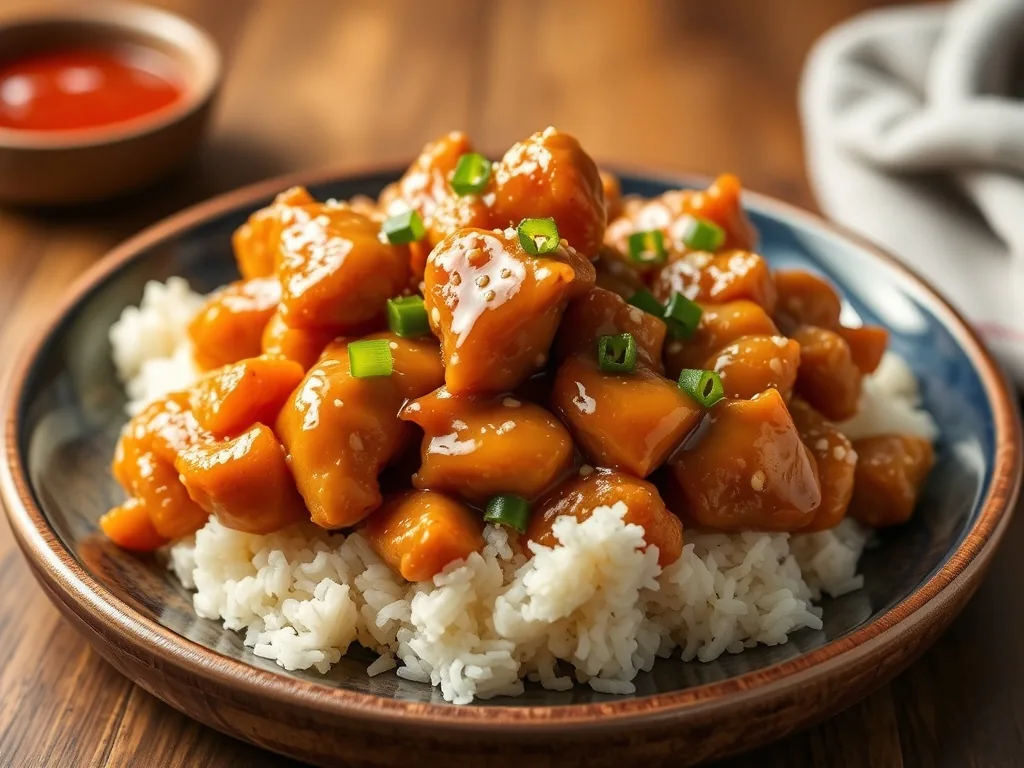
Honey Butter Chicken Korean Style
This Honey Butter Chicken is a delightful fusion of sweet and savory flavors, perfect for any dinner table. Crispy chicken coated in a rich honey butter sauce will leave you craving for more!
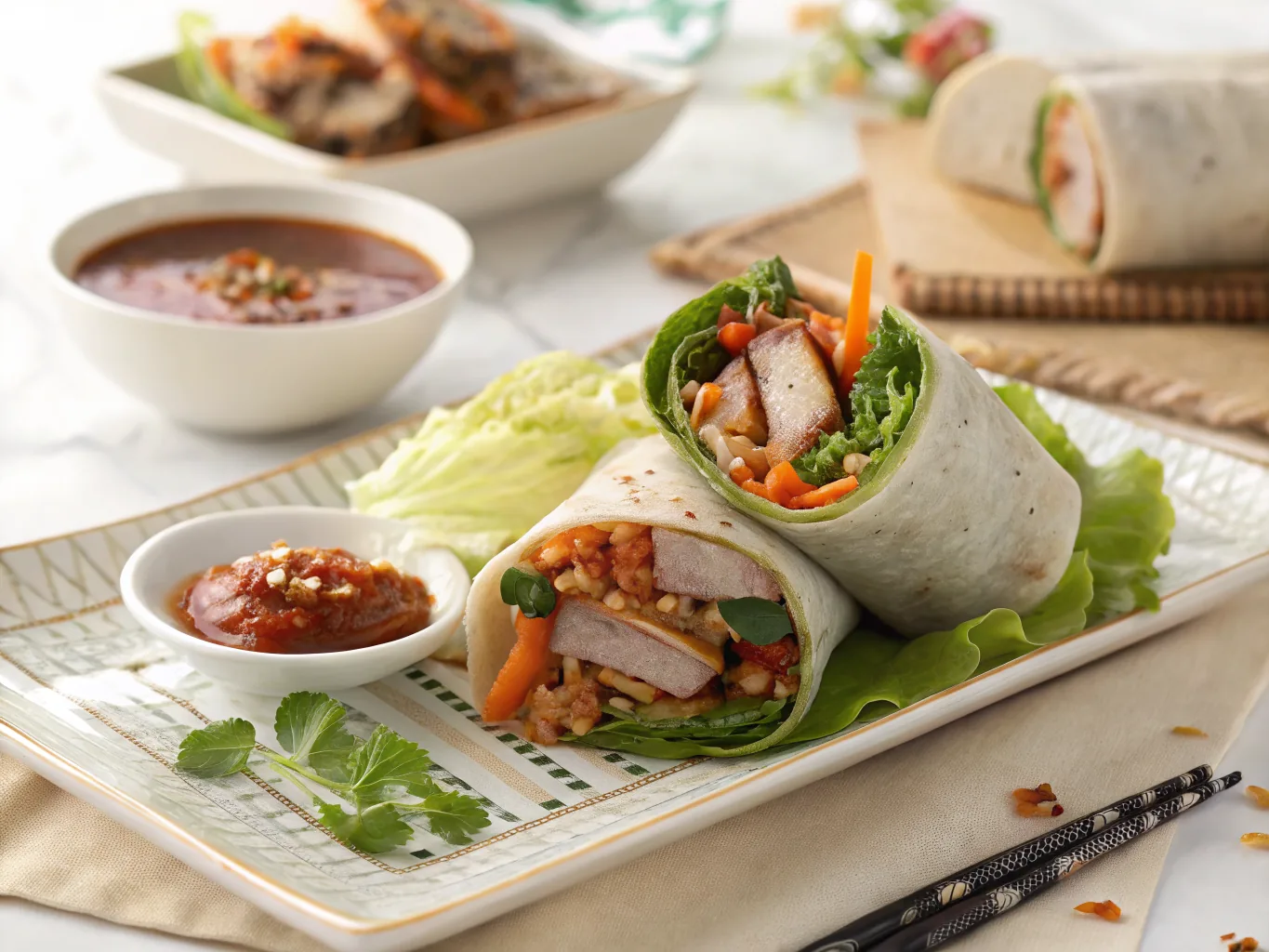
Korean Bossam Pork Wraps
Hey there, folks! Today, I'm sharing with you my take on the classic Korean Bossam Pork Wraps. Trust me, this dish is a flavor explosion you don't want to miss out on. So, here's a little secret - the first time I made this recipe, I accidentally used way too much salt. Let's just say, it was a *very* salty experience! But hey, we all make mistakes in the kitchen, right? Now, here's a pro tip for you: when simmering the pork, make sure not to overcook it. You want it tender, not mushy. Keep an eye on it, and you'll be good to go. Picture this - you're gathered around the table with your loved ones, assembling these delicious wraps together. It's messy, it's fun, and it's oh-so-delicious. The combination of flavors from the pork, ssamjang, and crunchy radish is just out of this world. So, go ahead, give this recipe a try. Your taste buds will thank you, and you'll have a great time in the process. Happy cooking, everyone!
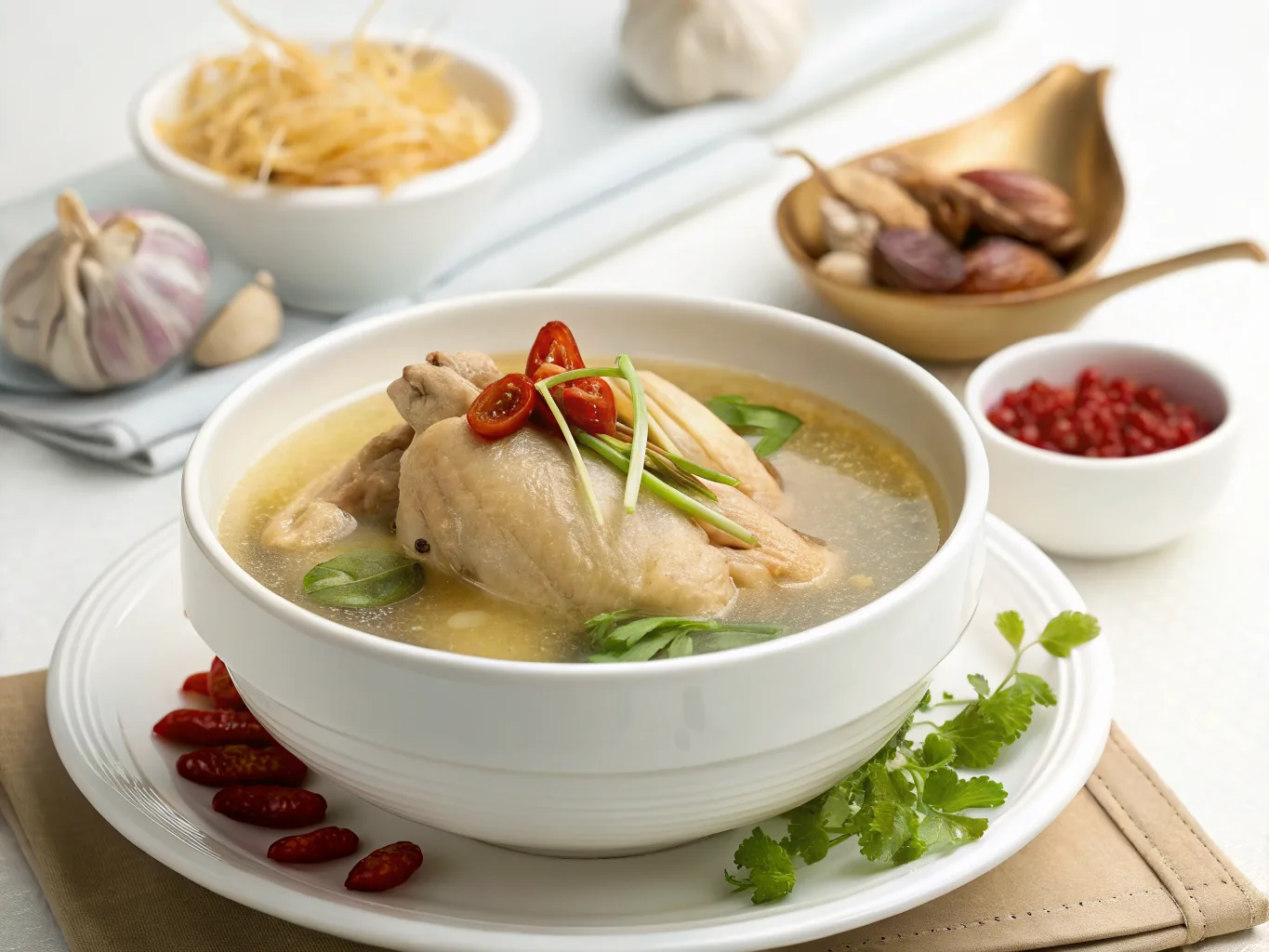
Korean Samgyetang Ginseng Chicken Soup
This deeply comforting Korean dish features a whole young chicken stuffed with glutinous rice and simmered in a fragrant broth infused with garlic, ginger, and ginseng. The result is tender, fall-off-the-bone meat and plump, silky rice that soaks up the savory aromatics, while the ginseng lends a subtle earthy sweetness. A final drizzle of sesame oil adds a nutty depth that elevates each spoonful. More than just a soup, it’s a restorative bowl of tradition—rich in flavor, history, and the quiet warmth of a well-made meal.
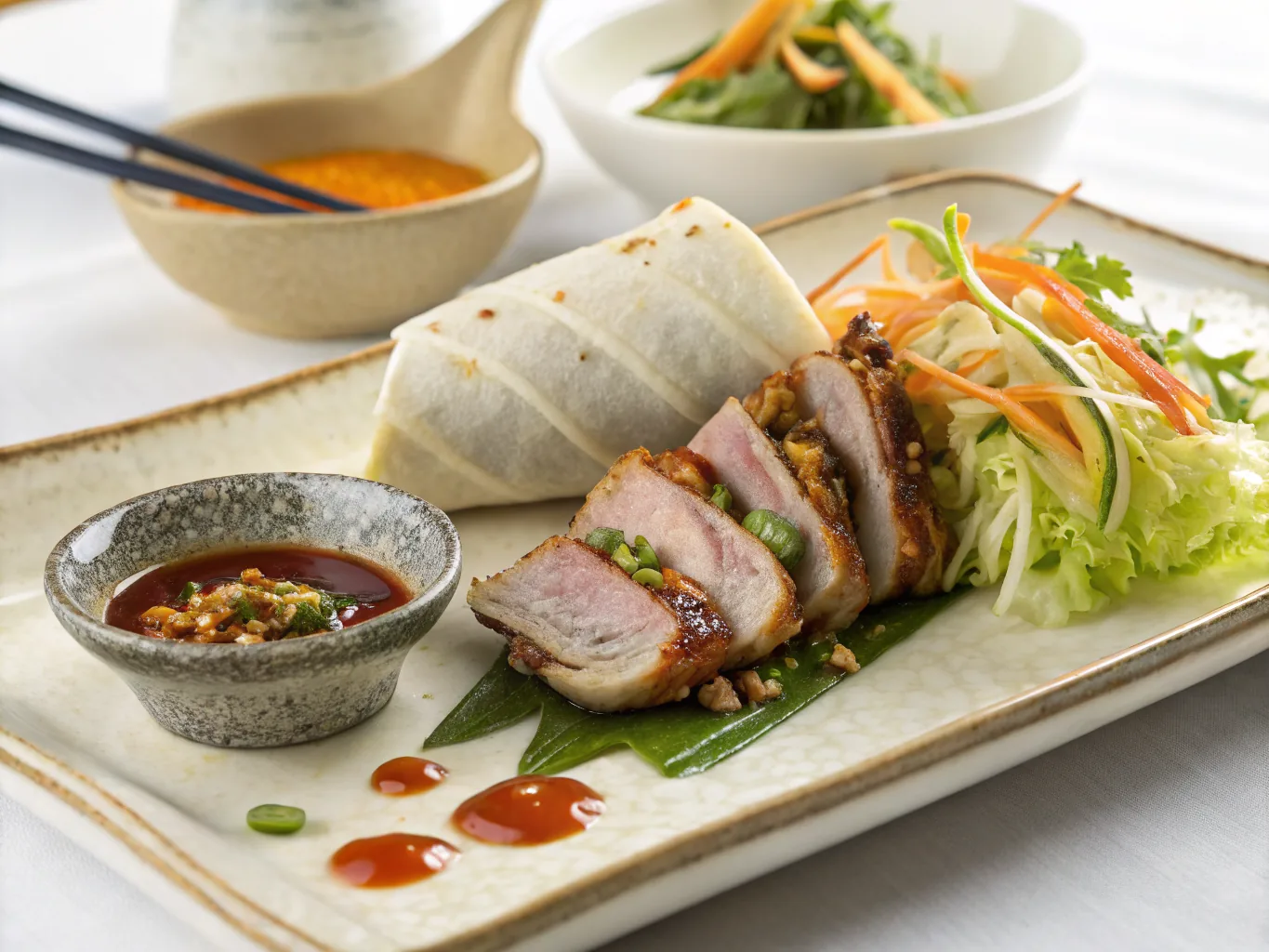
Korean Bossam Pork Wraps Recipe
Hey there! Ready to dive into the delicious world of Korean Bossam Pork Wraps? Let's get cooking! First off, make sure to rinse your pork belly properly - I once skipped this step and ended up with a salty mess! Trust me, you don't want that. Oh, the things we learn in the kitchen, right? Pro tip: To add an extra kick of flavor, try marinating the pork belly overnight in the fridge with some extra soy sauce and a touch of gochujang. It'll take your bossam wraps to the next level, I promise! Now, here's a little personal anecdote for you: the first time I made bossam, I accidentally used too much sesame oil. Let's just say it turned into a slippery situation in the kitchen! But hey, we learn from our mistakes, right? So, follow the recipe as it is, and don't forget to have fun wrapping your pork belly slices in the lettuce leaves with all the fresh veggies. It's messy, it's tasty, and it's all part of the experience. Enjoy every bite and savor the flavors - that's what Korean bossam is all about! Happy cooking, and remember: a messy kitchen is a sign of a delicious meal in the making!
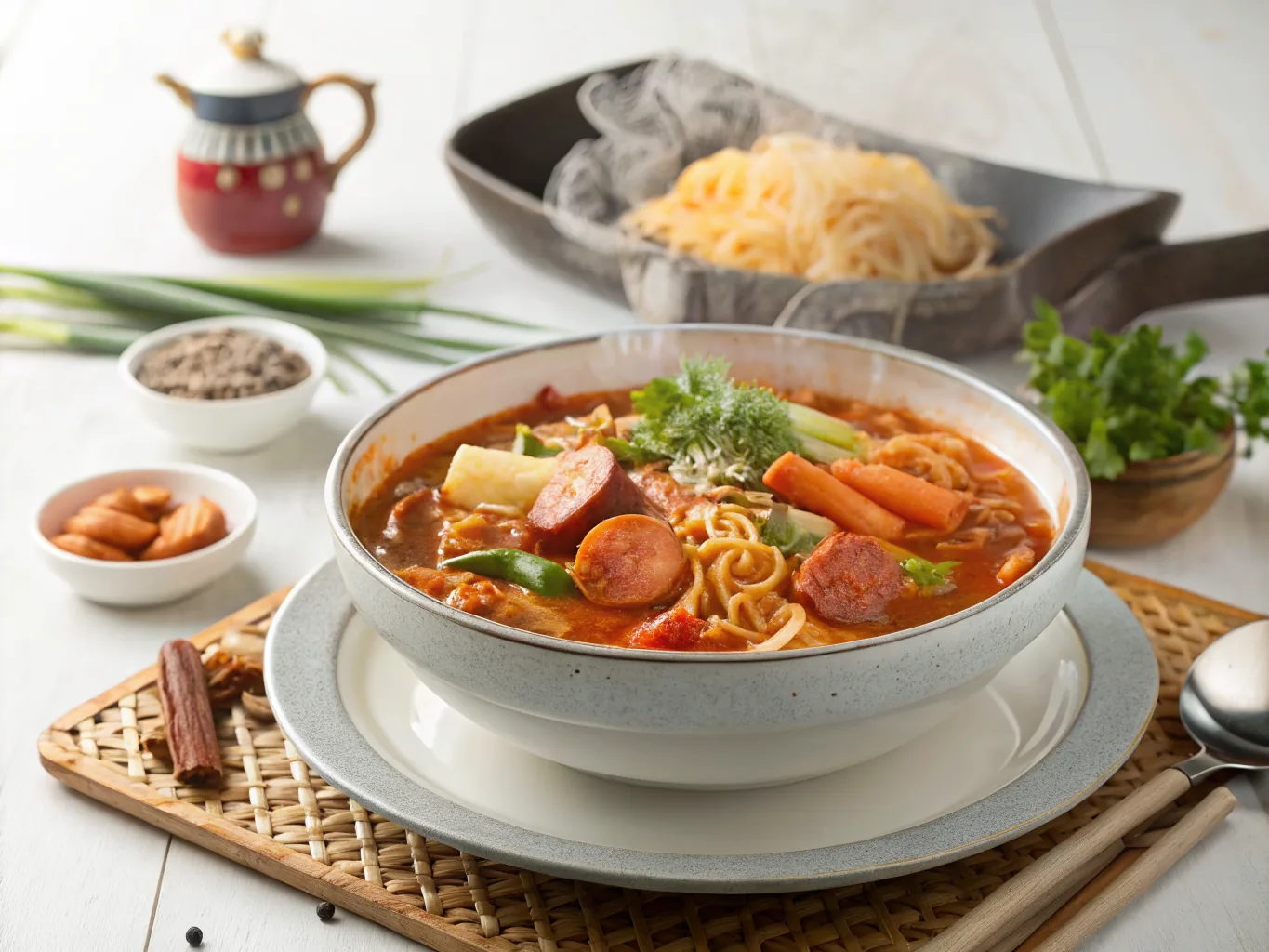
Korean Army Stew Budae Jjigae
Hey there, foodies! Let's talk about one of my all-time favorites: Korean Army Stew, also known as Budae Jjigae. This hearty stew is a real crowd-pleaser, packed with a mix of delicious ingredients like Spam, hot dogs, tofu, and kimchi. Now, before we dive into the cooking process, let me share a funny story with you. One time, I accidentally added double the amount of garlic to this stew. Let's just say, it had quite the kick! So, remember folks, always measure your ingredients carefully. Here's a unique tip for you: if you want to add an extra depth of flavor to your stew, try grilling the hot dogs and Spam before adding them to the pot. It'll give the dish a delicious smoky taste that will have your taste buds dancing! So, in a large pot, sauté your garlic and onion until they're nice and fragrant. Then, add in the water, gochujang, and soy sauce, and let it all come to a boil. Drop in the rest of your ingredients and let it simmer away. Before you know it, you'll have a steaming pot of Budae Jjigae ready to enjoy with your loved ones. Remember, cooking is all about having fun, so don't be afraid to experiment and make the recipe your own. Happy cooking, friends!
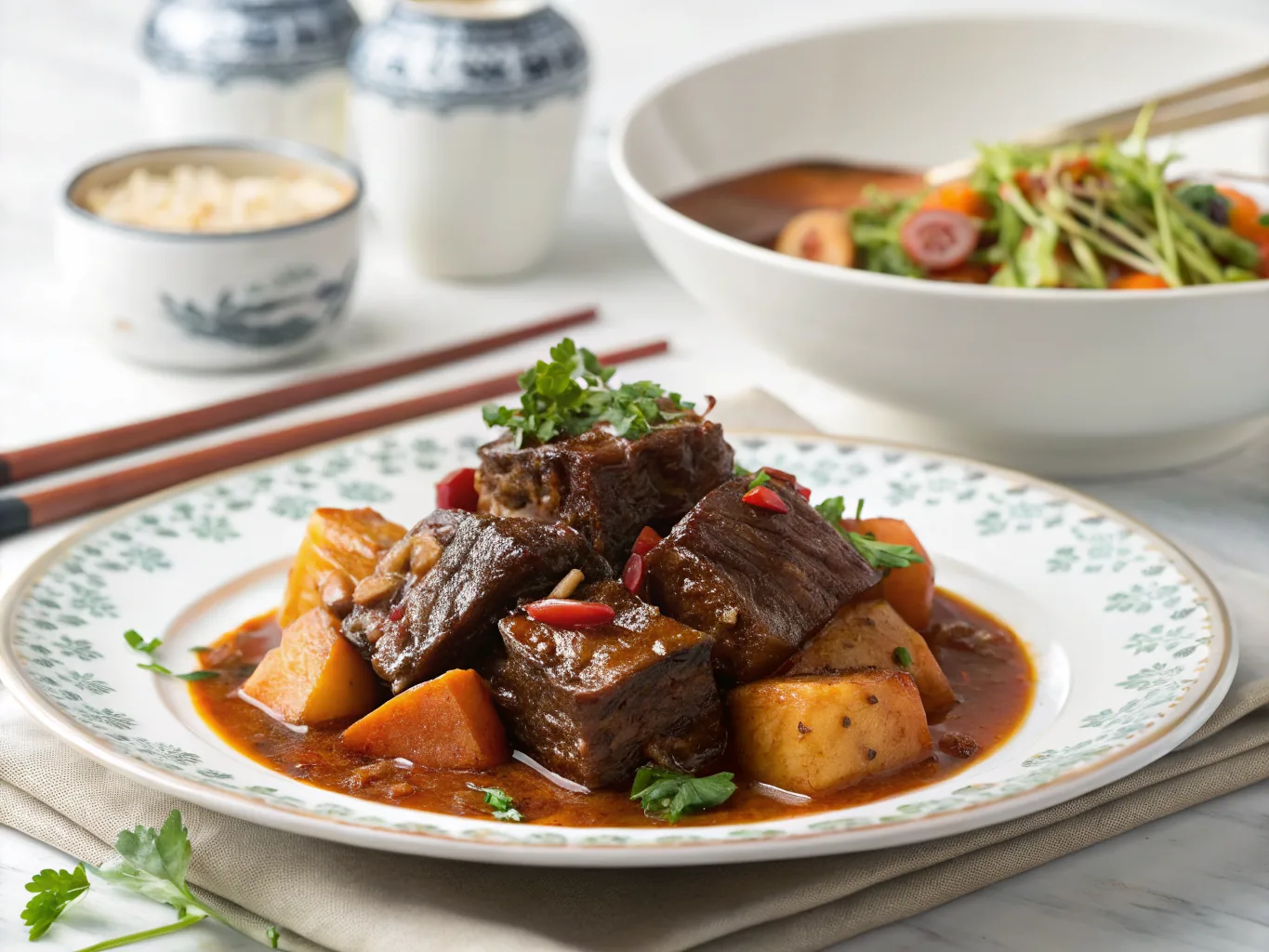
Korean Galbi Jjim Braised Short Ribs
Korean Galbi Jjim is a deeply savory, fall-off-the-bone braise where tender beef short ribs luxuriate in a glossy, umami-rich sauce. The marinade—built on soy sauce, brown sugar, garlic, ginger, and sesame oil—balances sweetness with sharp, aromatic depth, while slow simmering transforms the meat into silky shreds and the vegetables into tender, sweet bites. A final shower of green onions and sesame seeds adds a bright, nutty finish that ties everything together. Worth the time investment, this dish delivers a restaurant-worthy meal that’s as comforting as it is impressive.
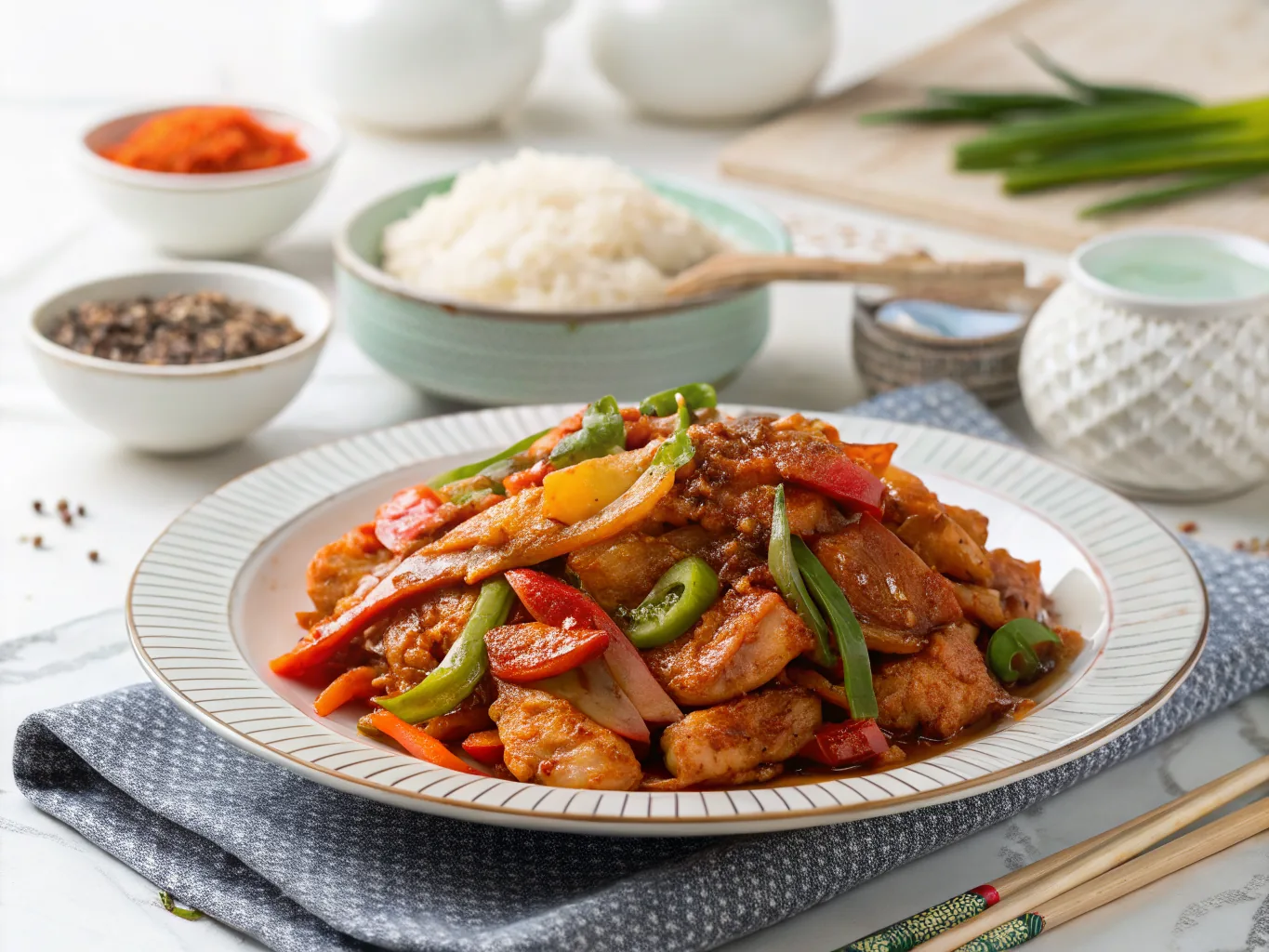
Korean Dakgalbi Spicy Stir Fried Chicken
Hey there, folks! Today, I'm gonna show you how to whip up a mouthwatering Korean Dakgalbi Spicy Stir Fried Chicken that will knock your socks off! Trust me, you're in for a treat. So, once upon a time, I accidentally used double the amount of gochujang in this recipe. Let's just say, my taste buds went on a rollercoaster ride! But hey, you live and you learn, right? Now, here's a little tip for you: if you want to kick up the heat a notch, sprinkle some extra red pepper flakes into the mix. It'll give your Dakgalbi that extra oomph that will have your guests begging for more. Alright, let's get down to business. Marinate your chicken thighs with gochujang, soy sauce, sesame oil, garlic, and ginger. While that's soaking up all the goodness, preheat your skillet and get ready to stir-fry like a pro. As you're cooking, don't forget to dance around the kitchen like nobody's watching - it's the secret ingredient for a truly delicious dish! Serve your Dakgalbi hot, either with rice or wrapped up in crisp lettuce leaves. Enjoy every spicy, savory bite and savor the flavors of Korea right in your own home. Cheers to good food and good company!
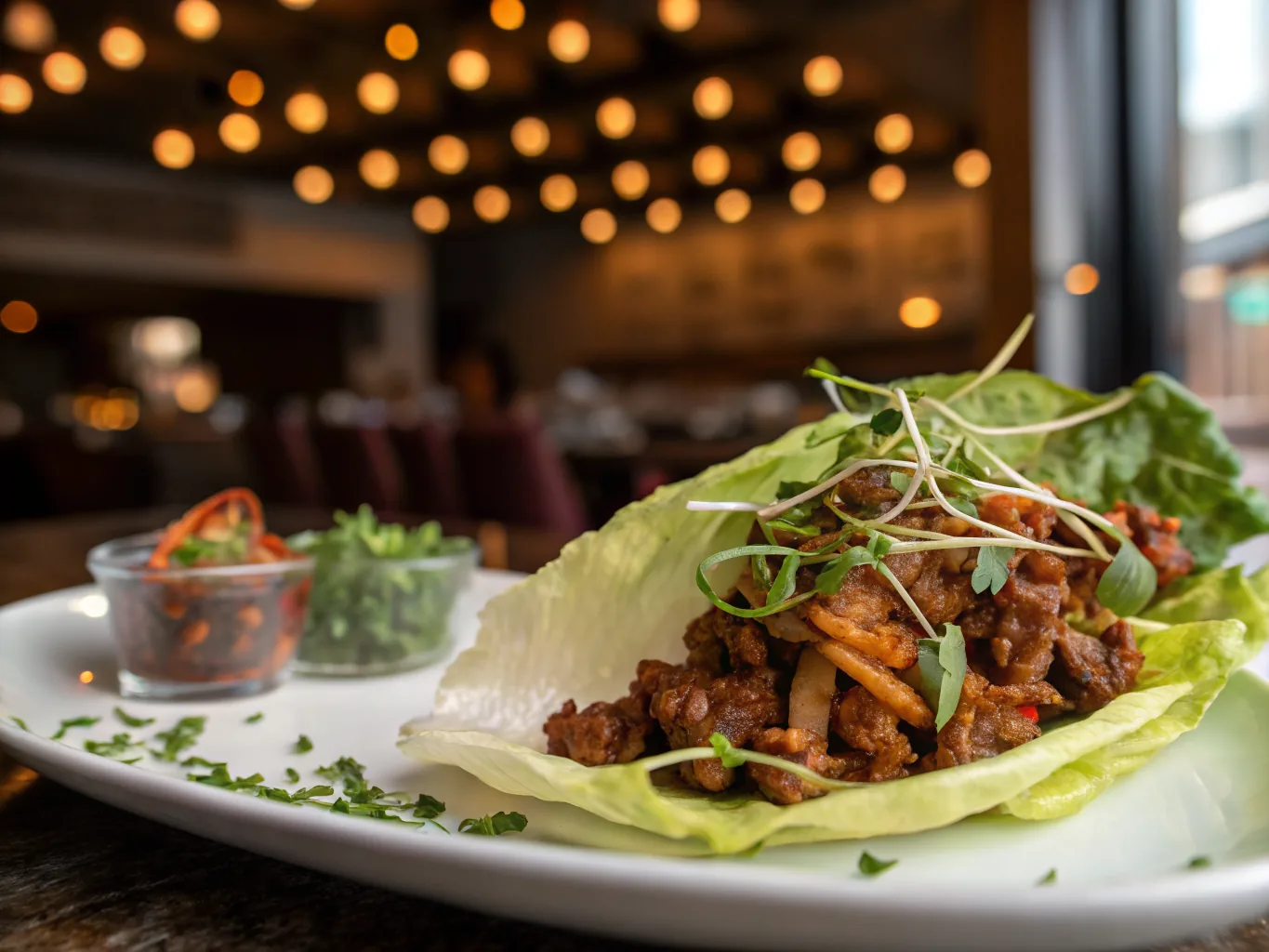
Korean Spicy Pork Bulgogi Lettuce Wraps
Imagine sizzling slices of pork shoulder caramelized in a fiery gochujang glaze, kissed with soy, garlic, and a whisper of sesame. That's the heart of this Korean classic—but we're taking it to the table in the most interactive, joyful way: lettuce wraps. You get to build each bite yourself, piling the spicy, tender pork onto crisp cups of red leaf lettuce, then adding whatever strikes your fancy—a dab of ssamjang, a slice of raw garlic, a strand of kimchi. The contrast is everything: the cool, crunchy lettuce against the warm, sticky pork, the heat of the chili balanced by the brightness of green onion. This dish comes straight from the Korean barbecue tradition, where the grill is a gathering place and every wrap is a little treasure. You'll feel the energy of a Seoul night market right in your kitchen, and the best part? It comes together in under 30 minutes, so you can eat with your hands and your heart full.
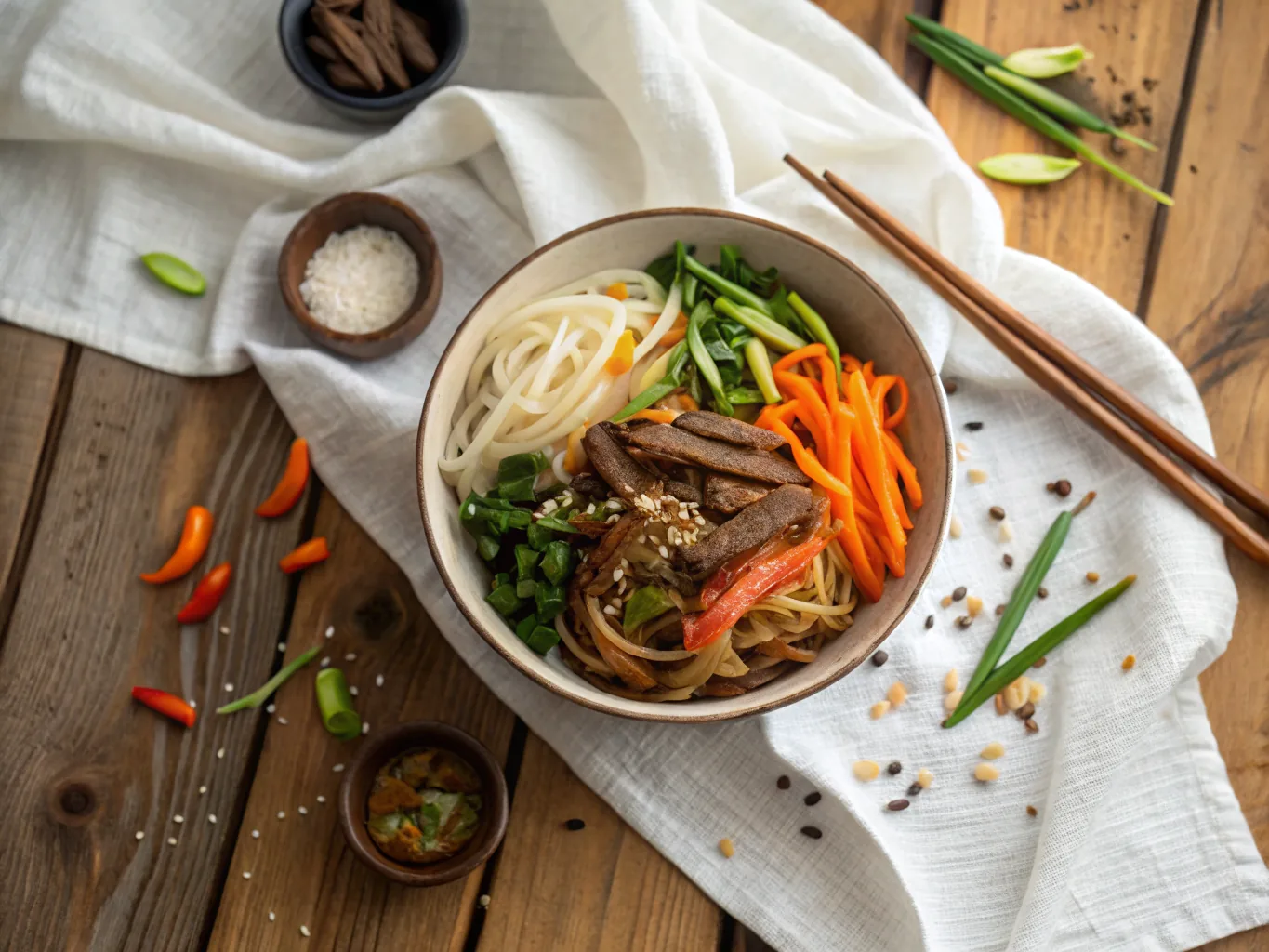
Kimchi Bulgogi Japchae Bowl
Imagine tender, soy-marinated beef bulgogi sizzling next to sweet potato glass noodles tangled with vibrant vegetables, all crowned with a fiery kick of aged kimchi. This bowl is a love letter to Korean home cooking—you get the smoky, caramelized beef, the chewy, sesame-kissed japchae, and the tangy, spicy depth of kimchi jjigae’s soul, all in one satisfying meal. Each forkful brings a contrast of textures: soft, crunchy, silky. The secret is in the marinade—a blend of pear, garlic, and soy that tenderizes the beef until it melts. Top it with a golden fried egg and a sprinkle of toasted sesame, and you’ve got a harmonious, colorful bowl that feels both familiar and exciting. Perfect for a weeknight when you crave something deeply comforting yet vibrant.
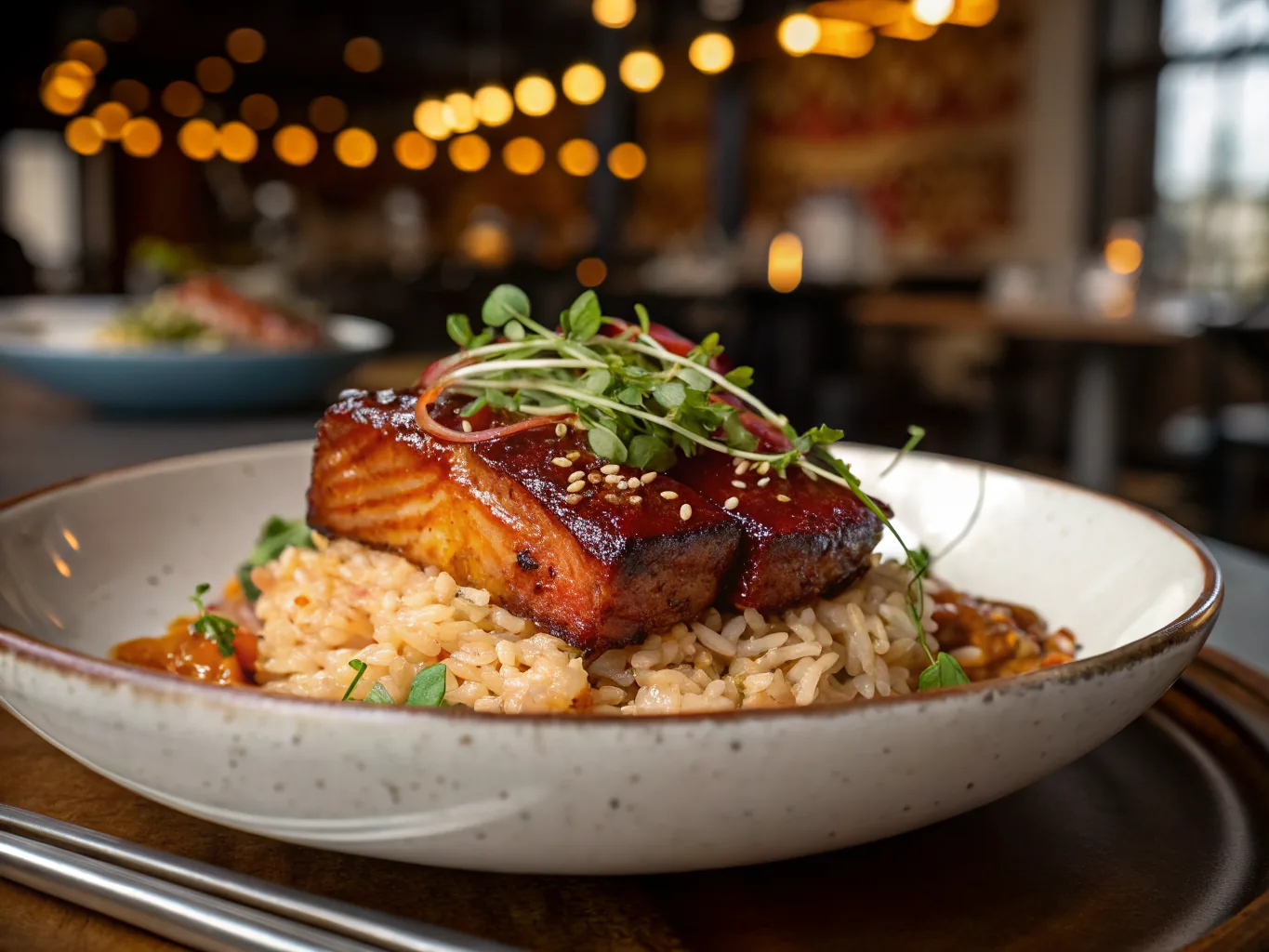
Gochujang Glazed Pork Belly with Sesame Kimchi Rice
Imagine the sizzle of perfectly caramelized pork belly, its fat rendered to a crisp, golden edge, all while a sticky, fiery-sweet glaze of gochujang, honey, and garlic bubbles and clings to every slice. This isn't just a meal; it's a journey into the heart of Korean home cooking. You'll nestle this glorious pork over a bed of nutty, sesame-kissed rice, punctuated by the tangy, spicy crunch of quick-stir-fried kimchi. A sprinkle of toasted sesame seeds and a shower of green onions add the final, fragrant touch. Each bite is a symphony of textures and temperatures—warm rice, sizzling meat, and a cool, crisp garnish—that will transport you straight to a bustling Seoul market. It's bold, comforting, and deeply satisfying, promising a weeknight adventure that feels both effortless and extraordinary.

Gochujang Glazed Bulgogi with Kimchi Fried Rice
This dish is my love letter to the bold, soulful flavors of Korean home cooking. Imagine thin, tender slices of beef marinated in a sweet-savory gochujang glaze, caramelized to perfection in a hot skillet. The beef is served over a bed of crisp, tangy kimchi fried rice, studded with bits of pork belly and topped with a perfectly fried egg. With every bite, you get the deep umami of fermented kimchi, the gentle heat of gochujang, and the comforting richness of a runny yolk. It's a meal that feels like a warm hug after a long day—authentic, satisfying, and utterly unforgettable.
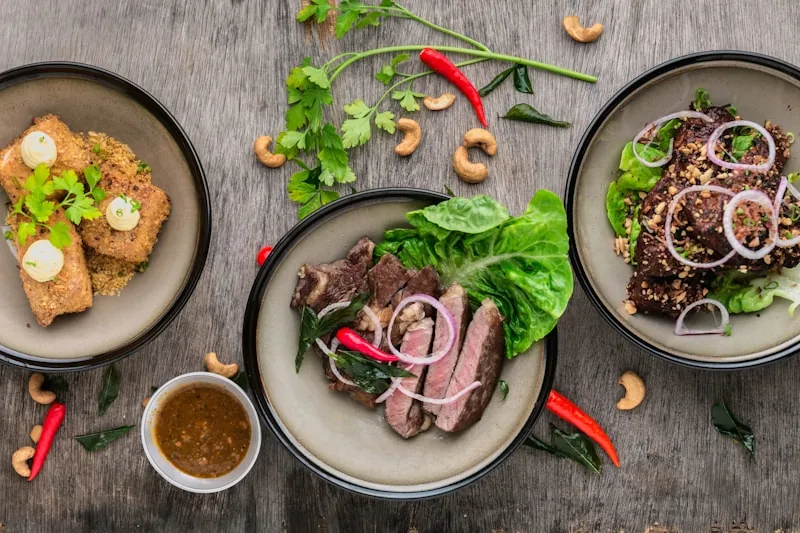
Gochujang Glazed Bulgogi with Kimchi Fried Rice and Sesame Egg
Imagine tender, thinly sliced beef sizzling in a sweet and spicy gochujang glaze, its edges caramelizing to a perfect char. The deep, funky warmth of fermented Korean chili paste mingles with soy, garlic, and a touch of honey, creating a sticky, umami-rich coating that clings to every morsel. You serve it over a bed of kimchi fried rice — each grain kissed by the tangy, fiery red of well-aged baechu kimchi and fragrant sesame oil. A crispy-edged fried egg with a runny golden yolk crowns the dish, threaded with toasted sesame seeds and scallions. This recipe draws from the soul of Korean home cooking: bold contrasts, fermented depth, and that irresistible balance of heat, sweet, and savoriness that keeps you coming back spoonful after spoonful. It’s a comforting, spicy, and utterly satisfying meal that feels like a warm hug from a Korean grandmother.
Spicy Pork Bulgogi with Kimchi Fried Rice
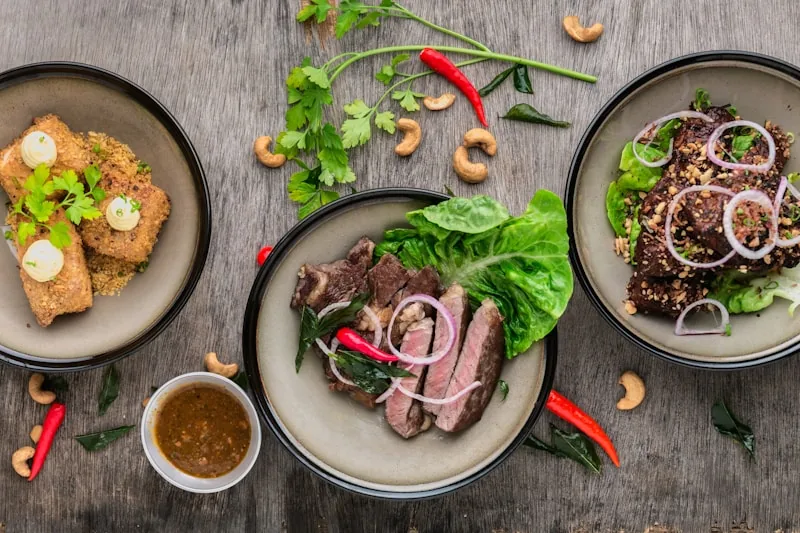
Imagine tender slices of pork shoulder bathed in a fiery, sweet, and savory gochujang marinade, seared until caramelized and smoky. Nestled alongside is a bowl of perfectly seasoned kimchi fried rice, each grain glistening with sesame oil and studded with crunchy vegetables. This dish is my love letter to late-night Korean home cooking—the kind you make when you're craving comfort and heat in equal measure. You'll find the pork so juicy it practically melts, while the rice offers a tangy, slightly sour counterpoint that keeps every bite exciting. It's a complete meal in one skillet, born from the bustling streets of Seoul and perfected in my own kitchen. Serve it with a simple side of pickled radish or a crisp green salad, and you'll understand why this has become a family favorite.
Kimchi and Pork Belly Ssam (Lettuce Wraps)
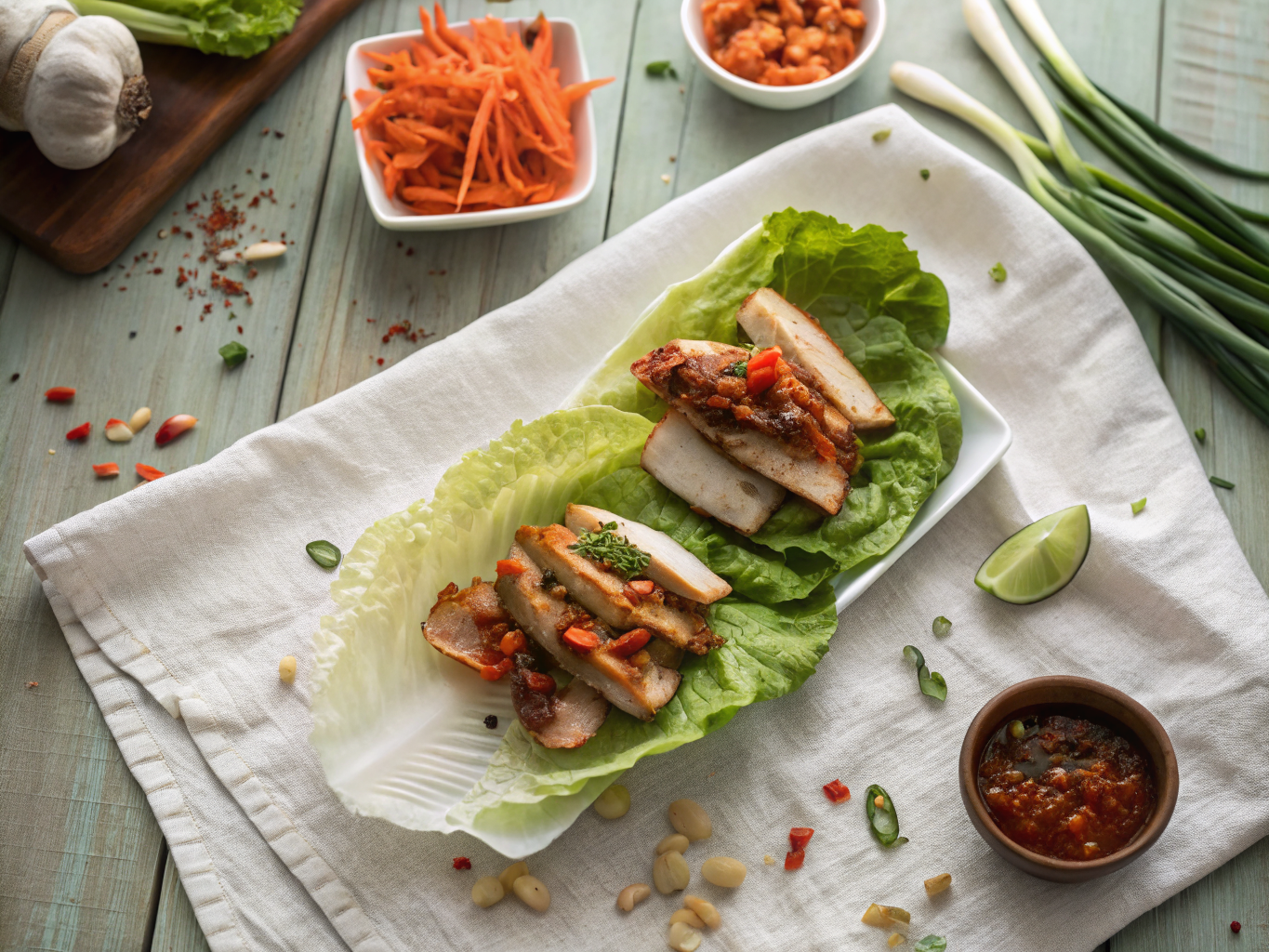
Imagine tender, slow-braised pork belly, its fat melting into a savory-sweet soy glaze, nestled in a crisp lettuce leaf alongside a punchy spoonful of tangy, fermented kimchi. This is ssam, a treasured Korean way of eating that turns every meal into a hands-on, celebratory affair. You get to build each bite yourself—wrapping the rich meat with garlicky ssamjang (a spicy dipping paste), perhaps a sliver of fresh chili, and a dab of sesame oil. The contrast between the warm pork, cool lettuce, and fiery kimchi is absolutely addictive. It's messy, interactive, and utterly satisfying, a dish meant for laughter and shared plates around a busy table. Whether you're a seasoned Korean cook or trying this for the first time, you'll find pure joy in the assembly.
Gochujang-Glazed Beef and Kimchi Rice Bowl
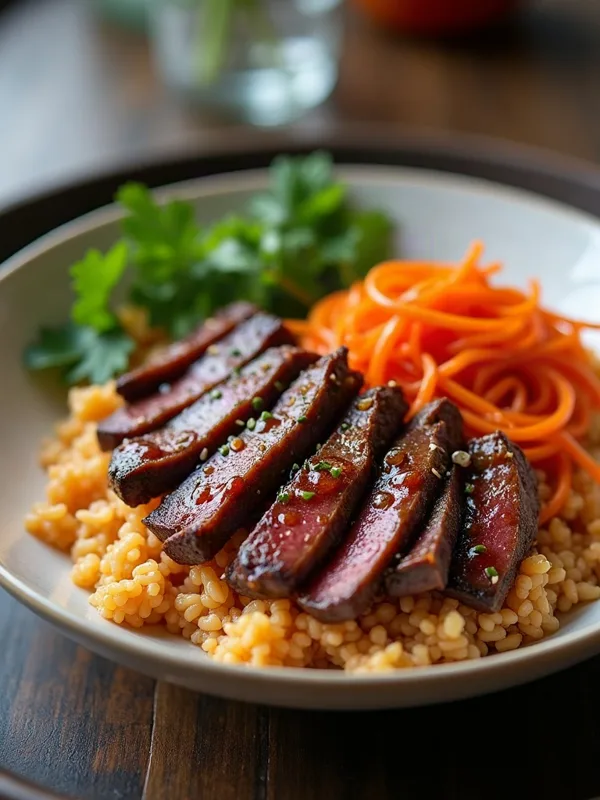
Imagine tender slices of beef, caramelized in a glossy, spicy-sweet gochujang glaze, resting atop a steaming bed of fluffy white rice. Beside it, a quick sauté of aged kimchi brings its signature tang and a gentle crunch, while a soft-cooked egg, with its molten golden yolk, waits to be broken and stirred into the mix. This is a bowl of pure comfort, inspired by the soulful flavors of Korean home cooking. You get the deep, fermented punch of kimchi, the savory richness of perfectly seared beef, and the gentle heat of gochujang that lingers just long enough to make you want another bite. It's a complete, satisfying meal that comes together faster than you'd think, perfect for a weeknight dinner that feels like a special occasion.
Kimchi Bulgogi Japchae Stir-Fry
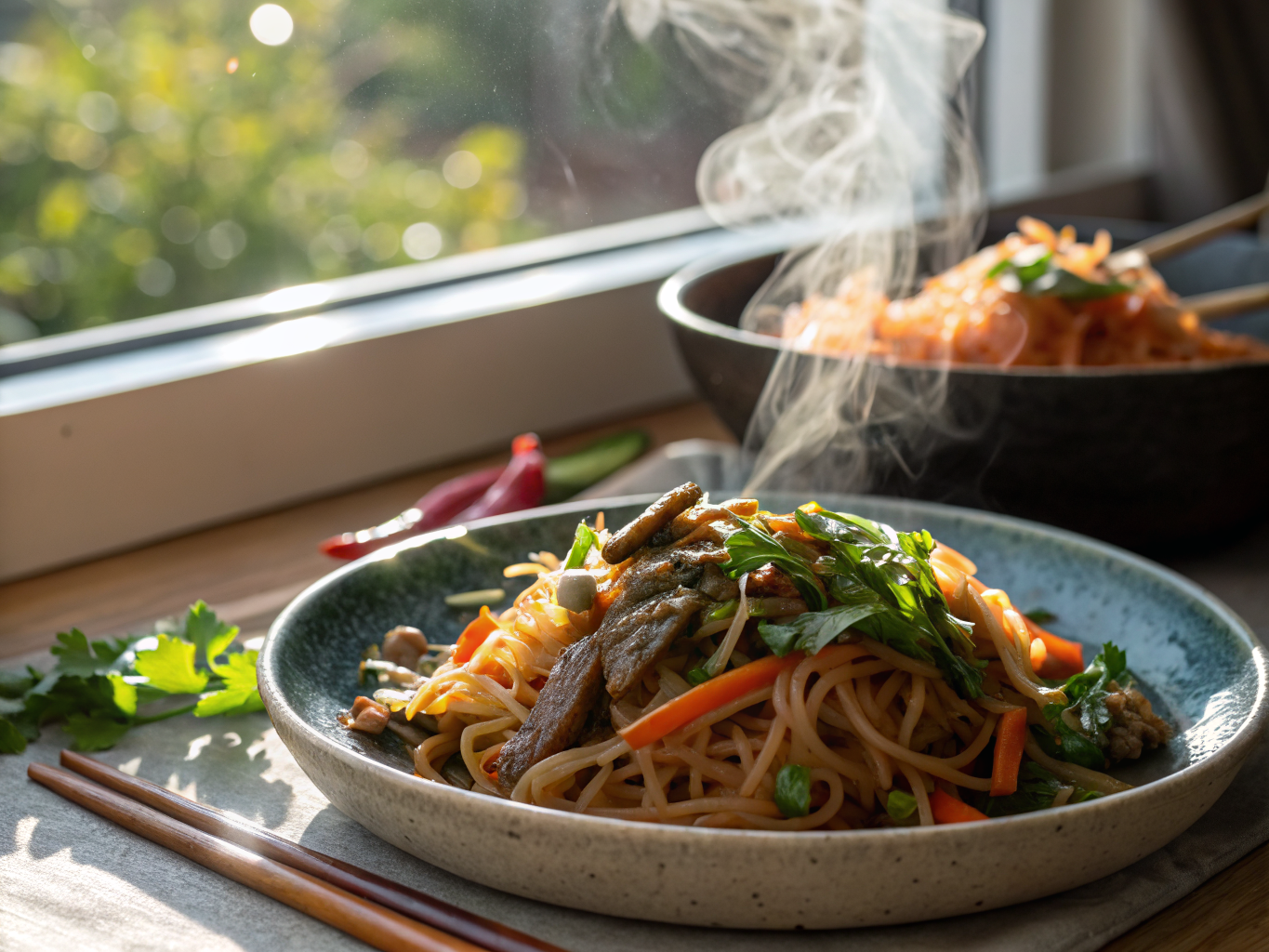
This dish is my love letter to Korean home cooking—a hearty, one-pan stir-fry that brings together the deep, savory notes of bulgogi, the tangy fire of aged kimchi, and the satisfying chew of sweet potato glass noodles. You'll taste the caramelized soy-garlic marinade clinging to tender slices of beef, while the kimchi adds a bright, fermented punch that cuts through the richness. Every bite offers a dance of textures: slippery noodles, juicy meat, and wilted scallions. It’s the kind of meal you make on a busy weeknight when you crave something deeply comforting yet vibrant, a taste of Seoul in your own kitchen.
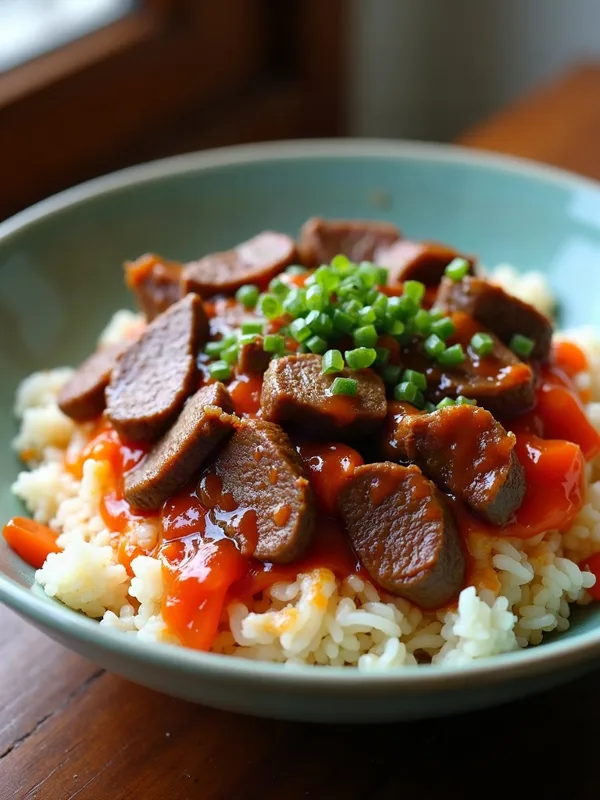
Gochujang-Glazed Beef & Kimchi Rice Bowl
Imagine tender strips of beef caramelized in a sweet-spicy gochujang glaze, nestled atop a bed of steamed rice, and crowned with a tangle of fiery kimchi and a golden fried egg. This bowl is a symphony of Korean comfort—each spoonful brings you the deep umami of fermented chili, the subtle crunch of fresh vegetables, and the comforting warmth of rice. It’s the kind of meal that feels both indulgent and nourishing, perfect for a weeknight when you crave something bold yet familiar. You’ll love how the runny yolk mingles with the glossy sauce, creating a silky texture that clings to every grain. Let this dish transport you to the bustling streets of Seoul, with all the cozy vibes of home.
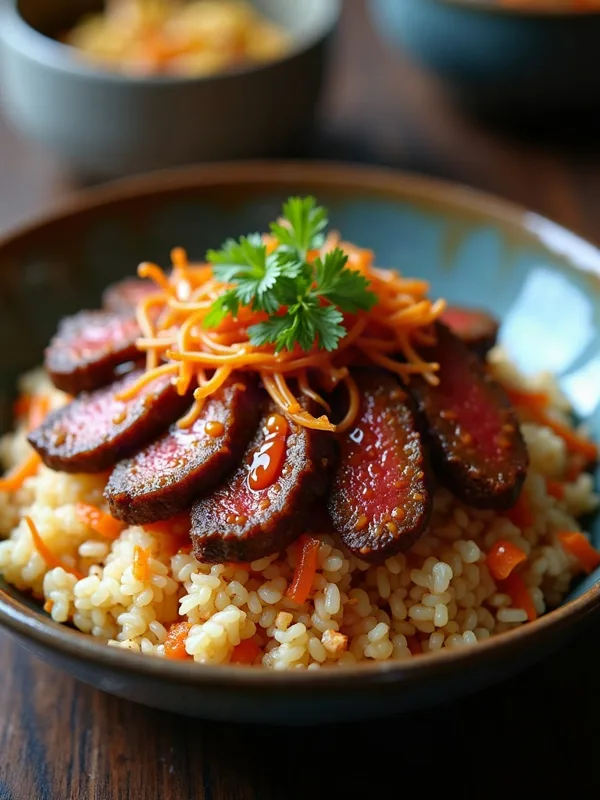
Kimchi Bulgogi Rice Bowl with Gochujang Glaze
Imagine tender, caramelized beef bulgogi mingling with the tangy, fiery kick of aged kimchi, all nestled on a bed of steaming rice. This isn't just a bowl; it's a journey through Korean flavors—sweet, savory, spicy, and umami-rich. You'll love how the gochujang glaze caramelizes into a glossy, sticky coating that clings to every slice of beef. The bright, crunchy vegetables add freshness, while a soft fried egg brings it all together with its rich yolk. It's a weeknight dinner that feels special, a bowl that comforts and excites. Trust me, this is the kind of meal that makes you close your eyes and savor each bite.
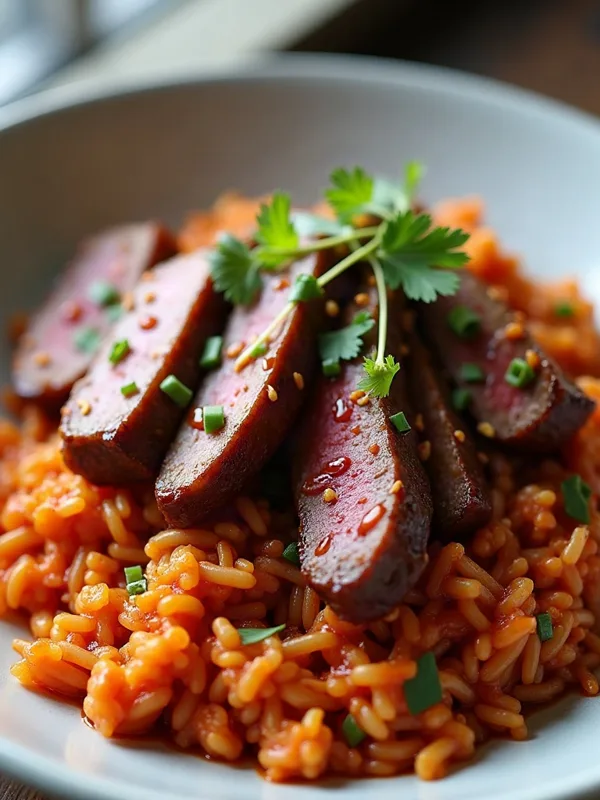
Gochujang Glazed Bulgogi with Kimchi Fried Rice
Imagine tender, caramelized slices of beef bulgogi, kissed by sweet and spicy gochujang, sitting atop a bed of tangy, smoky kimchi fried rice. This is my love letter to Korean comfort food—a dish that brings together the best of a barbecue night and a cozy home-cooked meal. You'll sear the marinated beef until it's beautifully charred, then let the glossy glaze cling to every bite. The rice, studded with crisp vegetables and fiery kimchi, absorbs all those incredible flavors, creating a perfect harmony. It's a vibrant, satisfying bowl that feels both familiar and exciting, ready to become your new weeknight favorite.
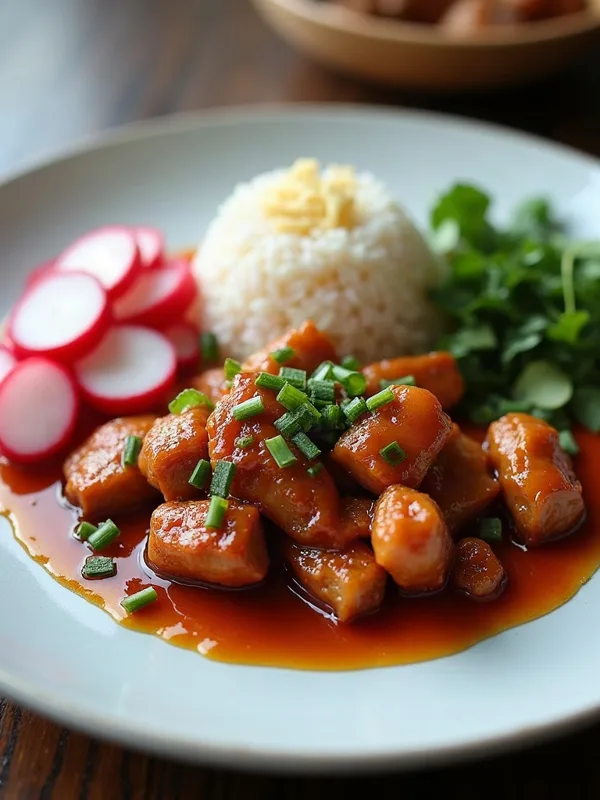
Gochujang-Glazed Chicken Bulgogi with Pickled Radish and Sesame Rice
Imagine tender chicken thighs caramelized in a sticky, sweet-heat glaze of gochujang, soy, and pear, sizzling on a hot skillet. That’s the heart of this Korean-inspired bowl. You’ll love how the fiery glaze clings to every bite, balanced by the cool crunch of quick-pickled radish and the nutty aroma of sesame oil-kissed rice. I developed this recipe one busy weeknight, craving the depth of Korean barbecue without the fuss. The magic happens in the marinade—Korean pear or apple tenderizes the meat naturally, while ginger and garlic add zing. Serve it over steaming rice with a heap of spicy kimchi on the side. It’s comfort, but with a kick that keeps you coming back for more.