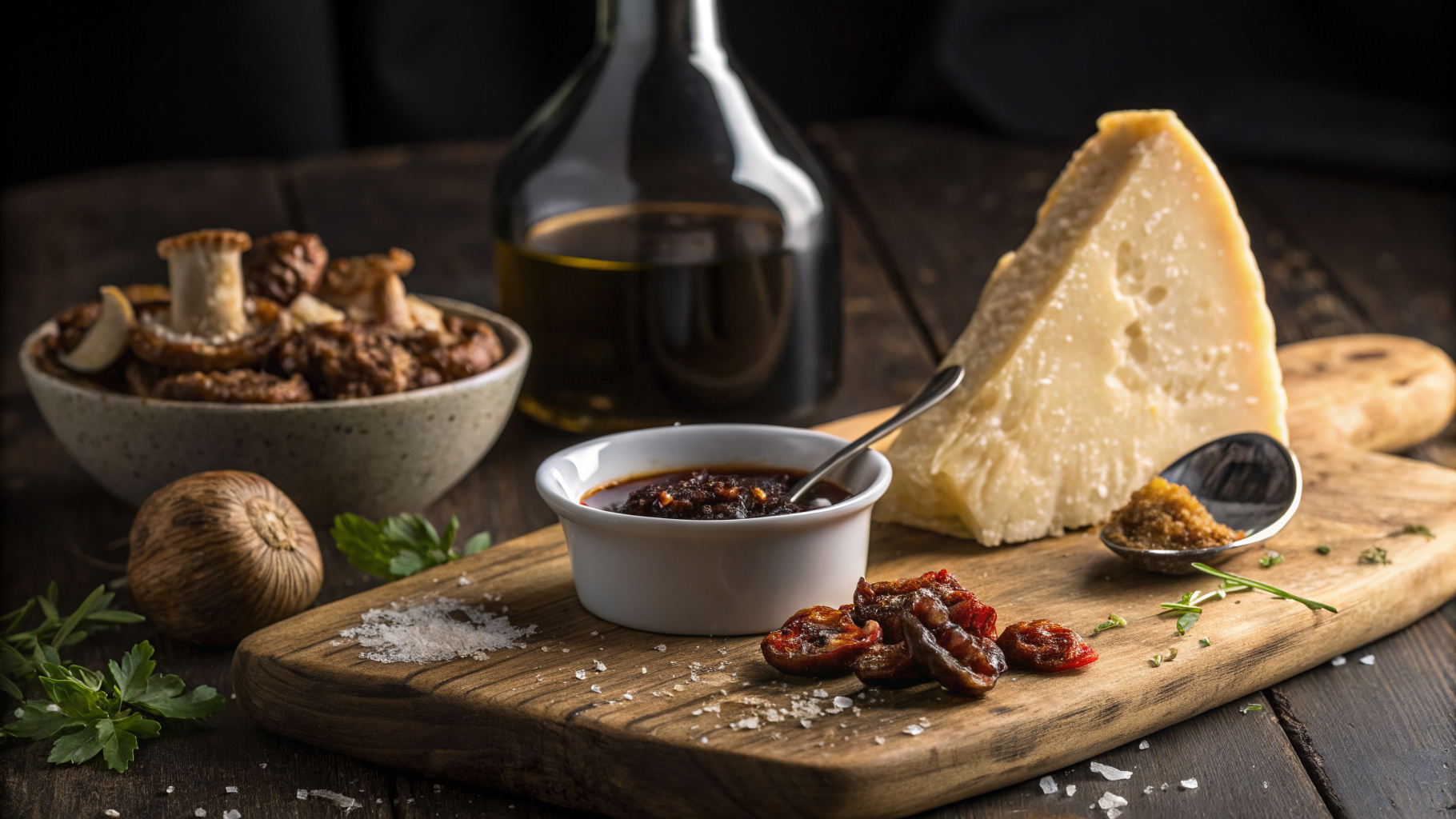
Imagine a broth so deeply savory that it lingers on your tongue, a sauce that makes vegetables taste like meat, or a cheese that feels almost addictive. That elusive, mouth-filling savoriness is umami—the fifth taste, discovered over a century ago by Japanese chemist Kikunae Ikeda. Yet for decades, Western kitchens treated it as a secret only accessible through MSG or specialty ingredients. The truth is, umami is all around us, hiding in ripe tomatoes, aged Parmesan, cured meats, and even seaweed. In this article, we'll demystify umami: what it is, how it works on a biological level, and—most importantly—how you can wield it like a pro to elevate your everyday cooking. You'll learn the exact techniques chefs use to build layers of savory depth, how to avoid common pitfalls that mute flavor, and why understanding umami might be the single most impactful skill you can bring to your kitchen. By the end, you won't just cook—you'll compose flavor.
What Is Umami, Really? The Biology Behind the Flavor
Umami is detected by specific receptors on your tongue that respond to glutamate, an amino acid abundant in protein-rich foods. But it doesn't act alone. When glutamate teams up with ribonucleotides—compounds like inosinate (found in meat and fish) and guanylate (found in mushrooms)—the perceived umami intensity can increase up to eightfold. This synergy is why a kombu-and-bonito dashi tastes so much more savory than either ingredient alone. Chef Kenji López-Alt famously demonstrated this by adding a dash of fish sauce to a beef stew, transforming a flat broth into a complex, craveable liquid. The science is simple: you don't need a single umami bomb; you need a chorus. Understanding this principle lets you diagnose blandness: if a dish tastes flat, it's likely missing either glutamates or nucleotides. A splash of soy sauce (glutamates) and a sprinkle of dried mushroom powder (nucleotides) can instantly fix it.
The Golden Rule of Umami Layering: Build from the Ground Up
The most common mistake home cooks make is adding umami all at once—say, dumping a heap of Parmesan into a sauce at the end. Instead, professional chefs build umami in stages. Start with a base of sautéed aromatics (onions, garlic) that provide mild glutamates. Then introduce a primary umami source like tomato paste or miso, cooking it until it darkens and deepens. Midway, add a secondary source such as soy sauce or fish sauce, which brings salinity and complexity. Finally, finish with a tertiary element like aged cheese, nutritional yeast, or a splash of Worcestershire sauce. Each layer interacts with the previous, creating a cascade of savory notes that linger rather than hit all at once. For example, in a classic Bolognese, the slow-cooked milk (which contains glutamate-rich casein) marries with the tomato and wine, building a richness that no single ingredient could achieve alone. Timing matters: add delicate umami sources (like fresh mushrooms) early to allow their water to evaporate and concentrate flavor, but add potent ones (like anchovy paste) late to preserve their brightness.
A Brief History of Umami: From Japanese Soup to Global Obsession
Umami's story begins in 1908, when Dr. Ikeda extracted glutamate from kombu seaweed and identified it as the source of a delicious broth called dashi. He named it umami, from the Japanese umai (delicious) and mi (essence). His discovery led to the commercial production of MSG, which became a staple in Japanese kitchens but faced a backlash in the West due to unfounded fears about Chinese Restaurant Syndrome. In reality, umami is not only natural but essential. Traditional cuisines worldwide have long exploited it: Romans used garum (fermented fish sauce), Italians aged Parmigiano-Reggiano for years to concentrate glutamates, and Southeast Asians rely on shrimp paste and soy sauce. The modern umami renaissance began in the 2000s, when chefs like Heston Blumenthal and David Chang championed ingredients like kombu, bonito, and miso outside of Asia. Today, umami is celebrated as a tool for reducing sodium (by enhancing savory perception) and creating satisfying plant-based dishes—a culinary bridge between tradition and innovation.
Pro Tip: The Mushroom Trick for Instant Umami Boost
Most cooks sauté mushrooms until they release water, but they stop too soon. For maximum umami, cook sliced shiitake or cremini mushrooms over medium-high heat without moving them for 3–4 minutes until deeply browned on one side. Then flip and repeat. This browning, driven by the Maillard reaction, converts amino acids and sugars into hundreds of flavor compounds, amplifying the mushrooms' natural glutamate content. But here's the secret: deglaze the pan with a splash of soy sauce or dry sherry when they're done. The liquid picks up the browned bits (fond), which are packed with umami, and creates a glaze that coats the mushrooms. Use these in any dish from stir-fries to pastas. For an even bigger punch, dry your own mushroom powder: grind dried shiitake in a spice grinder and add a teaspoon to soups, stews, or rubs. This powder contains both glutamates and guanylate, giving you the synergistic double hit that makes umami sing.
Umami in the Age of Plant-Based Cooking: A Natural Flavor Ally
As more people reduce meat consumption, umami has become a plant-based cook's best friend. Without the natural glutamates found in meat, vegetables can fall flat. But ingredients like nutritional yeast (deactivated yeast), miso, tamari, and sun-dried tomatoes are umami powerhouses. Nutritional yeast, for instance, contains about 4 grams of glutamate per 100 grams—rivaling Parmesan. In a vegan mushroom stroganoff, a tablespoon of miso stirred in at the end adds depth that mimics beef broth. The key is to not be shy: many plant-based recipes under-season because they fear bitterness, but umami-rich ingredients are often naturally low in bitterness. Even roasted vegetables benefit: toss cauliflower with a little soy sauce and olive oil before roasting—the soy caramelizes, adding a savory crust. Umami is also a sodium reducer: a study in the Journal of Food Science found that adding umami-rich ingredients allowed cooks to reduce salt by up to 30% without sacrificing taste. For health-conscious cooks, umami isn't just flavor—it's a tool for better eating.
Frequently Asked Questions
Q: Can I get umami from vegetables without adding soy or fish sauce? A: Yes. Roasting vegetables like tomatoes, mushrooms, and eggplant concentrates their natural glutamates. A pinch of dried mushroom powder or a splash of tamari (gluten-free soy sauce) also works without fish. Q: What's the difference between MSG and natural umami? A: MSG is pure monosodium glutamate, a salt form of glutamic acid. It provides a clean umami boost but lacks the complexity of whole foods, which contain additional flavor compounds. Both are safe; use MSG sparingly for a quick lift. Q: Why does my umami dish taste bitter? A: Bitterness often comes from burnt glutamates. If you cook umami-rich ingredients (like miso or tomato paste) over high heat too long, they can scorch. Add them mid-cook and stir frequently, or incorporate them near the end for gentle heat.
Key Takeaways
Understanding umami transforms cooking from following recipes to composing flavor. Start by recognizing that umami comes from glutamate-rich foods like aged cheeses, cured meats, tomatoes, and mushrooms, and that it multiplies when combined with nucleotides from fish, meat, or dried fungi. Build flavor in layers, adding one umami source at a time and allowing each to develop through browning or reduction. Avoid the trap of adding all savory elements at once; instead, introduce them at different stages to create complexity. Use umami strategically to reduce salt and enhance satisfaction, especially in plant-based dishes. Finally, don't fear umami—embrace it as a natural, essential taste that has been celebrated across cultures for centuries. With these principles, every dish you make will be deeper, richer, and more memorable.
Try these recipes on DishIndex
Explore umami bowl recipes and more