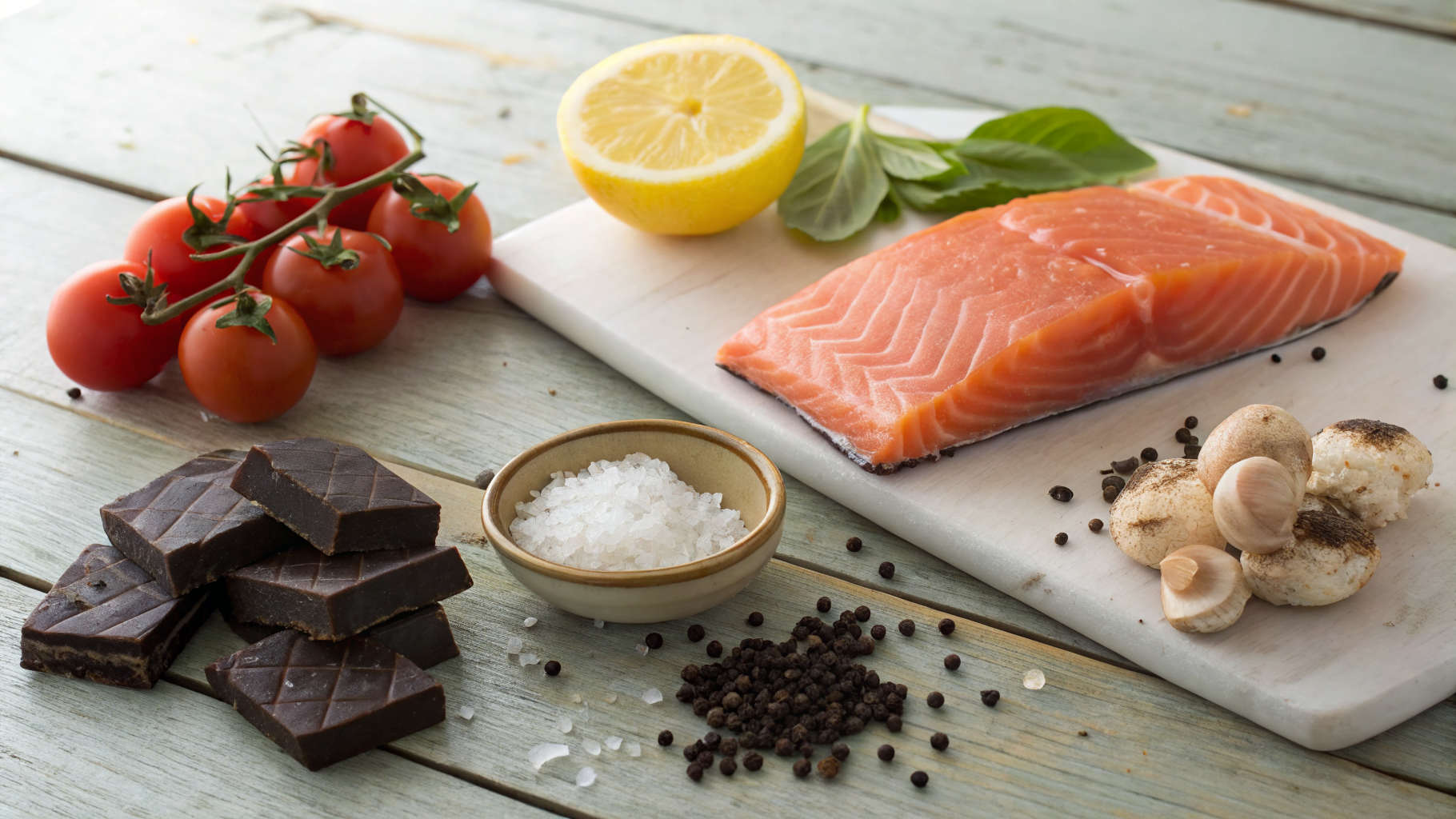
Imagine biting into a ripe strawberry sprinkled with black pepper. The sweetness bursts, then the heat lingers—a surprising harmony. Or consider the classic pairing of chocolate and sea salt, where salt amplifies cocoa's depth. These aren't random successes; they are grounded in science. The art of ingredient matching relies on chemistry, biology, and centuries of culinary intuition. At DishIndex, we believe understanding why flavors work together transforms cooking from guesswork into precision. In this article, we'll decode the principles of flavor pairing, from molecular affinities to textural contrasts, and share expert techniques to help you create unforgettable dishes. Whether you're a home cook or an aspiring chef, you'll learn how to avoid common pitfalls and unlock the full potential of your ingredients.
The Chemistry of Flavor: Volatile Compounds
Flavor is largely a chemical conversation. Ingredients that share key volatile compounds often taste good together. For instance, strawberries and black pepper both contain a compound called rotundone, which creates a peppery note. Similarly, chocolate and blue cheese share over 60 flavor compounds, including ethyl vanillin. This concept, known as flavor pairing theory, has been popularized by chefs like Heston Blumenthal. Research shows that foods with overlapping compounds are more likely to be compatible. However, it's not just about similarity—contrasting compounds also create balance. Acidic ingredients, like lemon juice, can cut through fat, while bitterness counteracts sweetness. The key is to identify the primary flavor molecules in your ingredients and build layers that complement or contrast intentionally.
Texture and Temperature: The Hidden Dimensions
Flavor isn't just about taste buds; texture and temperature play crucial roles. A dish that's all soft can feel monotonous, but adding a crunchy element, like toasted nuts on a creamy soup, creates dynamic interest. This is called contrast theory. Similarly, temperature affects perception: cold suppresses sweetness, while warmth enhances it. For example, a cold tomato soup tastes less sweet than a hot one. Chefs exploit this by serving cold gazpacho with a drizzle of hot chili oil, creating a dual sensory experience. Another often-overlooked factor is mouthfeel. Fats coat the tongue, prolonging flavor release, while acids cause a tingling sensation. By balancing these elements—creamy with crisp, hot with cold, fatty with acidic—you can elevate even simple ingredients into memorable dishes.
A Brief History of Flavor Pairing: From Tradition to Science
Long before chemists analyzed molecules, cooks in India paired turmeric with black pepper—a combination now known to boost curcumin absorption. In Japan, sake and soy sauce balance umami and salt. These traditional pairings arose through trial and error over centuries. The modern systematic study began in the 1990s when chefs like Ferran Adrià and scientists like Peter Barham started mapping flavor compounds. They discovered that many classic combinations—like lamb and mint, or tomato and basil—share key aromatics. Yet, science also challenges dogma: for instance, strawberries and coriander share no significant compounds, yet some enjoy the pairing. Tradition and science together offer a richer understanding: respect ancestral wisdom, but don't be afraid to experiment. The best pairings often emerge from a blend of cultural knowledge and chemical insight.
Pro Tip: The Five-Second Rule for Balancing Acidity
One of the simplest ways to improve any dish is to adjust acidity, but many home cooks overdo it. Here's a chef-level trick: after seasoning, dip a clean spoon into the dish and taste it. If the flavor feels flat, add a squeeze of lemon or a dash of vinegar—but only one drop at a time. Wait five seconds, then taste again. This pause allows your palate to adjust and prevents over-acidifying. The goal is to brighten without making the dish puckering. For example, in a tomato sauce, a single teaspoon of red wine vinegar can heighten the fruitiness without dominating. Use this technique for soups, stews, and sauces. It's a small step that makes a big difference, ensuring balanced flavors every time.
Modern Trends: Umami and the Fifth Taste
Umami, the savory taste discovered by Kikunae Ikeda in 1908, has revolutionized ingredient pairing. It's found in glutamate-rich foods like mushrooms, tomatoes, Parmesan, and soy sauce. Combining umami sources creates synergy: for instance, mushrooms and soy sauce boost each other's savory depth. This is why a simple miso soup tastes so complex. Current food science research focuses on how umami interacts with salt, allowing for reduced sodium without sacrificing flavor. Chefs now use umami bombs—like anchovy paste or nutritional yeast—to add richness to plant-based dishes. Understanding umami helps you build deeper, more satisfying flavors. Next time you cook, try adding a splash of fish sauce to a stew or a sprinkle of nori flakes to a salad; you'll notice an immediate, savory lift.
Frequently Asked Questions
Q: How can I tell if two ingredients will pair well without tasting? A: Look for shared flavor compounds or complementary profiles—sweet with sour, fatty with acidic. Use online flavor pairing databases or rely on classic combinations like lemon and fish. Q: What's the most common mistake in ingredient matching? A: Overcomplicating. Many home cooks add too many competing flavors. Stick to one or two strong pairings per dish. For instance, pair strawberries with balsamic vinegar, not with five other fruits. Q: Can I substitute an ingredient in a recipe without ruining the balance? A: Yes, if you consider the role: replace sweet with sweet, sour with sour. For example, substitute lime for lemon, or maple syrup for honey. Taste and adjust gradually.
Key Takeaways
Ingredient matching is both an art and a science. Start by considering the volatile compounds that flavors share—pair strawberries with black pepper, or chocolate with blue cheese. Remember that texture and temperature are just as important as taste: contrast creamy with crunchy, hot with cold. Learn from tradition: classic pairings like turmeric and black pepper have stood the test of time for good reason. Use acidity sparingly and taste as you go, always waiting a few seconds between adjustments. Embrace umami as a foundation for depth. Finally, keep it simple—focus on two or three ingredients that truly sing together. With these principles, you'll cook with confidence and creativity, turning every meal into a delicious discovery.
Try these recipes on DishIndex
Explore flavor pairing recipes recipes and more