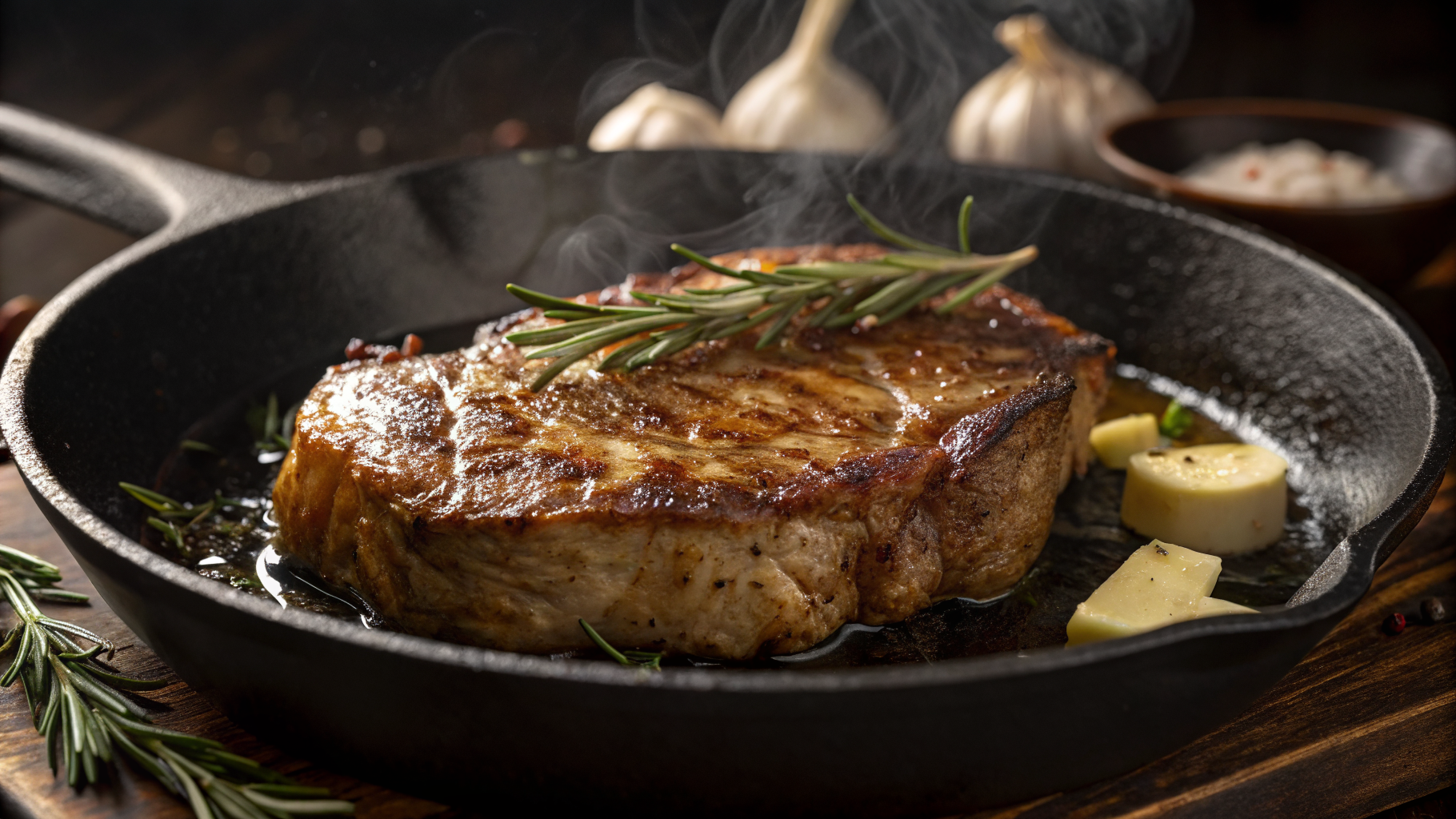
Imagine the crackling sound as a steak hits a hot skillet, the aroma that fills your kitchen, the deep mahogany crust that promises savory richness. That transformation — from pale and raw to golden and complex — is not just cooking; it's chemistry in action. Every home cook has experienced the disappointment of gray, steamed meat or pale, soggy bread. Yet, mastering browning is the single most impactful skill you can develop. It's the difference between a good meal and a transcendent one. In this article, we'll explore the Maillard reaction, the chemical cascade that turns sugars and amino acids into hundreds of flavor compounds. You'll learn not just what it is, but how to control it: the precise temperatures, the importance of surface moisture, and the tricks chefs use to achieve deep, even browning without burning. Whether you're searing a steak, roasting vegetables, or baking bread, these insights will transform your cooking.
The Science of Sizzle: How the Maillard Reaction Works
Named after French chemist Louis-Camille Maillard, who first described it in 1912, the Maillard reaction is a non-enzymatic browning process that occurs between amino acids and reducing sugars at temperatures above 285°F (140°C). Unlike caramelization, which involves only sugars at higher temperatures (around 320°F), the Maillard reaction creates a vast array of flavor compounds — over 600 have been identified in cooked meat alone. This reaction is responsible for the rich, savory notes in seared steak, roasted coffee, toasted bread, and fried onions. For optimal results, the cooking surface must be hot enough to drive off moisture rapidly, allowing the surface temperature to climb. A common mistake is overcrowding the pan, which lowers the temperature and leads to steaming rather than browning. Patience is key: let the food develop a crust before flipping.
The Ideal Environment: Dry Surfaces and High Heat
The Maillard reaction requires a dry surface. Water boils at 212°F, well below the reaction's activation threshold. So any moisture on the food's surface must evaporate before browning can begin. Chefs pat proteins dry with paper towels and leave them uncovered in the refrigerator for several hours to air-dry. For vegetables, cutting them into uniform pieces and spreading them in a single layer on a hot, oiled pan ensures even contact. Another critical factor is pH: a slightly alkaline environment accelerates browning. A pinch of baking soda can raise the pH of onions or other foods, speeding up the reaction — but use it sparingly, as too much can create a soapy taste. Understanding these variables empowers you to control the outcome. Avoid the temptation to move the food too early; let it release naturally from the pan when a proper crust has formed.
A Brief History: From French Kitchens to Global Tables
While the Maillard reaction is a 20th-century discovery, its principles have been applied for millennia. Ancient Egyptians baked bread in clay ovens, achieving crusty loaves through high heat. French chefs in the 18th century perfected the art of searing meats over open flames, unknowingly harnessing this reaction. In East Asian cuisines, wok hei — the smoky, charred flavor from stir-frying over intense heat — relies on Maillard browning combined with caramelization. The reaction's cultural significance extends to how we perceive quality: a golden-brown crust signals safety, nutrition, and flavor. Today, understanding the science behind these traditions allows home cooks to replicate the results of professional kitchens, bridging the gap between art and technique.
Pro Tip: Use the Fond for Maximum Flavor
After searing meat, the browned bits stuck to the pan — called fond — are pure Maillard gold. Many home cooks discard this treasure, but chefs turn it into a flavorful sauce base. Deglaze the pan with a liquid like wine, stock, or even water, scraping up the fond as the liquid simmers. This incorporates those complex flavor compounds into your sauce. For best results, use a stainless steel or cast iron pan; nonstick surfaces don't develop fond as well. If your fond is burning, your heat is too high — reduce it slightly. Another pro trick: after searing, add aromatics like garlic, shallots, or herbs to the pan before deglazing. They'll absorb and enhance the browned flavors, creating a sauce that elevates any dish.
The Maillard Reaction in Modern Cooking: Trends and Techniques
Today's culinary trends emphasize depth of flavor with minimal ingredients, making the Maillard reaction more relevant than ever. Sous-vide cooking, for example, allows precise doneness before a final high-heat sear, maximizing browning without overcooking. Plant-based cooking also benefits: mushrooms, cauliflower, and even tofu develop savory umami when properly browned. Nutritional research highlights that browning can create compounds like acrylamide, but moderate consumption is not a concern for most people. The focus remains on technique: controlling heat, managing moisture, and using fat to conduct heat evenly. As home cooks embrace global flavors, understanding how to brown ingredients like miso, tomato paste, or nuts deepens the complexity of stews, sauces, and baked goods.
Frequently Asked Questions
Q: Why does my meat never get a good crust? A: The surface must be very dry and the pan hot enough. Pat the meat dry with paper towels, salt it ahead of time to draw out moisture, and preheat your pan for several minutes until a drop of water dances on the surface. Q: Can I brown food in a nonstick pan? A: Yes, but nonstick pans limit fond development and often can't reach the high temperatures needed for deep browning. Cast iron or stainless steel are better for achieving a robust crust and flavorful fond. Q: How do I brown without oil? A: Dry heat methods like broiling or using a very hot oven can brown food with minimal oil. For stovetop, use a thin layer of oil with a high smoke point, like avocado or grapeseed oil.
Key Takeaways
Mastering the Maillard reaction transforms everyday cooking. Start by ensuring your ingredients are dry and your pan is adequately preheated. Avoid overcrowding the pan to maintain high heat, and resist the urge to move the food until a crust forms. Use the fond left behind to build quick, flavorful sauces. Experiment with different surfaces and fats to see how they affect browning. Finally, practice patience: the best browning happens when you let the heat do its work. With these principles, you'll consistently achieve deep, savory flavors that make every meal memorable.
Try these recipes on DishIndex
Explore seared steak recipes recipes and more