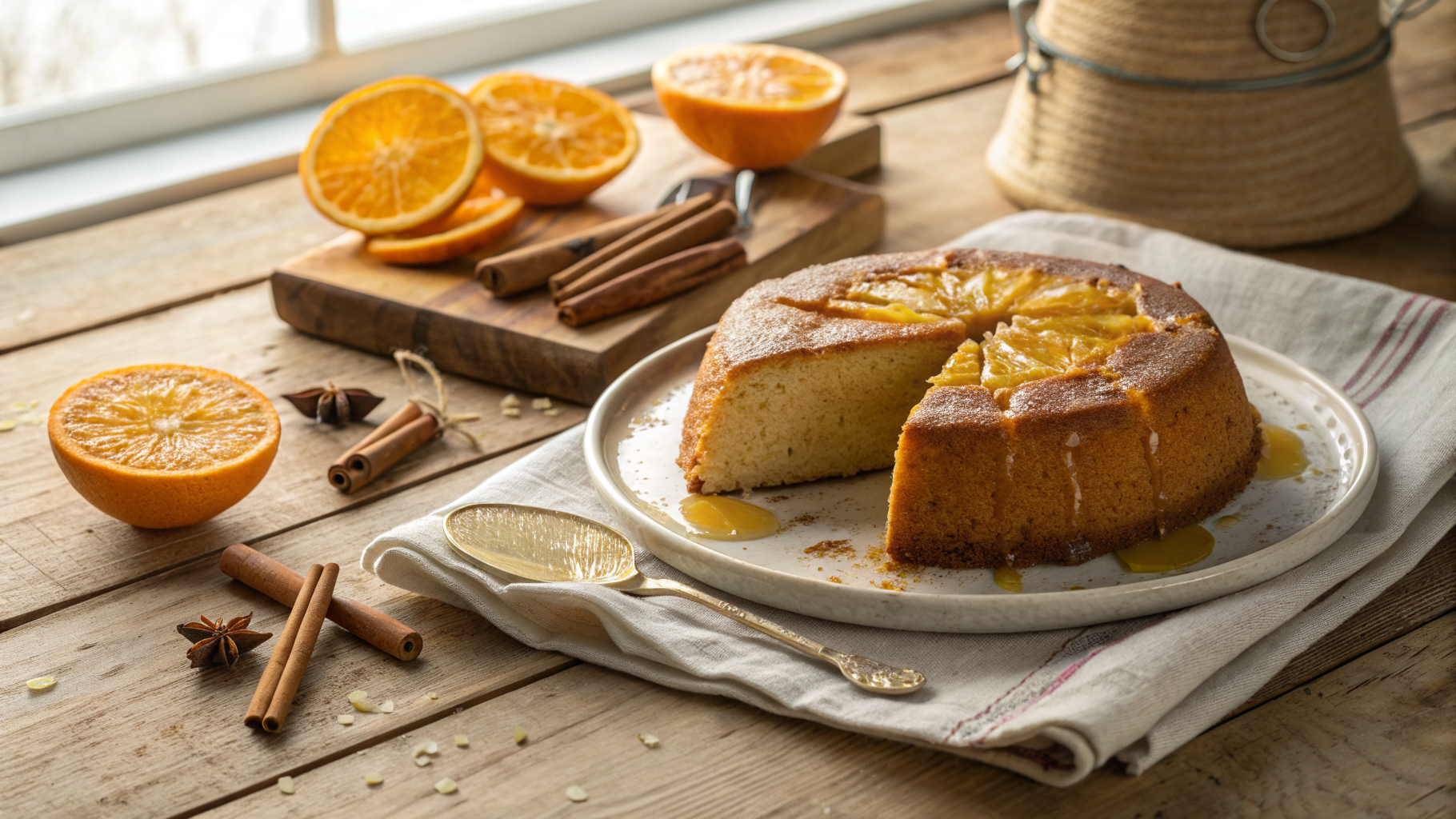
Imagine the scent of oranges simmering with cinnamon, olive oil, and a whisper of orange blossom water. That's the essence of Tunisian Orange Cake, a dessert that captures the sun-drenched flavors of North Africa. Unlike typical cakes, it uses whole pureed oranges—skin and all—creating an intensely citrusy, moist crumb. This cake isn't just a treat; it's a testament to resourceful cooking, where humble ingredients transform into something elegant. For meal preppers, it's a game-changer: it stays moist for days, freezes beautifully, and fits seamlessly into a balanced diet when portioned thoughtfully. In this article, we'll explore how to batch-bake this cake, store it for weeks, and integrate it into your weekly meal plan without derailing your health goals. You'll learn expert tips on freezing, portion control, and even how to tweak the recipe for different dietary needs. Whether you're a seasoned meal prepper or a curious baker, you'll find practical strategies to enjoy this Tunisian delight any day of the week. Let's dive into the art of preparing, storing, and savoring this fragrant cake.
Why Tunisian Orange Cake Is a Meal Prep Dream
Meal prep often conjures images of bland chicken and broccoli, but desserts can be part of a smart strategy. Tunisian Orange Cake excels here because its high moisture content from whole oranges and olive oil keeps it fresh for up to five days at room temperature—far longer than butter-based cakes. The natural acidity of oranges acts as a preservative, while olive oil remains liquid at room temperature, preventing the crumb from drying out. Additionally, the cake's dense texture makes it easy to slice into precise portions, crucial for calorie tracking. A standard slice (1/12 of the cake) contains roughly 220 calories, 10g fat, and 30g carbs—a reasonable treat when balanced with protein and fiber. By baking a batch on Sunday, you can enjoy a slice with your afternoon tea all week, or freeze individual slices for up to three months. This approach saves time, reduces waste, and ensures you always have a homemade dessert ready without last-minute trips to the bakery.
The Magic of Whole Oranges: Technique and Tradition
The signature technique of Tunisian Orange Cake is boiling whole oranges until soft, then pureeing them—pith, peel, and all. This method, rooted in Sephardic Jewish cuisine, was born from a need to use every part of the fruit. The boiling process removes bitterness from the pith while infusing the cake with deep citrus flavor. Most home cooks err by skipping the boiling step or using only zest and juice, resulting in a less complex taste. For best results, choose organic oranges since you're consuming the peel. Simmer them in water for about an hour until a knife slides through easily, then blend until smooth. This puree becomes the base, replacing some of the fat and liquid in the recipe. The result is a cake that's naturally gluten-free if you use almond flour, though traditional versions call for all-purpose flour. This technique not only amplifies flavor but also adds fiber and vitamins from the peel, making the cake slightly more nutritious than conventional recipes.
From Tunis to Your Table: A Slice of History
Tunisian Orange Cake, known locally as 'cake à l'orange,' reflects the country's diverse culinary heritage. Tunisia, at the crossroads of Mediterranean and North African cultures, has been influenced by Phoenicians, Romans, Arabs, Ottomans, and French. The cake's use of olive oil instead of butter is a hallmark of Mediterranean baking, while the addition of orange blossom water—a staple in North African desserts—adds a floral note. Historically, citrus fruits were cultivated along the Tunisian coast, particularly in the Cap Bon region, where orange groves thrive. The cake became popular in the 20th century, especially in Jewish communities who adapted it for Passover, using matzo meal instead of flour. Today, it's a beloved treat during Ramadan, when sweets are shared after sunset. This cake embodies Tunisian hospitality: simple, generous, and full of flavor. By baking it, you're not just making dessert; you're connecting to a culinary tradition that spans centuries and continents.
Pro Tip: Freeze Slices with Parchment for Perfect Portions
Most people freeze whole cakes, but for meal prep, individual slices are far more practical. After baking and cooling, slice the cake and place each piece on a small square of parchment paper. Then, wrap tightly in plastic wrap and aluminum foil before freezing. This double-layer prevents freezer burn and allows you to thaw only what you need. To thaw, simply remove a slice and let it sit at room temperature for 30 minutes—it will taste freshly baked. For an even quicker option, microwave on low power for 20 seconds. This method also lets you customize: drizzle a little orange syrup or warm spices before freezing to intensify flavor. Another trick: freeze the cake before slicing; it's easier to get clean, even cuts. These small steps make a big difference in maintaining texture and taste, ensuring your meal prep efforts pay off every time you crave a slice.
Balancing Indulgence: Nutrition and Modern Trends
In an era of mindful eating, Tunisian Orange Cake aligns with several trends: it's dairy-free, potentially gluten-free, and uses heart-healthy olive oil. Olive oil, rich in monounsaturated fats, has been linked to reduced inflammation and improved heart health. The oranges provide vitamin C and fiber, while eggs add protein. However, it's still a dessert, so portion control is key. Pair a slice with Greek yogurt or a handful of nuts to slow sugar absorption. The cake also fits into the Mediterranean diet, consistently ranked among the healthiest eating patterns. Its natural sweetness comes primarily from oranges and a moderate amount of sugar, which you can reduce by up to 25% without compromising texture. For a lower-carb version, swap half the flour with almond flour. By understanding its nutritional profile, you can enjoy this cake as part of a balanced lifestyle, not as a guilty pleasure but as a smart, satisfying choice.
Frequently Asked Questions
Q: Can I make Tunisian Orange Cake ahead of time? A: Yes, it stays moist for up to 5 days at room temperature in an airtight container. For longer storage, freeze slices for up to 3 months. Q: How do I prevent the cake from being bitter? A: Boil whole oranges for at least an hour, changing the water once if needed. This removes bitterness from the pith. Q: Can I reduce the sugar? A: You can cut sugar by 25% without affecting texture. The natural sweetness of oranges and orange blossom water compensates. For a sweeter cake, add a drizzle of honey or orange syrup after baking.
Key Takeaways
Tunisian Orange Cake is more than a recipe; it's a meal prep ally. By boiling whole oranges, you unlock deep flavor and moisture that keeps for days. Batch-bake on weekends, slice, and freeze for grab-and-go treats. Use parchment and double-wrapping to prevent freezer burn. Balance portions with protein or healthy fats to maintain steady energy. Experiment with flours and sugar levels to suit your dietary needs. This cake embodies the resourcefulness of Tunisian cooking and the joy of sharing. With these strategies, you can enjoy a taste of North Africa any day, knowing it fits into a realistic, balanced diet. So preheat your oven, gather your ingredients, and let the citrusy aroma fill your kitchen—your future self will thank you.
Try these recipes on DishIndex
Explore Tunisian Orange Cake recipes and more