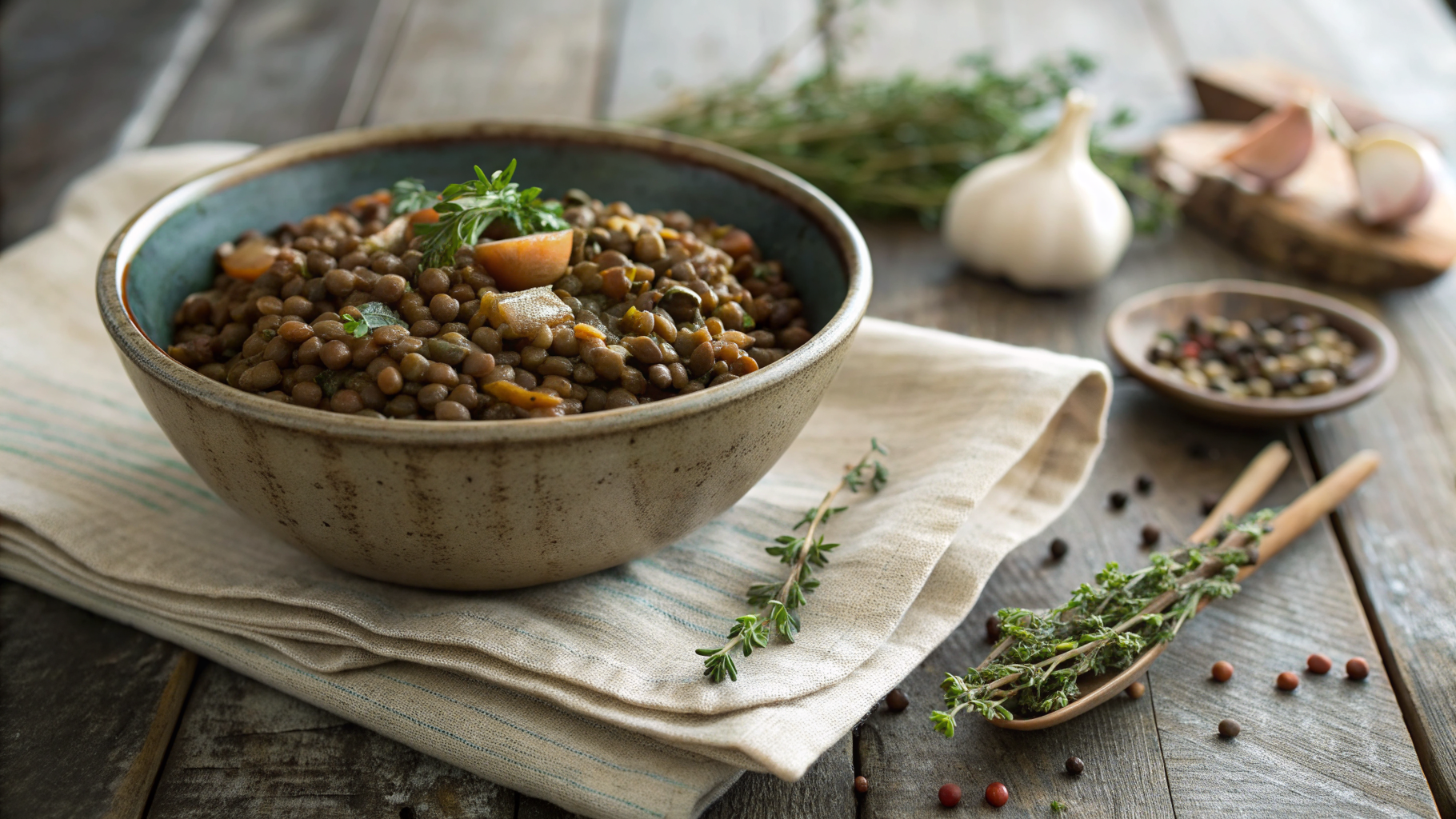
Imagine a dish so humble yet so deeply satisfying that it has graced French tables for centuries. French lentils with garlic and thyme are a testament to the magic of slow cooking, where simple ingredients meld into something extraordinarily savory. Unlike their mushy counterparts, French lentils—specifically the Puy variety—hold their shape and offer a peppery, almost meaty texture. This isn't just a side dish; it's a culinary lesson in patience and technique. The earthy aroma of thyme and the pungent warmth of garlic infuse each lentil, creating a complex flavor profile that belies its simplicity. Whether you're a seasoned chef or a home cook, mastering this dish opens doors to a world of French comfort food. In this article, we'll explore the science behind perfect lentils, common pitfalls to avoid, and chef-level tips that will elevate your cooking. Get ready to discover why this ancient preparation remains a staple in modern kitchens and how you can make it flawlessly every time.
The Science of Simmering: Why Temperature Matters
Cooking French lentils is a delicate balance of heat and time. Unlike pasta, lentils require a gentle simmer—around 180°F to 200°F—to cook evenly without bursting their skins. Rapid boiling causes the outer layer to rupture while the interior remains tough, resulting in a mushy exterior and undercooked center. The science lies in the lentil's structure: their seed coat is rich in pectin, a polysaccharide that softens gradually with consistent, moderate heat. A rolling boil agitates the lentils, causing them to collide and split. Chef-level tip: bring your pot to a boil, then immediately reduce to a bare simmer. You should see tiny bubbles rising lazily. Also, never salt the water at the start; salt toughens the seed coat by interfering with pectin breakdown, extending cooking time. Instead, salt after the lentils are tender. This technique ensures each lentil remains intact, offering that signature caviar-like pop. Remember, French lentils typically take 20 to 30 minutes, but always test by biting—they should be tender but firm, not falling apart.
The Aromatic Base: Garlic and Thyme Done Right
The magic of this dish lies in the aromatic base, where garlic and thyme are coaxed into releasing their essential oils. Garlic contains allicin, a sulfur compound that becomes pungent when raw but mellows into sweetness when cooked gently. Sautéing sliced garlic in olive oil over low heat—never browning it—draws out its nutty, caramel-like notes without bitterness. Thyme, with its high concentration of thymol, offers an earthy, minty brightness that cuts through the lentils' richness. For maximum flavor, use fresh thyme sprigs tied in a bundle, which allows you to remove the woody stems later. Chef-level technique: after sautéing garlic and onions, add the lentils and toss to coat in the oil before adding liquid. This step, called 'blooming,' helps the lentils absorb the fat-soluble flavors. Then, nestle the thyme bundle among the lentils. As they simmer, the essential oils infuse the cooking liquid, which the lentils absorb. Avoid dried thyme if possible; its flavor is less vibrant and can taste dusty. If you must, use half the amount, as dried herbs are more concentrated.
From Ancient Fields to French Tables: The Lentil's Journey
Lentils are one of the oldest cultivated crops, with evidence of domestication in the Fertile Crescent around 8000 BCE. They traveled to France via Roman legions, who prized them for their shelf life and nutritional density. The tiny green lentil de Puy, however, is unique to the volcanic soils of Le Puy-en-Velay in central France. Legend says these lentils were introduced by a bishop returning from the Crusades, but regardless, they earned the first European Protected Designation of Origin (PDO) for a vegetable in 1996. Historically, French lentils were peasant food, simmered with whatever aromatics were on hand—often garlic and thyme from the garden. Over centuries, they became a cornerstone of French bistro cuisine, served alongside sausage or duck confit. Today, they symbolize the French paradox: a rich, satisfying dish that is also remarkably healthy. The terroir of Le Puy gives the lentils a distinct peppery flavor and ability to hold their shape, making them the gold standard for this preparation.
Pro Tip: The Acidic Finish That Brightens Everything
Most home cooks stop after the lentils are tender, but a final splash of acid is what separates a good dish from a great one. Lentils are earthy and can taste flat without a counterpoint. Chef-level secret: after removing the thyme bundle, stir in a tablespoon of red wine vinegar or fresh lemon juice. The acid not only brightens the flavor but also helps the lentils absorb salt more effectively. Why? Acidic environments enhance our perception of saltiness, allowing you to use less sodium. Additionally, acid cuts through the richness of the olive oil, creating a more balanced bite. For an extra layer, add a drizzle of high-quality olive oil at the end—this is called 'finishing oil' and should be fruity and peppery, like a Tuscan or Provençal variety. The heat of the lentils will warm the oil, releasing its aromas. Finally, let the dish rest for five minutes before serving; this allows the flavors to meld and the lentils to absorb the seasonings fully. This simple step transforms the dish from ordinary to extraordinary.
Nutritional Powerhouse: Why This Dish Deserves a Comeback
In an era of plant-based eating, French lentils with garlic and thyme are a nutritional powerhouse. One cup of cooked lentils provides 18 grams of protein and 16 grams of fiber—more than a bowl of oatmeal—along with iron, folate, and manganese. The fiber acts as a prebiotic, feeding beneficial gut bacteria and promoting digestive health. Unlike meat, lentils are virtually fat-free, and the olive oil in this dish offers heart-healthy monounsaturated fats. The garlic and thyme contribute antioxidants that combat inflammation. Studies, such as those published in the Journal of Nutrition, link legume consumption to lower risks of heart disease and type 2 diabetes. Yet, this dish isn't just health food; it's a gastronomic delight. Its versatility makes it a staple in modern kitchens: serve it as a side with roasted chicken, a main with crusty bread, or a salad topped with goat cheese. As more people seek sustainable, affordable protein, this ancient preparation is poised for a renaissance. It's proof that eating well doesn't require sacrifice—just a pot, a few ingredients, and a little patience.
Frequently Asked Questions
Q: Can I use regular brown lentils instead of French lentils? A: Brown lentils are softer and will break down, resulting in a mushier texture. French lentils, especially Puy, hold their shape and offer a peppery flavor, making them ideal for this dish. If substituting, reduce cooking time by 5 minutes. Q: Why did my lentils turn out mushy? A: Mushiness often comes from boiling too vigorously or overcooking. Maintain a gentle simmer and start tasting at 20 minutes. Also, avoid stirring frequently, which can break the lentils. Q: Can I make this dish ahead of time? A: Yes, it stores well in the refrigerator for up to 4 days. Reheat gently with a splash of water or broth to prevent drying. The flavors deepen overnight, making it a great make-ahead meal.
Key Takeaways
Mastering French lentils with garlic and thyme is about respecting simplicity. First, always use French lentils—their firm texture is non-negotiable. Second, simmer gently and never boil; this preserves their shape and creates a luxurious mouthfeel. Third, build flavor by blooming the lentils in garlicky olive oil before adding liquid, and infuse with fresh thyme. Fourth, salt only after cooking to avoid toughening the skins. Finally, finish with a splash of acid and a drizzle of good olive oil to elevate the dish. These techniques transform humble ingredients into a dish that is both comforting and elegant. Whether you serve it as a side or a main, you'll be part of a centuries-old tradition that celebrates the beauty of slow cooking. So grab your pot and let the aroma of thyme and garlic fill your kitchen—you're about to create something truly special.
Try these recipes on DishIndex
Explore French lentils recipes and more