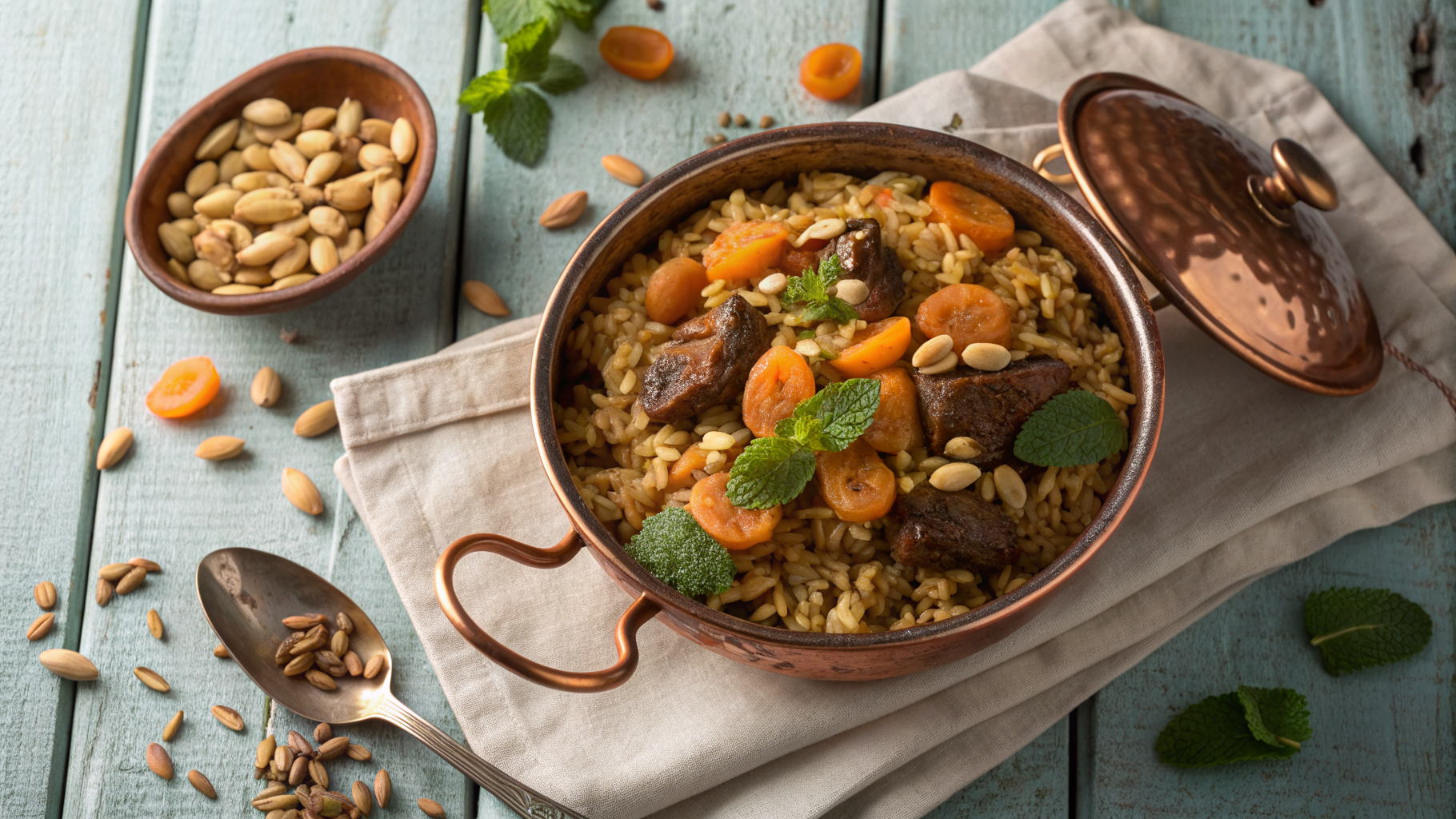
Imagine the scent of cinnamon and allspice curling through a Istanbul apartment kitchen, where lamb shoulder sizzles until its edges caramelize, and basmati rice steams with dried apricots and toasted pine nuts. Turkish lamb pilau is more than a meal; it is a sensory bridge between the Ottoman palace kitchens of the 15th century and the modern home cook’s table. Historically, pilau (pilav) was a staple of imperial feasts, often served with lamb and garnished with nuts and dried fruit—a sign of wealth and refinement. Today, it remains a beloved comfort food, celebrated for its balance of sweet, savory, and warm spice notes. But what if I told you that the way you discover, tweak, and cook this dish is being quietly revolutionized by technology? From AI-powered recipe recommendations that learn your taste for cinnamon, to smart thermometers that ensure your rice never sticks, the digital age is reshaping centuries-old culinary traditions. In this article, we’ll explore how modern tools are making Turkish lamb pilau more accessible, consistent, and personalized than ever—while preserving the soul of the dish. You’ll learn which apps and gadgets are worth your counter space, how to use data to perfect your spice blend, and why this ancient recipe is finding new life in the connected kitchen.
The Rise of Smart Recipe Discovery
Gone are the days of dog-eared cookbooks and handwritten index cards. Today, platforms like DishIndex and others use AI algorithms to analyze your past searches, dietary preferences, and even the contents of your fridge to suggest recipes like Turkish lamb pilau. A 2023 survey by the Food Tech Association found that 62% of home cooks under 40 now use app-based recipe recommendations at least weekly. These systems don’t just throw random dishes at you; they learn that you prefer lamb over chicken, that you love the crunch of pine nuts, and that you’re avoiding gluten. For Turkish lamb pilau, this means you might be recommended a version that swaps in cauliflower rice for a low-carb twist, or one that uses a slow-cooker for hands-off convenience. The technology even predicts which spices you’re likely to have on hand, reducing shopping trips. This shift is particularly powerful for complex, multi-step dishes like pilau, where ingredient interplay is key. AI can parse thousands of recipe variations, from regional Turkish styles to modern adaptations, and present the one that best matches your skill level and time constraints. The result? A once-intimidating dish becomes approachable, tailored, and endlessly customizable.
Precision Cooking: The Science of Rice and Lamb
The biggest challenge in Turkish lamb pilau is getting the rice perfectly fluffy while the lamb stays succulent. Traditional recipes rely on soaking the rice for 30 minutes to remove excess starch, then cooking it in measured broth. But even experienced cooks can end up with mushy rice or tough lamb. Enter precision cooking tools: smart thermometers like Meater or wireless probes that monitor internal temperatures, and multi-cookers with built-in pilau settings. For lamb, the target is 145°F for medium-rare, but for pilau, you want it fully cooked and tender, around 200°F, so collagen breaks down. Modern devices can alert you when you hit that sweet spot. Meanwhile, the ratio of water to rice is critical—typically 1.5:1 for basmati. Some smart pots use weight sensors to calculate exact absorption. A 2022 study in the Journal of Food Science found that precise temperature control reduced rice stickiness by 40%. For home cooks, this means you can achieve that elusive separate-grain texture without years of practice. Technology doesn’t replace intuition; it augments it, giving you the confidence to nail this dish every time.
Cultural Roots: From Ottoman Palaces to Modern Tables
Turkish lamb pilau has deep roots in the Ottoman Empire, where pilav was a staple of palace feasts. Historical records from the Topkapi Palace kitchens show that pilaf was prepared with lamb, pine nuts, and dried fruits as early as the 15th century. The dish was a symbol of abundance, often served at weddings and religious holidays. In Anatolia, regional variations abound: in the southeast, cooks add a touch of cinnamon and allspice; along the Aegean coast, they might include fresh herbs like dill. The name itself, pilau, derives from the Persian pilāv, reflecting the dish’s journey along the Silk Road. For Turks, pilav is more than food; it’s a communal experience, often accompanied by ayran (a yogurt drink) and shared from a central platter. Today, diaspora communities and food bloggers are adapting the recipe for modern kitchens, using instant pots and plant-based lamb substitutes. Yet the essence remains: a fragrant, comforting one-pot meal that tells a story of trade, empire, and home. Understanding this heritage enriches every bite, reminding us that we are part of a long culinary lineage.
Pro Tip: Toast Your Spices and Nuts Separately
Most recipes tell you to toast pine nuts and spices together, but that’s a mistake. Pine nuts burn quickly due to their high oil content, while cinnamon and allspice need a longer time to release their essential oils. The solution: toast them in separate batches. Start with the nuts in a dry skillet over medium heat, stirring constantly until golden—about 2 minutes. Set aside. Then, in the same pan, add your spices and toast for 30-60 seconds until fragrant. This two-step process prevents bitterness and ensures each element shines. Another secret: bloom your spices in olive oil after sautéing the onions. The fat-soluble compounds in cinnamon and allspice dissolve in oil, creating a deeper, more complex flavor base. Finally, add a pinch of sugar when cooking the apricots; it enhances their natural sweetness and balances the lamb’s richness. These small tweaks, informed by food science, can elevate your pilau from good to unforgettable.
The Future of Home Cooking: AI, Personalization, and Health
As AI becomes more integrated into kitchen appliances, we’re moving toward a future where recipes adapt in real time. Imagine a smart oven that detects your lamb’s weight and adjusts cooking time automatically, or an app that scans your pantry and suggests a pilau recipe based on what’s about to expire. Startups are already developing computer vision systems that can identify spices and suggest flavor pairings. For Turkish lamb pilau, this could mean personalized spice levels—more cinnamon if you like it sweet, less if you prefer savory. Nutritionally, AI can calculate macros and suggest swaps, like using cauliflower rice for a lower-carb version or adding lentils for extra fiber. A 2024 report by the Global Food Institute predicts that by 2030, 70% of home cooks will use some form of AI assistance. This doesn’t mean losing tradition; it means making it more resilient. The dish’s core—lamb, rice, spices—remains, but the way we learn and execute it evolves. Ultimately, technology is a tool to bring more people to the table, sharing in the warmth of a perfectly cooked pilau.
Frequently Asked Questions
Q: Can I make Turkish lamb pilau in advance? A: Yes, you can prepare it up to two days ahead and reheat gently with a splash of broth. The flavors deepen overnight, but add fresh mint and nuts just before serving to retain texture. Q: What if I don’t have pine nuts? A: Substitute with slivered almonds or chopped pistachios. Toast them the same way for a similar crunch. Avoid peanuts, which have a stronger flavor that can overpower the spices. Q: Is basmati rice essential? A: Traditional recipes use basmati for its aroma and separate grains. Long-grain rice like jasmine works in a pinch, but adjust liquid slightly. Avoid short-grain rice, which becomes sticky.
Key Takeaways
Turkish lamb pilau is a dish where ancient tradition meets modern innovation. By embracing AI-powered recipe discovery, you can tailor the dish to your taste and dietary needs without losing its essence. Precision cooking tools help you achieve consistent results, from perfectly fluffy rice to tender lamb. Remember to toast nuts and spices separately for maximum flavor, and don’t shy away from blooming spices in oil. The cultural heritage of this dish—rooted in Ottoman kitchens—adds depth to every bite, connecting you to centuries of culinary history. Finally, as technology continues to evolve, use it as a sous-chef, not a replacement for your intuition. With these insights, you’re ready to cook a pilau that honors tradition while embracing the future. So fire up your smart stove, gather your ingredients, and let the aromas of cinnamon and lamb fill your kitchen.
Try these recipes on DishIndex
Explore lamb pilau recipes and more