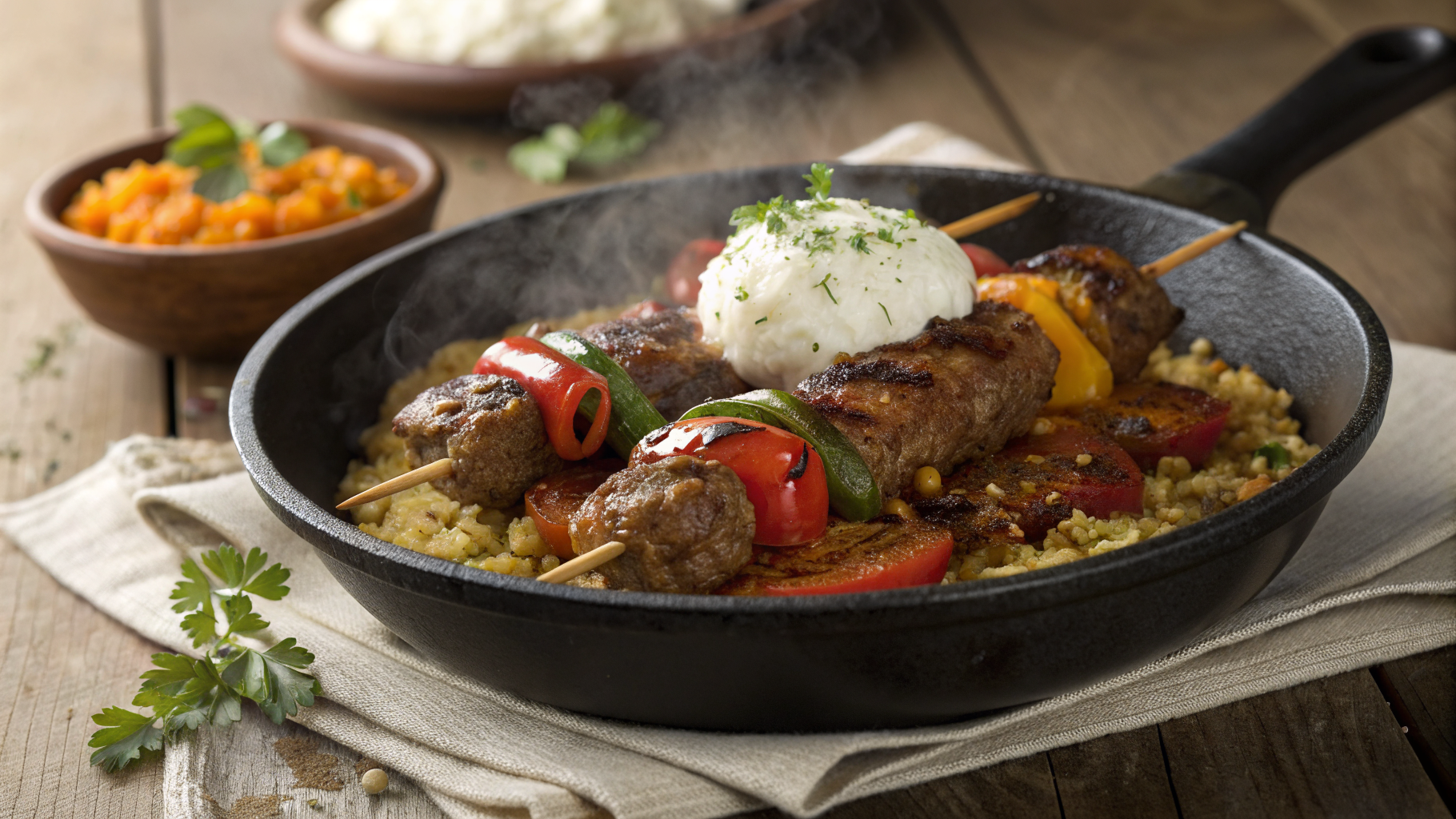
Imagine the scent of sizzling lamb mingling with toasted bulgur and warm spices, drifting from a bustling Istanbul grill. This kebab, inspired by içli köfte, brings together coarse bulgur and finely minced lamb, kneaded with onion, cumin, and a whisper of Aleppo pepper. You shape them into long, elegant ovals, then pan-fry until the outside is gloriously crisp and the inside tender. The real magic happens when you drizzle a hot, sizzling tomato butter over the top – it pools into every crevice, turning each bite into a burst of tangy, smoky richness. But beyond its irresistible taste, this dish offers a chance to cook with sustainability in mind. From choosing locally raised lamb to using every scrap of vegetable, we’ll explore how this Turkish classic can be adapted for a greener kitchen. You’ll learn about seasonal ingredients, waste-reducing techniques, and eco-friendly cooking methods that honor both tradition and the planet. Join us as we uncover the secrets to a more sustainable kebab, one that nourishes not just the body but also the environment.
The Environmental Footprint of Lamb: A Balanced View
Lamb often gets a bad rap for its carbon footprint, but not all lamb is created equal. According to the Food and Agriculture Organization, livestock contributes about 14.5% of global greenhouse gas emissions, with ruminants like sheep being significant sources of methane. However, grass-fed lamb raised on marginal lands can actually sequester carbon and support biodiversity. In Turkey, traditional pastoral systems have maintained healthy landscapes for centuries. By choosing lamb from local, regenerative farms, you reduce transport emissions and support practices that enhance soil health. For this recipe, seek out lamb mince from a nearby farm that practices rotational grazing. If lamb isn’t available, consider substituting with venison or even a plant-based mince for a lower-carbon option. The key is to be mindful: enjoy lamb as part of a diverse diet, and make every part count to minimize waste.
Bulgur: The Ancient Grain with a Modern Mission
Bulgur, the star of this kebab, is a parboiled cracked wheat that has been a staple in Turkish cuisine for thousands of years. Unlike refined grains, bulgur retains its bran and germ, offering fiber, protein, and a nutty flavor. It’s also incredibly sustainable: wheat is a low-water crop compared to many others, and bulgur’s long shelf life reduces spoilage. In fact, bulgur has a water footprint of about 1,500 liters per kilogram, far less than rice or pasta. When you buy bulgur, look for whole-grain varieties that are locally milled to cut down on transport emissions. For this recipe, fine bulgur works best, but you can also use coarse bulgur for a chewier texture. To reduce waste, store bulgur in an airtight container in a cool, dark place; it will last for months. Soaking it in boiling water not only rehydrates it but also saves energy compared to cooking it on the stove.
From Istanbul to Your Kitchen: A Cultural Journey
This kebab is a cousin of içli köfte, a beloved Turkish dish often described as a bulgur shell stuffed with spiced meat. Originating in southeastern Turkey, içli köfte was traditionally made by women who gathered to shape the delicate ovals, passing down recipes through generations. The dish reflects the region’s history, blending Anatolian, Arab, and Persian influences. In Gaziantep, a city renowned for its cuisine, the kebabs are often grilled over charcoal, imparting a smoky depth. The tomato butter drizzle is a relatively modern touch, popular in home kitchens for its rich, tangy finish. Today, this dish symbolizes hospitality, often served at gatherings and special occasions. By making it at home, you’re not just cooking a meal; you’re participating in a centuries-old tradition that values community and resourcefulness. And by sourcing ingredients locally and minimizing waste, you’re also honoring the earth that sustains these traditions.
Pro Tip: Knead and Rest for Perfect Texture
The secret to a tender, cohesive kebab lies in the kneading and resting of the bulgur mixture. After soaking the bulgur in boiling water, let it sit covered for 15 minutes until all the water is absorbed. Then, add the lamb mince, grated onion, garlic, tomato paste, and spices. Knead the mixture with your hands for a full 5 minutes – this develops the gluten in the bulgur and ensures the kebab holds together. But here’s the pro tip: after shaping, chill the kebabs in the fridge for at least 30 minutes. This rest allows the flavors to meld and the fats to firm up, preventing the kebabs from falling apart during cooking. For an eco-friendly cooking method, use a cast-iron skillet instead of a non-stick pan; cast iron requires less oil and distributes heat evenly, saving energy. And when you drizzle the tomato butter, do it off the heat to avoid splattering and wasting that precious sauce.
Seasonal Sides and Zero-Waste Garnishes
To make this meal truly sustainable, pair it with seasonal vegetables that are at their peak. In spring, grilled asparagus or artichokes complement the kebab’s richness. In summer, charred peppers and tomatoes are ideal. In autumn, roasted root vegetables like carrots and parsnips add earthy sweetness. When you grill peppers, save the stems and seeds for vegetable stock – freeze them until you have enough. The yogurt dollop can be made from local, grass-fed milk, and any leftover yogurt can be used in smoothies or marinades. Even the onion skins can be saved for making broth, which adds depth to future dishes. By planning your sides around what’s in season and using every part of the vegetable, you reduce food waste and support local farmers. This approach not only lowers your carbon footprint but also enhances the flavors of the meal, as seasonal produce is often more nutrient-dense and flavorful.
Frequently Asked Questions
Q: Can I use a different type of meat? A: Yes, you can substitute lamb with beef, venison, or even a plant-based mince. For a sustainable choice, opt for locally sourced, grass-fed options or consider mixing in cooked lentils for a lower-carbon version. Q: How do I prevent the kebabs from falling apart? A: Ensure the bulgur is fully hydrated and knead the mixture well. Chilling the shaped kebabs for 30 minutes before cooking helps them firm up and hold their shape during pan-frying. Q: Is bulgur gluten-free? A: No, bulgur is wheat, so it contains gluten. For a gluten-free alternative, try using cooked quinoa or millet, though the texture will differ. Adjust the water amount accordingly.
Key Takeaways
Embrace sustainability in your kitchen by sourcing lamb from local, regenerative farms and choosing seasonal vegetables for sides. Reduce waste by using every part of your ingredients: save vegetable scraps for stock, store bulgur properly to extend its shelf life, and repurpose leftover yogurt. Opt for energy-efficient cooking methods like cast-iron skillets and avoid preheating the oven unnecessarily. Remember that traditional dishes like this kebab are adaptable; feel free to experiment with plant-based proteins or gluten-free grains. Finally, share this meal with others – the act of gathering around the table not only honors Turkish hospitality but also fosters a community that values mindful eating. With these small changes, you can enjoy a delicious, culturally rich meal while caring for the planet.
Try these recipes on DishIndex
Explore lamb kebab recipes and more