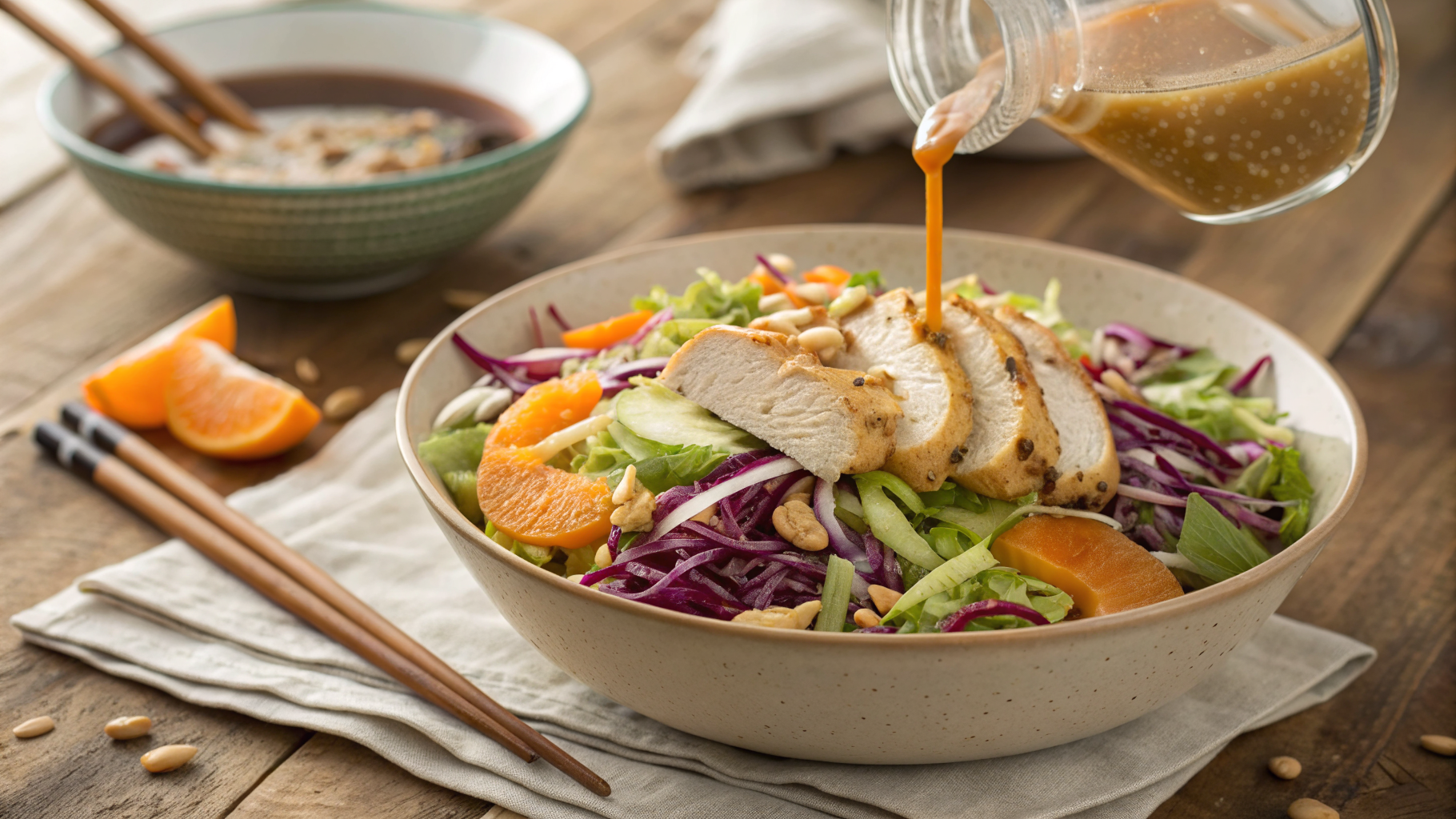
Imagine a salad that crunches like a fresh apple, bursts with citrus, and coats your tongue in a tangy, sesame-flecked dressing—all without a speck of gluten, dairy, or refined sugar. That’s the promise of a Chinese chicken salad done right. But here’s the catch: most home versions turn soggy, bland, or worse, rely on bottled dressings loaded with hidden sugars and additives. The difference between a lackluster bowl and a vibrant, restaurant-quality dish lies in understanding the science of texture and flavor balance. In this article, we’ll dive deep into the culinary techniques that make this salad sing. You’ll learn why cabbage is the ideal base, how to emulsify a dressing that clings without weighing down, and the common pitfalls that sabotage even experienced cooks. We’ll also explore the cultural roots of Chinese chicken salad—a dish that’s more American than Chinese—and why its modern, health-conscious iteration deserves a place on your table. By the end, you’ll have the knowledge to craft a salad that’s not just a compromise for dietary restrictions, but a celebration of fresh, bold ingredients. Let’s get cooking.
The Cabbage Advantage: Why It Beats Lettuce Every Time
Iceberg and romaine may be salad staples, but for a Chinese chicken salad, cabbage is the superior choice—and food science explains why. Cabbage leaves have a thick, waxy cuticle and high cellulose content, which slows water absorption and keeps them crisp for hours after dressing. Lettuce, with its thin cell walls, wilts within minutes. Moreover, cabbage’s sturdy structure provides a satisfying crunch that contrasts beautifully with tender chicken and silky mandarins. When slicing cabbage, aim for uniform shreds about 1/8-inch thick; too thick and the salad feels coarse, too thin and it loses crunch. A sharp chef’s knife or a mandoline ensures clean cuts that minimize cell damage and delay oxidation. Interestingly, cabbage is also a cruciferous vegetable rich in glucosinolates, compounds linked to cancer prevention. So by choosing cabbage, you’re not just improving texture—you’re boosting nutrition. And unlike lettuce, cabbage holds up to acidic dressings, actually softening slightly while retaining its bite. This resilience makes it perfect for meal prep; dress it ahead and it only gets better.
Emulsification Secrets: Building a Dressing That Clings
A great Chinese chicken salad dressing is an emulsion—a stable mixture of oil and vinegar. But unlike mayonnaise, which uses egg yolk as an emulsifier, this dressing relies on mechanical force and natural stabilizers. Apple cider vinegar provides acidity and brightness, while extra virgin olive oil brings richness. The key is to whisk vigorously while streaming the oil in slowly; this disperses oil droplets throughout the vinegar, creating a creamy consistency. A common mistake is adding oil too fast, which causes the emulsion to break, leaving a greasy pool. To fortify the emulsion, add a teaspoon of Dijon mustard (ensure gluten-free) or a bit of honey—though for sugar-free, try a pinch of xanthan gum or a tablespoon of ground sesame seeds, which contain natural emulsifiers. Sesame seeds also add nutty flavor and a pleasant crunch. Finally, season with black pepper and a pinch of salt to enhance the dressing’s perceived sweetness and round out the acidity. Let the dressing rest for 10 minutes before tossing; this allows the flavors to meld and the emulsion to stabilize.
From American Chop Suey to Health Food: The Evolution of Chinese Chicken Salad
Despite its name, Chinese chicken salad is a quintessentially American invention, born in the mid-20th century. Its roots trace back to Chinese-American restaurants in California, where chefs adapted traditional flavors for local palates. The dish gained popularity in the 1960s and 1970s as a refreshing alternative to heavy chop suey, featuring shredded chicken, crispy wontons, and a sweet, oily dressing. Over time, health-conscious cooks began swapping fried wontons for almonds or sesame seeds and replacing sugary dressings with lighter vinaigrettes. The version we’re discussing—gluten-free, dairy-free, and sugar-free—represents the latest chapter in this evolution. It honors the original’s balance of textures and flavors while accommodating modern dietary needs. Interestingly, the addition of mandarin oranges is a nod to the citrus available in California, not China. Today, this salad appears on menus from Los Angeles to New York, symbolizing the adaptability of immigrant cuisine. Understanding this history reminds us that food is never static; it transforms with the people who cook it.
Pro Tip: Toast Your Sesame Seeds for Depth
Here’s a technique that elevates the entire dish: toasting sesame seeds before using them. Raw sesame seeds are pleasant but one-dimensional; toasting unlocks a deeper, nuttier flavor through the Maillard reaction—the same chemical process that browns bread and meat. To toast, place seeds in a dry skillet over medium heat and stir constantly for 2-3 minutes until fragrant and golden. Watch carefully; they burn quickly. Then, immediately transfer to a cool plate to stop cooking. Use half the seeds in the dressing and reserve the rest for garnishing. The toasted seeds add a warm, toasty note that contrasts with the bright vinegar and sweet mandarins. For an extra layer, crush a tablespoon of toasted seeds with a mortar and pestle and stir into the dressing; this releases oils and acts as a thickener. This simple step takes less than five minutes but transforms the salad from good to memorable. It’s a chef’s secret that home cooks often skip—don’t be one of them.
The Nutritional Science of a Balanced Bowl
This salad isn’t just delicious; it’s a nutritional powerhouse. Cabbage and carrots provide fiber, vitamin C, and antioxidants, while chicken delivers lean protein. The dressing’s olive oil is rich in monounsaturated fats, linked to heart health. By eliminating refined sugar, we avoid blood sugar spikes; the natural sweetness of mandarins and a touch of vinegar’s acidity balance the palate without added sugars. Interestingly, fat-soluble vitamins like vitamin A from carrots are better absorbed when paired with fat—so the olive oil actually enhances nutrient uptake. The sesame seeds contribute calcium and healthy fats, and the apple cider vinegar may aid digestion and moderate glycemic response. This dish aligns with current trends toward gluten-free, dairy-free, and sugar-free eating, which are not just fads but responses to rising food sensitivities and a desire for cleaner labels. Moreover, the salad’s macronutrient profile—moderate protein, high fiber, and healthy fats—promotes satiety, making it a satisfying meal. It’s a testament to how traditional flavors can be adapted for modern health without sacrificing pleasure.
Frequently Asked Questions
Q: Can I use pre-shredded cabbage for this salad? A: Yes, but freshness matters. Pre-shredded cabbage often dries out and loses crunch. If using it, refresh by soaking in ice water for 10 minutes, then spin dry thoroughly. Q: How do I prevent the salad from becoming soggy? A: Keep dressing separate until serving, and ensure all ingredients are dry. Cabbage should be spun in a salad spinner; chicken and mandarins patted dry. Toss just before eating. Q: Is this salad suitable for meal prep? A: Absolutely. Store dressing, chicken, and vegetables separately in airtight containers for up to three days. Combine when ready to eat. The cabbage stays crisp, and flavors remain fresh.
Key Takeaways
Master this salad by remembering a few core principles. First, choose cabbage over lettuce for its crunch and resilience; slice it uniformly. Second, emulsify your dressing slowly, whisking oil into vinegar to create a clingy, flavorful coating—and consider toasted sesame seeds as a natural emulsifier. Third, toast your sesame seeds to unlock deeper flavor, a simple step that elevates the dish. Fourth, keep components separate until serving to avoid sogginess, and dry all ingredients thoroughly. Finally, embrace the cultural story behind this American-Chinese classic; it’s a dish born of adaptation, and your dietary tweaks are part of its ongoing evolution. With these techniques, you’ll create a salad that’s vibrant, satisfying, and proof that gluten-free, dairy-free, and sugar-free can be downright delicious. Now, gather your ingredients and put these lessons to work—your taste buds will thank you.
Try these recipes on DishIndex
Explore Chinese chicken salad recipes and more