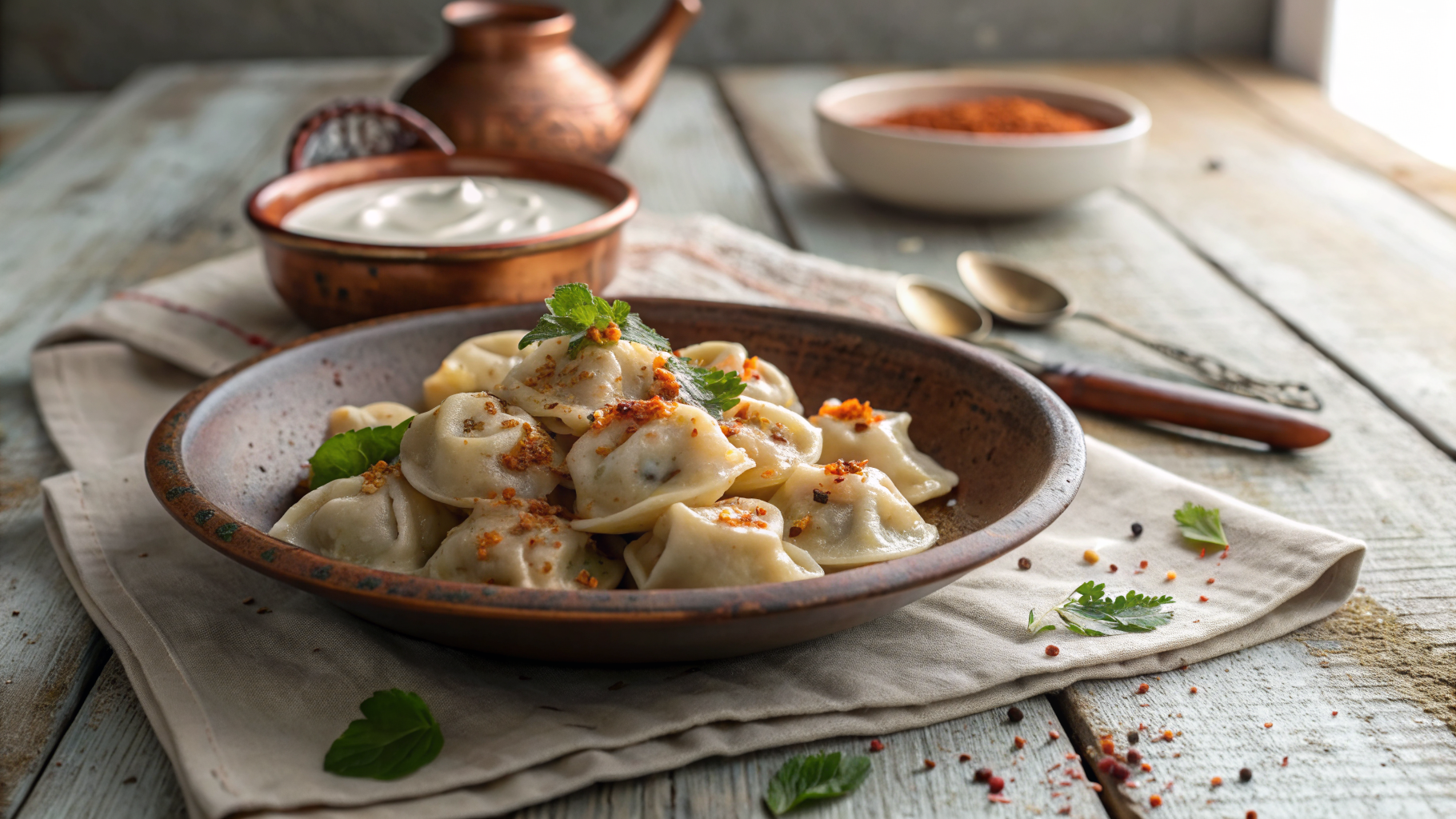
In the bustling kitchens of Kayseri, Turkey, manti are more than dumplings—they are tiny parcels of history, each fold a meditation on patience and resourcefulness. Traditionally made with leftover dough and whatever filling was on hand, manti embody a deep-rooted sustainability ethos long before the word became a trend. Today, as we grapple with food waste and carbon footprints, this Anatolian staple offers a delicious blueprint for eco-conscious cooking. The spiced lamb and eggplant version, in particular, showcases how a few humble ingredients—flour, egg, water, ground lamb, and aubergine—can be transformed into a feast that nourishes both body and planet. By choosing seasonal produce, sourcing locally, and adopting energy-efficient methods, you can honor the dish’s heritage while reducing its environmental impact. In this article, you’ll discover how to make manti with a lighter footprint, from selecting the most sustainable lamb to repurposing every last scrap. You’ll learn why this dish is a masterclass in waste reduction, how to cook it with minimal energy, and why the traditional garlic yogurt and paprika butter are not just flavor boosters but also opportunities for mindful sourcing. Get ready to fold, boil, and drizzle your way to a more sustainable table—one tiny dumpling at a time.
The Sustainability of Seasonal Ingredients
Manti’s beauty lies in its adaptability. While the classic filling combines ground lamb and eggplant, the dish can flex with the seasons. Eggplants are at their peak in late summer and early autumn, when they require less energy-intensive greenhouse cultivation. Choosing seasonal aubergines—firm, glossy, and heavy for their size—not only guarantees better flavor but also reduces the carbon footprint associated with out-of-season produce. Similarly, lamb can be sourced from local, pasture-based farms that practice rotational grazing, which sequesters carbon and supports biodiversity. In Turkey, many home cooks still buy lamb from trusted butchers who source from nearby villages, a model that cuts transportation emissions and supports regional economies. For the dough, all-purpose flour is standard, but you can elevate sustainability by seeking stone-milled flour from local grain varieties, which often requires less processing and preserves nutrients. Even the egg can be part of the solution: choosing eggs from pasture-raised hens reduces reliance on industrial feed systems. By letting the seasons guide your choices, you not only enhance the dish’s flavor but also align it with a growing movement toward climate-friendly cuisine. The result is a manti that tastes of its time and place, while treading lightly on the earth.
Reducing Waste: From Scraps to Scrumptious
Traditional manti-making is a zero-waste endeavor. Any leftover dough can be rolled into thin strips and fried for a crunchy garnish, or frozen for future use. The eggplant trimmings—stems, peels, and seeds—can be simmered into a quick vegetable stock, which then flavors the boiling water for the dumplings, adding depth without extra cost. Even the lamb fat rendered during cooking can be strained and used to sauté aromatics or brush over the finished manti instead of butter, reducing waste and adding richness. In Kayseri, home cooks often prepare large batches of manti, freezing them on trays before boiling, which prevents spoilage and enables portion control. This practice not only saves money but also cuts down on the energy used for repeated cooking. When boiling the dumplings, use a wide, shallow pan rather than a deep pot—it requires less water and reaches a boil faster, saving energy. And don’t discard the cooking liquid: it’s a flavorful broth that can be used as a base for soups or sauces. By embracing these small but impactful habits, you turn potential waste into assets, making your manti both frugal and environmentally sound.
The Cultural Roots of a Sustainable Dish
Manti’s origins trace back to the nomadic Turkic peoples of Central Asia, who needed portable, durable food for long journeys. The dumplings were originally made with mutton and dough, and the folding technique allowed them to dry quickly, preserving them for months. When Turks settled in Anatolia, the dish evolved, incorporating local ingredients like eggplant and yogurt. In Kayseri, manti became a point of civic pride, with families passing down their folding styles and recipes through generations. The traditional toppings—garlic yogurt, paprika butter, dried mint, and sumac—were also born of practicality: yogurt preserved milk, butter extended shelf life, and mint and sumac were wild-harvested or home-dried. This history is a testament to how sustainability and flavor can coexist. The dish was never about excess; it was about making the most of what was available. Today, as we face global food challenges, manti offers a lesson in resilience and resourcefulness. By cooking it with an eye toward seasonality, waste reduction, and energy efficiency, we participate in a centuries-old tradition of mindful consumption—one that nourishes both community and planet.
Pro Tip: Fold with Intention to Save Energy
The way you fold your manti can actually impact cooking time and energy use. Aim for uniform, bite-sized parcels—about the size of a thumbnail—because smaller dumplings cook faster and more evenly, reducing the time the stove is on. Traditional Kayseri manti are famously tiny, with some cooks claiming they can fit 40 dumplings on a single spoon. While that may be extreme, the principle holds: smaller folds mean quicker boiling. Additionally, seal each parcel tightly to prevent filling from leaking, which would cloud the cooking water and require longer boiling to cook the dough through. When boiling, bring the water to a rolling boil, add the dumplings in batches to avoid crowding (which lowers the temperature and extends cooking time), and cook just until they float—typically 3 to 4 minutes. This precision not only preserves energy but also ensures a perfect texture. Finally, consider steaming instead of boiling: steaming requires less water and can be done in a stacked steamer, cooking multiple batches at once. It’s a simple shift that cuts energy use without sacrificing authenticity.
Manti in the Age of Eco-Conscious Eating
As the world wakes up to the environmental cost of food production, manti is finding new relevance. The EAT-Lancet Commission’s 2019 report recommended a shift toward plant-rich diets, but for those who include meat, choosing sustainable sources and reducing waste is key. Manti aligns with this by using modest amounts of lamb—typically just 250 grams for four servings—and stretching it with eggplant, a low-impact vegetable. The dish also encourages home cooking, which reduces packaging and food miles. Moreover, the traditional yogurt sauce can be made from locally produced yogurt, supporting small-scale dairy farms. Chefs in Istanbul and beyond are reinterpreting manti with sustainability in mind, using ancient grains like einkorn for the dough and seasonal fillings like pumpkin or nettles. These innovations show that tradition and innovation can go hand in hand. By cooking manti with a focus on local, seasonal, and waste-free practices, you’re not just making a meal—you’re part of a global movement toward a more resilient food system. And the best part? It tastes extraordinary.
Frequently Asked Questions
Q: Can I make manti ahead of time to save energy? A: Yes. Freeze uncooked manti on a tray, then transfer to a bag. Boil directly from frozen, adding 1-2 minutes to cooking time. This spreads out energy use and prevents waste. Q: Is it possible to use leftover lamb instead of ground lamb? A: Absolutely. Finely chop leftover roasted lamb and mix with the eggplant. It’s a great way to reduce waste and saves the energy of cooking fresh meat. Q: How can I make the yogurt sauce more sustainable? A: Use yogurt from a local dairy, or make your own from milk in reusable glass bottles. Add garlic and a pinch of salt—no need for plastic-packaged dips.
Key Takeaways
Embrace seasonality by choosing eggplant in late summer and sourcing lamb from local, pasture-based farms. Reduce waste by repurposing dough scraps, eggplant trimmings, and cooking liquid. Save energy with smaller, uniform folds and by steaming instead of boiling. Support local producers by buying flour, yogurt, and meat from nearby suppliers. And remember, manti is a dish of resourcefulness—let that spirit guide your kitchen choices. With these lessons, you’re not just cooking a meal; you’re continuing a tradition of mindful consumption that stretches back centuries. So gather your ingredients, fold with care, and savor the taste of sustainability.
Try these recipes on DishIndex
Explore manti recipe recipes and more