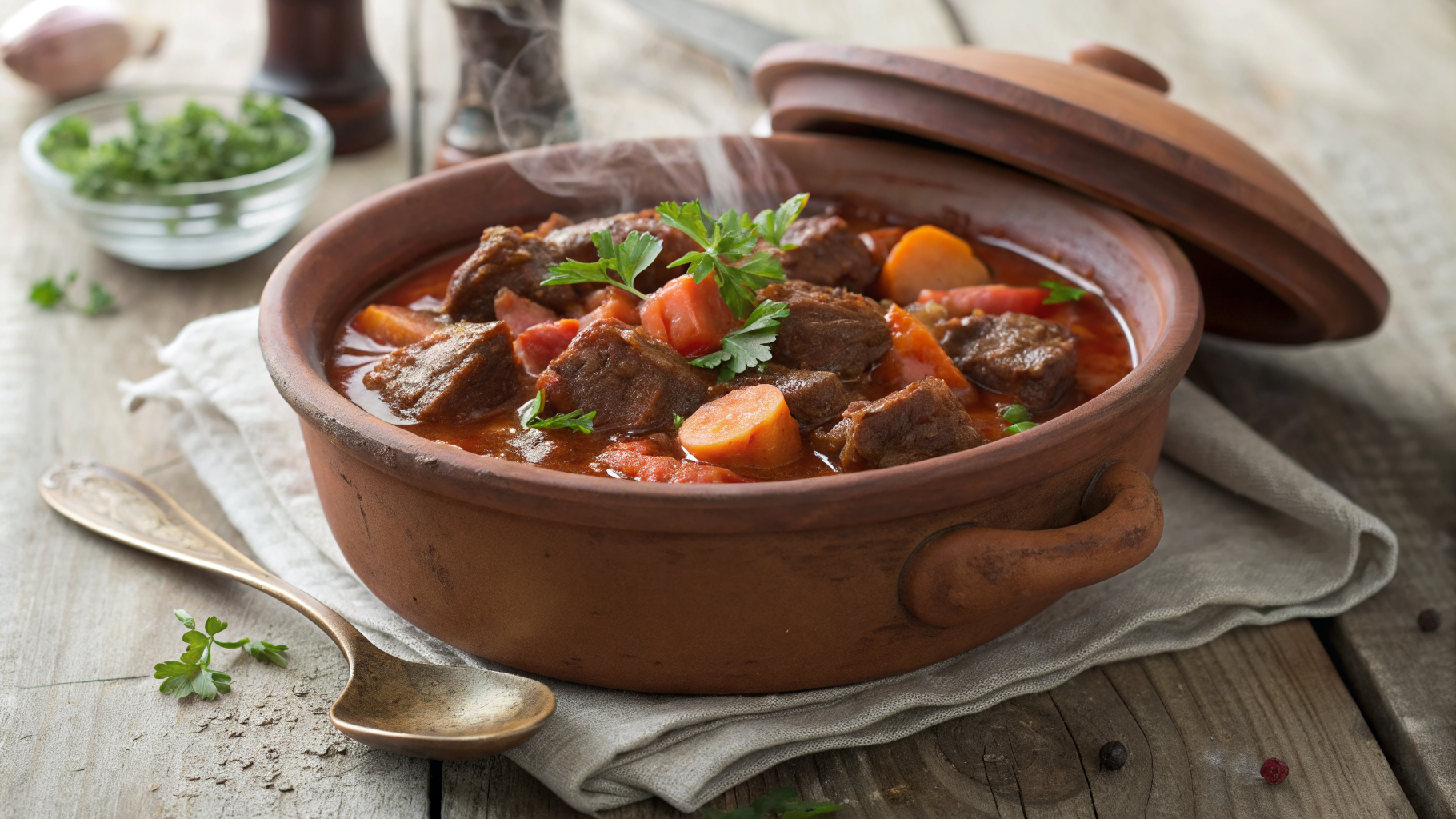
In the cool autumn air of Zagreb's Dolac Market, the scent of sweet paprika and simmering beef drifts from home kitchens, signaling the start of goulash season. This beloved Croatian stew, with its roots in the Pannonian plains, is more than a warming meal—it's a case study in sustainable cooking. Long before 'nose-to-tail' and 'root-to-stem' became buzzwords, Croatian cooks were using every part of the animal and every seasonal vegetable to create a dish that wastes nothing and nourishes deeply. As we face a climate crisis and rising food costs, traditional goulash offers a delicious solution. In this article, you'll discover how this hearty stew embodies sustainability through its ingredients, cooking methods, and cultural traditions, and how you can adapt it to reduce your own kitchen's environmental footprint without sacrificing an ounce of flavor.
The Sustainable Stew: How Goulash Minimizes Waste
Traditional Croatian goulash is a masterclass in resourcefulness. Historically, cooks used tougher cuts like beef shank, chuck, or brisket—muscles that require long, slow braising but are often discarded or undervalued today. These cuts not only cost less but also represent a more sustainable use of the animal, as they utilize parts that might otherwise go to waste. The slow-cooking process extracts every bit of flavor and collagen, turning what could be a throwaway into a velvety, rich stew. Moreover, the recipe's reliance on root vegetables—carrots, onions, garlic—means you can use up whatever is in season, including imperfect specimens that supermarkets might reject. Even the paprika, a key spice, is a way to preserve an abundant summer harvest for year-round use. By choosing goulash, you're participating in a culinary tradition that values thrift and flavor in equal measure, proving that sustainability and indulgence can coexist.
Seasonal Ingredients: The Backbone of Eco-Friendly Goulash
To make your goulash truly sustainable, start with seasonal, local ingredients. In Croatia, autumn is the prime time for this dish, when onions, carrots, and garlic are freshly harvested and at their peak. Buying local, seasonal produce reduces the carbon footprint associated with long-distance transportation and cold storage. It also supports regional farmers and preserves agricultural biodiversity. When it comes to the beef, seek out grass-fed, pasture-raised sources from nearby farms. Grass-fed beef has a lower environmental impact than grain-fed, as it requires less energy-intensive feed and can sequester carbon in the soil. And don't overlook the paprika—Hungarian or Croatian sweet paprika is a staple, but you can also experiment with smoked varieties for depth. By aligning your goulash with the seasons, you're not only enhancing flavor but also making a conscious choice for the planet.
From Pasture to Pot: The Carbon Footprint of Beef
Beef is often criticized for its high carbon footprint, but not all beef is created equal. Traditional Croatian goulash historically used meat from local, small-scale farms where cattle grazed on pasture and were fed a diet of grass and hay. This system is far more sustainable than industrial feedlots, which rely on fossil fuels for feed production, transportation, and waste management. Pasture-raised cattle can actually help mitigate climate change by promoting carbon sequestration in grasslands. Additionally, using the entire animal—including less popular cuts—reduces the overall environmental burden per meal. When you make goulash, you're honoring a tradition that values the whole animal and supports regenerative agriculture. To further shrink your footprint, consider sourcing beef from farms that practice rotational grazing and avoid unnecessary packaging. Every choice, from the butcher to the pot, is a step toward a more sustainable food system.
Pro Tip: Use the Whole Vegetable for Deeper Flavor and Less Waste
Most recipes tell you to peel carrots and onions, but that's where much of the flavor and nutrition hides. Instead, scrub carrots well and leave the skins on—they add earthy depth and fiber. For onions, keep the outer layers and root ends; these parts are rich in flavor compounds and can be simmered in the stew before being removed. Even garlic skins can be tossed in for extra aroma. This 'root-to-stem' approach not only reduces food waste but also intensifies the stew's complexity. Another pro tip: after browning the beef, deglaze the pot with a splash of red wine (or water) and scrape up the fond—those caramelized bits are packed with flavor. And when the stew is done, don't discard the bay leaves; they've done their job, but you can compost them. These small adjustments make a big difference in both taste and sustainability.
The Cultural Roots of Croatian Goulash
Goulash may be Hungary's national dish, but Croatia has its own distinctive version, particularly in the Slavonia and Baranja regions. Known as 'gulaš' in Croatian, it arrived via the Pannonian plain, where Hungarian and Croatian culinary traditions mingled for centuries. Unlike the Hungarian version, which often includes potatoes and is seasoned with caraway, Croatian goulash tends to be a thicker stew with a pronounced paprika flavor and a touch of red wine. It's a staple of family gatherings and village festivals, often cooked outdoors in a cauldron over an open fire. This communal cooking method is inherently sustainable—it uses local wood, minimizes energy consumption, and brings people together. Today, goulash remains a symbol of Croatian hospitality, and its preparation is a way to connect with ancestors and the land. By cooking it, you're part of a living tradition that values community and resourcefulness.
Frequently Asked Questions
Q: Can I make Croatian goulash with a different protein? A: Yes, though beef is traditional. For a lower carbon footprint, try venison or locally raised pork. Plant-based versions with mushrooms and lentils also work, but adjust spices to compensate for the missing meaty depth. Q: How can I reduce the energy used in cooking goulash? A: Use a pressure cooker to cut cooking time by two-thirds, or simmer in a haybox (a well-insulated container) after bringing to a boil. Both methods save energy while achieving tender results. Q: Is it okay to use dried herbs instead of fresh? A: Absolutely. Dried bay leaves and paprika are actually more concentrated in flavor. Use half the amount of dried herbs as you would fresh, and add them early in the cooking process to release their full aroma.
Key Takeaways
Embrace tougher cuts like beef shank or chuck to reduce waste and save money while enriching flavor. Choose seasonal, local vegetables and leave skins on for extra nutrition and less waste. Source beef from pasture-raised, local farms to lower your carbon footprint and support regenerative agriculture. Use energy-efficient cooking methods like pressure cooking or haybox simmering. And remember that traditional dishes like Croatian goulash are not just recipes—they're sustainable systems refined over generations. By cooking with intention, you can enjoy a delicious, comforting meal that respects the planet and its resources. So next time you simmer a pot of goulash, know that you're part of a movement toward a more sustainable food future, one bowl at a time.
Try these recipes on DishIndex
Explore Croatian goulash recipes and more