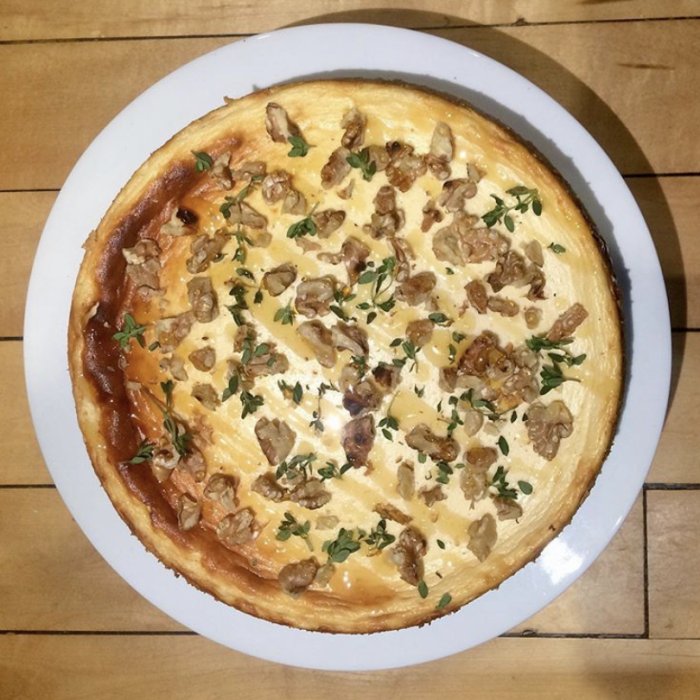
Imagine a dessert that feels indulgent yet leaves you nourished—that's the promise of Honey Yogurt Cheesecake. In Greece, where yogurt is a daily staple, this cake transforms humble ingredients into something sublime. But beyond its luscious texture, this cheesecake hides a surprising nutritional profile. Greek yogurt brings live probiotics and protein, mascarpone adds rich but satisfying fats, almonds contribute vitamin E, and honey offers natural sweetness with antioxidants. Even the digestive biscuits and butter play a role, providing energy and a comforting crunch. This isn't a 'guilt-free' dessert—it's a smart dessert, one that respects tradition while embracing modern nutritional science. In the following sections, we'll explore how each component contributes to your well-being, from gut health to muscle support, and why this cake deserves a place in a balanced diet. You'll discover the macros, the micronutrients, and the research that makes this Greek classic a surprisingly wholesome choice.
The Macro Profile: A Balanced Slice
A typical slice of Honey Yogurt Cheesecake (about 120g) delivers roughly 350-400 calories, with a macronutrient split that's notably balanced: around 20g of carbohydrates, 25g of fat, and 10g of protein. The protein comes primarily from Greek yogurt and eggs, offering all essential amino acids. The fats are a mix of saturated (from butter and mascarpone) and unsaturated (from almonds), providing sustained energy. The carbs are moderate, stemming from the biscuit crust and honey. Compared to a traditional New York cheesecake, which can exceed 500 calories per slice with higher saturated fat, this version is lighter yet satisfying. The Greek yogurt replaces some cream cheese, cutting calories and adding protein. The honey has a lower glycemic index than refined sugar, though it's still sugar. Portion control matters, but this cake fits well into a Mediterranean-style diet that emphasizes moderation and whole foods.
Greek Yogurt: The Probiotic Powerhouse
Greek yogurt is the star of this cake, and for good reason. It's made by straining regular yogurt to remove whey, resulting in a thicker texture and higher protein concentration—about 10g per 100g compared to 4g in regular yogurt. More importantly, it contains live cultures like Lactobacillus bulgaricus and Streptococcus thermophilus, which support gut health. Studies suggest these probiotics can aid digestion and even enhance immune function. However, the baking process kills most live cultures, so the probiotic benefit is reduced in the final cake. Still, the yogurt's protein and calcium remain intact. To maximize gut health, consider serving the cake with a dollop of fresh Greek yogurt on the side. Also, choose yogurt with live active cultures and no added sugar; the recipe's honey provides enough sweetness. The yogurt's acidity also balances the richness of mascarpone, creating a lighter mouthfeel.
Mascarpone and Almonds: Fats That Nourish
Mascarpone, an Italian cream cheese, contributes luxurious creaminess and essential fats. A 100g serving provides about 40g of fat, mostly saturated, so moderation is key. However, fat is crucial for absorbing fat-soluble vitamins like A, D, E, and K. Almonds in the crust add a crunch and a dose of vitamin E, a powerful antioxidant that protects cells from oxidative stress. A 30g serving of almonds offers 7.3mg of vitamin E, about half the daily recommended intake. They also provide magnesium and fiber. The butter in the crust, while high in saturated fat, is used sparingly. Together, these fats slow digestion, promoting satiety and preventing blood sugar spikes. The combination of mascarpone and almonds creates a texture that's both creamy and crisp, while delivering a spectrum of fatty acids that support heart health when consumed in moderation.
The Mediterranean Heritage of Yogurt Cakes
Yogurt-based cakes have deep roots in Greek and broader Mediterranean cuisine. In Greece, yogurt is often used in savory dishes like tzatziki, but it also appears in sweets such as yogurt cake, a simple loaf often enjoyed with coffee. This cheesecake is a modern interpretation, blending Greek yogurt with mascarpone—a nod to Italy—and a biscuit crust reminiscent of British cheesecakes. The use of honey, however, is purely Greek; honey has been a sweetener since ancient times, with Greek honey prized for its floral notes. The cake's lightness reflects the Mediterranean philosophy of ending a meal with something sweet but not heavy. While not a traditional recipe, it embodies the Greek approach to dessert: fresh ingredients, moderate sweetness, and a focus on dairy and nuts. This fusion speaks to how culinary traditions evolve while staying true to their roots.
Pro Tip: Bake Low and Slow for Creamy Texture
The secret to a velvety cheesecake lies in the baking technique. Most home cooks overbake, leading to cracks and a dry texture. Instead, bake at a low temperature—around 150°C (300°F)—and use a water bath to create gentle, even heat. The water bath insulates the cake, preventing the edges from setting before the center. Also, don't rush the cooling: turn off the oven and let the cake sit inside with the door ajar for an hour. This gradual cooling prevents sudden temperature changes that cause cracking. Another tip: bring all ingredients to room temperature before mixing. Cold mascarpone and yogurt can cause lumps, and cold eggs don't incorporate as smoothly. Finally, resist the urge to open the oven door during baking; drafts are the enemy of a smooth surface. These small adjustments make the difference between a good cheesecake and a spectacular one.
Honey: More Than Just Sweetness
Honey is not merely a sweetener; it's a functional food with antioxidants and antimicrobial properties. Raw honey contains polyphenols and flavonoids, which combat inflammation. A study in the Journal of Agricultural and Food Chemistry found that honey consumption can improve antioxidant status in the blood. However, baking reduces some of these compounds, so for maximum benefit, consider drizzling a little raw honey on top before serving. Honey also has a lower glycemic index than white sugar (around 58 vs. 65), meaning it causes a slower rise in blood sugar. But it's still sugar, so moderation is key. In this recipe, honey complements the tangy yogurt and rich mascarpone, creating a balanced sweetness. Choose a mild honey like clover or acacia to let the dairy flavors shine, or a stronger one like thyme honey for a more pronounced Greek character.
Frequently Asked Questions
Q: Can I make this cheesecake gluten-free? A: Yes, substitute the digestive biscuits with gluten-free biscuits or crushed gluten-free oats mixed with almond flour. Ensure all other ingredients are gluten-free. The texture will be slightly different but still delicious. Q: How long does it keep in the fridge? A: Store covered in the refrigerator for up to 4 days. The flavor actually improves after a day as the ingredients meld. Keep it away from strong-smelling foods to avoid flavor transfer. Q: Is this cheesecake suitable for people with lactose intolerance? A: Greek yogurt and mascarpone contain lactose, though some lactose-intolerant individuals can handle small amounts. For a lactose-free version, use lactose-free yogurt and cream cheese, and replace butter with a lactose-free alternative. Always consult a healthcare professional.
Key Takeaways
This Honey Yogurt Cheesecake is a dessert that bridges indulgence and nutrition. Remember that Greek yogurt provides protein and probiotics, though baking reduces live cultures—serve with fresh yogurt for a boost. Mascarpone and almonds offer essential fats and vitamin E, so enjoy in moderation. Honey brings antioxidants and a gentler sweetness than refined sugar. The low-and-slow baking technique ensures a creamy texture without cracks. Finally, embrace the Mediterranean mindset: savor a slice slowly, perhaps with fresh fruit, and appreciate how traditional ingredients can create a dessert that's both comforting and nourishing. With these insights, you're ready to bake and enjoy this Greek-inspired treat with confidence.
Try these recipes on DishIndex
Explore honey yogurt cheesecake recipes and more