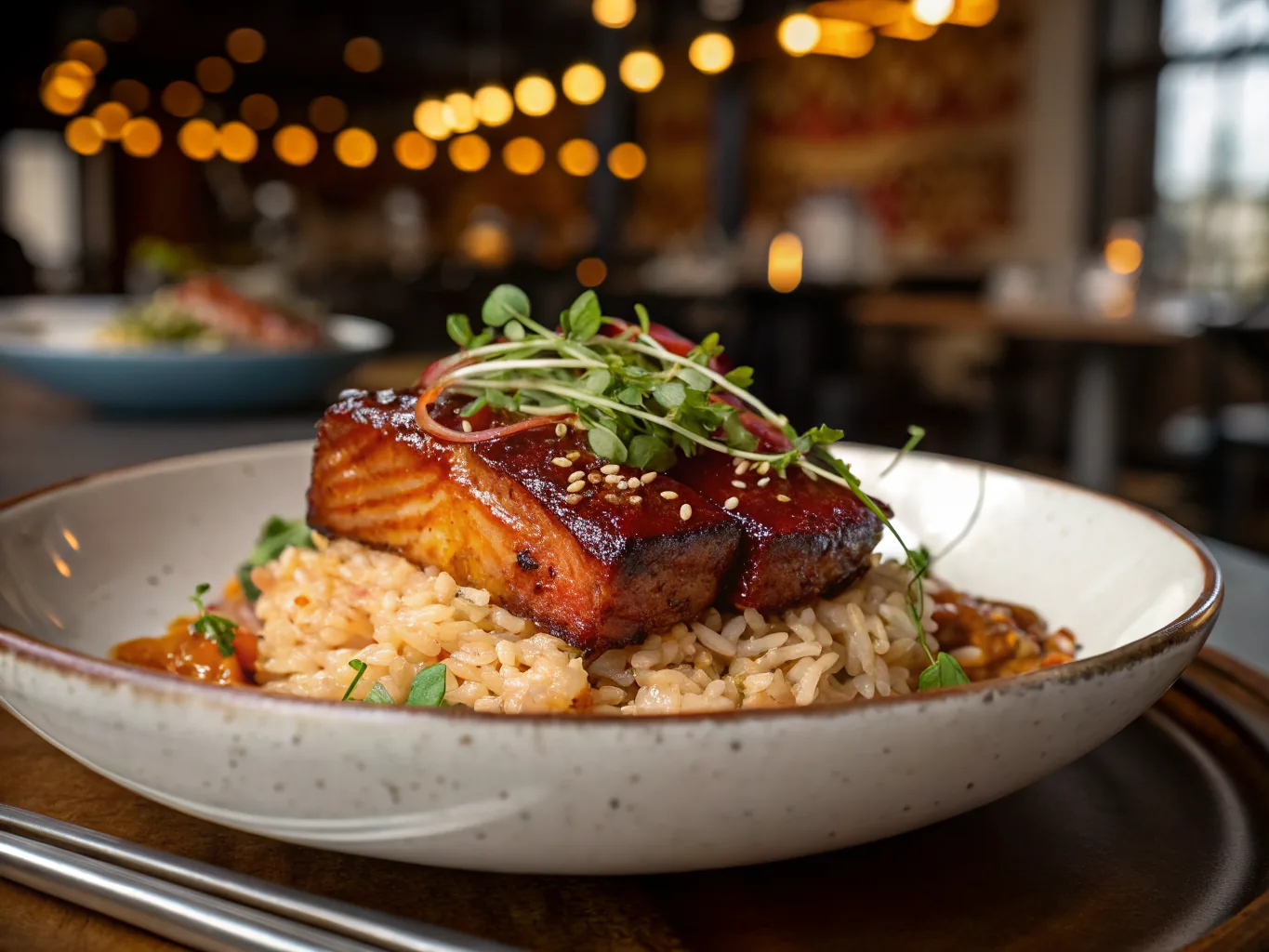
Imagine the sizzle of pork belly hitting a hot pan, its fat rendering to a crisp golden edge while a sticky, fiery-sweet glaze of gochujang, honey, and garlic bubbles and clings to every slice. This isn't just dinner—it's a portal to the heart of Korean home cooking. But here's the twist: this intensely flavorful dish is also a meal prep powerhouse. In a world where weeknight dinners often mean compromise, gochujang glazed pork belly with sesame kimchi rice delivers boldness and convenience in one fell swoop. The pork can be batch-cooked, the rice made ahead, and the kimchi quick-stir-fried in minutes. The result is a symphony of textures and temperatures—warm rice, sizzling meat, cool crisp garnish—that transports you to a bustling Seoul market. Over the next few minutes, you'll discover how to seamlessly integrate this dish into your weekly routine, from smart storage strategies to balanced plate composition. Get ready to turn your meal prep into a delicious adventure that feels both effortless and extraordinary.
The Meal Prep Advantage: Why This Dish Works for Weekly Planning
Gochujang glazed pork belly is a meal prepper's dream because its components hold up beautifully. The pork belly, when cooked and stored properly, retains its tenderness and even deepens in flavor as the glaze penetrates. Unlike lean meats that dry out, pork belly's fat content keeps it succulent for days. The sesame kimchi rice benefits from the same principle: day-old rice actually fries better, and the kimchi's tanginess intensifies. According to a 2019 study in the Journal of Food Science, batch cooking can reduce weekly food waste by up to 30% and save households an average of 3 hours per week in kitchen time. For this dish, you can cook the pork and rice on Sunday, then assemble quick stir-fries or bowls throughout the week. The key is to store components separately and combine just before serving to maintain textures. This approach not only saves time but also ensures you're eating a balanced meal with protein, carbs, and fermented vegetables—all ready when you are.
Mastering the Glaze: The Secret to Caramelized Perfection
The gochujang glaze is where magic happens, but most home cooks make one critical mistake: they add the glaze too early. Gochujang, a fermented chili paste, contains sugars that burn quickly over high heat. The trick is to render the pork belly first, cooking it until the fat is crispy and golden, then remove it from the pan. Only after the pan is slightly cooled should you add the glaze ingredients—gochujang, honey, soy sauce, garlic, and sesame oil—and let them bubble into a sticky sauce. Toss the pork back in to coat. This method, used in Korean restaurants, ensures the glaze clings without scorching. Also, choose pork belly with even fat layers; a 50/50 meat-to-fat ratio is ideal for rendering. For an extra depth of flavor, add a teaspoon of grated Asian pear or apple to the glaze—a traditional Korean technique that adds natural sweetness and helps tenderize the meat.
Kimchi: The Fermented Soul of Korean Cuisine
Kimchi is more than a side dish; it's a cultural icon with a history spanning over 2,000 years. Originally a simple salted vegetable, kimchi evolved with the introduction of chili peppers from the Americas in the 17th century. Today, there are over 200 varieties, but napa cabbage kimchi is the most common. In this recipe, quick-stir-frying kimchi with sesame oil mellows its sharp acidity and deepens its umami, creating a perfect counterpoint to the sweet-spicy pork. Kimchi is also a probiotic powerhouse, rich in Lactobacillus bacteria, which support gut health. A 2018 study from Korea University found that regular kimchi consumption may improve cholesterol levels and boost immunity. When batch cooking, stir-fry a large batch of kimchi at once—it keeps for a week and can be used in omelets, fried rice, or as a condiment. This not only saves time but also adds a punch of flavor to any meal.
Pro Tip: The Two-Stage Cooking Method for Crispy Pork
Achieving that perfect crisp on pork belly while keeping the inside tender is all about temperature control. Here's the pro tip: use a two-stage cooking method. First, poach the pork belly slices in simmering water with ginger and scallions for 10 minutes. This step, known as 'blanching,' removes impurities and sets the shape, ensuring even cooking. Then, pat the slices dry and sear them in a hot pan until golden. This technique, common in Korean and Chinese kitchens, guarantees a crispy exterior without overcooking the meat. For meal prep, you can blanch the pork ahead of time and refrigerate; then sear and glaze on the day you serve. This split approach reduces weeknight cooking time to under 15 minutes. Additionally, when reheating glazed pork, use a skillet over medium heat rather than a microwave—this restores the crispness and prevents sogginess. A quick tip: add a splash of water and cover to steam gently, then uncover to re-crisp.
Balancing Bold Flavors: A Nutritionist's Perspective
At first glance, pork belly might seem indulgent, but in moderation and with the right companions, it can be part of a balanced diet. A 3-ounce serving of pork belly provides about 15 grams of protein and 25 grams of fat, along with essential vitamins like B12 and thiamine. The key is portion control and pairing with fiber-rich vegetables. The sesame kimchi rice adds fermented probiotics and sesame seeds contribute healthy fats and calcium. To lighten the dish, serve with extra steamed greens like spinach or bok choy. The gochujang glaze, while containing honey, offers capsaicin from chili peppers, which may boost metabolism. According to a 2020 review in Nutrients, fermented foods like kimchi can enhance gut microbiome diversity, which is linked to better weight management. By batch-cooking, you control portions and avoid takeout temptations. This dish exemplifies how traditional Korean meals balance flavors and nutrients: spicy, sweet, sour, and savory, with a mix of carbohydrates, proteins, and vegetables.
Frequently Asked Questions
Q: Can I make this dish ahead of time and reheat it? A: Yes, absolutely. Cook the pork and rice separately, store in airtight containers in the refrigerator for up to 4 days. Reheat pork in a skillet for best texture, rice in the microwave with a splash of water. Q: Is pork belly healthy? A: In moderation, yes. It's high in fat and calories, so pair with plenty of vegetables and keep portions to 3-4 ounces. The fat is mostly monounsaturated, similar to olive oil. Q: Can I substitute gochujang? A: If unavailable, mix equal parts miso paste and sriracha with a pinch of sugar. This approximates the fermented depth and heat, though the flavor will differ slightly.
Key Takeaways
Embrace the two-stage cooking method: blanch pork belly first, then sear and glaze for crispy perfection every time. Batch cook components separately—pork, rice, and kimchi—to maintain optimal textures throughout the week; store in airtight containers for up to four days. Balance the richness by serving with extra vegetables and controlling portions to 3-4 ounces of pork per meal. Quick-stir-fry kimchi in bulk to use as a versatile condiment that boosts flavor and probiotics. Finally, remember that this dish is a canvas for your creativity: adjust the glaze sweetness, add extra garlic, or toss in other vegetables. With these strategies, you'll transform a beloved Korean classic into a sustainable, delicious part of your weekly routine. Now, fire up that skillet and get cooking—your taste buds and future self will thank you.
Try these recipes on DishIndex
Explore gochujang pork belly recipes and more