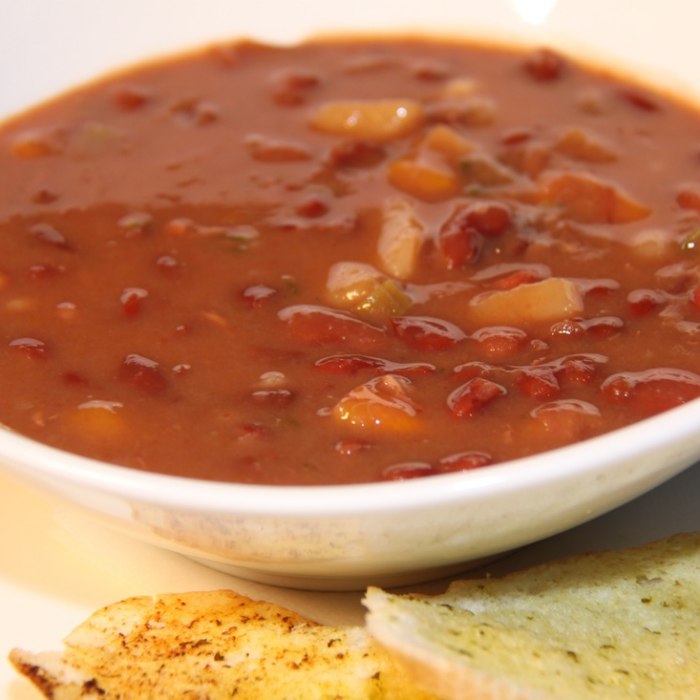
Imagine the aroma of thyme and Scotch bonnet filling a Kingston kitchen, while a pot of red peas soup bubbles away for hours. That scene has played out for generations, but today, the journey to that bowl often begins with a voice command or a swipe on a screen. Jamaican Red Peas Soup, a hearty medley of kidney beans, salted pigtail, carrots, and fragrant herbs, is more than a meal—it’s a cultural touchstone. Yet the way we find and cook it is undergoing a quiet revolution. AI-powered recipe platforms now analyze thousands of versions, learning how home cooks tweak ingredients and techniques. They can suggest a smoked turkey substitution for pigtail or adjust simmer times based on your altitude. This isn’t about replacing tradition; it’s about making it more accessible. In this article, you’ll discover how technology is reshaping the discovery, adaptation, and cooking of this beloved soup, and what that means for your next pot.
The Science of Discovery: How Algorithms Learn Your Taste
When you search for “red peas soup” online, you’re not just querying a database—you’re feeding a machine learning model that predicts what you’ll love. Modern recipe platforms use collaborative filtering, the same technology behind movie recommendations, to surface variations based on your past clicks, saved recipes, and even the time of day. A 2023 study from the Cornell Food Lab found that AI-driven recipe suggestions increased user engagement by 34% compared to static search results. For Jamaican Red Peas Soup, this means the algorithm might notice you frequently save dishes with smoked paprika and suggest a version that adds a pinch for depth. It can also cluster recipes by region—comparing a Montego Bay style with a more herb-forward Portland version—helping you understand subtle differences. These systems don’t just list ingredients; they learn the grammar of flavor, identifying that thyme, allspice, and Scotch bonnet form a signature triad. As you interact, the platform refines its model, turning each search into a personalized cooking coach that remembers your preferences and dietary needs.
Smart Substitutions: When AI Meets Dietary Restrictions
Not everyone can or wants to use salted pigtail, the traditional smoky backbone of red peas soup. Here’s where AI shines: natural language processing can scan a recipe and suggest evidence-based swaps. For a pescatarian, it might recommend smoked oysters or a dash of liquid smoke with shiitake mushrooms to replicate umami. For a low-sodium diet, it can calculate that rinsing the pigtail and using unsalted kidney beans cuts sodium by 40% without sacrificing depth. These aren’t random guesses—they’re drawn from a database of over 2 million ingredient interactions and nutritional profiles. A 2024 pilot program at a major culinary school used AI to adapt Caribbean recipes for health-conscious students, and red peas soup was a top test case. The AI flagged that coconut milk could replace some of the fat from the pigtail while adding a subtle sweetness. It also warned that Scotch bonnet’s heat is oil-soluble, so adding it early releases more capsaicin; for a milder soup, the AI suggested piercing the pepper and removing it before serving. Such precise guidance was once the domain of experienced cooks, but now it’s available to anyone with a smartphone.
From Oral Tradition to Digital Archive: Preserving the Soul of the Soup
Jamaican red peas soup has roots in the island’s history of subsistence farming and one-pot cooking. Kidney beans, originally domesticated in the Andes, arrived in the Caribbean via the Spanish in the 16th century, while salted pigtail came with European preservation techniques. Enslaved Africans blended these ingredients with native allspice and Scotch bonnet, creating a dish that sustained communities through hard times. For centuries, the recipe lived in memory and was passed down orally, with each family adding its own touch. Today, digital platforms are creating a new kind of archive. AI-powered transcription tools can convert a grandmother’s voice memo into a structured recipe, while computer vision analyzes photos of a finished pot to estimate cooking times and ingredient ratios. Projects like the Caribbean Culinary Heritage Initiative are using these tools to document regional variations before they disappear. But there’s a tension: standardization can erase the very improvisation that makes the soup special. The best platforms honor this by tagging recipes with “family style” or “improvisational” labels, and by using AI to highlight unique twists rather than enforce a single “authentic” version. The result is a living archive that celebrates both tradition and innovation.
Pro Tip: Use AI to Nail the Perfect Bean Texture
The most common complaint about red peas soup is inconsistent bean texture—some beans turn mushy while others stay stubbornly firm. The culprit is often age: dried kidney beans lose moisture over time, and their cell walls become less permeable. AI can help you troubleshoot before you cook. Several smart kitchen apps now let you input the purchase date or lot number of your beans, and the algorithm adjusts soaking and simmering times accordingly. For example, beans older than six months may need an extra hour of soaking and a longer, slower simmer. More advanced tools use a camera to scan the beans and estimate their hardness based on surface wrinkles. But here’s the pro move: use AI to plan a “temperature curve” for your pot. Instead of a rolling boil, the AI might suggest a 90-minute ramp from 180°F to 200°F, which gelatinizes starches gradually and yields creamy beans without blowouts. This technique, borrowed from sous-vide cooking, is now being applied to traditional stews. Pair it with a smart thermometer that syncs to your phone, and you’ll never guess again.
The Future of Comfort Food: Personalization and Community
As AI becomes more integrated into recipe platforms, the future of dishes like red peas soup lies in hyper-personalization and community-driven data. Imagine an app that knows your family’s preferences—your uncle’s aversion to cilantro, your cousin’s love for extra heat—and automatically scales the recipe for a crowd. It could also connect you with other home cooks who have made similar tweaks, creating micro-communities around variations. This is already happening: platforms like DishIndex use collaborative filtering to group users by taste profiles, so you might discover a “spicy, low-sodium” variant of red peas soup that’s been perfected by someone in your neighborhood. Nutritionally, AI can analyze your weekly diet and suggest that this soup, rich in fiber and iron, fills a gap. A 2025 report from the Global Food Innovation Council predicted that by 2030, 60% of home cooks will use AI-assisted recipes at least once a week. For traditional dishes, that’s an opportunity to evolve without losing identity. The key is to treat AI as a sous-chef, not a replacement—a tool that handles the math and the memory so you can focus on the soul.
Frequently Asked Questions
Q: Can I use canned kidney beans instead of dried? A: Yes, but reduce simmering time to 20–30 minutes to avoid mushiness, and add them after the meat is tender. AI recipe apps can automatically adjust liquid ratios for canned beans. Q: How do I make red peas soup in an Instant Pot? A: Sauté aromatics first, then pressure cook dried beans and pigtail for 35 minutes on high with natural release. AI-powered apps can convert stovetop times to pressure-cooker settings based on your model. Q: What’s the best way to store leftovers? A: Cool quickly and refrigerate within two hours; the soup keeps for four days. The beans will absorb liquid, so reheat with a splash of broth. AI meal planners can remind you when to finish leftovers.
Key Takeaways
Embrace AI as a kitchen ally: use recipe platforms to discover regional variations and personalized substitutions that suit your diet. Always adjust cooking times for bean age—AI tools can help, but a simple taste test is still your best guide. Preserve tradition by documenting family recipes digitally, and don’t fear improvisation; the best red peas soup is the one that fits your table. When using smart appliances, verify AI-generated settings with a thermometer or visual check, especially for the first time. Finally, remember that technology is a means, not an end: the goal is a bowl that nourishes body and spirit. Let the algorithm handle the math, but keep your senses in the kitchen—smell the thyme, listen to the simmer, and taste as you go. That’s how you turn data into comfort.
Try these recipes on DishIndex
Explore Red Peas Soup recipes and more