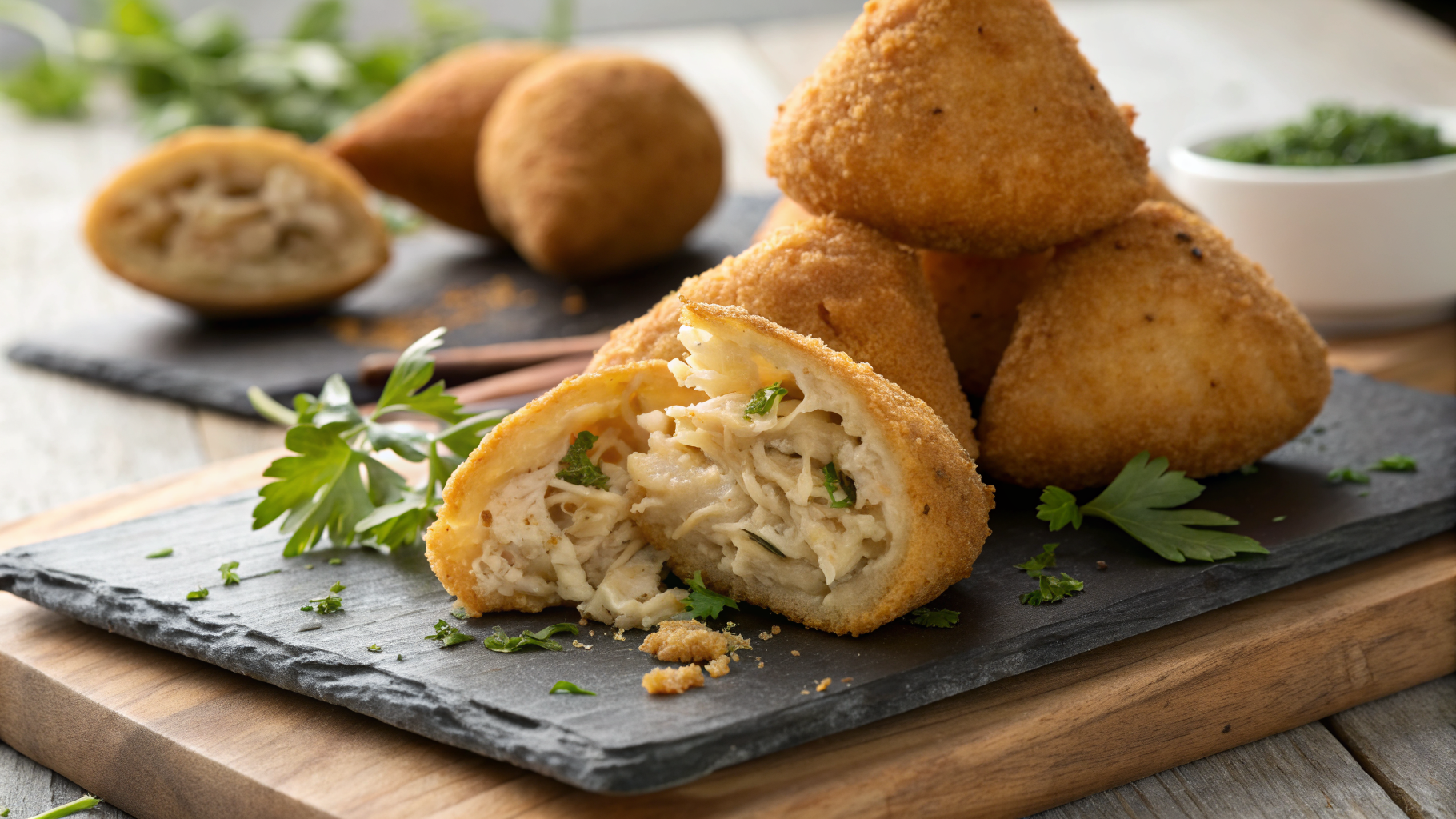
The first time I bit into a coxinha at a bustling feira in São Paulo, the crunch gave way to a creamy, savory chicken filling that tasted like comfort and celebration all at once. But beyond its irresistible texture, this teardrop-shaped croquette hides a surprisingly balanced nutritional profile. While deep-frying might raise an eyebrow, the filling—chicken breast, cream cheese, onion, and garlic—delivers high-quality protein, essential vitamins, and minerals. In a world where street food is often dismissed as empty calories, coxinha offers a genuine opportunity to enjoy a culturally rich snack that also nourishes. In this article, we'll unpack the macros, micronutrients, and health science behind each ingredient, explore how cooking methods affect its nutritional value, and share practical tips for making this Brazilian classic a smarter part of your diet. Whether you're a fitness enthusiast or a curious food lover, you'll discover why coxinha deserves a place on your plate—and how to savor it guilt-free.
Macro Breakdown: Protein, Carbs, and Fats in Every Bite
A typical 50-gram coxinha contains approximately 8 grams of protein, 15 grams of carbohydrates, and 7 grams of fat, totaling around 155 calories. The chicken breast is the star, providing lean protein with all nine essential amino acids, crucial for muscle repair and satiety. The all-purpose flour in the dough supplies quick energy, while the cream cheese adds richness and a small amount of calcium. However, deep-frying contributes significantly to the fat content—about 40% of the total calories come from lipids. Research from the Journal of Food Science shows that baking instead of frying can reduce fat by up to 60% without compromising texture. The onion and garlic not only flavor the filling but also add trace amounts of fiber and antioxidants. For a balanced meal, pair two coxinhas with a fresh salad; the fiber and vitamins from greens help slow glucose absorption and enhance satiety, making this street food a more complete nutritional package.
Micronutrient Spotlight: Vitamins and Minerals in Chicken and Garlic
Chicken breast is renowned for its B-vitamin complex, particularly niacin (B3) and pyridoxine (B6), which support energy metabolism and nervous system health. A 100-gram portion provides over 50% of the daily recommended intake of B6, essential for neurotransmitter synthesis. Garlic, a key aromatic, contains allicin, a sulfur compound with documented antimicrobial and anti-inflammatory properties; studies suggest it may help lower blood pressure and improve cholesterol profiles. Onions contribute quercetin, a flavonoid linked to reduced oxidative stress. The cream cheese, though modest in quantity, adds vitamin A and calcium. Importantly, the cooking process—simmering the chicken and sautéing the aromatics—preserves most water-soluble vitamins, as the broth retains nutrients that might otherwise be lost. When you make coxinha at home, using homemade chicken broth further boosts the mineral content, providing potassium and magnesium. These micronutrients work synergistically to support immune function, cardiovascular health, and cellular energy production.
From Feira to Table: The Cultural and Nutritional Evolution of Coxinha
Coxinha's origins are debated, but most food historians trace it to São Paulo in the late 19th century, possibly inspired by a savory pastry shaped like a chicken thigh. It became a staple at feiras (open-air markets) and padarias (bakeries), where workers sought a portable, filling snack. Over time, the recipe evolved: early versions used leftover chicken and dough made from broth and flour, a thrifty approach that maximized nutrition. In the 20th century, cream cheese was added for richness, and deep-frying became the norm. Today, coxinha is a national symbol, celebrated on June 29th as Dia do Coxinha in some regions. Nutritionally, the traditional method of using chicken broth in the dough infuses flavor without extra fat, and the addition of vegetables like onion and garlic reflects a resourceful use of aromatics. This history underscores how street food can be both culturally significant and nutritionally sensible when made with care.
Pro Tip: Bake or Air-Fry for a Healthier Crunch
Most home cooks default to deep-frying for that signature crunch, but you can dramatically cut fat and calories by baking or air-frying. The secret lies in the breading: after shaping the coxinhas, dip them in beaten egg and then coat with panko breadcrumbs mixed with a tablespoon of oil. This encourages browning without immersion in oil. Preheat your oven to 400°F (200°C) or air fryer to 375°F (190°C), and bake for 20-25 minutes, turning halfway. The result is a golden, crispy exterior with about 60% less fat than the fried version. Another trick: add a teaspoon of olive oil to the dough instead of butter to improve the fat profile. For extra fiber, substitute 20% of the all-purpose flour with whole wheat flour—this adds 2 grams of fiber per serving and a nutty flavor that complements the chicken. These small adjustments preserve the essence of coxinha while aligning it with modern health guidelines.
Coxinha in the Age of Functional Foods: Trends and Research
As consumers seek healthier street food options, coxinha is undergoing a modern makeover. Food scientists are exploring alternative flours like chickpea or quinoa to boost protein and fiber, and some chefs are experimenting with baked versions that retain the iconic shape. Recent research in the journal Nutrients highlights the importance of portion control and cooking methods in traditional foods; coxinha, when baked and served with a side of vegetables, can fit into a Mediterranean-style diet. Moreover, the use of fresh garlic and onion aligns with the growing interest in prebiotic-rich ingredients that support gut health. The global rise of Brazilian cuisine—from açaí bowls to pão de queijo—has positioned coxinha as a candidate for health-conscious innovation. By understanding its nutritional foundation, you can enjoy this cultural treasure while embracing contemporary dietary wisdom, proving that tradition and health can coexist deliciously.
Frequently Asked Questions
Q: Is coxinha healthy? A: It can be part of a balanced diet. A baked coxinha provides lean protein from chicken breast, plus vitamins from garlic and onion. Deep-fried versions are higher in fat and calories, so enjoy them in moderation and pair with vegetables. Q: Can I make coxinha gluten-free? A: Yes, substitute all-purpose flour with a gluten-free blend containing xanthan gum. The dough may be slightly stickier, so adjust with additional flour until it holds shape. Baking works better than frying for gluten-free versions. Q: How do I prevent the filling from leaking during frying? A: Ensure the dough is thick enough and seal the teardrop shape tightly. Chill the coxinhas for 30 minutes before frying to set the breading. Also, avoid overfilling; a tablespoon of filling per coxinha is ideal.
Key Takeaways
Coxinha is more than a guilty pleasure—it's a protein-rich snack with a fascinating nutritional profile. By choosing to bake or air-fry, you can reduce fat by up to 60% while keeping the crunch. The chicken breast delivers essential B vitamins and lean protein, while garlic and onion add antioxidants and flavor. Using homemade broth in the dough boosts minerals without extra calories. Finally, pair coxinha with a fresh salad or cooked vegetables to increase fiber and slow glucose absorption. These simple adjustments let you savor the taste of Brazil while honoring your health goals. Whether you're hosting a party or enjoying a cozy night in, coxinha can be a delicious, culturally rich, and surprisingly nourishing choice.
Try these recipes on DishIndex
Explore chicken coxinha recipes and more