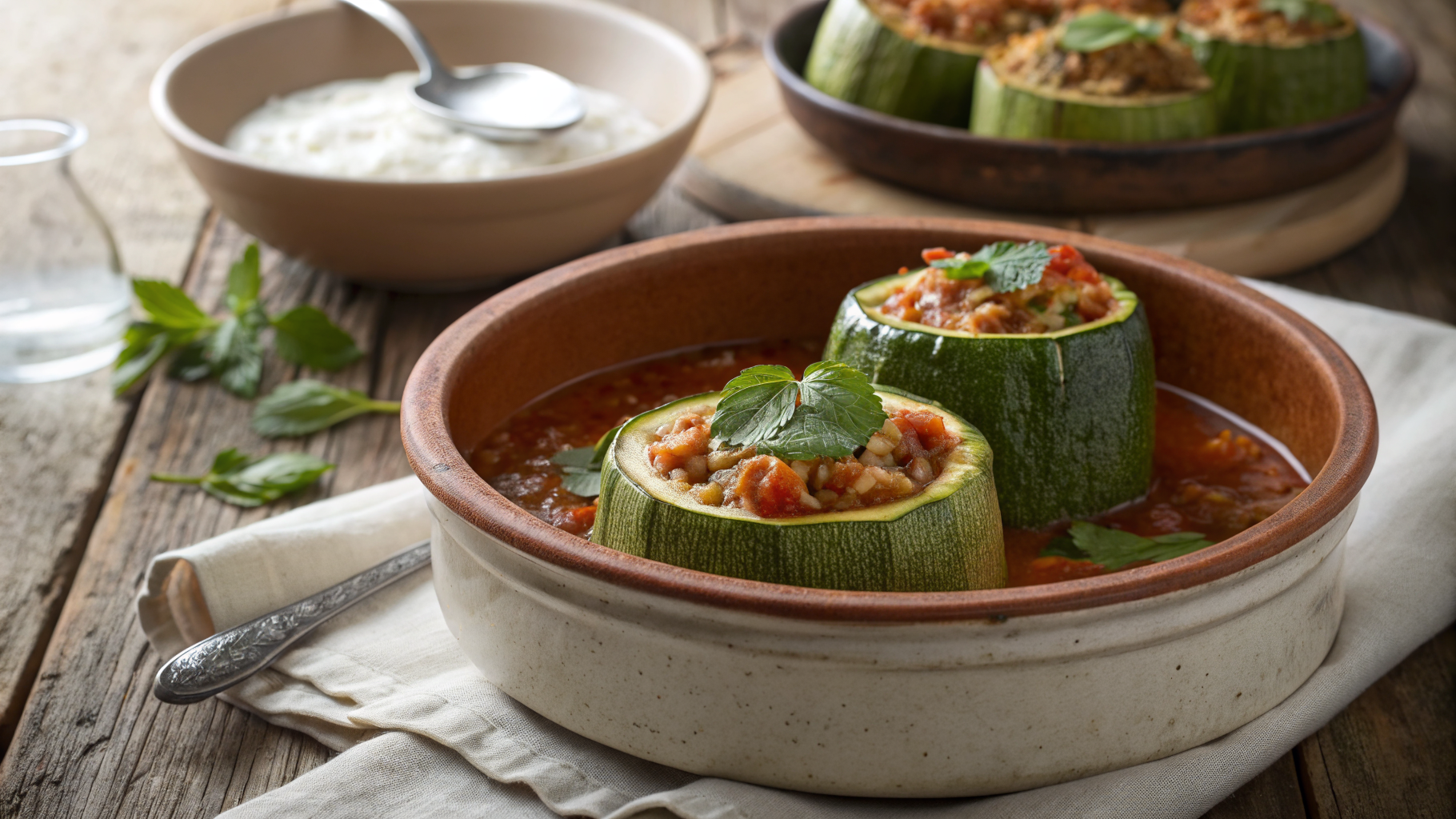
The scent of garlic and tomatoes simmering with fresh mint is the first thing that greets you in a Lebanese kitchen preparing kousa mahshi. This dish, humble yet profound, has been a staple of family gatherings for generations. But today, the way we find and cook it is changing. Imagine a young cook in a small apartment, far from her grandmother's village, pulling up a recipe on her phone. An AI-powered platform suggests a variation that uses the herbs she has on hand, and a smart timer reminds her when to flip the zucchini. Technology is not replacing tradition; it is making it more accessible. In this article, we will explore how AI tools and modern platforms are transforming recipe discovery and adaptation, using Lebanese stuffed zucchini as a lens. You will learn how algorithms curate recipes, how apps help you tweak ingredients, and how digital communities keep culinary heritage alive. By the end, you will see kousa mahshi not just as a dish, but as a case study in the future of home cooking.
The Algorithmic Path to Kousa Mahshi
When you search for 'Lebanese stuffed zucchini' online, you are interacting with a complex recommendation system. Platforms use natural language processing to analyze recipe text, ingredient lists, and user reviews. They then match your query with recipes based on relevance, popularity, and even your past behavior. For example, a 2022 study in the Journal of Food Science found that recipe websites using AI-driven personalization saw a 30% increase in user engagement. This means that when you look for kousa mahshi, the platform might surface a version that aligns with your preference for quick meals or vegetarian options. Behind the scenes, algorithms also parse user-generated content, like comments and ratings, to rank recipes. So the next time you find a highly-rated stuffed zucchini recipe, remember that machine learning helped put it at the top of your feed.
Adapting the Recipe with AI Assistance
One of the most powerful uses of AI in cooking is ingredient substitution. Suppose you want to make kousa mahshi but lack short-grain rice. An AI-powered cooking assistant can suggest alternatives like Arborio or even quinoa, adjusting liquid ratios accordingly. These tools rely on databases of ingredient properties and culinary knowledge graphs. For instance, a 2021 paper in the Journal of Culinary Science & Technology described a system that recommends substitutions based on flavor profiles and cooking behavior. Beyond substitutions, AI can scale recipes up or down, convert measurements, and even generate step-by-step instructions tailored to your skill level. This is particularly useful for a dish like kousa mahshi, where the rice-to-herb ratio and simmering time are critical. With AI, you can adapt the recipe to your pantry and preferences without losing the essence of the dish.
The Cultural Roots of Kousa Mahshi
Kousa mahshi is more than a recipe; it is a symbol of Lebanese hospitality. The dish likely originated in the Levant during the Ottoman era, when stuffing vegetables became a hallmark of elaborate cooking. In Lebanon, it is often prepared for family gatherings, especially during Ramadan and Eid. The name itself, 'kousa' for zucchini and 'mahshi' for stuffed, reflects the Arabic language's descriptive nature. Traditionally, the zucchini are hollowed out with a special corer, a task often passed down through generations. The filling varies by region: in some areas, cooks add ground lamb, while vegetarian versions like this one are common during Lent. The slow simmering in a tomato broth is a technique that infuses the rice with flavor and softens the zucchini. Today, technology helps preserve these traditions by digitizing family recipes and sharing them across diaspora communities.
Pro Tip: The Rice-to-Herb Ratio That Makes or Breaks Kousa Mahshi
Most home cooks overload the filling with rice, leading to a dense, stodgy center. The secret to light, aromatic kousa mahshi is a higher proportion of herbs and vegetables to rice. For every cup of short-grain rice, use at least one and a half cups of finely chopped parsley and mint, plus half a cup of diced tomato and onion. This ratio ensures that the filling steams into a fluffy, fragrant mixture. Another overlooked trick: soak the rice in warm water for 20 minutes before mixing. This short soak reduces cooking time inside the zucchini and prevents the rice from expanding and bursting the delicate walls. Finally, do not overfill; leave a quarter-inch of space at the top for the rice to expand. These small adjustments, often missed in online recipes, can elevate your dish from good to unforgettable.
Kousa Mahshi in the Age of Smart Kitchens
The modern kitchen is increasingly connected, and kousa mahshi is not immune to this trend. Smart ovens and multi-cookers now come with pre-programmed settings for stuffed vegetables, taking the guesswork out of simmering. Some apps use computer vision to guide you through hollowing zucchini, analyzing the thickness of the walls via your phone camera. Moreover, meal-planning platforms integrate recipes like this one into weekly menus, automatically generating shopping lists. This integration is particularly beneficial for busy families who want to cook traditional dishes but lack time. According to a 2023 survey by the International Food Information Council, 45% of home cooks use digital tools to plan meals at least once a week. As technology advances, we can expect even more seamless integration, making dishes like kousa mahshi more accessible than ever.
Frequently Asked Questions
Q: Can I use a different type of rice for kousa mahshi? A: Yes, but short-grain rice like Arborio or Egyptian rice is preferred because it becomes creamy and holds together. Long-grain rice may not bind as well and can fall out of the zucchini. Q: How do I prevent the zucchini from becoming mushy? A: Choose firm, medium-sized zucchini and simmer gently in the broth for no more than 30-40 minutes. Overcooking leads to mushiness. Also, do not hollow them too thin. Q: Can I make this dish ahead of time? A: Absolutely. You can assemble the stuffed zucchini and refrigerate for up to 24 hours before cooking. The flavors meld beautifully, and you can simmer them just before serving.
Key Takeaways
Technology is not replacing the soul of Lebanese cooking; it is making it more discoverable and adaptable. AI-powered platforms can help you find recipes that match your dietary needs and available ingredients. When making kousa mahshi, remember the herb-to-rice ratio and the soaking trick for a light, flavorful filling. Embrace digital tools for meal planning and smart cooking, but always trust your senses. The next time you cook this dish, consider how far the recipe has traveled, from a village kitchen to a global digital table. With these insights, you are ready to bring a taste of Lebanon into your home, with a little help from modern innovation.
Try these recipes on DishIndex
Explore stuffed zucchini recipes and more