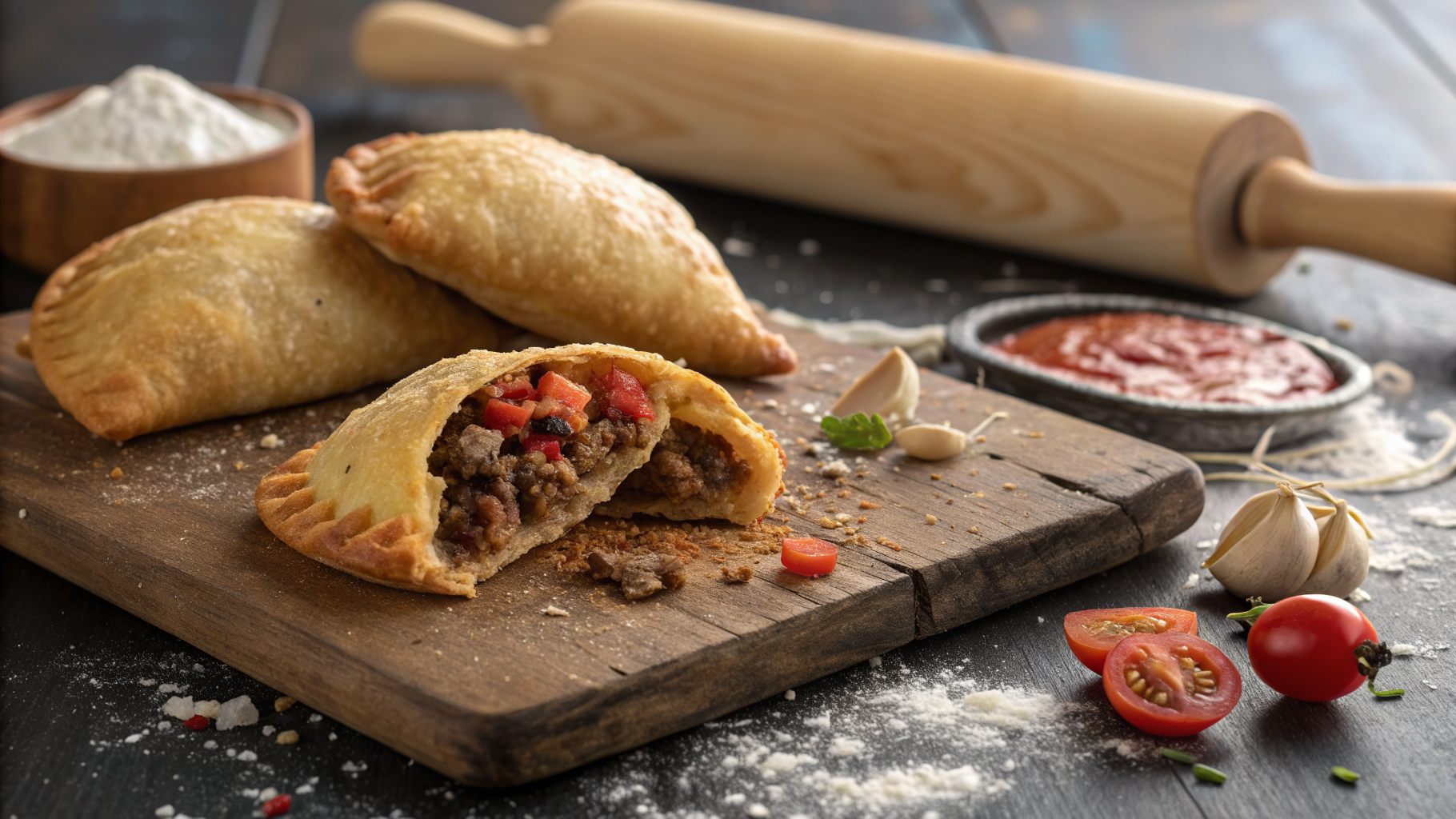
Picture this: a bustling Sunday market in Montevideo, the air thick with the scent of frying dough and simmering beef. Empanadas are more than a snack in Uruguay—they're a cultural cornerstone, a portable meal that brings families together. But behind every great empanada lies a series of precise techniques that separate the sublime from the mediocre. Take the dough: a simple mix of lard, water, salt, and all-purpose flour. That lard isn't just for flavor; it's the secret to a flaky, tender crust that shatters pleasantly with each bite. Then there's the filling—juicy sirloin, tomatoes, garlic, and a hint of smoked paprika. The sear on the beef is critical, locking in juices and building deep flavor. In this article, I'll guide you through the chef-level tips and culinary science that transform a humble empanada into a masterpiece. You'll learn how to avoid common mistakes like overworking the dough or under-seasoning the filling. By the end, you'll have the confidence to craft empanadas that rival those of the best Uruguayan bakeries. So, tie on your apron and get ready to master the art of beef empanadas.
The Science of Lard-Based Dough
Lard has been a staple in Uruguayan baking for centuries, and for good reason. Unlike butter, which contains about 15-20% water, lard is virtually water-free, resulting in a more concentrated fat that creates a uniquely flaky texture. When you cut lard into flour, it coats the flour particles, preventing gluten development. This is crucial: overdeveloped gluten leads to tough, chewy empanadas. The ideal ratio is 1 part lard to 2 parts flour by weight, with just enough ice water to bring the dough together. The water should be ice-cold to keep the fat solid; if the fat melts before baking, you lose the layering effect. Resting the dough in the refrigerator for at least 30 minutes allows the gluten to relax and the fat to firm up, making rolling easier. A common mistake is using warm water or overmixing—both result in a dense crust. Remember, the goal is a dough that's easy to handle but still cold. When you roll it out, you should see small flecks of lard, a sign that the fat is evenly distributed and ready to create steam pockets in the oven.
Searing Sirloin: The Maillard Reaction
The filling's depth of flavor hinges on how you cook the beef. Sirloin is a lean cut, but it still benefits from a hard sear. The Maillard reaction—a chemical reaction between amino acids and reducing sugars—occurs at temperatures above 300°F (150°C), creating hundreds of flavor compounds. To achieve this, your pan must be screaming hot before the meat hits it. A common error is overcrowding the pan, which drops the temperature and steams the beef instead of browning it. Sear the sirloin in batches, ensuring each piece has space. Don't move the meat for the first two minutes; let a crust form. Once browned, remove the beef and sauté the tomatoes, garlic, and smoked paprika in the same pan, scraping up the fond (the browned bits) for extra flavor. This step, called deglazing, is often overlooked but is a chef's secret for layering flavor. Also, season the beef generously with salt just before searing—salt draws out moisture, so salting too early can prevent browning. The result? A filling that's juicy, savory, and complex.
Uruguayan Empanada Traditions
Empanadas arrived in Uruguay with Spanish colonists in the 16th century, but they quickly evolved into a distinct national dish. In Uruguay, empanadas are typically baked, not fried, and the dough often includes lard for richness. The filling varies by region: in coastal areas, seafood empanadas are common, while inland, beef reigns supreme. The Uruguayan version is known for its juicy filling, achieved by adding a bit of broth or water to the meat mixture. Traditionally, empanadas are served as a starter or a snack, often accompanied by a glass of wine or mate. They're also a fixture at national celebrations like Carnaval and the Fiesta de la Empanada in the town of San José de Mayo. Each family has its own recipe, passed down through generations, and the art of folding the repulgue (the braided edge) is a point of pride. Understanding this cultural context elevates your cooking: you're not just making a meal, you're participating in a tradition that spans centuries and continents.
Pro Tip: The Smoked Paprika Secret
Smoked paprika is a game-changer in beef empanadas, but most home cooks use it incorrectly. The key is to add it at the right moment: after the tomatoes have cooked down and the pan is off the heat. Why? Because smoked paprika contains volatile compounds that dissipate with prolonged heat. By stirring it in at the end, you preserve its smoky aroma and prevent bitterness. Use sweet smoked paprika (dulce) for a balanced flavor, or hot (picante) for a kick. A little goes a long way—start with half a teaspoon per pound of beef. For an extra layer, combine it with a pinch of ground cumin and a splash of red wine vinegar to brighten the richness. Another pro tip: toast the paprika briefly in a dry pan before adding it to the filling. This activates its oils and intensifies the flavor. Just be careful not to burn it—10 seconds is enough. This simple step will make your empanadas memorable, adding a depth that tasters can't quite place but will love.
Empanadas in Modern Cuisine
In recent years, empanadas have transcended their traditional roots, appearing on menus from food trucks to fine dining. The rise of Latin American cuisine globally has spotlighted the empanada as a versatile canvas for creative fillings, from pulled pork to mushroom and cheese. Nutritionally, beef empanadas offer a balance of protein, carbohydrates, and fats, though moderation is key due to the lard content. The dish also fits into the trend of portable, hand-held foods that are perfect for on-the-go lifestyles. Moreover, the emphasis on authentic, slow-cooked flavors aligns with the farm-to-table movement. Home cooks are increasingly interested in mastering empanada dough from scratch, rejecting store-bought shortcuts. This resurgence has also led to a deeper appreciation for traditional fats like lard, which, contrary to past misconceptions, can be part of a healthy diet when used mindfully. By making empanadas at home, you're not only connecting with tradition but also participating in a broader culinary conversation about sustainability and craftsmanship.
Frequently Asked Questions
Q: Can I use butter instead of lard? A: Yes, but substitute an equal weight of cold unsalted butter. The crust will be slightly less flaky and more flavorful, with a hint of dairy. Keep the butter very cold and handle the dough minimally. Q: How do I prevent my empanadas from leaking in the oven? A: Ensure the filling is completely cool before assembling. Also, don't overfill; about two tablespoons per empanada is ideal. Seal the edges tightly with a fork or a braided repulgue, and brush with egg wash for a golden finish. Q: Can I make empanadas ahead of time? A: Absolutely. Freeze assembled, unbaked empanadas on a baking sheet, then transfer to a zip-top bag. Bake from frozen at 375°F (190°C) for 20-25 minutes. Alternatively, refrigerate baked empanadas and reheat in a 350°F oven for 10 minutes.
Key Takeaways
Mastering beef empanadas comes down to a few critical techniques. First, keep your dough cold and handle it gently to avoid gluten development, ensuring a flaky crust. Second, sear the sirloin in a hot pan without overcrowding, and deglaze with tomatoes and garlic to build a rich filling. Third, add smoked paprika off the heat to preserve its smoky essence. Fourth, always cool the filling before assembling to prevent soggy dough. Finally, embrace the cultural heritage of empanadas—they're a link to Uruguayan traditions and a versatile dish for any occasion. With these insights, you're equipped to elevate your empanada game. Remember, practice makes perfect, so don't be discouraged if your first batch isn't flawless. Each attempt teaches you something new. Now, gather your ingredients, preheat your oven, and savor the journey to empanada mastery. Your taste buds will thank you.
Try these recipes on DishIndex
Explore beef empanadas recipes and more