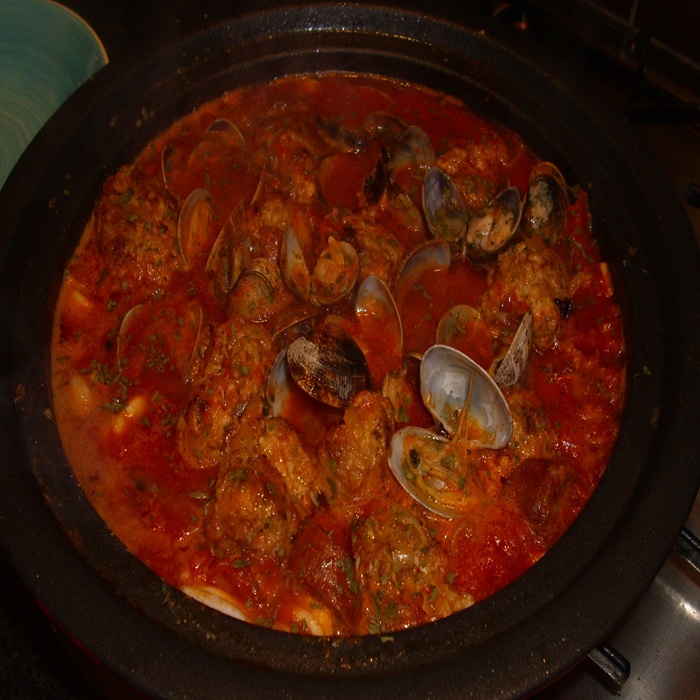
Imagine a dish that combines the smoky depth of chorizo, the briny sweetness of clams, and the tender bite of squid, all wrapped around juicy meatballs. Spanish meatballs with clams, chorizo and squid is a celebration of Spain's coastal bounty, but it's also a nutritional tour de force. While it may feel indulgent, this dish is packed with high-quality protein, essential vitamins, and trace minerals that support everything from immune function to heart health. The key ingredients—butter, shallots, smoked paprika, garlic, and dry sherry—each bring their own health-promoting compounds. In this article, we'll unpack the macros, vitamins, and research-backed benefits of this Spanish classic, so you can enjoy every bite with confidence. Get ready to discover why this flavorful fiesta is also a smart choice for your well-being.
The Macro Profile: Protein, Fats, and Smart Carbs
A typical serving of Spanish meatballs with clams, chorizo and squid delivers a balanced macronutrient profile. The meatballs, often made with a mix of ground pork and beef, provide roughly 25 grams of protein per serving, essential for muscle repair and satiety. Clams and squid add lean protein while keeping fat low—squid has just 1.4 grams of fat per 100 grams. Chorizo contributes flavorful fats, but moderation is key; a 50-gram portion adds about 15 grams of fat, half of which is monounsaturated, thanks to the pork's fat profile. The breadcrumbs in the meatballs supply complex carbohydrates, though overdoing them (as in the double-breadcrumb mishap) can spike the carb count. Overall, this dish fits well into a low-carb or Mediterranean-style diet when served with a side of greens instead of rice. The butter and olive oil used for searing add beneficial fats, but watch the quantities to keep calories in check—around 450-500 calories per serving.
Vitamins and Minerals: A Seafood Symphony
Clams are a standout ingredient, offering over 100% of the daily value for vitamin B12 in just 3 ounces, along with significant iron and selenium. Vitamin B12 is crucial for nerve function and red blood cell production, while iron prevents anemia—especially important for women. Squid provides copper and zinc, supporting immune health and wound healing. Chorizo, though processed, contains zinc and B vitamins, but its high sodium content means it should be used sparingly. The smoked paprika is a secret weapon: one teaspoon provides over 20% of the daily vitamin A requirement as beta-carotene, plus antioxidants like capsaicinoids (though milder than chili). Garlic and shallots add allicin and quercetin, compounds with anti-inflammatory properties. Dry sherry, while mostly alcohol, retains some polyphenols from grapes. Together, these ingredients create a micronutrient-dense meal that supports everything from vision to cardiovascular health.
The Mediterranean Connection: A Dish Rooted in Healthful Traditions
This dish hails from Spain's coastal regions, particularly Catalonia and Valencia, where seafood and pork are staples. It reflects the Mediterranean diet, consistently ranked among the world's healthiest eating patterns. The Mediterranean diet emphasizes fish, olive oil, garlic, and moderate wine consumption—all present here. Studies show that adherence to this diet reduces the risk of heart disease by 30% and lowers inflammation. The combination of seafood and olive oil provides omega-3 fatty acids, though clams and squid are lower in omega-3s than fatty fish; still, they offer a healthier fat profile than red meat alone. The use of smoked paprika, a New World ingredient adopted after Columbus, shows how Spanish cuisine evolved. Traditionally, this dish was a fisherman's meal, using whatever catch was available. Today, it's a testament to how traditional foods can align with modern nutritional wisdom.
Pro Tip: Balance Sodium with Acid and Herbs
One common pitfall with this dish is excessive sodium, mainly from chorizo and clams (which are naturally salty). To keep sodium in check without sacrificing flavor, use a technique favored by Spanish chefs: finish the dish with a squeeze of fresh lemon juice and a handful of chopped parsley. The acid from lemon enhances the perception of saltiness, allowing you to reduce added salt by up to 30%. Parsley adds a fresh, grassy note and is rich in vitamin K and antioxidants. Additionally, choose clams canned in water rather than brine, and rinse them well. If using fresh clams, purge them in salted water for 20 minutes to remove sand. And when selecting chorizo, opt for a dry-cured version with lower sodium, and use half the amount called for—your taste buds won't notice, but your blood pressure will thank you.
Beyond the Plate: Trends and Sustainability
As plant-forward diets gain popularity, dishes like this remind us that sustainable seafood can be part of a healthy lifestyle. Clams and squid are among the most eco-friendly protein sources, with low carbon footprints and minimal bycatch. The Monterey Bay Aquarium Seafood Watch lists farmed clams and squid as 'Best Choices.' Moreover, the dish aligns with the growing interest in nose-to-tail eating—using chorizo and meatballs together maximizes flavor while minimizing waste. Nutritionally, the combination of animal and seafood proteins provides a complete amino acid profile, which is particularly relevant for aging populations needing high-quality protein to prevent sarcopenia. The smoked paprika and garlic also tap into the trend of functional ingredients: research suggests that garlic's allicin may help lower cholesterol, and paprika's capsaicinoids may boost metabolism. This dish is a delicious way to embrace both tradition and innovation.
Frequently Asked Questions
Q: Is this dish high in cholesterol? A: Clams and squid are relatively low in cholesterol, but chorizo and meatballs contribute some. However, dietary cholesterol has a modest effect on blood cholesterol for most people. Enjoy in moderation, and use lean meats. Q: Can I make it heart-healthy? A: Yes. Use turkey or chicken for meatballs, reduce chorizo to 30 grams, and sauté with olive oil instead of butter. Add extra garlic and paprika for flavor. Q: What are the benefits of smoked paprika? A: Smoked paprika is rich in antioxidants like carotenoids and capsanthin, which may reduce inflammation. It also adds deep flavor without sodium, making it a smart salt substitute.
Key Takeaways
This Spanish meatballs with clams, chorizo and squid dish is a nutritional powerhouse, offering high-quality protein, B12, iron, and antioxidants. To maximize health benefits, moderate the chorizo, choose lean meats, and balance with lemon and herbs. Embrace the Mediterranean tradition by serving with a side of greens or a small portion of rice. Remember that seafood like clams and squid are sustainable choices. And don't fear the butter and sherry—they add flavor and beneficial compounds in small amounts. With these insights, you can cook this dish confidently, knowing it supports your well-being. So gather your ingredients, pour a glass of sherry, and savor a meal that's as nourishing as it is delicious.
Try these recipes on DishIndex
Explore Spanish meatballs recipes and more