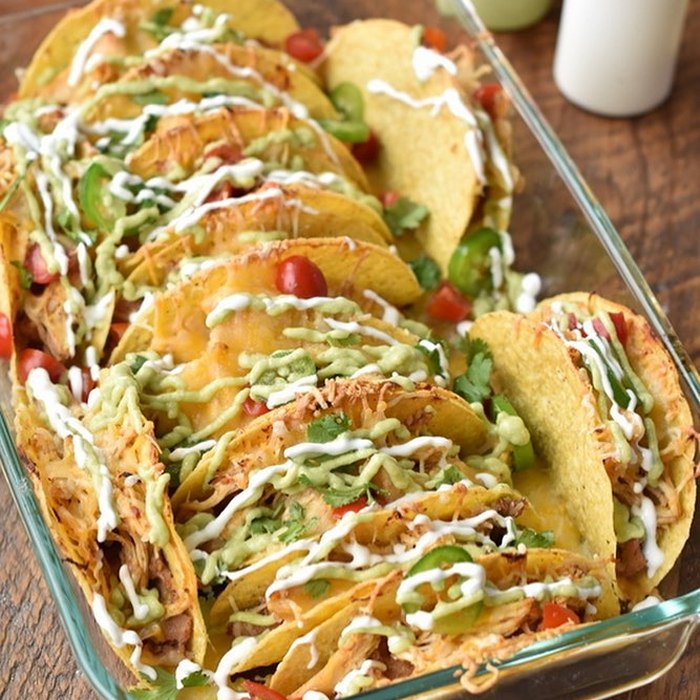
Picture this: a busy weeknight, the aroma of cumin and smoked paprika wafting from your kitchen, and a platter of golden, cheese-draped tacos emerging from the oven. Crock Pot Chicken Baked Tacos are more than a convenience meal—they're a testament to how slow cooking can transform humble chicken breasts into succulent, flavor-packed filling. But behind every great taco lies a series of small decisions that separate good from extraordinary. In this article, we'll dive deep into the culinary science of braising, the art of spice blooming, and the pitfalls that can sabotage your shells. You'll learn why vinaigrette is a brilliant braising liquid, how to prevent soggy tacos, and the cultural roots of this Mexican-inspired dish. Whether you're a seasoned cook or a curious beginner, these chef-level insights will help you serve tacos that taste like they came from a taqueria, not a slow cooker. Get ready to rethink everything you thought you knew about this set-it-and-forget-it classic.
The Science of Slow-Cooking Chicken Breasts
Chicken breasts are lean and unforgiving; overcook them and you're left with dry, stringy meat. The crock pot's moist, low-temperature environment (around 200°F) gently breaks down muscle fibers without reaching the 165°F threshold too quickly. Collagen, the connective tissue that makes meat tough, slowly gelatinizes above 160°F, yielding that pull-apart tenderness we crave. But timing is critical: four hours on high is ideal for two to three pounds of chicken. Beyond that, the meat's proteins contract excessively, squeezing out moisture. Interestingly, the vinaigrette's acidity plays a dual role—it denatures proteins, allowing them to absorb flavors, but too much acid can toughen the exterior. The dressing's oil also helps conduct heat evenly. To guarantee succulence, always check the internal temperature with an instant-read thermometer; it should register 165°F but no higher. And don't shred immediately—resting allows juices to redistribute, just like a steak.
Vinaigrette: The Unexpected Braising Liquid
Pouring an entire bottle of vinaigrette over chicken might seem odd, but it's a masterstroke of flavor engineering. Vinaigrette is an emulsion of oil and vinegar, often with herbs and spices. The oil coats the meat, preventing it from drying out, while the vinegar's acetic acid tenderizes and brightens the dish. Unlike broth, vinaigrette brings a complex tang and body that infuses the chicken as it cooks. However, not all vinaigrettes are equal: a classic balsamic or red wine vinaigrette adds depth, while a citrus-based one offers a fresher profile. Avoid creamy dressings, which can curdle under heat. The anecdote about Italian dressing is telling—its oregano and garlic notes complement the Mexican spices surprisingly well. For the best results, choose a vinaigrette with at least 30% oil, and taste it first: if it's too acidic, balance it with a pinch of sugar. This technique mirrors the French method of using vinaigrette as a marinade, known as 'vinaigrette à la moutarde' when mustard is added, which further emulsifies and flavors.
Blooming Spices: The Flavor Multiplier
Cumin and smoked paprika are the soul of these tacos, but their flavors are locked in volatile oils. To release them, you must bloom the spices—a technique where they're heated in fat before adding liquid. In this recipe, the spices are sprinkled on top of the chicken and vinaigrette, then mixed. But here's the chef's secret: for maximum potency, bloom the spices first. In a dry skillet over medium heat, toast the cumin and paprika for 30 seconds until fragrant, then add a tablespoon of oil and swirl. This step activates the compounds, making the cumin's earthy, nutty notes and paprika's smoky sweetness more pronounced. Smoked paprika, made from peppers dried over oak fires, contains guaiacol, a compound responsible for its bacon-like aroma. Cumin's cuminaldehyde is more readily released when heated. If you skip blooming, you'll still get flavor, but it'll be muted. For an extra layer, add the garlic (minced) to the bloom for 10 seconds—just until fragrant, not browned. This simple step elevates the dish from homey to restaurant-quality.
The Cultural Heritage of Tacos and Their Evolution
Tacos are a cornerstone of Mexican cuisine, with origins tracing back to the 18th century in the silver mines of Mexico, where 'taco' referred to a rolled-up paper used to wrap gunpowder. By the 19th century, it evolved into the dish we know: a tortilla filled with meat or beans. The hard-shell taco, however, is a Tex-Mex innovation, popularized in the U.S. in the mid-20th century. Traditional Mexican tacos use soft corn tortillas, but the crispy shell offers a satisfying contrast to tender fillings. Baked tacos—where filled shells are oven-baked with cheese—are a modern twist, blending the American love for casseroles with Mexican flavors. They reflect the adaptability of tacos, which have become a global platform for culinary creativity. In Mexico, 'tacos de guisado' (stewed fillings) are common, similar to our shredded chicken. The addition of refried beans, a staple of Mexican home cooking, adds creaminess and protein. This dish, while not strictly traditional, honors the spirit of Mexican cuisine: layering bold flavors and textures.
Pro Tip: Prevent Soggy Shells with a Two-Step Bake
The biggest pitfall with baked tacos is a soggy shell. The moisture from the chicken and beans can turn that crispy exterior into a mushy mess. The solution is a two-step bake: first, preheat your oven to 400°F. While it heats, warm the taco shells on a baking sheet for 3-4 minutes to crisp them slightly. Then, fill each shell with a thin layer of refried beans (which act as a moisture barrier), followed by the shredded chicken and cheese. Return to the oven for 8-10 minutes, just until the cheese melts and bubbles. This technique ensures the shell stays crisp because the beans form a hydrophobic layer, and the short bake doesn't allow moisture to penetrate. Another trick: brush the inside of the shells with a little oil before filling—this creates an additional barrier. Avoid overfilling; a packed shell steams from within. Finally, serve immediately; tacos wait for no one. These small steps make the difference between a soggy disappointment and a triumphant crunch.
Refried Beans: The Creamy Foundation
Refried beans are the unsung hero of these tacos, providing a creamy contrast to the shredded chicken and a subtle earthy flavor. Despite the name, 'refried' is a misnomer—the beans are actually mashed and fried once, not twice. Traditional refried beans are made from pinto beans cooked with onion, garlic, and lard, then mashed and fried in more fat until smooth. For a healthier version, use vegetable oil or olive oil. The beans' high starch content helps them bind the filling and absorb excess moisture, which is crucial for preventing soggy shells. When spreading the beans, warm them first to make them more pliable; cold beans are stiff and difficult to spread evenly. You can also mix in a little of the chicken's cooking liquid for extra flavor. If you're using canned refried beans, doctor them up with a pinch of cumin and a splash of hot sauce. This layer not only adds flavor but also structural integrity, ensuring each taco holds together beautifully.
Frequently Asked Questions
Q: Can I use chicken thighs instead of breasts? A: Absolutely. Thighs are more forgiving and stay juicy even if overcooked. Use boneless, skinless thighs and cook for the same time; they may shred even more easily. Q: How do I prevent the taco shells from cracking when baked? A: Warm the shells in the oven for a few minutes before filling, and handle them gently. Also, don't overfill; a lighter filling reduces stress on the shell. Q: Can I make this dish ahead of time? A: Yes, the shredded chicken can be made up to three days in advance and stored in the refrigerator. Reheat gently with a splash of broth before filling. Assemble and bake just before serving for the best texture.
Key Takeaways
Master these key lessons to elevate your Crock Pot Chicken Baked Tacos. First, always bloom your spices in oil before adding them to the slow cooker; this simple step amplifies their flavor. Second, choose a vinaigrette with a balance of oil and acid, and consider adding a pinch of sugar if it's too sharp. Third, use a two-step baking method and a layer of refried beans to keep shells crispy. Fourth, rest your chicken before shredding to retain moisture, and never overcook it—four hours on high is plenty. Finally, remember that the best tacos are served immediately, so assemble and bake just before eating. With these chef-level insights, you'll transform a humble slow-cooker recipe into a dish that rivals your favorite taqueria. Now, preheat that oven and get ready to savor the crunch.
Try these recipes on DishIndex
Explore chicken tacos recipes and more