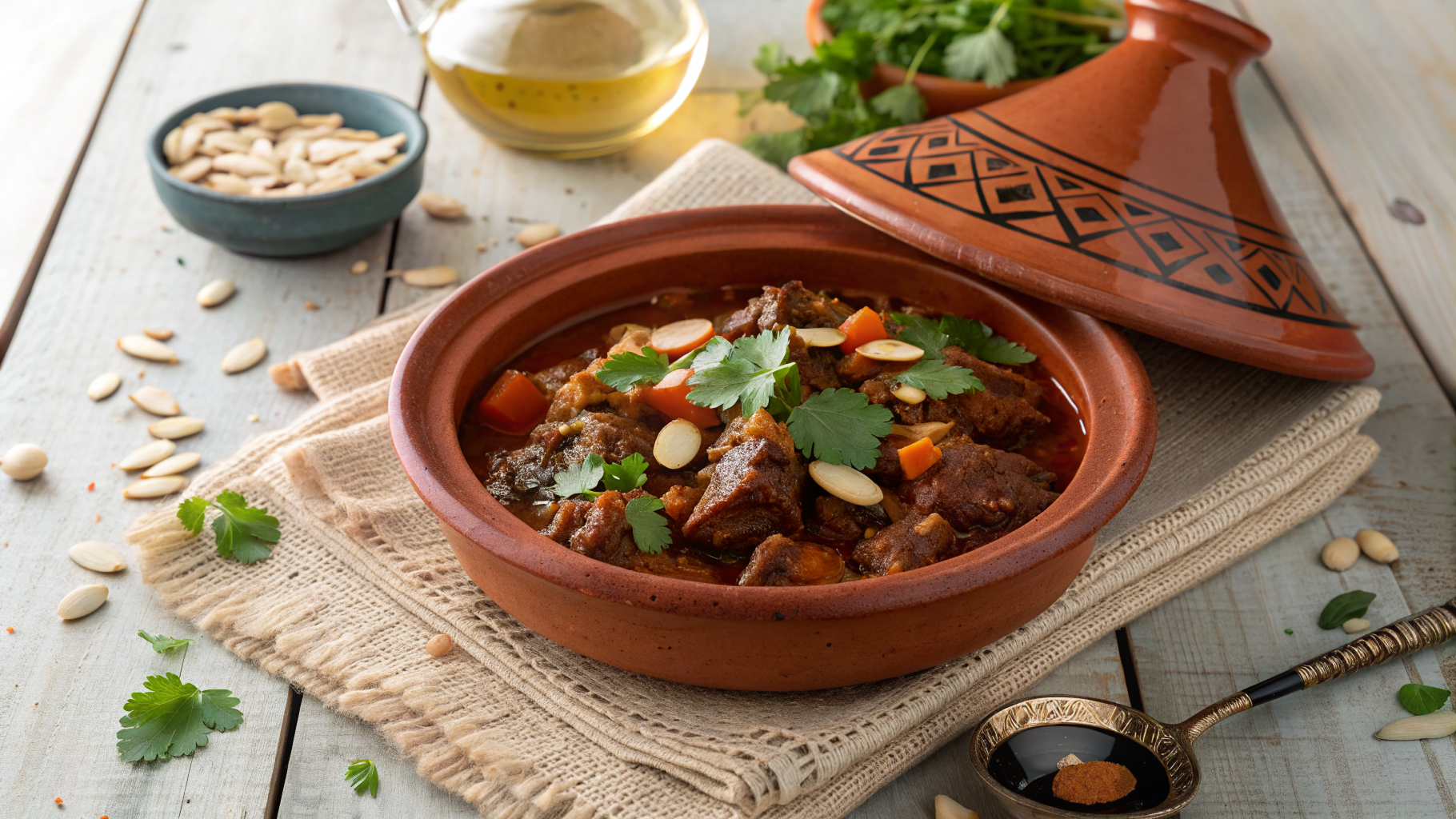
The first time you lift the conical lid of a lamb tagine, the rush of steam carries cinnamon, cumin, and ginger—a perfume that promises warmth and depth. But beyond the romance, this Moroccan masterpiece is a case study in how slow cooking can transform simple ingredients into a nutrient-dense meal. Lamb leg, rich in protein and iron, mingles with carrots, onions, and garlic, while olive oil and a handful of spices build a sauce that's as healthful as it is flavorful. In a world where convenience often trumps nourishment, the tagine reminds us that patience in the kitchen yields rewards for both body and soul. Here, we'll explore the science behind its nutritional profile: the macros, the vitamins, and the research-backed benefits of its key components. You'll learn why this dish supports heart health, immunity, and even longevity, and how to make it part of a balanced diet without sacrificing an ounce of authenticity.
The Macro Breakdown: Protein, Fat, and Carbs
A typical serving of lamb tagine (about 1.5 cups) provides roughly 350-400 calories, with a macronutrient split that's remarkably balanced: 30-35 grams of protein, 20-25 grams of fat, and 15-20 grams of carbohydrates. The protein comes primarily from lamb leg, a cut that's lean yet flavorful. According to the USDA, a 3-ounce serving of cooked lamb leg offers 22 grams of protein and only 6 grams of fat, making it an excellent source of complete protein with all nine essential amino acids. The fat in the dish is largely monounsaturated, thanks to olive oil—a staple of the Mediterranean diet linked to reduced inflammation. Carbohydrates are modest, coming from carrots, onions, and optional dried fruit, which add fiber and natural sweetness. This macro profile makes tagine suitable for low-carb and high-protein diets, and the fiber from vegetables supports digestive health. Unlike many comfort foods, it won't spike your blood sugar, especially if you skip the honey glaze or use a sugar-free alternative.
Micronutrient Powerhouse: Vitamins and Minerals
Beyond macros, lamb tagine is a micronutrient goldmine. Lamb is one of the best dietary sources of heme iron—a form that's 2-3 times more absorbable than plant-based iron. A serving can provide up to 15% of your daily iron needs, crucial for oxygen transport and energy. It's also rich in vitamin B12 (over 100% of the RDI), which supports nerve function and red blood cell formation. The carrots contribute a hefty dose of vitamin A (over 200% of the RDI from beta-carotene), essential for vision and immune health. Onions and garlic add organosulfur compounds with antimicrobial properties, while cumin seeds are packed with iron, manganese, and magnesium. A study in the Journal of Nutrition found that cumin's antioxidants may aid digestion by stimulating digestive enzymes. The ginger in many tagine recipes contains gingerol, a compound with anti-inflammatory effects comparable to ibuprofen in some trials. Together, these ingredients create a synergistic blend that supports everything from bone health (manganese, phosphorus) to blood pressure regulation (potassium from carrots and onions).
The Health Science of Slow Cooking
Slow cooking isn't just a culinary tradition—it's a nutritional strategy. Cooking lamb at low temperatures for hours breaks down collagen into gelatin, which is not only tender but also gut-friendly. Gelatin can help repair the intestinal lining and improve digestion, according to research in the Journal of Clinical Gastroenterology. Moreover, slow cooking preserves more vitamins than high-heat methods like frying or grilling. A 2018 study in Food Chemistry found that stewing retained up to 80% of B vitamins in meat, compared to 50% in roasting. The gentle heat also allows spices to infuse without burning, maximizing their antioxidant potential. Cumin, for instance, contains cuminaldehyde, which has been shown to inhibit advanced glycation end products (AGEs)—harmful compounds linked to aging and diabetes. By avoiding high-heat searing, you reduce AGE formation. Plus, the long simmer melds flavors, meaning you need less salt for taste, benefiting heart health. This ancient technique aligns with modern recommendations for reducing processed food intake and embracing whole, slow-cooked meals.
Pro Tip: Balance Sweetness Without Added Sugar
Many tagine recipes call for honey or dried fruit to balance the spices, but that can add 10-15 grams of sugar per serving. Instead, use naturally sweet vegetables like sweet potatoes or parsnips, or add a small amount of unsweetened dried apricots (which provide fiber and potassium). Another trick: toast your spices in olive oil before adding liquid. This blooms their essential oils, enhancing perceived sweetness and depth without sugar. For a low-carb version, omit the fruit entirely and finish with a squeeze of lemon juice—the acidity brightens the dish and mimics sweetness. If you do use dried fruit, chop it finely so it distributes evenly, and reduce the amount by half. Finally, let the tagine rest overnight; the flavors deepen, and you'll need less salt and sugar the next day. This approach keeps the dish authentic while aligning with dietary guidelines to limit added sugars, which the American Heart Association recommends capping at 25 grams per day for women and 36 for men.
Tagine in Modern Nutrition: Trends and Traditions
As plant-forward diets gain popularity, lamb tagine might seem like an outlier, but it fits seamlessly into modern nutrition trends like the Mediterranean diet and nose-to-tail eating. The Mediterranean diet, consistently ranked best overall by U.S. News, emphasizes lean meats, olive oil, and spices—all present here. Moreover, tagine embodies the concept of 'food as medicine' with its anti-inflammatory ingredients. Research from the University of California, Los Angeles, found that a diet rich in turmeric, ginger, and cumin reduced markers of inflammation in participants. Culturally, tagine is a communal dish, often eaten from a shared pot, which fosters social connection—a factor linked to longevity in Blue Zones. In Morocco, it's traditionally served with couscous or crusty bread, but for a lower-carb option, pair it with cauliflower rice or a simple salad. This adaptability makes it a staple for health-conscious cooks who refuse to sacrifice flavor. As global cuisine continues to influence home cooking, tagine stands as a delicious bridge between tradition and wellness.
Frequently Asked Questions
Q: Is lamb tagine healthy? A: Yes, when made with lean lamb leg, olive oil, and plenty of vegetables, it's rich in protein, iron, and antioxidants. Moderation is key due to its fat content, but it can be part of a balanced diet. Q: Can I make lamb tagine in a slow cooker? A: Absolutely. Sear the lamb and sauté aromatics first, then transfer to a slow cooker and cook on low for 6-8 hours. The result is equally tender and nutritious. Q: What are the best substitutes for lamb? A: Beef chuck or chicken thighs work well, but adjust cooking times. For a plant-based version, use chickpeas and sweet potatoes, though protein and iron will be lower.
Key Takeaways
Lamb tagine is a nutritional powerhouse, offering a balanced mix of protein, healthy fats, and carbohydrates, plus a wealth of vitamins and minerals. The slow-cooking method enhances digestibility and preserves nutrients, while spices like cumin and ginger provide anti-inflammatory benefits. To maximize health benefits, choose lean lamb leg, load up on vegetables, and minimize added sugars by using natural sweetness from carrots or a squeeze of lemon. Remember that portion control matters—a serving of 1.5 cups is satisfying and nutrient-dense. Finally, embrace the communal spirit of tagine; sharing a meal can nourish more than just your body. With these insights, you're ready to cook a lamb tagine that's as healthy as it is delicious, bringing a taste of Morocco to your table any night of the week.
Try these recipes on DishIndex
Explore Lamb Tagine recipes and more