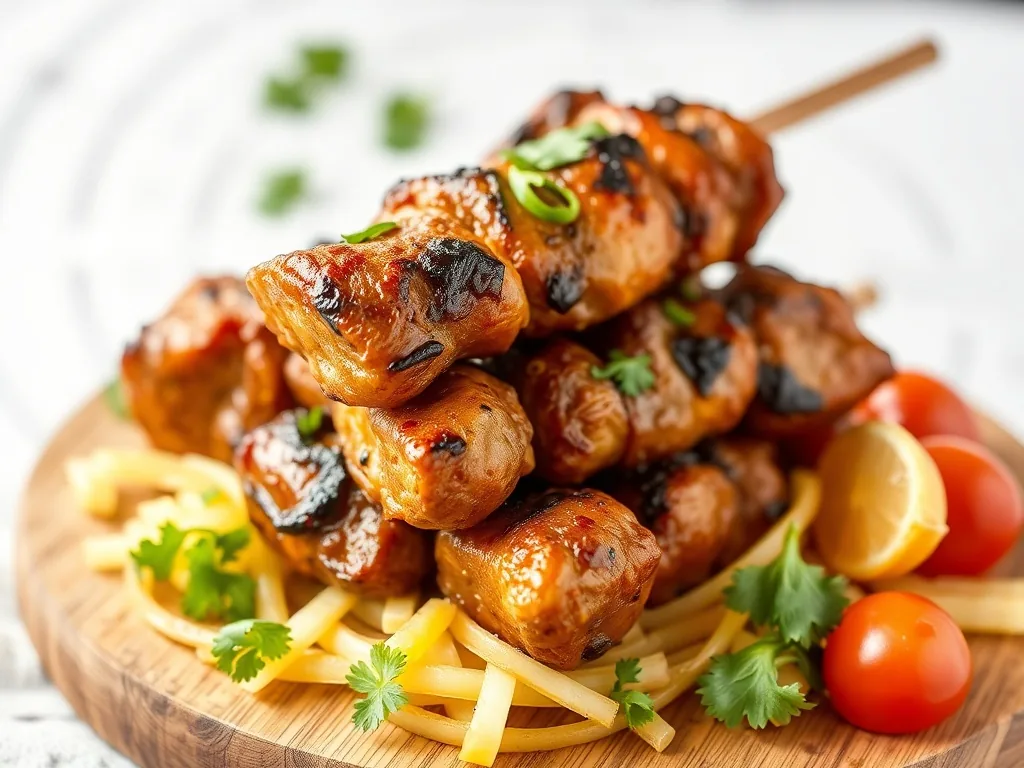
The first time you encounter a proper Turkish kebab, it’s not just a meal—it’s an event. The scent of charred lamb and smoky paprika hits you before the plate even lands. In Istanbul, street vendors grill skewers over open flames, the meat hissing as it renders, and locals line up for that perfect balance of juicy meat, tangy yogurt, and bright lemon. But here’s the thing: you don’t need a bustling bazaar to enjoy this. With a little planning, Turkish kebab becomes the ultimate meal prep champion. Imagine opening your fridge on a Wednesday night and pulling out marinated, grilled meat that tastes like it just came off the coals. In this article, I’ll show you how to batch cook, store, and reheat Turkish kebab so it stays tender and flavorful all week. You’ll learn the science behind the marinade, the best cuts for make-ahead, and how to build balanced bowls that keep you satisfied. Get ready to transform your weekly routine with a dish that’s as practical as it is delicious.
Why Turkish Kebab Is a Meal Prep Dream
Turkish kebab might seem like a weekend project, but its components are naturally suited to batch cooking. The marinade—yogurt, olive oil, garlic, paprika, cumin—does double duty: it tenderizes meat and infuses deep flavor, meaning you can prep a large batch once and reap the rewards for days. Unlike delicate fish or quick-cooking grains, cubed lamb or beef holds up remarkably well in the fridge. In fact, the flavors often deepen overnight. A 2019 study in the Journal of Food Science found that yogurt marinades reduce heterocyclic amines (HCAs) by up to 90% during grilling, so you’re not just meal prepping—you’re making a healthier choice. Plus, the accompanying grilled peppers and onions can be roasted in bulk alongside the meat. With minimal upfront effort, you get a week’s worth of protein and veggies that reheat beautifully. Whether you’re feeding a family or flying solo, this dish proves that meal prep doesn’t have to be bland chicken and broccoli.
The Marinade: Your Secret Weapon for Flavor and Tenderness
Most home cooks rush the marinade, but for Turkish kebab, time is your ally. The classic blend of full-fat yogurt, olive oil, minced garlic, paprika, and cumin isn’t just about taste—it’s chemistry. Yogurt’s lactic acid gently breaks down muscle fibers, while the fat in olive oil carries fat-soluble flavor compounds from the spices. Paprika adds a sweet, smoky depth, and cumin brings an earthy warmth that defines Turkish cuisine. For best results, marinate cubed lamb shoulder or beef chuck for at least 4 hours, ideally 24. But here’s a pro tip: don’t add salt until just before grilling. Salt draws out moisture, and in a long marinade, that can lead to dry meat. Instead, season the kebabs after they come off the heat. This technique, used by many Istanbul grill masters, ensures juicy, tender bites every time. And if you’re batch prepping, you can freeze the meat directly in the marinade—it’ll continue to absorb flavor as it thaws.
From Ottoman Grills to Your Kitchen: A Brief History
Kebab has been a cornerstone of Turkish cuisine since the Ottoman Empire, where vertical rotisseries and open-fire grills became a culinary art. The word ‘kebab’ itself is Arabic in origin, meaning ‘to roast,’ but it was the Ottomans who popularized skewered meats like shish kebab in the 18th century. In cities like Adana and Urfa, regional styles emerged—Adana kebab is famously spicy, while Urfa kebab is milder and more aromatic. Traditionally, these kebabs were made with lamb, reflecting the pastoral heritage of Anatolia. Today, Turkish immigrants have carried these traditions worldwide, and the dish has become a global street food staple. But at its heart, kebab is about hospitality: serving generous portions to guests, often with lavash bread and sumac onions. By meal prepping Turkish kebab, you’re not just cooking—you’re participating in a centuries-old tradition of nourishing others with bold, honest food.
Pro Tip: The Two-Stage Cooking Method for Perfect Reheats
One of the biggest meal prep pitfalls is ending up with dry, rubbery meat after reheating. The solution? Two-stage cooking. Instead of grilling your kebabs to well-done on day one, cook them only to medium-rare (about 130°F internally), then cool and refrigerate. When you’re ready to eat, reheat them quickly over high heat—a screaming-hot cast-iron skillet or a quick pass under the broiler. This finishes the cooking without overcooking, keeping the interior juicy. Alternatively, if you prefer to fully cook ahead, slice the meat thinly and reheat gently in a covered pan with a splash of water or broth; the steam prevents drying. For grilled vegetables, roast them until crisp-tender, then reheat in the same pan. This method mimics the sizzle of a street grill and ensures your meal-prepped kebab tastes freshly made. It’s a game-changer for weekly planning.
Storage Strategies: Fridge, Freezer, and Beyond
Proper storage is the backbone of successful meal prep. After grilling, let your kebabs cool completely, then store them in airtight containers. In the fridge, they’ll keep for up to 4 days. For longer storage, freeze individual portions in vacuum-sealed bags or heavy-duty freezer bags, pressing out excess air. They’ll maintain quality for 3 months. But don’t stop at the meat: store grilled peppers and onions separately to prevent sogginess. The yogurt sauce, however, is best made fresh—it takes 2 minutes and tastes far superior. When packing lunches, consider a bento-style approach: keep the meat and veggies together, but pack pita and sauce separately to assemble at mealtime. This prevents the bread from getting soggy and lets you control texture. For a balanced plate, add a scoop of cooked bulgur or quinoa, which also freezes well. With these strategies, you can enjoy Turkish kebab any day without sacrificing quality.
Frequently Asked Questions
Q: Can I use chicken instead of lamb or beef for meal prep? A: Yes, but chicken breasts dry out faster. Use thighs and reduce marinating time to 2 hours. Cook to 165°F and reheat gently. Q: How do I prevent my kebab from drying out when reheating? A: Reheat covered with a splash of water or broth, or slice thinly and sauté quickly over high heat. Avoid microwaving on high. Q: Is Turkish kebab healthy for a balanced diet? A: Absolutely. It’s rich in protein, healthy fats from olive oil, and served with veggies. Pair with whole grains and watch portion sizes for a balanced meal.
Key Takeaways
Turkish kebab is more than a recipe—it’s a meal prep strategy that delivers bold flavor and nutrition. Marinate in yogurt and spices for at least 4 hours to tenderize and boost flavor. Batch grill meat and vegetables, then store in airtight containers for up to 4 days or freeze for 3 months. Use the two-stage cooking method to keep reheated meat juicy. Build balanced bowls with whole grains, fresh herbs, and a dollop of yogurt sauce. With these tips, you’ll transform your weekly routine and enjoy a taste of Istanbul any night of the week. So fire up the grill, prep ahead, and savor the rewards of smart cooking.
Try these recipes on DishIndex
Explore Turkish Kebab recipes and more