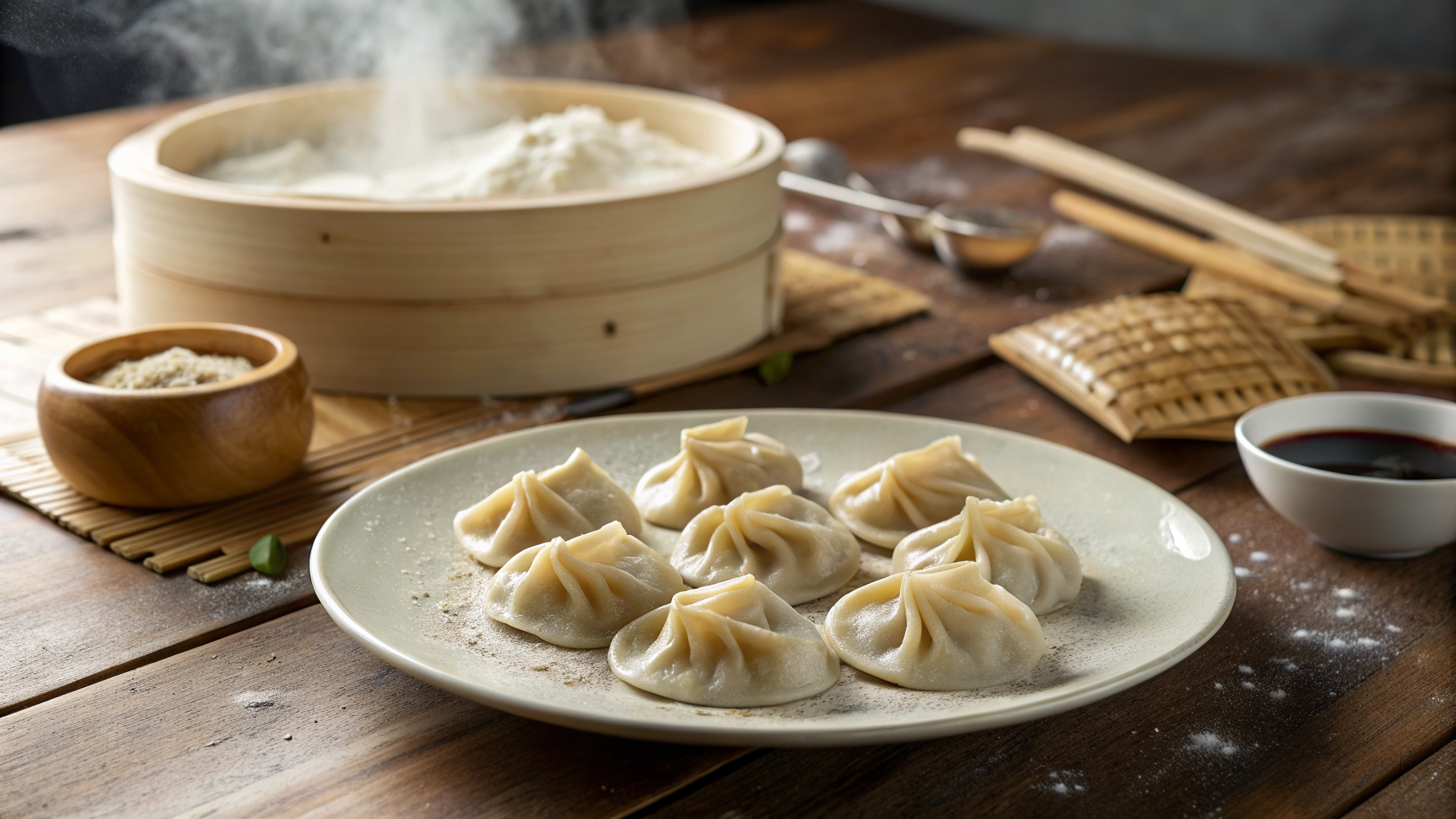
Imagine a steamy kitchen where the aroma of garlic, ginger, and soy sauce mingles with the sweet scent of carrots. Wontons, those delicate parcels of joy, have been a staple in Chinese cuisine for centuries. But did you know that your wonton-making can also be a powerful act of sustainability? Traditional pork wontons typically consist of a savory filling wrapped in thin dough, often served in broth or fried. While delicious, the dish can carry a significant environmental footprint due to pork production, which accounts for a large share of global greenhouse gas emissions from livestock. However, by making mindful choices—like sourcing local, pasture-raised pork, using seasonal vegetables, and reducing food waste—you can enjoy this comfort food with a clearer conscience. In this article, we'll explore how to make pork wontons that are not only bursting with flavor but also kind to the planet. You'll learn about seasonal ingredients, eco-friendly cooking methods, and practical tips to minimize waste, all while honoring the rich culinary heritage of this beloved dish.
The Environmental Footprint of Pork Wontons
Pork is the most widely consumed meat globally, with production reaching over 120 million metric tons annually. However, conventional pork farming contributes significantly to deforestation, water pollution, and greenhouse gas emissions. According to the FAO, livestock accounts for about 14.5% of global greenhouse gas emissions, with pork responsible for roughly 10% of that. The good news: choosing pork from local, small-scale farms that practice rotational grazing and feed pigs a diverse diet can reduce emissions by up to 30%. Additionally, wonton wrappers are typically made from wheat flour, and conventionally grown wheat relies on synthetic fertilizers. Opting for organic or locally milled flour can further shrink your dish's carbon footprint. Even the filling's vegetables—like carrots—can be sourced seasonally to avoid the energy-intensive practices of greenhouse growing or long-distance transport. By understanding these impacts, you can make informed choices that align with sustainable eating.
Seasonal and Local: The Heart of Sustainable Wontons
The key to sustainable wontons lies in the ingredients you choose. Pork, garlic, ginger, soy sauce, sesame oil, and carrots are the classic components, but their origins matter. Garlic and ginger are tropical crops, but in many regions, they can be grown locally during warmer months. Carrots, however, are a cool-weather crop and are often available year-round from local farms. To reduce food miles, shop at farmers' markets or join a community-supported agriculture (CSA) program. For pork, seek out farms that raise heritage breeds on pasture, which often sequester carbon and improve soil health. Soy sauce and sesame oil are typically imported, but you can find domestically produced artisanal versions that support local businesses and reduce transportation emissions. Even better, make your own soy sauce? That's a project for the adventurous, but it's possible. By prioritizing seasonal and local ingredients, you not only lower your carbon footprint but also enjoy fresher, more flavorful wontons.
Wontons: A Cultural Journey from Ancient China to Your Table
Wontons have a history spanning over 2,000 years, originating in northern China during the Han Dynasty. Legend says they were created by a physician named Zhang Zhongjing, who wrapped mutton and herbs in dough to help villagers suffering from frostbite. Over time, wontons spread across China, evolving into regional variations: the spicy Sichuan style with chili oil, the delicate Cantonese version in clear broth, and the Shanghainese large wontons with a juicy pork filling. In Chinese culture, wontons symbolize family reunion and prosperity, often eaten during Lunar New Year and Winter Solstice. The dish also traveled to other parts of Asia, influencing Japanese gyoza and Korean mandu. Today, making wontons at home connects you to this rich heritage. By adopting sustainable practices, you're not only preserving tradition but also adapting it for a modern, eco-conscious world. Each fold and pleat carries the weight of history, yet the choices you make in sourcing and preparation can shape a more sustainable future for this beloved food.
Pro Tip: Master the Art of Folding to Reduce Waste
One of the biggest sustainability challenges in wonton-making is waste: torn wrappers, leftover filling, and sticky stacks that end up in the bin. To minimize waste, master a few folding techniques that use every bit of dough. The simplest is the triangle fold: place a teaspoon of filling in the center, moisten the edges with water, fold into a triangle, and press to seal. For a more traditional look, try the nurse's cap fold, which involves bringing the two bottom corners together and overlapping them. If you have leftover filling, don't toss it—shape it into small meatballs and freeze for future soups. Leftover wrappers can be cut into strips and fried as crispy noodles for salads. Also, sprinkle cornstarch between stacked wontons to prevent sticking, as the recipe suggests. This simple step avoids tearing and ensures you can cook them all without waste. By being mindful, you can reduce food waste and save money while honoring the dish's integrity.
Eco-Friendly Cooking Methods for Wontons
How you cook wontons can also impact the environment. Deep-frying, a common method, uses a lot of oil and energy. Instead, consider steaming or boiling, which require less oil and preserve nutrients. Steaming can be done in a bamboo steamer over a wok, a traditional method that's energy-efficient. If you do fry, use a sustainable oil like avocado or sunflower, and reuse the oil by straining and storing it for future frying. Another eco-friendly option is to cook wontons in a broth, which requires minimal energy and creates a comforting soup. Additionally, avoid preheating your oven or using multiple pots; streamline your cooking to save energy. Solar cooking is an option in sunny climates, though not practical for everyone. By choosing gentler cooking methods, you reduce your carbon footprint and also enjoy a healthier dish. Remember, the goal is to savor the wontons while being mindful of the resources used to create them.
Frequently Asked Questions
Q: Can I make wontons ahead of time and freeze them? A: Yes, freeze uncooked wontons on a baking sheet until solid, then transfer to a container. They keep for up to three months. Cook from frozen, adding a minute to cooking time. Q: How do I prevent wonton wrappers from drying out? A: Keep them covered with a damp towel or plastic wrap while you work. Exposure to air makes them brittle and prone to tearing. Q: What's a good vegetarian substitute for pork in wontons? A: Try finely chopped mushrooms, tofu, or lentils. Season with soy sauce, ginger, and sesame oil for a savory umami flavor that mimics pork.
Key Takeaways
Embrace sustainability in your wonton-making by sourcing local, pasture-raised pork and seasonal vegetables like carrots, garlic, and ginger. Reduce waste by mastering folding techniques and using leftover filling and wrappers creatively. Choose energy-efficient cooking methods such as steaming or boiling over deep-frying. Support local farmers and artisanal producers for soy sauce and sesame oil to cut transportation emissions. Finally, remember that wontons are more than just food—they're a connection to centuries of tradition. By making mindful choices, you honor that heritage while contributing to a healthier planet. So gather your ingredients, fold with care, and savor each bite, knowing you're part of a movement toward a more sustainable food system. Your efforts in the kitchen can make a difference, one wonton at a time.
Try these recipes on DishIndex
Explore pork wontons recipes and more