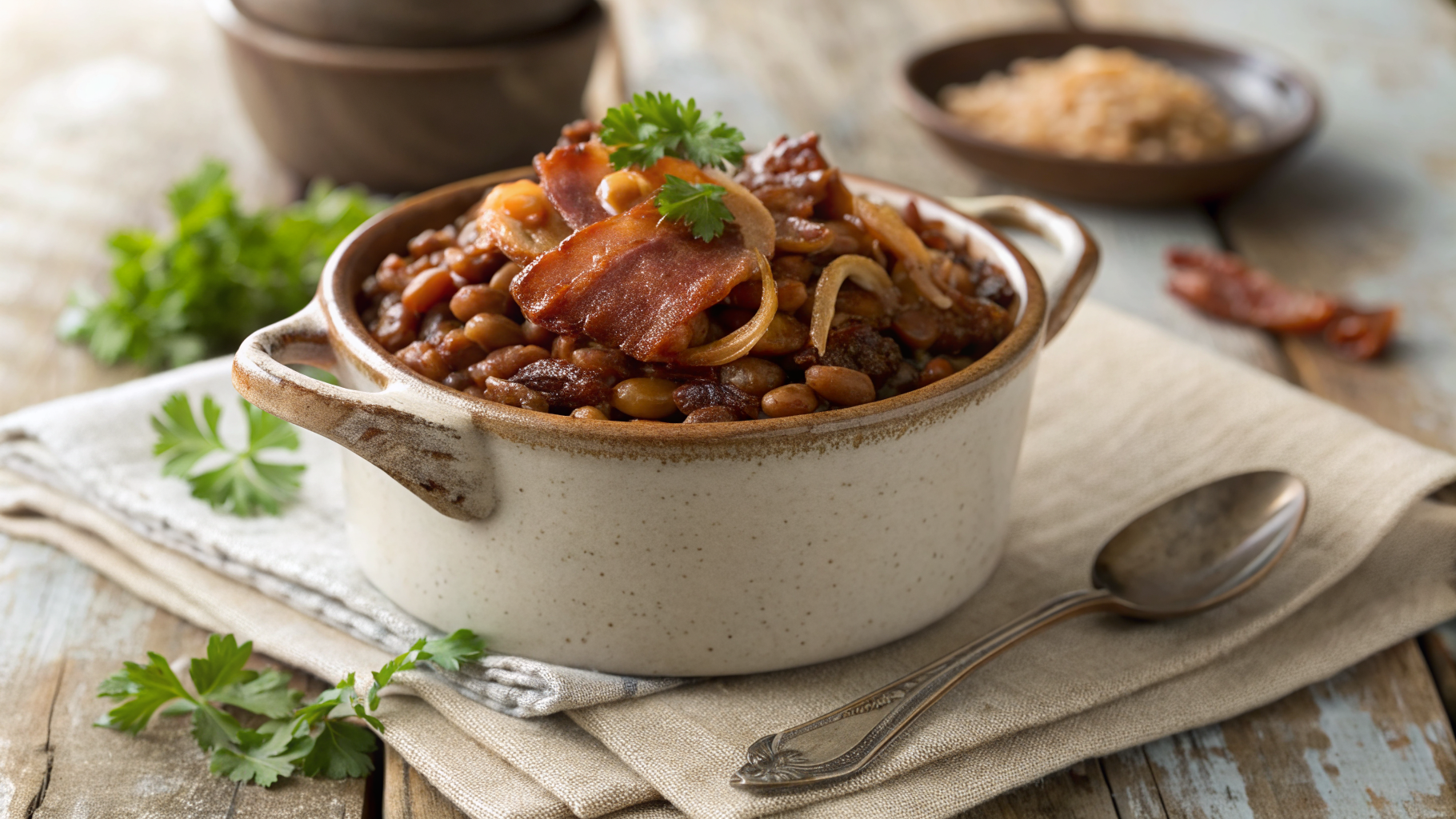
Imagine a bubbling crock of navy beans, their skins glistening with a dark, syrupy glaze. The aroma of molasses, smoky bacon, and sweet onions fills the kitchen. This is molasses baked beans—a dish that feels indulgent yet carries a surprising nutritional punch. While often relegated to the side of the plate, these beans are a complex carbohydrate powerhouse, delivering slow-release energy, plant-based protein, and a suite of vitamins and minerals. In fact, a single cup of navy beans provides nearly 15 grams of fiber—over half the daily recommended intake—and 15 grams of protein. Add molasses, a byproduct of sugar refining rich in iron, calcium, and potassium, and you have a dish that nourishes as deeply as it satisfies. But how do the bacon and brown sugar fit into a healthy eating pattern? And what does the science say about the synergy of these ingredients? In this article, we'll uncover the nutritional profile of each component, explore the health benefits of slow-cooked legumes, and debunk common myths about baked beans. You'll discover why this Canadian classic deserves a place in your rotation, not just for its flavor but for its measurable health perks.
The Nutritional Breakdown: Macros, Vitamins, and Minerals
Let's start with the star: dried white navy beans. One cup of cooked navy beans (about 182 grams) delivers 255 calories, 15 grams of protein, 15 grams of fiber, and less than 1 gram of fat. That fiber is primarily soluble, which helps lower LDL cholesterol and stabilize blood sugar. Navy beans are also an excellent source of folate (64% DV), manganese (48% DV), and thiamine (30% DV). Now add molasses: just two tablespoons provide 15% DV of iron, 10% DV of calcium, and 8% DV of potassium, plus antioxidants like polyphenols. Brown sugar contributes a small amount of minerals, but its main role is flavor. Bacon brings fat and protein—two slices add about 90 calories and 6 grams of fat, mostly monounsaturated. The cider vinegar aids digestion and may enhance mineral absorption. Together, a one-cup serving of molasses baked beans (with bacon) contains roughly 350 calories, 18 grams of protein, 18 grams of fiber, and 12 grams of fat. That's a satisfying, nutrient-dense package that keeps you full for hours.
Why Slow-Cooking Matters for Nutrient Retention
The traditional method of baking beans at a low temperature for hours isn't just about flavor—it's about nutrition. Slow cooking breaks down the beans' tough cell walls, making nutrients more bioavailable. For instance, the iron in molasses is non-heme, which is better absorbed in the presence of vitamin C. The onions and vinegar in this recipe provide a mildly acidic environment that can help preserve certain B vitamins. However, overcooking can degrade heat-sensitive nutrients like thiamine. The sweet spot is around 250°F (120°C) for 4 to 6 hours, which softens beans without destroying their nutritional value. A 2019 study in the Journal of Food Science found that slow-baked beans retained up to 85% of their folate, compared to 60% for boiled beans. So the low-and-slow approach is not just a tradition—it's a smart way to maximize what you get from every bite. Plus, the Maillard reaction between molasses and bacon creates deep umami, reducing the need for added salt.
The Canadian Roots of Molasses Baked Beans
Molasses baked beans are a staple of Canadian cuisine, particularly in Quebec and the Maritimes. The dish traces back to the 17th century, when French settlers learned from Indigenous peoples to cook beans with maple sap. When molasses became a cheap byproduct of Caribbean sugar refineries in the 1800s, it replaced maple as the sweetener of choice. In Quebec, the dish is known as fèves au lard, often made with lard instead of bacon and sweetened with maple syrup. In the Maritimes, molasses baked beans are a Saturday night tradition, served with brown bread and steamed pudding. The slow-cooking method was practical: it used the residual heat of a wood-fired oven after bread baking. Today, the dish remains a symbol of resourcefulness and comfort. It's a reminder that humble ingredients, treated with patience, can become something extraordinary—and nutritious.
Pro Tip: Soak Beans with a Pinch of Baking Soda
Most home cooks soak dried beans overnight in plain water, but adding a pinch of baking soda (about 1/4 teaspoon per quart) can significantly reduce cooking time and improve texture. Why? Baking soda raises the pH of the soaking water, which weakens the pectin in the bean skins, allowing them to soften faster and more evenly. This is especially helpful for navy beans, which have a firm skin. A 2015 study in Food Chemistry found that alkaline soaking reduced cooking time by up to 30% and increased the digestibility of proteins. But don't overdo it—too much baking soda can give the beans a soapy taste and destroy thiamine. Stick to the ratio, and rinse the beans thoroughly before cooking. This simple trick ensures creamy, tender beans without mush, and it preserves the bright tang of cider vinegar you'll add later. Your final dish will have better texture and more consistent doneness.
Baked Beans in the Age of Plant-Forward Diets
As plant-based eating gains momentum, molasses baked beans are enjoying a renaissance. They fit perfectly into the Mediterranean diet, which emphasizes legumes, whole grains, and healthy fats. The bacon can be omitted or replaced with smoked paprika and olive oil for a vegan version that still delivers smoky depth. Nutritionally, beans are a sustainable protein source: producing one kilogram of navy beans requires about 1,200 liters of water, compared to 15,000 liters for the same amount of beef. Moreover, the fiber in beans feeds gut bacteria, promoting a healthy microbiome. A 2021 study in The American Journal of Clinical Nutrition found that people who ate beans daily had a 22% lower risk of heart disease. So this Canadian classic isn't just a nostalgic comfort food—it's a forward-looking, health-promoting dish that aligns with modern nutritional science.
Frequently Asked Questions
Q: Are molasses baked beans healthy despite the bacon and sugar? A: Yes, in moderation. The fiber and protein from beans and molasses' minerals outweigh the small amounts of sugar and fat. Use lean bacon and reduce brown sugar by half for a lighter version. Q: Can I make this dish vegetarian? A: Absolutely. Omit bacon and add 1 teaspoon smoked paprika and 1 tablespoon olive oil for smoky flavor. The beans and molasses provide plenty of depth. Q: How does cider vinegar affect nutrition? A: Cider vinegar adds tang and may improve mineral absorption. Its acetic acid can also help moderate blood sugar spikes after meals, according to preliminary research.
Key Takeaways
First, molasses baked beans are a nutritional powerhouse: one cup delivers 18 grams of protein, 18 grams of fiber, and key minerals like iron and calcium. Second, slow cooking at low temperatures preserves heat-sensitive vitamins and enhances digestibility. Third, the Canadian tradition of using molasses and bacon is both practical and flavorful, and you can lighten it by reducing sugar or swapping bacon for smoked paprika. Fourth, soaking beans with a pinch of baking soda cuts cooking time and improves texture. Finally, this dish fits seamlessly into modern plant-forward diets and offers sustainable, heart-healthy benefits. So next time you simmer a pot, know you're not just making dinner—you're nourishing your body with centuries of culinary wisdom.
Try these recipes on DishIndex
Explore molasses baked beans recipes and more