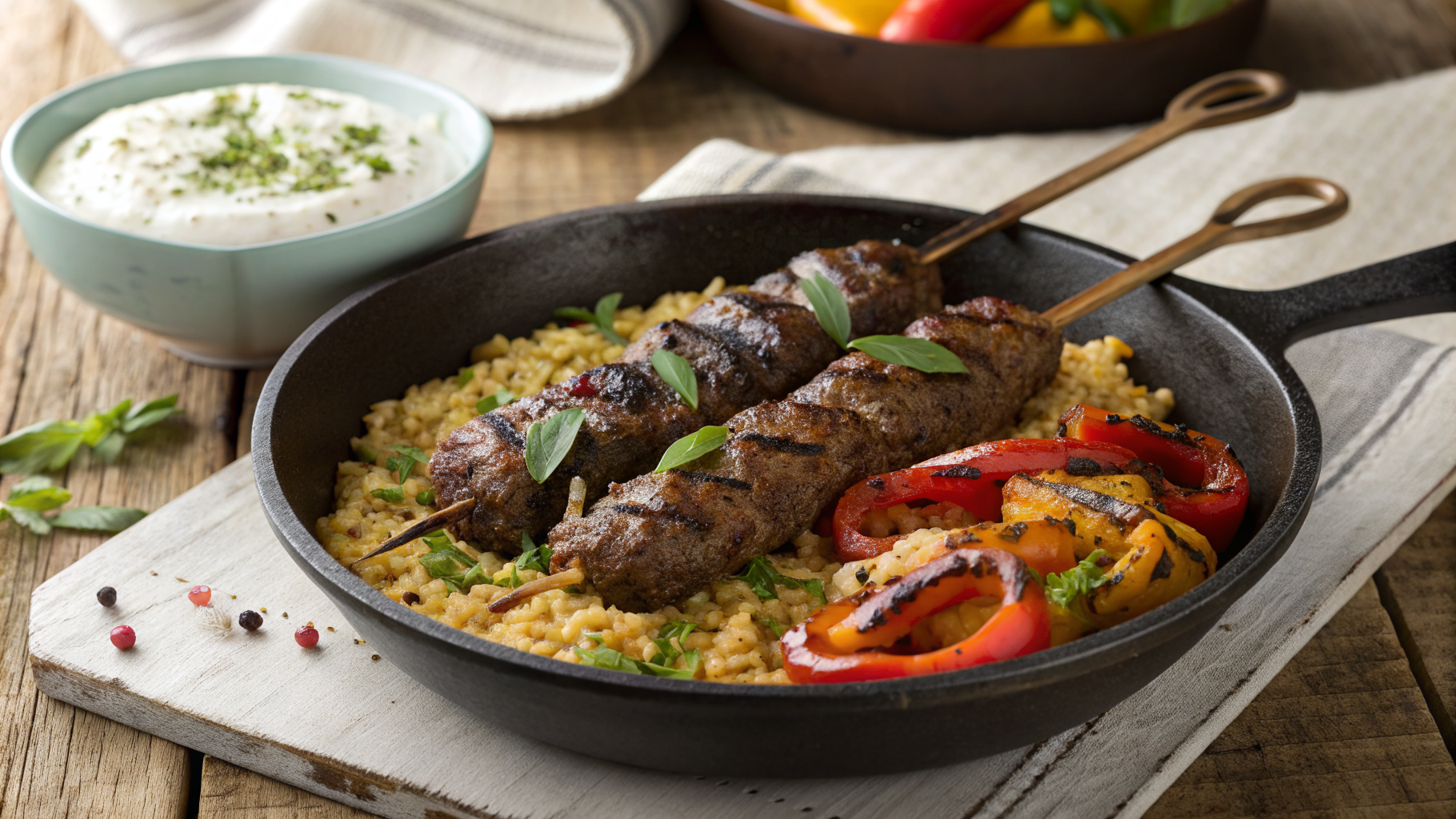
The scent of sizzling lamb mingling with toasted bulgur and warm spices is enough to transport you to a bustling Istanbul grill. This spiced lamb and bulgur kebab, inspired by the beloved Turkish içli köfte, is a revelation for home cooks. It combines coarse bulgur and finely minced lamb, kneaded with onion, cumin, and a whisper of Aleppo pepper. Shaped into elegant ovals and pan-fried until crisp, they are finished with a hot, tangy tomato butter that pools into every crevice. But beyond its irresistible flavor, this dish is a meal prep champion. In this article, we'll explore how to batch cook, store, and reheat these kebabs so you can enjoy a taste of Turkey any night of the week. You'll learn the secrets to perfectly balanced spice, the best way to keep leftovers fresh, and how this dish fits into a realistic, balanced diet. Get ready to make this your new weekly ritual.
The Anatolian Origins of a Beloved Kebab
The kebab, in its many forms, has been a cornerstone of Turkish cuisine for centuries, with roots tracing back to the nomadic Turkic peoples of Central Asia who skewered and grilled meats over open fires. The version we're focusing on today is a close cousin of içli köfte, a stuffed bulgur croquette often filled with spiced meat and nuts. While traditional içli köfte is a labor of love, our simplified kebab captures its essence by mixing the meat directly into the bulgur. This style is popular in southeastern Turkey, particularly in Gaziantep, a city renowned for its culinary prowess. There, cooks pride themselves on balancing sweet, sour, and spicy notes. The addition of tomato butter is a nod to the region's love for rich, tangy sauces. Historically, bulgur was a staple for its long shelf life and nutritional density, making it ideal for soldiers and travelers. Today, it remains a symbol of Turkish hospitality, often served at gatherings. By making this dish, you're not just cooking dinner; you're partaking in a tradition that spans generations and geographies.
Why Fine Bulgur Makes All the Difference
Not all bulgur is created equal. For this kebab, fine bulgur (known as ince bulgur in Turkish) is essential. It's parboiled, dried, and cracked into tiny granules that rehydrate quickly with boiling water, creating a tender yet cohesive mixture. Coarse bulgur, on the other hand, would leave you with a crumbly kebab that falls apart in the pan. The fine texture also absorbs the meat's juices and the spices more effectively, ensuring every bite is flavorful. When you pour boiling water over the bulgur, let it sit for 10-15 minutes until it's soft and has absorbed all the liquid. This step is crucial: if the bulgur is too wet, the kebabs won't hold their shape; too dry, and they'll be tough. A good rule of thumb is a 1:1 ratio of bulgur to water by volume. Once hydrated, fluff it with a fork and let it cool slightly before mixing with the lamb. This attention to detail elevates your kebab from good to unforgettable.
The Spice Route: Cumin, Aleppo Pepper, and Beyond
The spice blend is where this kebab truly shines. Cumin, with its earthy warmth, is a staple in Turkish cuisine, and it pairs beautifully with lamb. Aleppo pepper, a moderately hot chili flake from Syria and Turkey, adds a fruity, almost smoky heat that's less aggressive than standard red pepper flakes. A pinch of cinnamon might seem unusual, but it's a common secret in Gaziantep kitchens, adding a subtle sweetness that enhances the meat. Don't forget the onion and garlic—finely grated so they meld into the mixture without chunks. Some cooks add a tablespoon of tomato paste to the meat for extra depth, while others reserve it for the tomato butter. The key is to knead the mixture with your hands for a good 5 minutes; this ensures the spices are evenly distributed and the meat becomes sticky, which helps the kebabs hold together. Let the mixture rest in the fridge for at least 30 minutes before shaping. This allows the flavors to marry and the bulgur to fully absorb the seasonings.
Pro Tip: The Tomato Butter Secret
The tomato butter is the crowning glory of this dish, but it's often rushed or overlooked. Here's how to make it sing: start with good quality butter—unsalted, so you can control the seasoning. Melt it in a small pan over medium heat until it foams, then add a tablespoon of tomato paste and a pinch of Aleppo pepper. Cook, stirring constantly, for 2-3 minutes until the paste darkens and smells sweet, not raw. The butter should turn a deep red. Off the heat, stir in a squeeze of lemon juice or a splash of pomegranate molasses for acidity. This step is crucial: the acid cuts through the richness and brightens the whole dish. Pour it over the kebabs immediately before serving, so it sizzles and pools into the crevices. For an extra layer of flavor, add a crushed garlic clove to the butter as it melts, then remove it before drizzling. This tomato butter also works wonders on grilled vegetables, eggs, or even flatbread.
Meal Prep Mastery: Batch, Store, Reheat
This kebab is a meal prepper's dream. The mixture can be made up to 2 days in advance and stored covered in the fridge. You can also shape the kebabs and freeze them on a parchment-lined tray before cooking; once frozen, transfer to a zip-top bag for up to 3 months. To cook from frozen, simply pan-fry over medium heat, adding a few extra minutes per side. For already cooked kebabs, store them in an airtight container in the fridge for up to 4 days. Reheat in a skillet over medium-low heat with a teaspoon of oil, or in a 350°F oven for 10 minutes. Avoid the microwave, which makes them soggy. The tomato butter is best made fresh, but you can prep the components and melt it together in minutes. Pair with quick-cooking sides like couscous, a simple salad, or roasted vegetables. This dish also freezes well after cooking; just cool completely and wrap individually. A little planning yields a week of satisfying, protein-packed meals.
Frequently Asked Questions
Q: Can I use a different meat? A: Yes, ground chicken or turkey work well, but they are leaner, so add a tablespoon of olive oil to the mixture to keep the kebabs moist. Q: How do I prevent the kebabs from falling apart? A: Ensure your bulgur is properly hydrated and cooled, knead the mixture until sticky, and chill it for at least 30 minutes before shaping. Q: Is this dish healthy? A: It's a balanced mix of protein, fiber-rich bulgur, and healthy fats from the butter, but enjoy in moderation due to the fat content. Serve with plenty of vegetables.
Key Takeaways
Master the art of fine bulgur hydration: a 1:1 ratio with boiling water and a 15-minute rest is your foundation. Embrace the spice blend—cumin, Aleppo pepper, and a hint of cinnamon—to capture authentic Turkish flavors. The tomato butter is not an afterthought; make it with care, adding acid to balance the richness. For meal prep, shape and freeze raw kebabs for up to three months, or store cooked ones in the fridge for four days. Reheat gently to preserve their crisp exterior. Finally, serve with yogurt and flatbread to complete the experience. With these strategies, you can enjoy this restaurant-worthy dish any night, proving that meal prep can be both delicious and culturally enriching. So gather your ingredients, fire up the skillet, and let the aromas fill your kitchen.
Try these recipes on DishIndex
Explore lamb kebab recipes and more