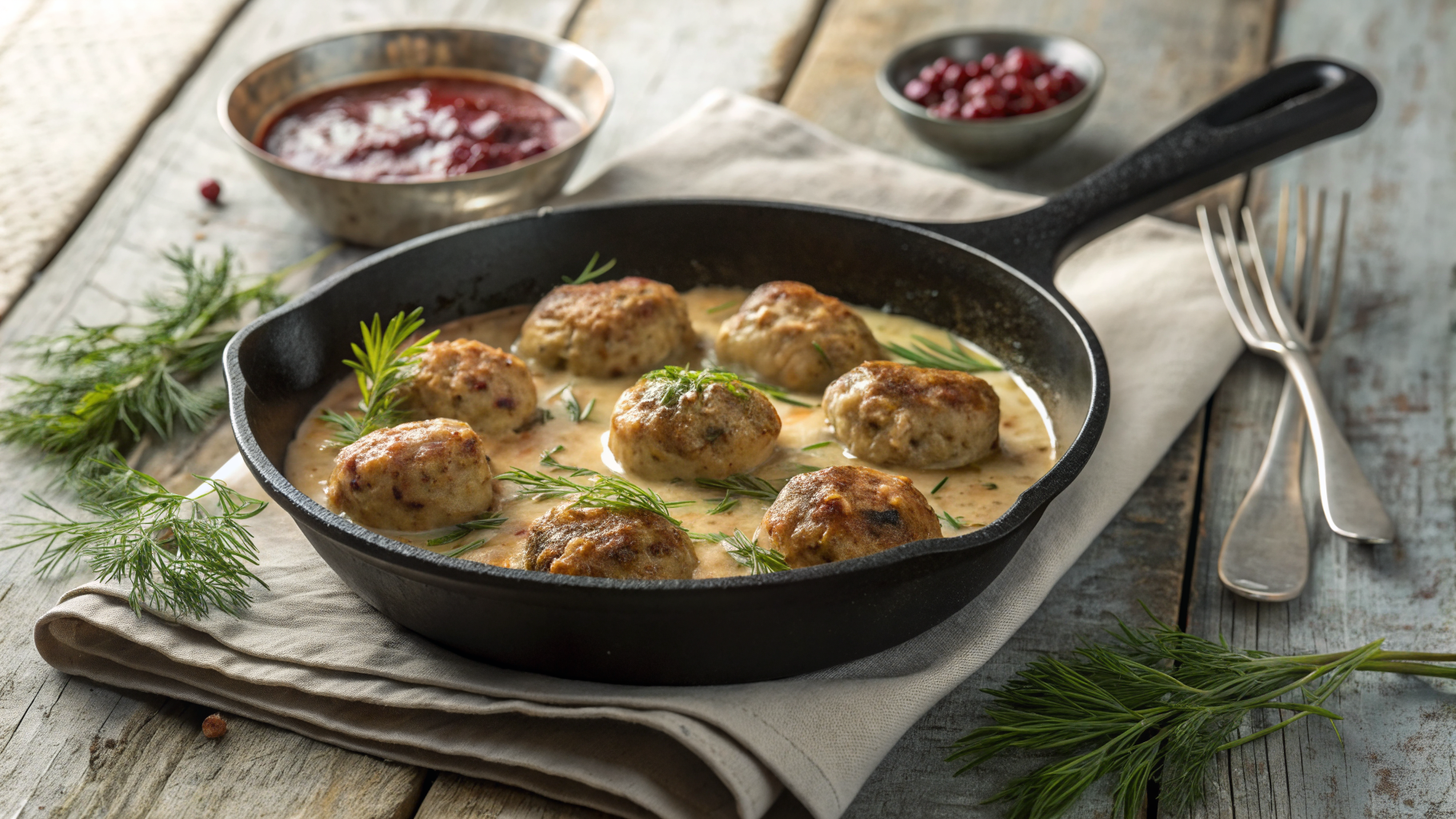
Imagine a cold winter evening in Stockholm. The scent of butter and onions wafts through the air, and on the stove, a skillet of plump, golden meatballs simmers in a rich, creamy gravy. This is Swedish meatballs, or köttbullar, a dish that has conquered the world, from IKEA food courts to Michelin-starred restaurants. But what makes them so irresistible? It's the perfect balance of textures: a tender, juicy interior with a slight crust, bathed in a sauce that's both savory and subtly sweet. The secret lies in the meat mixture and the cooking technique. In this article, we'll delve into the culinary science behind achieving that ideal meatball. You'll learn why a panade of breadcrumbs and water is crucial, how to avoid the dreaded dry meatball, and the step most home cooks miss when making the gravy. By the end, you'll be equipped to create a dish that's not just a meal, but a cozy, impressive experience.
The Meat Blend: Why Beef and Pork Together Work
Swedish meatballs traditionally combine ground beef and ground pork, usually in a 50/50 ratio. This isn't arbitrary: beef brings a robust, iron-rich flavor, while pork adds fat and a subtle sweetness that keeps the meatballs moist. The fat content is key. Lean beef alone can result in dry, crumbly meatballs. Pork, with its higher fat content, melts during cooking, basting the meatballs from within. But fat alone isn't enough; you need a binder. That's where the panade comes in. A mixture of breadcrumbs and water (or milk) creates a paste that coats the meat proteins, preventing them from toughening. This is a classic technique in meatball making, from Italian polpette to Swedish köttbullar. The ratio matters: about 1/2 cup of breadcrumbs to 1 pound of meat. Too much, and you get a bready meatball; too little, and they fall apart. The egg acts as an emulsifier, holding everything together. Seasonings like salt, pepper, and a hint of nutmeg are classic, but the latter is a subtle nod to Sweden's love for warm spices.
The Art of Rolling and Browning
Once your mixture is combined, resist the urge to overmix. Overworking the meat develops gluten and makes the meatballs dense. Gently fold until just incorporated. Then, roll into uniform balls, about 1 inch in diameter. Uniformity ensures even cooking. A small ice cream scoop helps. Now, the browning: this step is often rushed, but it's crucial for flavor. Heat a mix of butter and oil in a skillet over medium-high heat. Butter adds flavor, oil prevents burning. Sear the meatballs in batches, not crowding the pan. Crowding steams them, preventing that coveted brown crust. You want a deep golden brown on all sides, which takes about 6-8 minutes per batch. The Maillard reaction, a chemical reaction between amino acids and reducing sugars, creates hundreds of flavor compounds. That crust is not just for looks; it's the foundation of the gravy's depth. Once browned, set the meatballs aside. They'll finish cooking in the sauce.
The Gravy: A Lesson in Deglazing and Emulsification
After browning the meatballs, you're left with a skillet full of browned bits, called fond. This is flavor gold. To make the gravy, start by sautéing finely chopped onions in the same pan until soft and translucent. Then, sprinkle in flour to make a roux, cooking for a minute to remove the raw flour taste. Whisk in beef or chicken broth, scraping up the fond. This deglazing lifts all those caramelized juices into the sauce. Then, add heavy cream or a mix of cream and milk. The sauce thickens as it simmers. But here's where many home cooks go wrong: they add cold liquid to a hot roux, causing lumps. Always add warm liquid gradually, whisking constantly. For an extra silky texture, finish with a splash of cream and a knob of butter, whisking until glossy. A touch of soy sauce or Worcestershire adds umami, while a pinch of nutmeg and a spoonful of lingonberry jam balance the richness. The result is a gravy that's velvety, complex, and utterly addictive.
Pro Tip: The Panade Secret for Extra Tender Meatballs
Most recipes instruct you to soak breadcrumbs in milk or water, but the type of breadcrumb matters. Using fresh breadcrumbs made from day-old bread, rather than dried, yields a softer, more integrated texture. But here's the pro tip: instead of simply soaking, blend the breadcrumbs with the liquid and let the mixture sit for 10 minutes until it forms a smooth paste. This ensures the breadcrumbs are fully hydrated, so they won't steal moisture from the meat during cooking. Even better, add a tablespoon of grated onion and its juice to the panade. The enzymes in onion act as a natural meat tenderizer. Another secret: chill the mixture for 30 minutes before rolling. This firms up the fat, making the meatballs easier to shape and less likely to fall apart. Finally, when browning, use a technique called 'butter basting': tilt the pan and spoon the foaming butter over the meatballs as they cook. This adds incredible flavor and keeps them moist.
Swedish Meatballs in Cultural Context
Swedish meatballs, or köttbullar, have been a staple of Swedish home cooking since at least the 18th century, but they gained international fame through IKEA's furniture stores, which began serving them in the 1980s. In Sweden, they are traditionally served with boiled or mashed potatoes, lingonberry jam, and pickled cucumber. The lingonberry jam's tartness cuts through the richness of the gravy, a classic example of flavor balancing. Historically, meatballs were a way to stretch expensive meat with breadcrumbs, a thrifty technique common across Europe. In Sweden, they are often associated with the Christmas table, but they are enjoyed year-round. Regional variations exist: in southern Sweden, they might be served with a creamier gravy, while in the north, they could be accompanied by a brown gravy. The dish reflects Swedish cuisine's emphasis on simplicity, quality ingredients, and balanced flavors. Today, they are a global comfort food, symbolizing hygge, the Danish concept of cozy contentment, even though they are Swedish.
Frequently Asked Questions
Q: Why are my meatballs dry and tough? A: Overmixing the meat and using too lean a blend are common causes. Use a 50/50 beef-pork mix and handle gently. Also, ensure your panade is adequately hydrated; dry breadcrumbs soak up moisture from the meat during cooking. Q: How do I prevent my gravy from being lumpy? A: Whisk continuously when adding liquid to the roux. Add warm liquid in a slow stream. If lumps form, strain the gravy or blend it. Using a slurry of flour and cold water can also help. Q: Can I make Swedish meatballs ahead of time? A: Yes. Brown the meatballs and prepare the gravy, then refrigerate separately for up to 2 days. Reheat gently in the gravy on the stove, adding a splash of broth if needed. This actually improves flavor as they sit.
Key Takeaways
To master Swedish meatballs, remember these lessons: First, use a 50/50 blend of ground beef and pork for optimal juiciness and flavor. Second, create a panade with fresh breadcrumbs and liquid, letting it hydrate fully before mixing. Third, handle the meat gently and chill before rolling to prevent dense meatballs. Fourth, brown the meatballs in batches over medium-high heat to develop a deep crust, which builds the gravy's flavor. Fifth, deglaze the pan with broth, whisk in a roux, and finish with cream and butter for a silky sauce. Avoid common mistakes like overmixing, skipping the chill, or adding cold liquid to a hot roux. With these chef-level techniques, you'll create a dish that's tender, savory, and impressively comforting—perfect for any occasion.
Try these recipes on DishIndex
Explore Swedish Meatballs recipes and more