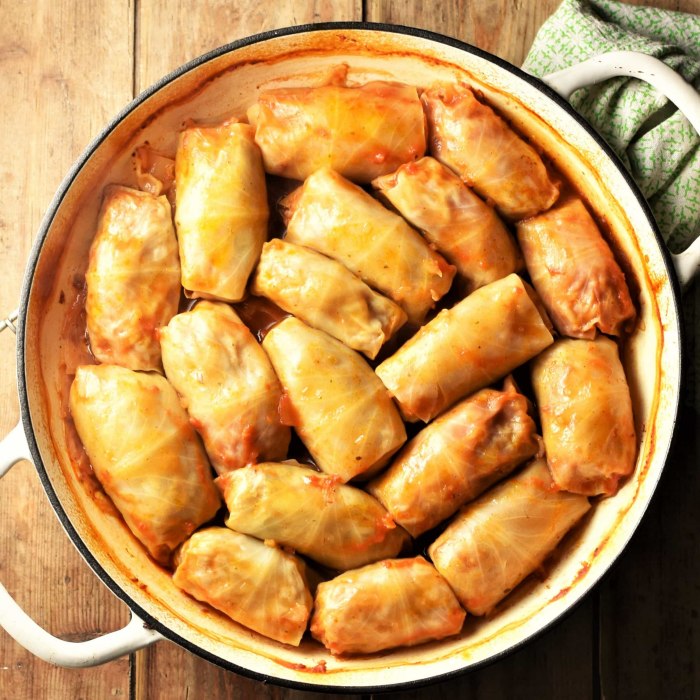
In the heart of a Polish kitchen, the scent of simmering tomatoes and buttery cabbage fills the air. Golabki, the country's iconic stuffed cabbage rolls, are more than just a meal—they are a symbol of resourcefulness. Born from the need to stretch humble ingredients, this dish has been nourishing families for centuries. But in an era of climate consciousness, golabki's traditional methods offer surprising lessons in sustainability. From using every part of the cabbage to choosing locally raised meat, the dish naturally aligns with eco-friendly principles. As we face global food waste and carbon footprints, rediscovering such time-honored recipes can guide us toward a more sustainable table. In this article, we'll explore how golabki can be adapted for the modern, eco-conscious cook. You'll learn about seasonal sourcing, reducing waste, and even the environmental impact of your choice of meat. By the end, you'll see this comforting classic in a new light—as a delicious ally for the planet.
The Whole Cabbage Approach: Zero Waste, Maximum Flavor
Golabki starts with a whole head of cabbage, and sustainability begins with using every leaf. The outer leaves, often discarded, are perfect for wrapping once blanched. The core, too, can be chopped and added to the filling or simmered in the sauce for extra depth. In Poland, home cooks traditionally blanch the entire cabbage and carefully peel off leaves, ensuring nothing goes to waste. This zero-waste approach is a cornerstone of sustainable cooking. According to the Food and Agriculture Organization, roughly one-third of all food produced globally is wasted, and vegetables are among the most wasted categories. By utilizing the entire cabbage, golabki helps reduce that statistic. Moreover, cabbage is a low-impact crop: it requires minimal pesticides, thrives in cool climates, and has a long shelf life, reducing spoilage. When you make golabki, you're not just cooking; you're participating in a tradition that respects the harvest.
Local and Seasonal: Sourcing for a Smaller Footprint
The environmental impact of golabki hinges on its ingredients. Cabbage, onions, and garlic are cool-season crops that store well, making them available locally for much of the year in temperate regions. Choosing locally grown produce reduces transportation emissions. For the meat, ground beef and pork are staples, but their carbon footprint varies. Beef production emits significantly more greenhouse gases than pork. A sustainable approach is to source meat from local, pasture-raised farms where regenerative practices sequester carbon. If you're in Poland, look for pork from native breeds like Puławska, which are often raised outdoors. Even better, consider blending meat with more rice or adding mushrooms to reduce the meat quantity without sacrificing flavor. This flexitarian tweak lowers the dish's environmental impact while maintaining its hearty character. Finally, choose rice that is locally grown or certified sustainable; in Europe, rice from the Po Valley in Italy is a lower-emission option than imports from Asia.
From Peasant Food to Polish Icon: A Brief History
Golabki's story is one of adaptation and resilience. The dish likely originated in the 17th century, when Polish cooks began wrapping minced meat in cabbage leaves, a technique influenced by Turkish dolma via the Balkans. Initially a peasant dish, it made use of inexpensive, shelf-stable ingredients: cabbage from the cellar, rice or barley, and whatever meat was available. Over time, it became a staple of Polish home cooking and festive tables, especially during holidays like Christmas Eve, where meatless versions with mushrooms and buckwheat are served. The name golabki literally means 'little pigeons,' a reference to the rolls' shape. During the communist era, when food shortages were common, golabki's flexibility shone—cooks substituted rice with bread or barley, and meat with lentils. Today, it remains a symbol of Polish hospitality, but its history reminds us that sustainable eating often draws from traditions of scarcity and creativity. By honoring those roots, we can enjoy golabki with a lighter environmental footprint.
Pro Tip: Blanch Smarter, Not Harder
Most recipes tell you to boil the whole cabbage for 10 minutes, but that's wasteful and energy-intensive. Instead, try this expert trick: freeze the cabbage overnight, then thaw it. The cell walls break down, making leaves pliable without any cooking. This saves water and energy. If you prefer blanching, cut out the core and submerge the cabbage in boiling water for just 2-3 minutes, then peel off the softened leaves and return the head to the pot for another minute. Repeat until you have enough leaves. This method uses less water and gas. Another pro tip: use the blanching water to cook your rice—it's infused with cabbage flavor and nutrients, so you're not pouring goodness down the drain. And when you trim the thick rib of each leaf, don't discard it; chop it finely and add it to the filling for extra texture and fiber. These small adjustments cut waste and resource use, making your golabki greener without compromising taste.
The Eco-Conscious Cook's Guide to Golabki
In today's kitchen, sustainability is not a trend but a necessity. Golabki fits seamlessly into this ethos. Consider the cooking method: traditional recipes call for simmering in a tomato broth on the stovetop or baking in the oven. Both are relatively energy-efficient if you use a lid and moderate heat. A slow cooker or pressure cooker can further reduce energy use. The sauce itself is an opportunity: use overripe tomatoes that would otherwise be thrown away, or canned tomatoes from local farms. Even the tomato paste can be homemade from surplus tomatoes. When it comes to the filling, experiment with plant-based options: lentils, mushrooms, and walnuts can replace meat in part or whole, cutting emissions. And don't forget the herbs—dill, bay leaf, and marjoram are easy to grow in pots, reducing packaging and transport. By making these choices, golabki becomes more than comfort food; it's a statement of environmental stewardship, proving that tradition and sustainability can coexist deliciously.
Frequently Asked Questions
Q: Can I make golabki ahead of time to save energy? A: Yes, assemble the rolls and refrigerate for up to two days, or freeze them. Then bake or simmer when ready. Making a large batch and reheating uses less energy than cooking multiple small meals. Q: What's the most sustainable meat for golabki? A: Pork has a lower carbon footprint than beef, and locally raised pasture pork is best. You can also mix pork with turkey or plant-based alternatives to reduce impact. Q: How do I reduce food waste when making golabki? A: Use the entire cabbage, including core and outer leaves. Save leftover filling for soups or stuffed peppers. Any extra sauce can be frozen for future use.
Key Takeaways
Golabki is a delicious reminder that sustainable cooking can be rooted in tradition. Use the whole cabbage—leaves, core, and all—to eliminate waste and maximize flavor. Source local, seasonal produce and choose pork over beef for a lower carbon footprint, or blend with plant-based ingredients. Adopt energy-saving techniques like freezing cabbage instead of boiling, and repurpose blanching water for cooking rice. Finally, embrace flexibility: golabki's history is one of adaptation, so feel free to experiment with leftovers and plant-based fillings. By applying these lessons, you'll not only enjoy a comforting Polish classic but also contribute to a healthier planet. So next time you crave a warm, hearty meal, remember that golabki offers a path to both personal satisfaction and environmental responsibility. Happy cooking, and happy sustainable eating!
Try these recipes on DishIndex
Explore golabki recipe recipes and more