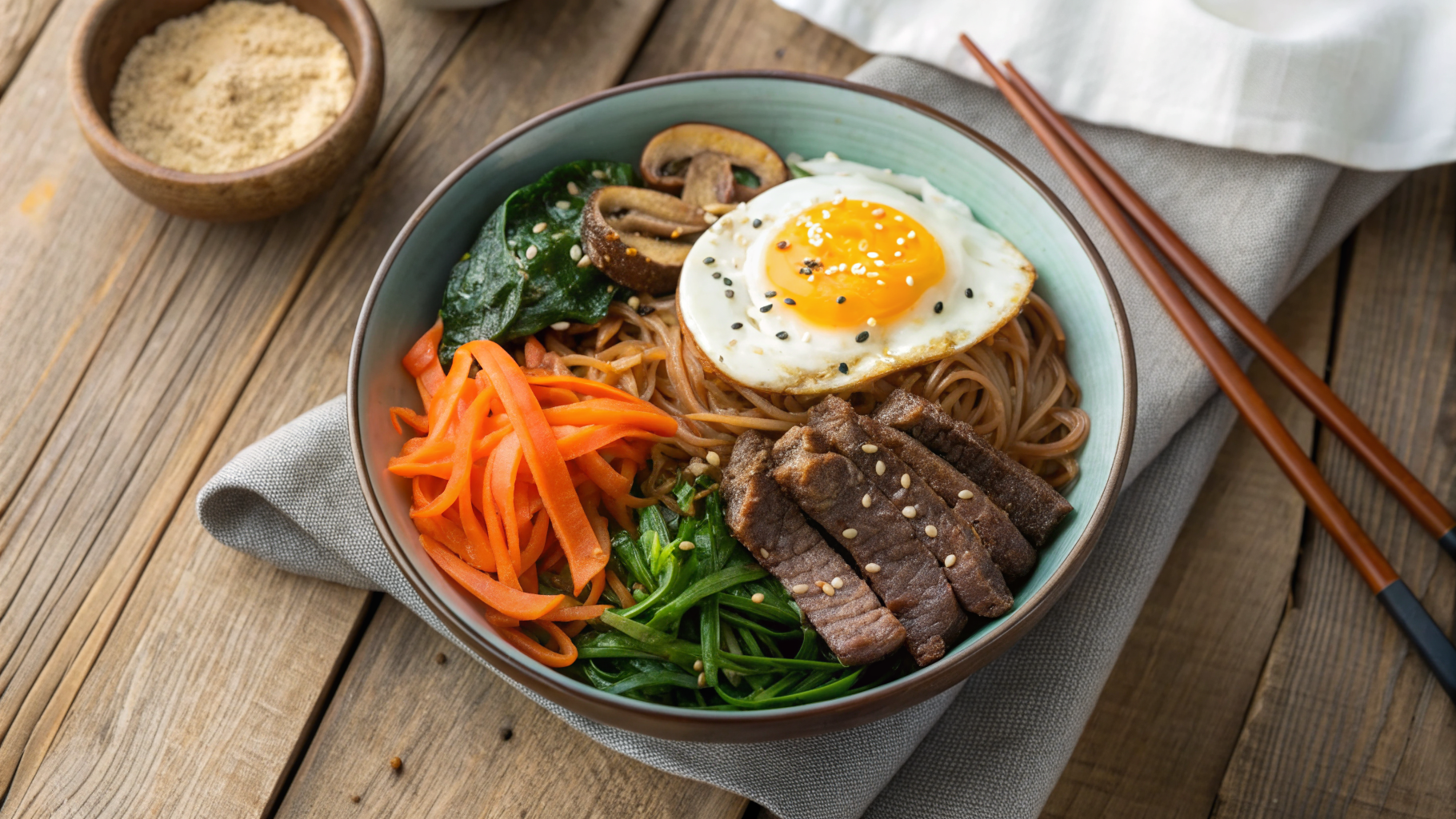
Imagine opening your fridge on a hectic Wednesday night and pulling out a bowl that tastes like it just came off a Seoul street vendor's grill. The Kimchi Bulgogi Japchae Bowl is that rare meal prep unicorn: it's deeply comforting yet packed with vegetables, and it actually improves as it sits. Korean home cooks have long mastered the art of banchan—small side dishes made in batches—and this bowl is a natural extension of that philosophy. By combining three iconic elements—bulgogi (marinated grilled beef), japchae (sweet potato glass noodles), and kimchi—you get a symphony of textures and flavors that holds up beautifully for days. In this article, we'll walk through a week's worth of strategies: how to marinate beef for maximum tenderness, cook japchae so it never clumps, store components for optimal freshness, and assemble bowls that keep you excited about lunch. You'll also learn how this dish fits into a balanced diet, with insights from nutrition science and Korean culinary tradition. Get ready to transform your weekly routine with a bowl that's as practical as it is delicious.
The Science of Meal Prep: Why This Bowl Works
Meal prep often fails because textures degrade—salads wilt, grains dry out, proteins toughen. The Kimchi Bulgogi Japchae Bowl sidesteps these pitfalls thanks to its component structure. Bulgogi, marinated in Asian pear, soy sauce, honey, garlic, and sesame oil, is naturally rich in enzymes like calpain that tenderize beef over time. In fact, a 2019 study in the Journal of Food Science found that pear marinades can reduce beef toughness by up to 30 percent after 12 hours. Japchae, made from sweet potato starch, remains chewy even when cold, and its sesame oil coating prevents sticking. Kimchi, already fermented, continues to develop umami as it sits. By storing each component separately and assembling just before eating, you preserve the integrity of each element. This bowl also hits a macro trifecta: protein from beef and egg, complex carbs from noodles and vegetables, and healthy fats from sesame oil. It's a complete meal that satisfies without weighing you down.
Mastering the Marinade: Pear, Garlic, and Time
The secret to bulgogi that melts in your mouth is the marinade—specifically, the grated Asian pear. Unlike Western pears, Asian pears (nashi) contain higher levels of the enzyme actinidin, which breaks down muscle fibers. Combined with soy sauce, honey, and minced garlic, this mixture does more than flavor; it chemically transforms the meat. Most home cooks make the mistake of marinating for only 30 minutes. For thinly sliced sirloin, aim for at least 4 hours, ideally overnight. The acid from the pear and soy also helps the meat retain moisture during cooking. When you're batch-cooking, marinate a large batch of beef in a zip-top bag, then cook it all at once. The cooked bulgogi can be stored in its juices, which congeal into a flavorful gel—reheat gently to keep it tender. This step alone elevates your meal prep from mundane to extraordinary.
Japchae: The Art of Chewy, Non-Sticky Noodles
Japchae, Korea's beloved glass noodles, are made from sweet potato starch, giving them a distinctive chewy texture. But they're notorious for clumping if not handled correctly. The traditional method involves boiling, rinsing, and then tossing with sesame oil while still warm. For meal prep, cook a large batch of noodles, then divide into portions and coat each with a teaspoon of toasted sesame oil. This creates a protective barrier that prevents sticking. When reheating, sprinkle with a little water and microwave covered, or stir-fry quickly in a hot pan. The noodles will regain their spring. Interestingly, japchae was originally a royal court dish in the 17th century, made with vegetables and no noodles—the glass noodles were added later. Today, it's a staple at Korean gatherings, and its adaptability makes it perfect for batch cooking. Pair it with bulgogi and kimchi, and you have a bowl that's greater than the sum of its parts.
Pro Tip: Layer Your Bowl for Maximum Freshness
The biggest mistake in meal prep is assembling everything together too early. Instead, layer your bowl like a Korean bibimbap: start with a base of japchae, then add bulgogi, vegetables, and kimchi in separate sections. This prevents the kimchi's spicy brine from making the noodles soggy. Store the fried egg separately—or better yet, cook it fresh each day. If you must prep eggs ahead, soft-boil them and store in their shells; they'll keep for a week. Another pro tip: keep the marinade juices from the bulgogi and use them as a sauce. After cooking, strain the juices, skim off excess fat, and drizzle over the bowl. This adds a concentrated umami boost. For a vibrant finish, add fresh scallions and toasted sesame seeds just before eating. These small touches make your prepped meal feel like a restaurant dish, not leftovers.
The Cultural Roots: From Royal Courts to Weeknight Tables
The components of this bowl have deep historical roots. Bulgogi, meaning 'fire meat,' originated in the Goguryeo era (37 BC–668 AD) as a method for cooking marinated beef over open flames. Japchae was created in the 17th century by a royal chef for King Gwanghaegun, who loved the dish so much he rewarded the chef with a high government post. Kimchi, Korea's national dish, has been fermented for over 2,000 years, with the addition of chili peppers (brought from the Americas in the 16th century) transforming it into the spicy staple we know today. Combining these three in one bowl is a modern innovation, reflecting Korea's fast-paced lifestyle where tradition meets convenience. It's a testament to how Korean cuisine adapts while honoring its past. When you meal prep this bowl, you're not just cooking—you're participating in a culinary lineage that spans centuries.
Frequently Asked Questions
Q: Can I make this bowl vegetarian? A: Yes, substitute beef with sliced portobello mushrooms or firm tofu, and use soy sauce or tamari. Marinate for at least 2 hours. Skip the egg or use a vegan egg substitute. Q: How long does the prepped bowl last in the fridge? A: Stored separately, bulgogi lasts 3-4 days, japchae 4-5 days, and kimchi months. Assembled bowls are best within 3 days. Q: Is this dish freezer-friendly? A: Bulgogi freezes well for up to 2 months; freeze in marinade or cooked. Japchae can be frozen but may become slightly softer upon thawing. Kimchi should not be frozen as it kills beneficial bacteria.
Key Takeaways
Meal prepping the Kimchi Bulgogi Japchae Bowl is a game-changer for busy weeks. First, marinate beef overnight with Asian pear for unmatched tenderness. Second, cook japchae in batches and coat with sesame oil to prevent clumping. Third, store components separately to maintain textures and flavors. Fourth, layer bowls with japchae as the base, then bulgogi, kimchi, and fresh garnishes. Finally, embrace the cultural heritage—this dish is a delicious fusion of Korean culinary traditions. With these strategies, you'll enjoy a balanced, satisfying meal that feels anything but routine. So grab your ingredients, prep once, and savor the rewards all week long.
Try these recipes on DishIndex
Explore Kimchi Bulgogi Japchae recipes and more