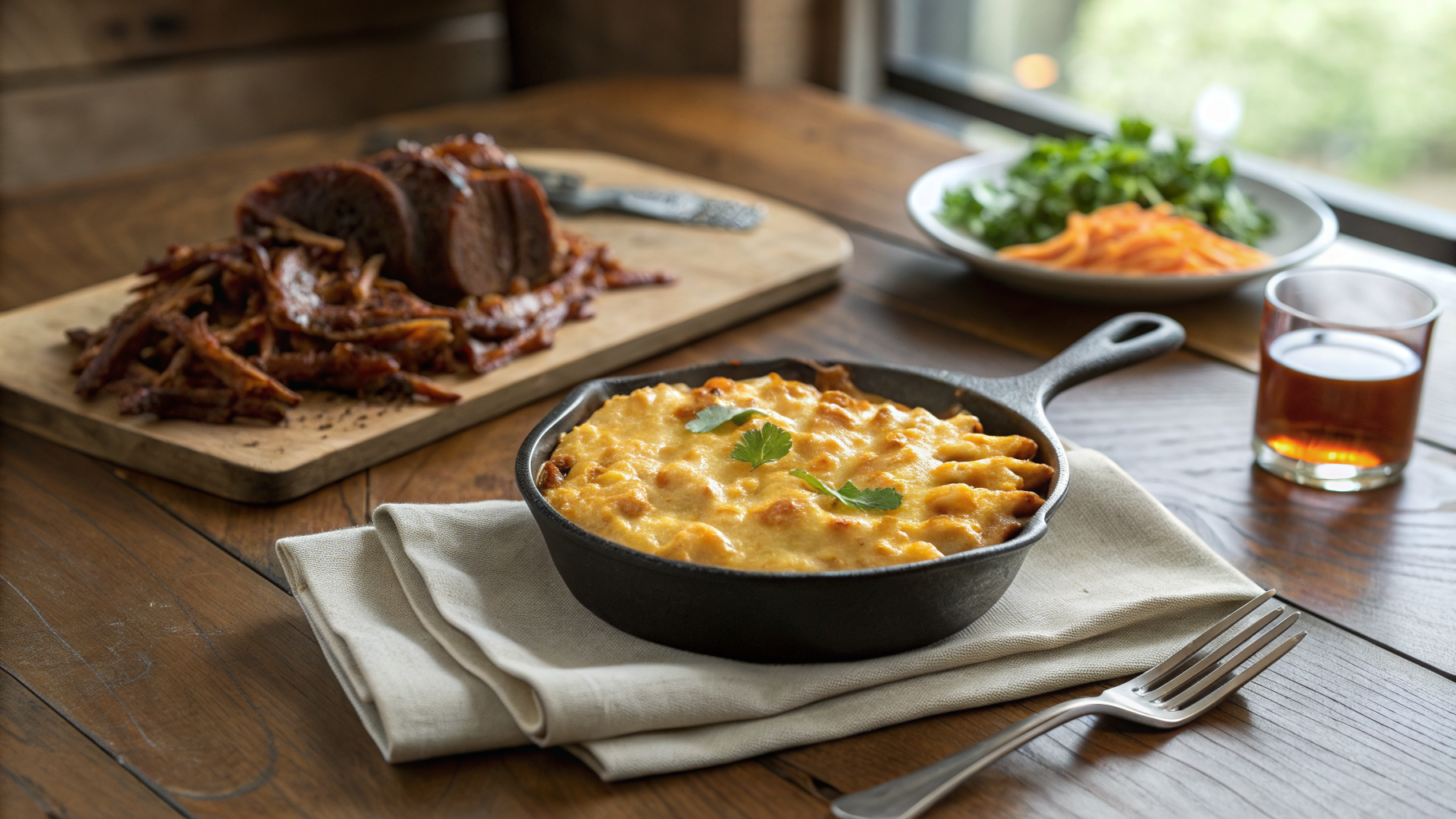
Imagine a Sunday afternoon in the American South: the air thick with hickory smoke, a pork shoulder slow-cooking over glowing coals, and inside, a bubbling casserole of mac and cheese crowned with golden cheddar. This is the essence of smoky bourbon pulled pork with sweet potato mac and cheese—a dish that marries smoky, sweet, and tangy flavors in a tender, fall-apart embrace. But in today's digital age, this recipe is not just a regional treasure; it's a global phenomenon, thanks to technology. From AI-powered recipe platforms that adapt cooking times to your altitude to smart thermometers that monitor your smoker's temperature via smartphone, the way we discover, personalize, and perfect such dishes has transformed. In this article, we'll explore how modern tools and platforms are making slow-cooked Southern classics more accessible, customizable, and foolproof than ever before. Whether you're a seasoned pitmaster or a novice home cook, you'll learn how technology can help you achieve that perfect smoky glaze and creamy mac, all from the comfort of your kitchen.
The Science of Smoke and Bourbon
The magic of this pulled pork lies in the interplay of smoke, sugar, and alcohol. When pork shoulder is cooked low and slow, collagen breaks down into gelatin, creating that fork-tender texture. Smoking over hardwood like hickory or apple imparts compounds like guaiacol and syringol, which give the meat its distinctive smoky aroma. The dark brown sugar in the rub caramelizes at around 300°F, creating a crust that locks in moisture and adds complexity. Bourbon, aged in charred oak barrels, contributes vanilla and caramel notes that complement the pork's richness. But there's a scientific twist: alcohol evaporates at 172°F, so most of the bourbon's alcohol cooks off, leaving behind its flavor. Technologically, modern sous-vide circulators or pellet smokers with digital controllers allow precise temperature maintenance, ensuring that collagen breakdown happens perfectly without drying out the meat. AI-powered cooking apps can even adjust cooking times based on your specific cut weight and smoker type, taking the guesswork out of a traditionally instinctive process.
Sweet Potato Mac & Cheese: The Comfort Upgrade
The mac and cheese side is not just an afterthought; it's a canvas for creativity. Traditional mac and cheese relies on a béchamel sauce with sharp cheddar, but incorporating sweet potato purée adds a velvety texture and a subtle sweetness that echoes the bourbon glaze. The sweet potato also boosts the nutritional profile with beta-carotene and fiber. The key to a silky sauce is to avoid overcooking the cheese—high heat can cause it to separate. Using a digital thermometer or an induction cooktop with precise temperature control helps maintain the sauce at a gentle simmer. For the golden, bubbly crown, many modern recipes recommend broiling for the last few minutes; a smart oven with a broil setting and a timer can prevent burning. Online platforms now allow users to filter recipes by dietary needs, such as gluten-free or vegetarian, and even suggest substitutions based on what's in your fridge. This adaptability is a hallmark of the digital food revolution.
Southern Roots, Global Reach
Pulled pork and mac and cheese are deeply rooted in African American and Southern culinary traditions. Pit barbecue traces back to indigenous Caribbean and African cooking techniques, where meat was slow-roasted over pits. Mac and cheese, originally a European dish, was adapted in the American South with local cheeses and baked to a crispy top. The fusion of these dishes represents the melting pot of American cuisine. Today, thanks to the internet and social media, these regional flavors have crossed borders. Home cooks in Tokyo or Berlin can access authentic recipes and techniques through platforms that offer step-by-step videos and AI-driven suggestions. This democratization of culinary knowledge not only preserves traditions but also inspires new variations, like adding a hint of chipotle or substituting sweet potato with butternut squash. The dish evolves, yet its soul remains intact.
Pro Tip: Let It Rest, Then Rest Again
One of the most overlooked secrets to perfect pulled pork is resting. After smoking to an internal temperature of 203°F, the meat must rest for at least 30 minutes, tented with foil, to allow the juices to redistribute. But here's the twist: instead of shredding immediately, many pitmasters recommend pulling the pork in large chunks, letting it rest again for 10 minutes in its own juices, then shredding completely. This double-rest technique ensures maximum moisture. For the mac and cheese, a similar principle applies—let it stand for 10 minutes after baking before serving, so the sauce thickens and clings to the pasta. With smart meat thermometers that track resting time via app alerts, you can time both rests perfectly. If you're using an oven rather than a smoker, consider adding a few drops of liquid smoke to the pork before slow-cooking to mimic that authentic smoky flavor—technology has made such substitutions easier, with apps that suggest liquid smoke based on your available ingredients.
Modern Convenience Meets Time-Honored Flavor
In our fast-paced world, slow-cooked dishes might seem intimidating, but technology bridges the gap. Pressure cookers like the Instant Pot can produce fall-apart pork in under two hours, while still delivering depth of flavor if you add smoked paprika and a touch of liquid smoke. AI meal-planning apps can schedule your cooking around your day, suggesting to start the pork in the morning so it's ready by dinner. Smart slow cookers allow you to control temperature remotely, so you can adjust if your schedule changes. Even the bourbon glaze can be perfected with a digital scale for precision and a thermometer to ensure it reaches the right consistency (around 220°F for a syrup-like texture). These tools don't replace the soul of cooking; they enhance it, giving you more time to enjoy the aromas and the company of loved ones.
Frequently Asked Questions
Q: Can I use a pork shoulder without the bone? A: Yes, but bone-in adds flavor and moisture. If using boneless, reduce cooking time by about 30 minutes and check tenderness earlier. Q: What if I don't have a smoker? A: Use an oven at 225°F with a pan of water for moisture. Add a few drops of liquid smoke for that smoky flavor. Q: Can I make the mac and cheese ahead of time? A: Absolutely. Assemble it, refrigerate, and bake when ready. Add a few extra minutes to the baking time since it starts cold.
Key Takeaways
As you embark on making this smoky bourbon pulled pork with sweet potato mac and cheese, remember that technology is your ally. Use a reliable thermometer to hit that perfect 203°F internal temperature for the pork, and don't skip the resting—it's non-negotiable. Embrace the sweet potato in your mac; it not only adds flavor but also a nutritional boost. When smoking isn't possible, a few drops of liquid smoke can work wonders. And finally, let modern recipe platforms inspire you to tweak the dish to your liking—whether it's spicier, sweeter, or even vegetarian. With these tools, you're not just following a recipe; you're becoming a part of a culinary evolution that honors tradition while welcoming innovation.
Try these recipes on DishIndex
Explore pulled pork mac and cheese recipes and more