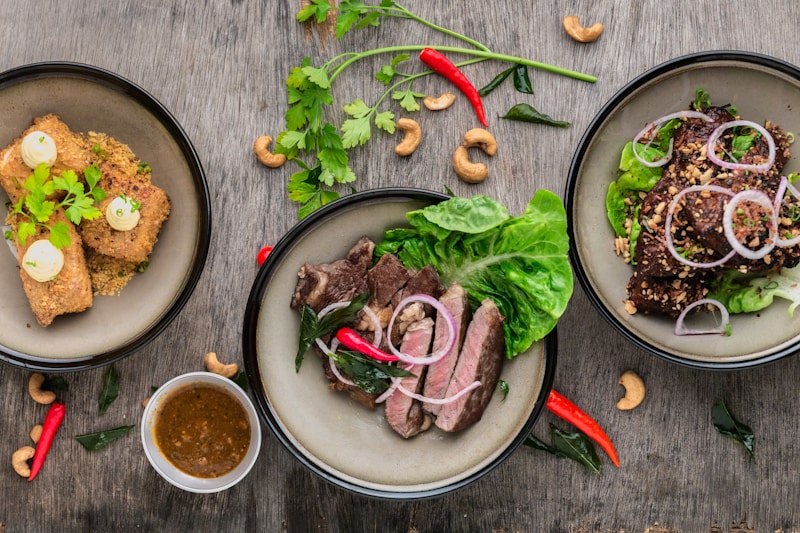
Imagine the sizzle of lamb hitting a hot grill, the air filled with oregano and garlic, and the promise of a cool, herby yogurt to dip each golden bite. These keftedes are my love letter to Greek tavernas, where simple ingredients become something magical. You'll mix ground lamb with onion, herbs, and a hint of cinnamon—that warm, unexpected spice that makes Greek meatballs sing. As they cook, the edges crisp while the inside stays juicy. Then you'll char lemon halves until they're smoky and caramelized, squeezing their bright, bitter-sweet juice over everything. It's a dish that begs to be shared, with warm pita, a rough Greek salad, and a glass of cold Assyrtiko. In this article, I'll guide you through the techniques that ensure perfect results every time, reveal the science behind the ingredients, and share cultural insights that deepen your appreciation for this beloved dish.
The Science of Juicy Keftedes
The secret to exceptionally juicy keftedes lies in the fat content of the ground lamb. Opt for lamb with at least 20% fat, as it renders during cooking, basting the meat from within and keeping it moist. Overworking the mixture can lead to dense, tough meatballs, so handle the mixture gently—just enough to combine the ingredients. Another crucial factor is the grated onion. Grating (rather than chopping) releases moisture and enzymes that help tenderize the meat, while also distributing flavor evenly. Allowing the mixture to rest for at least 30 minutes in the refrigerator lets the breadcrumbs absorb excess moisture and the flavors meld. Finally, resist the urge to press down on the keftedes while they cook; this squeezes out juices and prevents that desirable crust from forming.
The Role of Cinnamon and Herbs
A pinch of cinnamon might surprise you, but it's a signature in many Greek meat dishes, dating back to the influence of the Ottoman Empire. The spice adds warmth without overwhelming, complementing the gamey notes of lamb. Fresh mint and parsley are non-negotiable for authentic flavor. Mint adds a cool brightness that cuts through richness, while parsley contributes a grassy, clean finish. Dried oregano, preferably Greek, is the backbone of the herb blend, offering a slightly bitter, piney aroma. When chopping herbs, avoid bruising them too much to prevent bitterness. If you're short on fresh herbs, you can substitute with a smaller amount of dried, but the texture and vibrancy will differ.
A Journey Through Greek Tavernas
Keftedes, or Greek meatballs, have roots in the broader Mediterranean tradition of kofta, which spread through the Ottoman Empire. In Greece, they are a staple of taverna menus, served as meze (appetizers) alongside ouzo or wine. Each region has its own variation: in Crete, they might add stale bread soaked in wine; in the islands, they often include a bit of ouzo or mastiha for flavor. The Greek version typically features lamb or a mixture of lamb and beef, and the addition of cinnamon reflects the country's position at the crossroads of East and West. These meatballs are more than food—they evoke memories of sun-drenched terraces, laughter, and the simple joy of breaking bread together.
Pro Tip: Perfect Charred Lemons
Charring lemon halves is a simple step that elevates the entire dish, but many home cooks miss the mark. Start with firm, heavy lemons—they hold up better to heat. Cut them in half crosswise, not lengthwise, to expose maximum surface area. Place them cut-side down on a hot grill or grill pan, and don't move them until they're deeply caramelized with distinct grill marks, about 3-4 minutes. The heat caramelizes the natural sugars, softening the tartness and adding a smoky complexity. Squeeze the lemons over the keftedes just before serving to brighten the flavors. The charred lemon's bitterness pairs beautifully with the richness of the lamb, cutting through the fat and refreshing the palate.
The Modern Take on a Classic
While keftedes are traditional, they're also surprisingly versatile and nutritionally appealing. Lamb is an excellent source of high-quality protein, iron, and B vitamins. When paired with fresh herbs and yogurt, you get a dish that's lower in carbs and rich in probiotics if you use Greek yogurt. In recent years, there's been a resurgence of interest in Mediterranean diets, and keftedes fit perfectly into this eating pattern. They're also incredibly adaptable: you can bake them for a lighter option, or shape them into smaller balls for appetizers. The charred lemon trend is a modern touch that aligns with chefs' love of depth and complexity. Whether you're a seasoned cook or a beginner, mastering this dish connects you to a legacy of simple, honest cooking that never goes out of style.
Frequently Asked Questions
Q: Can I use beef or turkey instead of lamb? A: Yes, but adjust the fat content. If using lean turkey, add a few tablespoons of olive oil or grated zucchini to keep the meatballs moist. The flavor will be milder, so boost the herbs and spices. Q: What can I substitute for mint? A: If you don't have mint, use a combination of dill and parsley, or even basil. The character will change, but you'll still get a fresh note. Dried mint can be used, but use half the amount. Q: How do I keep keftedes from falling apart? A: Make sure to include a binder like breadcrumbs and egg. Also, chill the mixture thoroughly before shaping. When cooking, avoid moving them too early—let them sear and set before flipping.
Key Takeaways
To achieve keftedes that are crispy on the outside and tender within, choose lamb with adequate fat and handle the mixture gently. Grating the onion releases moisture that enhances tenderness, while a rest in the fridge allows the flavors to meld. Embrace cinnamon and fresh herbs for authentic taste. Charring lemon halves transforms their flavor, adding a smoky brightness that balances the rich lamb. Serve with minted yogurt for a cooling contrast. Remember to let the keftedes rest briefly before serving to retain juices. These are principles that extend beyond this recipe: understanding the science of fat, moisture, and heat will elevate all your cooking. So fire up the grill, gather your eadings, and bring a taste of Greece to your table tonight.
Try these recipes on DishIndex
Explore lamb keftedes recipes and more