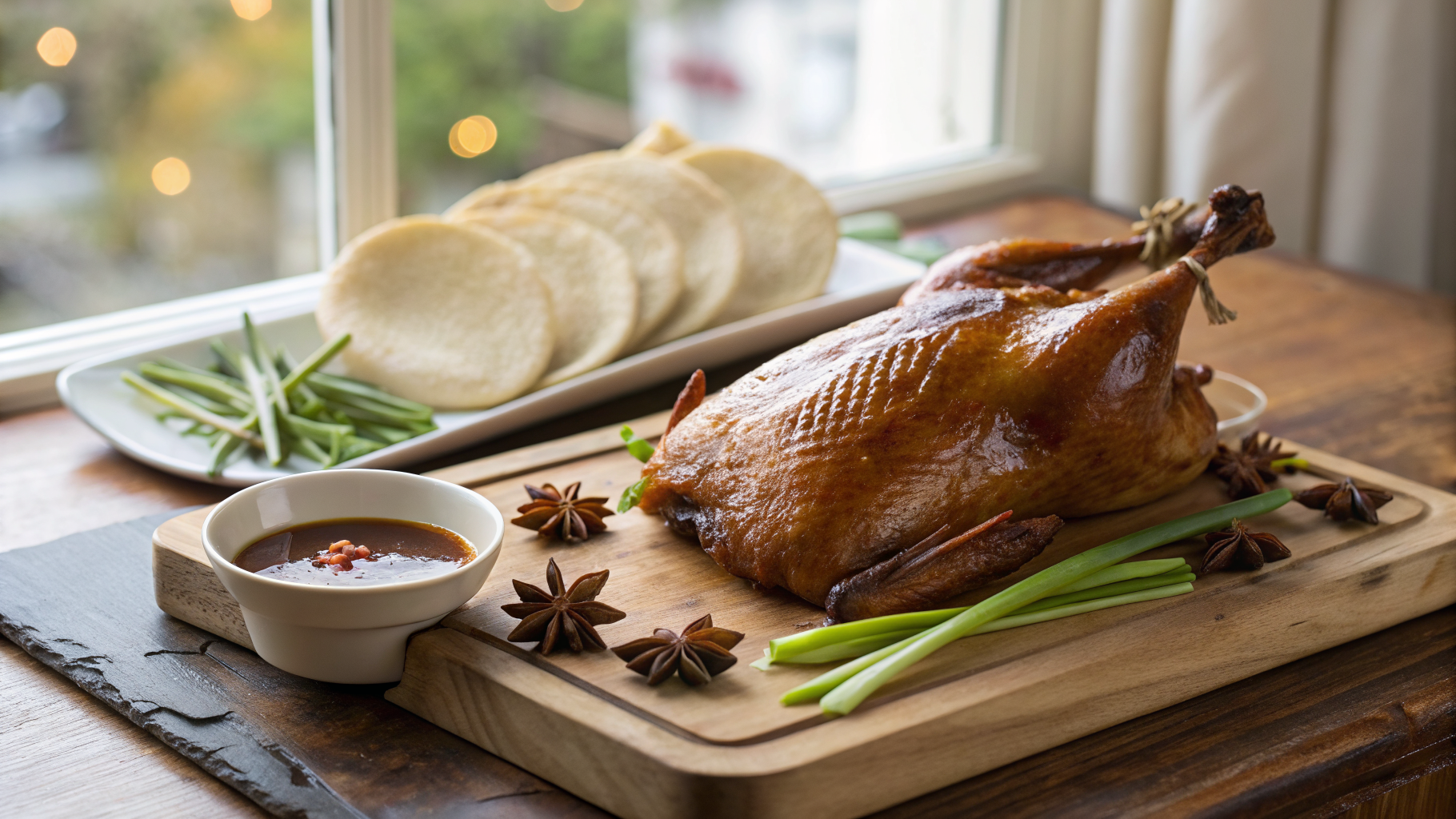
The crackle of lacquered skin under your fingers, the release of steam carrying notes of star anise and tea, the gentle tingle of Sichuan peppercorns on your tongue—this is Sichuan Crispy Aromatic Duck. It's a dish that demands patience and rewards it with layers of flavor achieved through a double-cook method: a slow braise to infuse the meat, then a furious flash-fry to achieve that shattering crispness. But beyond its sensory delights, this dish holds a deeper promise: sustainability. In a world where food waste is a global concern, this duck exemplifies nose-to-tail cooking, using a whole bird and incorporating every part. It also aligns with seasonal and local eating, as it relies on classic spices and can be adapted to locally sourced produce. In this article, we'll explore how this Sichuan classic embodies eco-friendly principles, from its ingredient choices to its preparation methods, proving that indulgence and sustainability can coexist deliciously.
The Double-Cook Method: Flavor Infusion Meets Crispy Finish
Sichuan Crispy Aromatic Duck's defining technique is its two-step cooking process. First, the duck is braised low and slow for about an hour in a fragrant broth of water, Shaoxing wine, soy sauce, and a medley of spices—star anise, cassia cinnamon, Sichuan peppercorns, and dried mandarin peel. This gentle simmer breaks down tough connective tissue, ensuring the meat is fall-apart tender, while the aromatic liquid penetrates deep into the muscle fibers. After braising, the duck is hung to air-dry, which is crucial for developing a dry skin that will crisp up beautifully. The second stage is a high-heat flash-fry, often in a wok with oil at 180°C (350°F). This rapid cooking lasts only a few minutes per side, producing a golden, crackling skin while keeping the interior moist. This method is not just about texture; it's a lesson in thermodynamics—the braise renders fat and hydrates, while the fry evaporates surface moisture, creating that sought-after puffed, crispy layer.
Mastering the Spice Blend: The Soul of Sichuan Flavor
The distinct character of this duck comes from its spice blend, which balances the numbing heat of Sichuan peppercorns with the warmth of star anise and cinnamon. Sichuan peppercorns contain hydroxy-alpha-sanshool, a compound that triggers a tingling, numbing sensation in the mouth, a hallmark of Sichuan cuisine. Star anise, with its licorice-like sweetness, and cassia cinnamon, which is more pungent than Ceylon cinnamon, add depth and a woody aroma. Dried mandarin peel, often aged for years, offers a subtle citrus bitterness that cuts through richness. Toasting these spices before use releases their volatile oils, intensifying their flavors. Many recipes call for a five-spice powder as a shortcut, but crafting your own blend allows for customization and ensures freshness. The key is to balance the spices so that no single one dominates, allowing the duck's natural flavor to shine through.
Cultural Roots and Regional Variations
While this dish is now a Sichuan classic, its origins are surprisingly contested. Some food historians trace it to the imperial kitchens of the Qing Dynasty, where chefs adapted techniques from the Cantonese 'crispy skin duck' (siu aap) to incorporate Sichuan's bold spices. Others point to influence from smoked duck preparations in Yunnan province, where tea leaves and camphor wood are used for smoking. In Chengdu, the dish is often served with a sweet bean sauce and thin pancakes, similar to Peking duck, but with the added kick of Sichuan pepper. Over time, regional variations have emerged: some recipes incorporate tea-smoking, where the duck is smoked over tea leaves and camphor leaves post-braise, adding a subtle smokiness. Others might use a wet marinade before braising, or air-dry the duck for up to 24 hours to intensify the skin's crispness. These variations reflect the adaptability of Chinese cuisine, where local ingredients and traditions shape the dish while maintaining its core essence.
Pro Tip: Achieving the Perfectly Crispy Skin Every Time
The most common pitfall in preparing this duck is soggy skin, which results from insufficient drying. After braising, pat the duck dry thoroughly, then leave it uncovered in the refrigerator for at least 12 hours, or up to 24, to allow the skin to air-dry. You can even use a fan to speed up the process—place the duck on a wire rack over a baking sheet to allow airflow all around. Another trick is to blanch the duck in boiling water briefly before braising, which tightens the skin and helps render fat later. When frying, use a large enough pot to avoid oil splatter, and consider using a two-step fry: first at a lower temperature (160°C/320°F) to cook through, then a quick second fry at 190°C/375°F to crisp the skin. Always let the duck rest for a few minutes before carving to retain juices.
Sustainability: Nose-to-Tail and Mindful Sourcing
In an era of heightened environmental awareness, Sichuan Crispy Aromatic Duck offers a sustainable alternative to typical protein-centric meals. The use of a whole duck means every part is utilized—the carcass can be simmered into a flavorful broth, while the braising liquid becomes a base for sauces or soups. This nose-to-tail philosophy reduces food waste and maximizes resources. Additionally, the dish encourages seasonal and local eating: ducks are often more abundant and affordable in certain seasons, and the accompanying vegetables (like scallions and cucumbers) can be sourced locally. By choosing ducks from farms that practice ethical raising methods, you reduce the carbon footprint associated with factory farming. Moreover, the braising method is energy-efficient, as it uses low heat over a long period, and the frying oil can be strained and reused for other dishes. This dish, when approached mindfully, embodies a culinary ethos that respects both flavor and the planet.
Frequently Asked Questions
Q: Can I use a pre-cut duck or only a whole one? A: A whole duck is ideal for even cooking and presentation, but you can use duck pieces if that's what you have. Adjust braising time accordingly, and fry in batches to ensure crispy skin. Q: What is the best substitute for Sichuan peppercorns if I can't find them? A: There's no perfect substitute, but you can combine equal parts black peppercorns and a pinch of ground coriander seed, plus a few drops of lemon juice to mimic the citrusy note. It won't numb, but it will add warm spice. Q: How do I store leftover crispy duck? A: Store leftover duck (meat and skin) in an airtight container in the fridge for up to 3 days. To re-crisp, place it on a wire rack in a preheated oven at 200°C (400°F) for 5-7 minutes. Avoid microwaving, as it will make the skin soggy.
Key Takeaways
Mastering Sichuan Crispy Aromatic Duck is a journey that rewards patience and precision, but the lessons extend far beyond this single dish. First, embrace the double-cook method: a low braise followed by a high-heat fry ensures tender meat and crispy skin, a technique applicable to other meats like pork belly. Second, create your own spice blends to unlock fresher, more complex flavors—experiment with ratios to suit your palate. Third, practice nose-to-tail cooking to minimize waste and maximize flavor, finding use for every part of the bird. Fourth, dry your meat thoroughly before frying to achieve that shattering crispness—a simple but crucial step. Finally, source your ingredients thoughtfully, choosing local and ethically raised meats to align with sustainability goals. With these insights, you're equipped to not only cook this Sichuan masterpiece but to think more creatively and consciously in your kitchen.
Try these recipes on DishIndex
Explore Sichuan duck recipe recipes and more