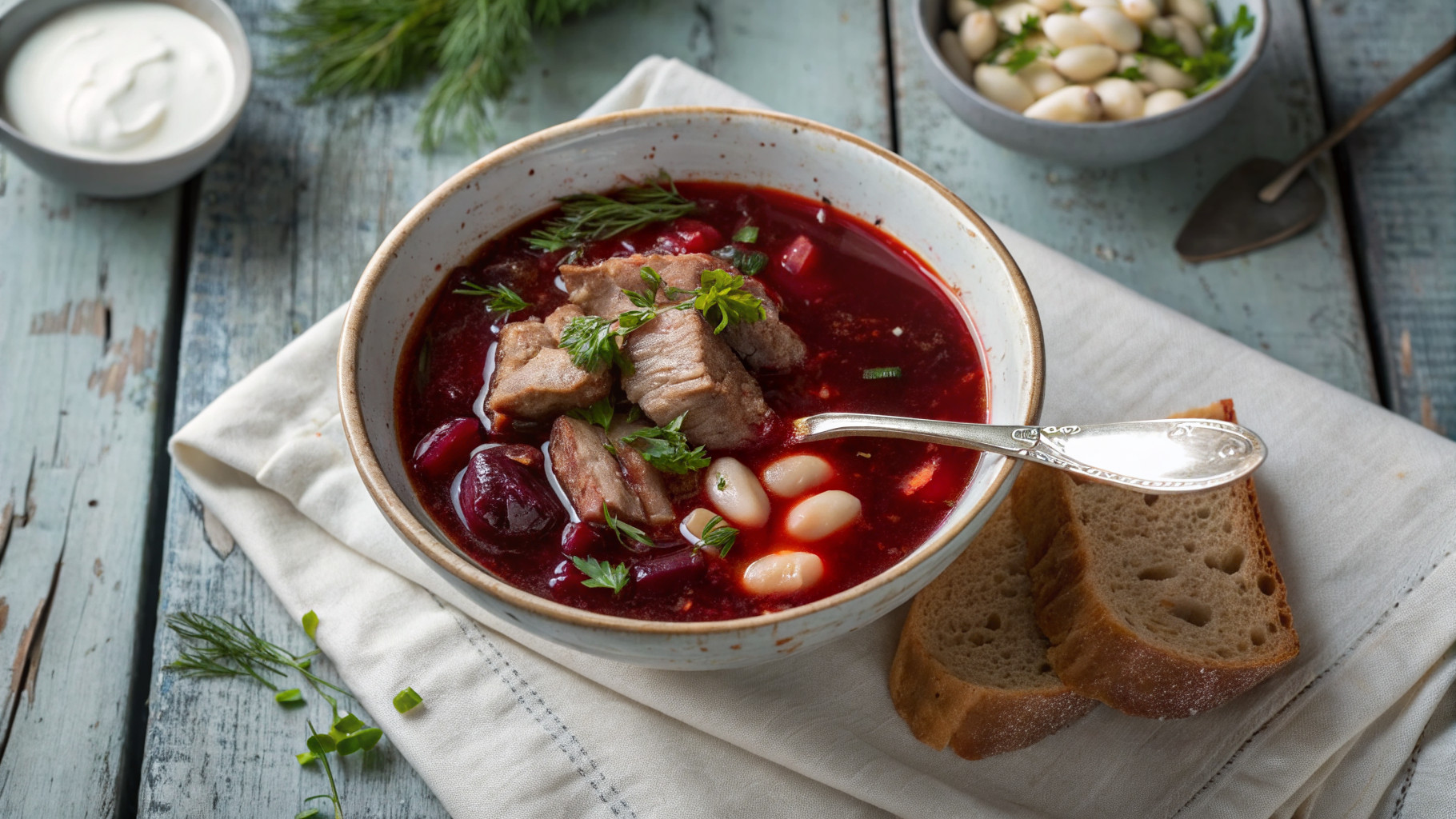
As the first chill of autumn creeps into the air, there's a particular bowl of borscht that calls to me—not the bright, chilled version of summer, but a deep, smoky, pork-laden stew that simmers for hours until the kitchen windows steam and the scent of bay leaves and caramelizing onions wraps around you like a favorite sweater. This is pork rib borscht, a Polish classic that transforms humble cuts into a symphony of flavor. But beyond its soul-warming taste, this dish is a nutritional marvel. In this article, we'll dissect the science behind its key ingredients—pork ribs, beets, white beans, and aromatics—exploring the protein, vitamins, and gut-health benefits that make it as good for your body as it is for your spirit. Get ready to see this comforting stew through the lens of a nutritionist, armed with data and research that will make you appreciate every spoonful even more.
The Protein Powerhouse: Pork Ribs and White Beans
Pork ribs are often celebrated for their flavor, but they also deliver a solid nutritional punch. A 3-ounce serving of cooked pork rib provides about 25 grams of high-quality protein, essential for muscle repair and satiety. It's also rich in B vitamins, especially B6 and B12, which support energy metabolism and neurological function. Pairing this with white beans creates a complementary protein profile, as beans provide lysine, an amino acid that pork may lack in proportion. Together, they form a complete protein source, making this stew a powerful choice for vegetarians looking to transition or anyone seeking a hearty, plant-forward meal. The beans also contribute soluble fiber, which has been shown to lower LDL cholesterol and stabilize blood sugar levels, offering cardiovascular benefits that pork alone cannot match.
The Beetroot Bioactive Bonanza
Beets are the crimson heart of borscht, and they're not just for color. They are one of the richest sources of betalains—antioxidants that exhibit anti-inflammatory properties. A 2015 study in the journal Nutrients linked betalain consumption to reduced oxidative stress and inflammation. Additionally, beets are a great source of folate, a B vitamin crucial for DNA synthesis and red blood cell formation. Perhaps most intriguingly, beets contain dietary nitrates, which the body converts to nitric oxide, improving blood flow and lowering blood pressure. But the way you prepare beets matters: simmering them gently, as in borscht, preserves these water-soluble nutrients, whereas roasting can degrade some. The slow-cooking method of this stew ensures that you get the full spectrum of beet benefits, from detoxification support to enhanced athletic performance.
Slow-Simmered Roots: The Historical Evolution of Polish Borscht
Borscht, or barszcz in Polish, likely originated from the Slavic word for cow parsnip, an early ingredient before beets took center stage in the 16th century. The addition of meat, especially pork ribs, marks a distinctive Polish twist, reflecting the country's agrarian traditions where pork was prized. Over centuries, regional variations blossomed: the Lithuanian version often includes mushrooms, while the Ukrainian style may feature beans and cabbage. But the Polish pork rib borscht, known as barszcz z żeberkami, remains a symbol of hearty home cooking. It was traditionally prepared during large family gatherings and holidays, simmered over a wood stove for hours, allowing the flavors to meld and deepen. This slow cooking not only made the ribs tender but also acted as a preservation method before refrigeration, ensuring that a rich, nutritious meal could be enjoyed even during harsh winters.
Pro Tip: Searing for Depth, Simmering for Silk
One mistake many home cooks make is skipping the initial sear on the pork ribs. In a traditional Polish kitchen, ribs are first browned in a hot pan with a little oil until deeply caramelized on all sides. This Maillard reaction creates hundreds of flavor compounds that infuse the broth with a savory, almost nutty note. Don't rush this step—it takes about 10 minutes but yields a complexity that cannot be achieved otherwise. Additionally, use a heavy-bottomed pot and maintain a gentle, barely bubbling simmer rather than a rolling boil. A vigorous boil can cause the proteins in the meat and beans to tighten and become tough, while a gentle simmer gradually breaks down collagen into gelatin, giving the broth a velvety mouthfeel. Skim any foam that rises during the first hour to keep the broth clear and clean-tasting, a detail that separates a good borscht from a great one.
The Science of Comfort: How This Stew Nourishes Body and Mind
In an era of fast food and quick fixes, there's a growing movement toward slow, intentional eating, and pork rib borscht epitomizes this philosophy. The long, slow simmering not only develops flavor but also makes nutrients more bioavailable. For instance, cooking beets breaks down their cell walls, releasing more of the antioxidants and nitrates. The collagen from the ribs, once rendered, provides gelatin, which supports gut health by aiding digestion and maintaining the integrity of the intestinal lining. A 2017 review in the Journal of Agricultural and Food Chemistry highlighted the benefits of bone broth, a byproduct of such stews, for joint health and inflammation. In a world grappling with chronic diseases, this dish offers a model of preventive nutrition, where each bowl is packed with vegetables, legumes, and lean protein. It's a testament to how traditional recipes often align surprisingly well with modern nutritional science.
Frequently Asked Questions
Q: Can I make pork rib borscht in a slow cooker or Instant Pot? A: Yes, but adjust times. In a slow cooker, cook on low for 8 hours; in an Instant Pot, use high pressure for 30 minutes, then natural release. Sear ribs first for best flavor. Q: How do I store and reheat leftovers? A: Store in an airtight container in the refrigerator for up to 4 days. Reheat gently on the stovetop over medium-low heat, adding a splash of broth or water to loosen. The flavor improves after a day. Q: Are there vegetarian alternatives to this borscht? A: Absolutely. Replace pork ribs with smoked mushrooms or extra beans and use vegetable broth. Add liquid smoke for a hint of smokiness. The beets and beans still provide protein and depth.
Key Takeaways
As you savor a bowl of pork rib borscht, you're partaking in a tradition that marries flavor and function. Remember, searing the ribs is non-negotiable for that deep flavor foundation. Let the stew simmer gently, not boil, to achieve the silky texture that only slow collagen breakdown can provide. Embrace the beets for their nitrates and betalains, which support your heart and reduce inflammation. Pair the pork with beans to create a complete protein, and don't be shy with the vinegar—it brightens the dish and helps your body absorb iron. Finally, let this stew be a reminder that true comfort food is often the most nourishing. Whether you're cooking for a crowd or prepping meals for the week, this recipe rewards patience with a depth of flavor and nutritional richness that will keep you coming back bowl after bowl.
Try these recipes on DishIndex
Explore Pork rib borscht recipes and more