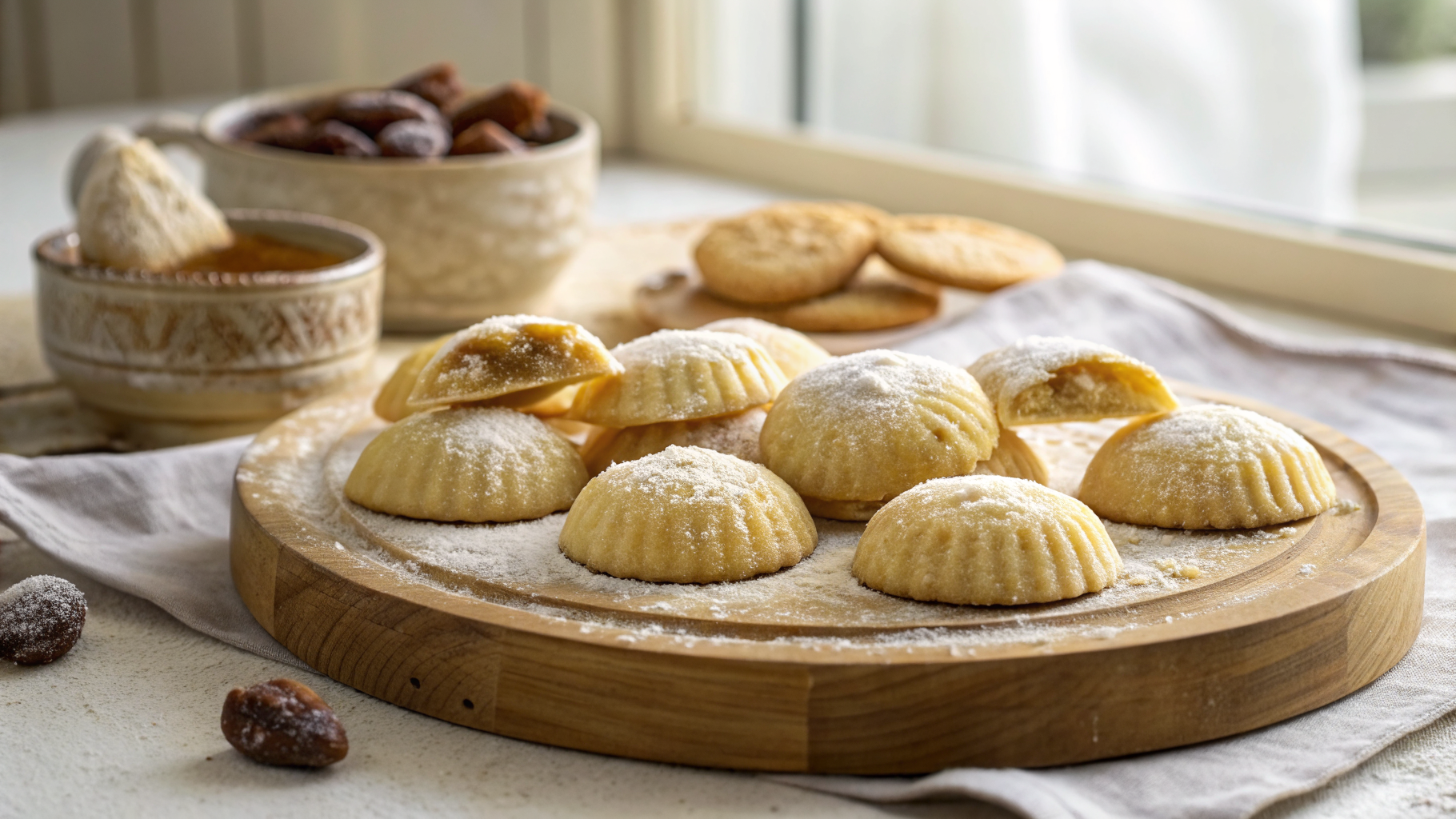
The scent of toasted semolina and butter wafting through a home signals that Eid has arrived. In kitchens across Saudi Arabia, Mamoul (or Maamoul) are more than just cookies; they are edible heirlooms, passed down through generations. These delicate shortbreads, often shaped into crescents or orbs, offer a unique texture that is crisp at the edge yet tenderly crumbly within. Achieving this perfect contrast is a culinary art, one that hinges on precise technique and a deep understanding of ingredients. In this article, we will dissect the science behind Mamoul, exploring how the choice of fat, flour, and handling methods influence the final texture. We'll uncover the role of semolina and the importance of a gentle touch, and share expert tips to help you avoid common pitfalls like spreading or excessive hardness. Whether you're a seasoned baker or a curious novice, you'll leave with the knowledge to craft Mamoul that honor tradition while celebrating culinary precision.
The Science of Crumbly Yet Tender: Fat and Flour
The hallmark of a perfect Mamoul is its melt-in-the-mouth crumb. This texture is achieved by coating flour proteins with fat, which inhibits gluten formation. In this recipe, unsalted butter and sunflower oil are used. Butter contributes flavor and a tender crumb due to its water content, which creates steam during baking, leading to slight flakiness. Sunflower oil, being pure fat, ensures a more uniform coating and a softer bite. The key is to rub the fats into the flour mixture until it resembles coarse meal, a stage called sablage. This ensures that each flour particle is insulated, resulting in a shortbread that crumbles delicately. The ratio of fat to flour is critical: too little fat yields tough cookies, while too much causes spreading. The inclusion of semolina, milled from durum wheat, adds a subtle grittiness that provides structure without toughness, as its larger particles don't absorb fat as readily.
Mastering the Dough: Temperature and Handling
One of the most common mistakes in Mamoul preparation is overworking the dough. Gluten is the enemy of tenderness. Once the milk is added (which hydrates the flour), the dough should be mixed just until it comes together. Overmixing develops gluten, resulting in a tough, chewy cookie. Another critical factor is temperature. The butter must be softened but not melted; melted butter can cause the cookies to spread and lose their shape. Similarly, the dough should be chilled before shaping and baking. This solidifies the fat, ensuring that the cookies hold their shape in the oven. When shaping, whether twisting into crescents or rolling into balls, a light touch is essential. The dough should be cohesive but not sticky. If it sticks, a light dusting of flour can help, but avoid adding too much, as it can alter the texture.
Cultural Significance: A Cookie for Celebrations
Mamoul are more than just a treat; they are a symbol of generosity and togetherness in the Arabian Peninsula and beyond. During Eid al-Fitr, marking the end of Ramadan, families gather to prepare trays of these cookies, often filled with dates or nuts, to share with visitors. The act of making Mamoul is often a communal activity, with women gathering to roll and shape the dough while sharing stories and laughter. Historically, these cookies were made with simple ingredients available in the region: wheat flour, semolina, ghee (clarified butter), and local honey. The use of refined sugar and sunflower oil is a modern adaptation. The intricate shapes, often achieved with wooden molds, vary from region to region, with each family cherishing its own patterns. In Saudi Arabia, Mamoul are sometimes called 'Eid biscuits' and are an indispensable part of the festive table, symbolizing hospitality and joy.
Pro Tip: The Secret to a Perfect Melt-in-the-Mouth Texture
A revelation from pastry chefs: replace a portion of the all-purpose flour with a fine semolina (not coarse) and let the dough rest after mixing. The semolina's granularity prevents the fat from being completely absorbed, creating tiny pockets that vaporize in the oven, leading to an airier, more delicate crumb. Additionally, resting the dough for at least 30 minutes (or overnight in the fridge) allows the flour to fully hydrate and the fats to firm up, resulting in a more uniform texture. When shaping, avoid applying excessive pressure; gently roll the dough between your palms to form a smooth ball, then either press into a mold or shape by hand. Another tip is to bake at a moderate temperature (around 180°C/350°F) to ensure even baking without browning the edges too quickly. Finally, dust generously with icing sugar only after the cookies have cooled completely; otherwise, the sugar will melt and become sticky, marring the appearance.
Mamoul in the Modern Kitchen: Trends and Innovations
In recent years, Mamoul have found a new audience beyond the Middle East, appearing in upscale bakeries and food blogs worldwide. This is partly due to the growing interest in global cuisines and the 'shortbread' appeal. Modern adaptations include gluten-free versions using almond flour or a blend of gluten-free flours, and vegan versions substituting coconut oil for butter. Some chefs have introduced fillings like pistachio cream or chocolate, while others experiment with different flours such as whole wheat for a healthier twist. However, traditionalists argue that the classic recipe with dates or nuts is unbeatable. Nutritionally, Mamoul are a source of carbohydrates and fats, but they are typically enjoyed in moderation during festive times. The use of semolina adds a small amount of protein. As food trends shift toward artisanal and heritage foods, Mamoul stand out as a timeless treat that connects contemporary cooks to ancient traditions.
Frequently Asked Questions
Q: Why did my Mamoul spread during baking? A: Spreading often occurs if the dough is too warm or if there is too much fat. Ensure the butter is softened but cool, and chill the shaped cookies for 15 minutes before baking. Also, check your flour-to-fat ratio. Q: Can I use only butter or only oil? A: Yes, but the texture will change. Using only butter yields a richer, slightly firmer cookie, while only oil makes it more tender but possibly greasy. The blend in this recipe offers the best of both. Q: How should I store Mamoul and how long do they last? A: Store in an airtight container at room temperature for up to a week. To keep them fresh longer, you can freeze the baked cookies for up to three months. Dust with powdered sugar before serving.
Key Takeaways
To master Mamoul, first, respect the fat-to-flour ratio and use a combination of butter and oil for the ideal crumb. Second, handle the dough minimally and keep it cool to prevent gluten development and spreading. Third, allow the dough to rest, as this improves hydration and texture. Fourth, embrace semolina for its unique textural contribution, and don't skip the chilling of shaped cookies. Finally, bake with care, not over-browning, and dust with sugar only after cooling. These principles not only apply to Mamoul but also to any shortbread. By following these lessons, you'll create cookies that honor tradition while delighting modern palates. Whether for Eid or any special occasion, your Mamoul will be a testament to the beautiful marriage of science and art in baking.
Try these recipes on DishIndex
Explore Mamoul recipe recipes and more