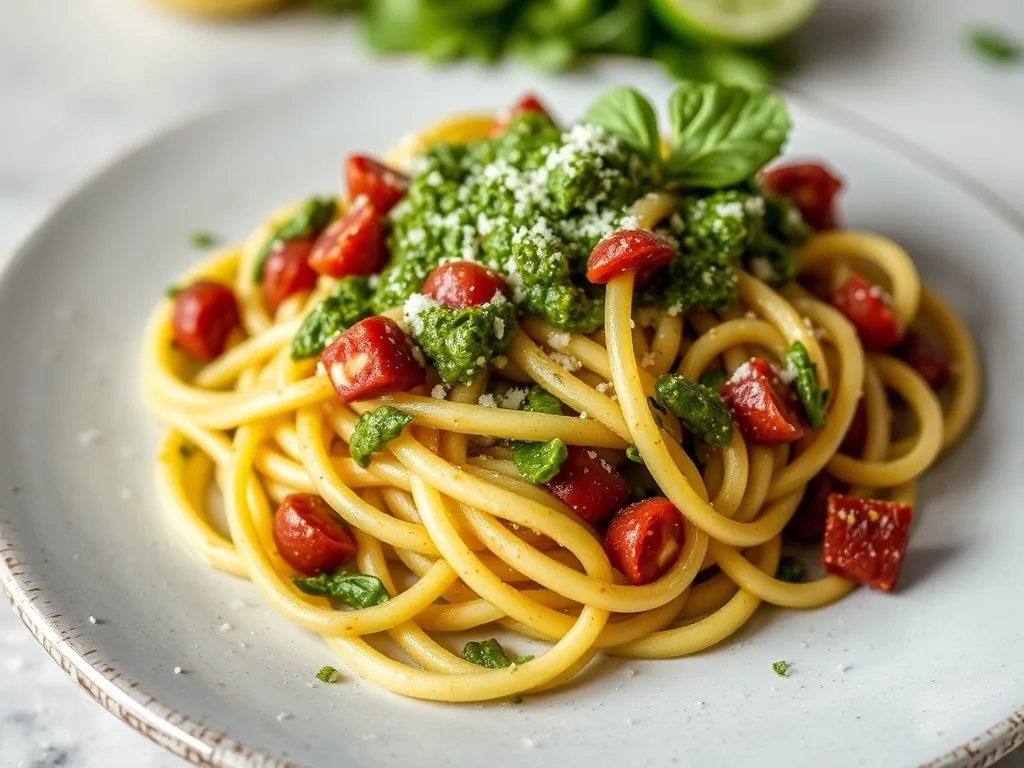
Imagine opening your fridge on a hectic Tuesday night and pulling out a container of vibrant, pesto-coated zucchini noodles that taste as fresh as if you just made them. For anyone following a low-FODMAP or SIBO-friendly diet, that scenario can feel like a distant dream. Yet with a bit of strategic meal prep, it becomes your reality. Zucchini noodles, or zoodles, have exploded in popularity over the past decade, but their role in a gut-friendly kitchen goes far beyond a passing trend. This dish, paired with a homemade pesto made from basil, pine nuts, olive oil, garlic-infused oil, and nutritional yeast, is a masterclass in balancing flavor and digestive ease. The key is understanding how to batch, store, and plan. In this article, you'll learn how to incorporate this Italian-inspired dish into your weekly routine, from prepping components ahead to storing them without sogginess. You'll also discover why certain ingredients are gentle on the gut and how to adapt the recipe for optimal digestion. By the end, you'll have a repeatable system for enjoying this light, vibrant meal any day of the week.
Why Zucchini Noodles Are a Meal Prep Game-Changer
Zucchini noodles offer a unique advantage in meal prep: they require no cooking, which means they retain their texture and nutrients far better than pasta. Unlike traditional wheat noodles, which can become mushy upon reheating, zoodles are best served raw or very lightly warmed. This makes them ideal for batch cooking because you can prep them in large quantities and store them without fear of them turning into a sticky mess. According to a 2019 study in the Journal of Food Science, spiralized zucchini retains over 90 percent of its vitamin C when raw, compared to 50 percent when boiled. For SIBO sufferers, zucchini is a low-FODMAP food, meaning it's unlikely to trigger bacterial overgrowth. The pesto, made without garlic cloves but with garlic-infused olive oil, provides all the flavor without the fructans that feed gut bacteria. By prepping a big batch of zoodles and a jar of pesto on Sunday, you set yourself up for quick assembly throughout the week. This approach not only saves time but also reduces decision fatigue, making it easier to stick to a gut-friendly eating plan.
The Art of Batch Cooking: Components Over Complete Dishes
One of the biggest mistakes home cooks make when meal prepping zucchini noodles is assembling the entire dish in advance. Pesto is oil-based, and when tossed with zoodles, the salt in the pesto draws out water from the zucchini, creating a soupy puddle within hours. Instead, batch cook the components separately. Spiralize a large batch of zucchini, then store the noodles in an airtight container lined with paper towels to absorb excess moisture. Make a double or triple batch of pesto and store it in a jar with a thin layer of olive oil on top to prevent oxidation. When you're ready to eat, simply toss a handful of zoodles with a spoonful of pesto. This method keeps the zucchini crisp and the pesto vibrant for up to five days. For an even faster assembly, portion the pesto into ice cube trays and freeze; each cube is about one serving. Then, on busy mornings, transfer a cube to the fridge to thaw. By separating the components, you preserve texture and flavor while still reaping the time-saving benefits of batch cooking.
From Italian Trattorias to Modern Kitchens: A Brief History
While zucchini noodles are often hailed as a modern health food, their roots trace back to traditional Italian cucina povera, or peasant cooking, where nothing was wasted. In regions like Tuscany and Liguria, where basil and pine nuts are abundant, cooks have long used vegetables as a base for sauces. However, the spiralizing technique is a relatively recent innovation, popularized in the early 2010s by the raw food movement and later embraced by low-carb dieters. Pesto alla Genovese, the classic basil pesto, has been a staple since the 19th century, with the first written recipe appearing in 1863 in Giovanni Battista Ratto's book La Cuciniera Genovese. Traditional pesto includes garlic, but for SIBO-friendly versions, garlic-infused oil is a clever substitute that captures the essence without the FODMAPs. Nutritional yeast, though not Italian, adds a umami-rich, cheese-like flavor that compensates for the absence of Parmesan, which contains lactose. This dish is a beautiful example of how traditional flavors can be adapted to modern dietary needs without losing their soul.
Pro Tip: Salt Your Zoodles to Prevent Sogginess
Even if you're not assembling the dish in advance, salting your zucchini noodles is a crucial step that many home cooks skip. After spiralizing, place the zoodles in a colander, sprinkle with a generous pinch of kosher salt, and let them sit for 15 to 20 minutes. The salt draws out excess water through osmosis, which would otherwise dilute your pesto and make the dish watery. After resting, gently squeeze the zoodles in a clean kitchen towel or paper towels to remove as much moisture as possible. This step is especially important if you plan to store the noodles for several days, as removing water slows down spoilage and keeps the texture firm. You can also pat them dry and store them with a paper towel at the bottom of the container. For an extra flavor boost, add a squeeze of lemon juice to the zoodles after salting; the acid helps maintain their bright green color and adds a tangy note that complements the pesto. This simple technique elevates your meal prep from good to exceptional.
Fitting Zucchini Noodles into a Balanced, Realistic Diet
A common pitfall of restrictive diets is the tendency to focus on what you can't eat, leading to nutrient gaps and boredom. Zucchini noodles with pesto, however, can be part of a balanced plate that includes protein and healthy fats. The pesto provides monounsaturated fats from olive oil and vitamin E from pine nuts, while nutritional yeast adds B vitamins and complete protein. To make it a satisfying meal, pair it with a source of protein like grilled chicken, shrimp, or tofu. For SIBO-friendly options, stick to proteins that are low in FODMAPs, such as chicken or firm tofu. You can also add a side of roasted carrots or a small serving of quinoa for complex carbohydrates. The key is to view this dish not as a replacement for pasta but as a versatile base that can be topped with various ingredients. This mindset shift makes healthy eating sustainable. In fact, a 2020 survey by the International Food Information Council found that 74 percent of people who meal prep report eating healthier overall. By incorporating this dish into your weekly rotation, you're not just making a meal; you're building a habit that supports your gut and your overall well-being.
Frequently Asked Questions
Q: Can I freeze zucchini noodles? A: Yes, but they will release more water upon thawing. For best results, freeze them blanched for one minute, then shock in ice water, drain, and freeze in portioned bags. They will be softer but suitable for soups or stir-fries. Q: How long does homemade pesto last in the fridge? A: When stored in an airtight jar with a layer of olive oil on top, pesto lasts up to one week in the refrigerator. For longer storage, freeze it in ice cube trays for up to three months. Q: Is nutritional yeast safe for SIBO? A: Yes, nutritional yeast is generally well-tolerated on a SIBO-friendly diet because it is low in FODMAPs and free from active yeast. It adds a cheesy flavor without dairy or gluten.
Key Takeaways
To make SIBO-friendly zucchini noodles with pesto a seamless part of your week, start by batch prepping components separately: spiralize zucchini and store it with paper towels, and make a large batch of pesto to keep in the fridge or freezer. Always salt and drain your zoodles to prevent sogginess, and consider freezing pesto in ice cube trays for quick single servings. Build a balanced plate by adding a low-FODMAP protein and a complex carb, and remember that this dish is not just a pasta substitute but a versatile canvas for your favorite toppings. With these strategies, you'll enjoy fresh, flavorful meals that support your digestive health and save you time. Embrace the art of meal prep, and let this vibrant Italian-inspired dish become a staple in your kitchen.
Try these recipes on DishIndex
Explore zucchini noodles pesto recipes and more