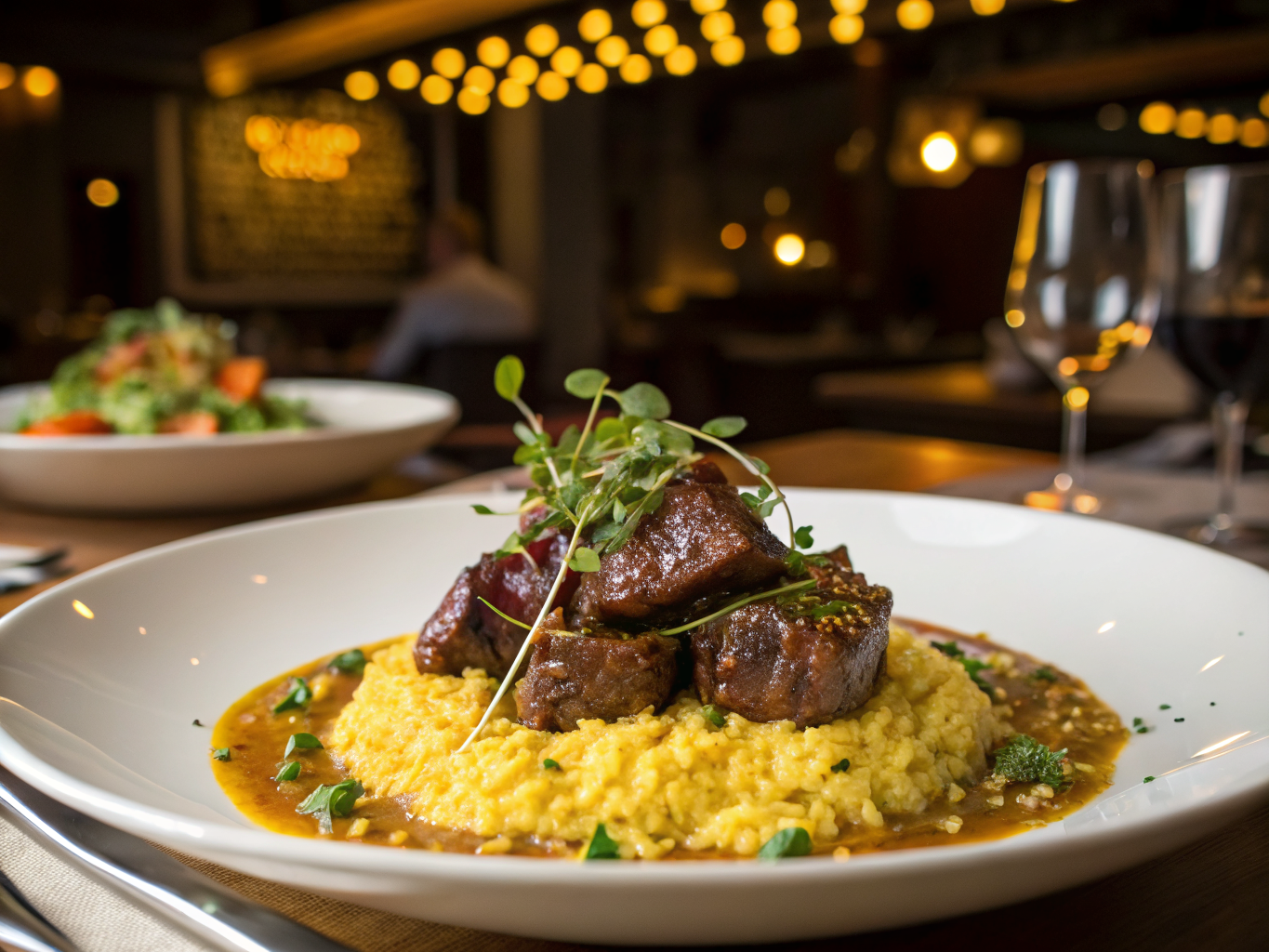
Imagine the first bite: filo shatters, releasing a cloud of cinnamon and toasted almond, then gives way to tender, spiced lamb that melts on your tongue—a whisper of honey in every morsel. This is bastilla, Morocco’s most festive pie, traditionally served at weddings and grand feasts in Fez. While the classic version uses pigeon, my reimagining swaps in lamb shoulder, weaving in the soul of a slow-cooked tagine and the warmth of harira’s spice blend. The result is a dish that feels both regal and intimate, a celebration you can share any night. But achieving that perfect balance of textures and flavors requires more than just a recipe. It demands an understanding of the culinary science behind each step. In this article, I’ll guide you through chef-level techniques, from browning the lamb to layering filo, and reveal common pitfalls that can sabotage your bastilla. You’ll learn how to avoid soggy pastry, how to build deep flavor, and how to serve this masterpiece with fragrant saffron couscous. By the end, you’ll have the confidence to create a show-stopping dish that tells a story of Moroccan hospitality.
The Art of Layering: Filo Physics and Flavor
Filo dough is a marvel of pastry engineering: paper-thin sheets of dough that, when brushed with fat and stacked, create steam pockets that puff into shattering flakes. The key is to work quickly, as filo dries out and cracks within minutes. Keep sheets under a damp towel. For bastilla, you’ll need about 12 sheets, each brushed with melted butter or a blend of butter and oil. But here’s the science: butter’s water content creates steam, while its fat coats gluten, preventing sogginess. A common mistake is over-brushing, which makes the filo heavy. Instead, use a light hand, brushing from the center outward. Also, alternate the direction of the sheets slightly to build structural integrity. The filling must be completely cool before assembly; warm filling will steam the dough from within, leading to a soggy bottom. Finally, bake at a high temperature (400°F/200°C) to set the crust quickly, then lower to 350°F (175°C) to cook through. This two-stage baking ensures a crisp, golden exterior and a hot, aromatic interior.
Building Depth: The Lamb and Spice Alchemy
The soul of this bastilla lies in the lamb filling, where spices are not just added but bloomed. Start by browning boneless lamb shoulder in batches—crowding the pan steams the meat, preventing the Maillard reaction that builds deep flavor. Once browned, sauté onions, garlic, and ginger until soft, then add ground cinnamon, turmeric, and a pinch of saffron threads. Saffron’s distinct aroma comes from safranal, a volatile compound released when heated in fat. Toast the spices for 30 seconds to activate their oils. Then return the lamb, add stock, and simmer gently for 1.5 to 2 hours until fork-tender. The liquid should reduce to a thick glaze. A crucial step: after shredding the lamb, mix in beaten eggs and a touch of honey. The eggs bind the filling, while honey adds a subtle sweetness that balances the spices. But don’t overdo the honey—too much will cause the filling to burn. Aim for 2 tablespoons per pound of meat. This filling can be made a day ahead, allowing flavors to meld.
From Fez to Your Table: A Storied Pastry
Bastilla, also known as pastilla, is a culinary icon of Morocco, with roots tracing back to the Andalusian Moors who brought it to Fez in the 8th century. Originally a savory-sweet pie filled with pigeon or chicken, it evolved over centuries, incorporating almonds, cinnamon, and sugar—ingredients introduced through trade routes. In Fez, bastilla is a centerpiece at weddings and Ramadan iftars, symbolizing abundance and hospitality. The dish reflects Morocco’s history of cultural exchange: the filo (warqa) from Berber traditions, the spices from Arab traders, and the sweet-savory balance from Andalusia. Today, variations abound, from seafood bastilla in coastal cities to this lamb version, which pays homage to the slow-cooked tagines of the Atlas Mountains. Making bastilla at home is a way to connect with this rich heritage, transforming simple ingredients into a tapestry of flavors that tells a story of migration, trade, and celebration. Each layer you build is a nod to the generations who have perfected this art.
Pro Tip: The Sugar-Almond Layer That Makes or Breaks
Most recipes mention a layer of toasted almonds and sugar, but the details matter. For authentic texture, use whole blanched almonds, toasted in a dry pan until fragrant, then pulsed with confectioners’ sugar and cinnamon until coarsely ground—not fine powder. This mixture should be spread evenly over the lamb filling before sealing the pie. The ratio is key: 1 cup almonds to 1/4 cup sugar and 1 teaspoon cinnamon. This layer absorbs excess moisture from the filling, preventing sogginess, and provides a crunchy contrast. But here’s the pro secret: add a tablespoon of orange blossom water to the almond mixture. Its floral notes elevate the aroma and cut through the richness. Also, when sealing the pie, brush the edges of the bottom filo with beaten egg to create a tight seal, then fold the overhanging sheets over the top and tuck them under. This ensures no filling leaks. Finally, before baking, prick the top lightly with a fork to allow steam to escape, but not so deep that filling oozes out.
Saffron Couscous: The Perfect Partner
Saffron couscous is more than a side; it’s a fragrant counterpoint that complements the bastilla’s richness. The key is to infuse the couscous with saffron threads steeped in warm chicken stock. Saffron’s color and flavor are water-soluble, so steeping is essential. Use a ratio of 1 cup couscous to 1.5 cups stock. Add currants and toasted pine nuts for sweetness and crunch. A common mistake is to simply pour boiling water over couscous and let it sit; instead, steam it twice for fluffy grains. First, hydrate the couscous with a little salted water, then steam over simmering broth for 15 minutes. Fluff with a fork, then add the saffron stock, currants, and pine nuts. Let it absorb, then steam again for 10 minutes. This double-steaming method, traditional in Morocco, ensures each grain is separate and light. Finish with a drizzle of olive oil and a sprinkle of fresh cilantro. The result is a golden, aromatic bed that soaks up the bastilla’s juices.
Frequently Asked Questions
Q: Can I make bastilla ahead of time? A: Yes, assemble the pie up to 24 hours in advance, cover tightly with plastic wrap, and refrigerate. Bake directly from cold, adding 5-10 minutes to the baking time. Q: How do I prevent the filo from becoming soggy? A: Ensure the filling is cool and thick, brush filo lightly with butter, and add a layer of ground almonds to absorb moisture. Bake at high heat initially to crisp the crust. Q: What can I use instead of lamb? A: Chicken thighs or duck work well, but adjust cooking time. For a vegetarian version, use roasted squash and chickpeas with the same spices.
Key Takeaways
Mastering Lamb and Honey Bastilla is a journey of understanding texture and flavor. Remember to keep filo covered and work quickly to prevent drying. Brown lamb in batches for deep flavor, and bloom spices in fat to release their essential oils. The almond-sugar layer is not optional; it absorbs moisture and adds crunch. Always cool the filling before assembly, and seal the pie tightly with egg wash. Bake at two temperatures: high to set, lower to cook through. Serve with saffron couscous that’s been steamed twice for fluffiness. With these tips, you’ll avoid common pitfalls like soggy pastry and bland filling. Embrace the process—each step builds complexity. Whether for a festive gathering or a cozy dinner, this bastilla is a testament to Moroccan culinary artistry. Now, gather your ingredients and create a dish that will leave your guests speechless.
Try these recipes on DishIndex
Explore Lamb Bastilla recipes and more