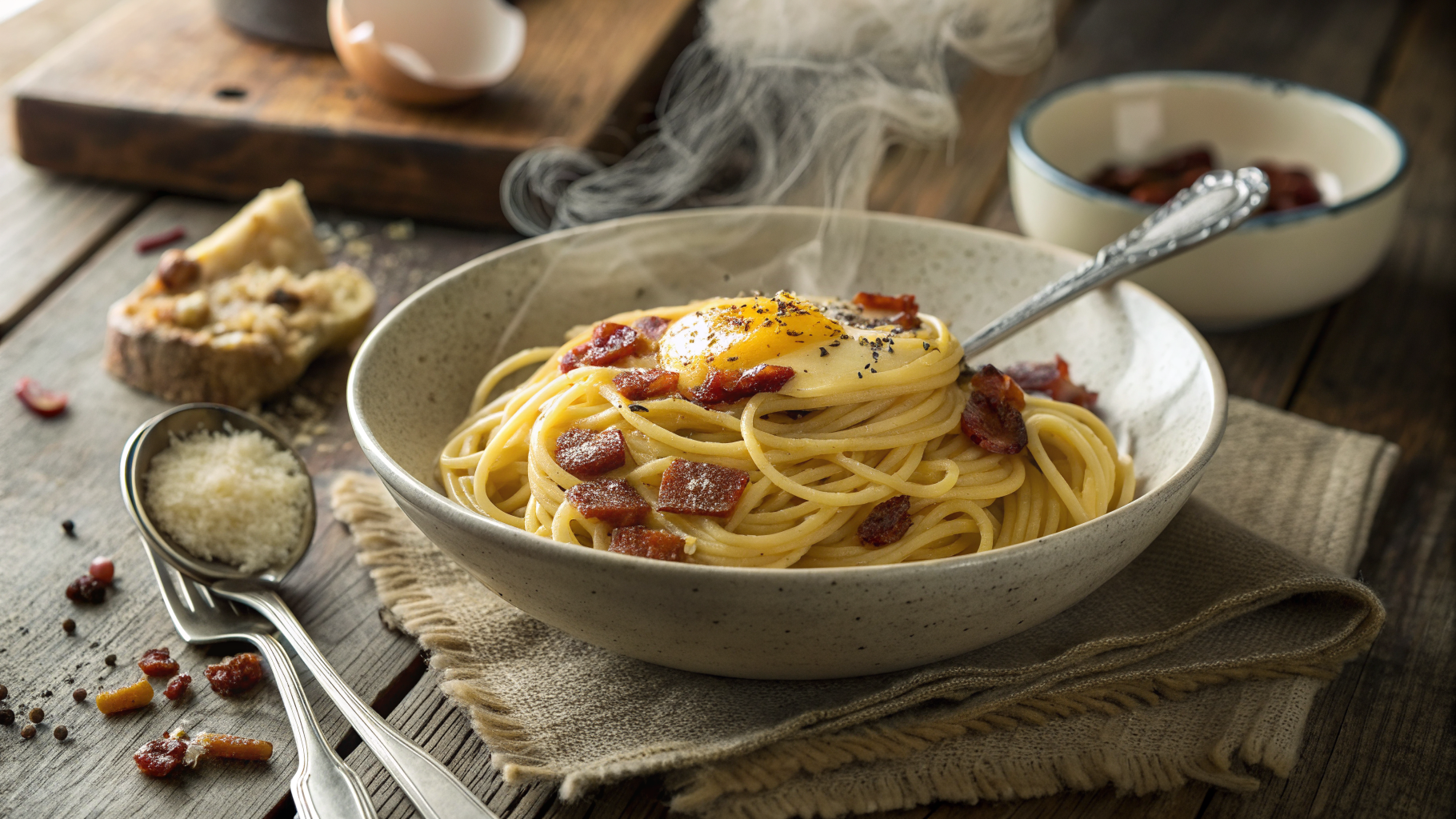
The first time I tried to make Spaghetti Carbonara, I burned the guanciale to a blackened crisp and ended up with scrambled eggs instead of a silky sauce. It was a disaster. But that was before I discovered the quiet revolution happening in home kitchens: technology is changing how we learn, adapt, and perfect even the most traditional recipes. Carbonara, a Roman classic with just five key ingredients, is a perfect case study. Historically, this dish was born from necessity—shepherds and charcoal workers needed a hearty, quick meal. Today, AI-powered apps can analyze thousands of recipes to tell you the ideal egg-to-cheese ratio. Smart pans monitor temperature to prevent overcooking. Online communities share tweaks, like adding white wine for depth. In this article, we’ll explore how modern tools are transforming the way we discover and cook carbonara, and we’ll give you a foolproof recipe that blends tradition with innovation. Get ready to embrace the future of pasta night.
The Science of Creamy Carbonara: Why Temperature Matters
The biggest mistake home cooks make with carbonara is scrambling the eggs. Traditional recipes rely on the residual heat of the pasta and guanciale to gently cook the egg yolks into a creamy sauce. But without precise temperature control, it’s easy to overshoot. That’s where science meets tech. Egg yolks coagulate around 149°F to 158°F (65°C to 70°C), so the pasta mixture must stay below that threshold. Smart thermometers and induction cooktops with precise settings can help. Some modern apps even use AI to guide you step-by-step, adjusting based on your stove’s heat output. Beyond temperature, the ratio of yolk to cheese matters: a classic ratio is one yolk per 30 grams of Pecorino Romano per serving. Emulsification happens when starch from the pasta water binds with fats from the guanciale and cheese. Understanding this chemistry empowers you to troubleshoot in real time, turning a potential disaster into a velvety success.
Guanciale: The Non-Negotiable Ingredient and How to Source It
Guanciale, cured pork jowl, is the soul of authentic carbonara. Its high fat content and distinctive funk come from a curing process that dates back centuries in central Italy. Unlike pancetta, guanciale is not smoked and has a richer, more delicate texture. In the past, finding guanciale outside Italy was a challenge, but today online specialty markets and AI-driven recommendation engines can connect you with artisanal producers. When cooking, render it slowly over medium-low heat until the fat turns translucent and the meat crisps. Many recipes suggest adding white wine to the egg mixture for extra depth—a modern twist that’s gained traction in culinary circles. But purists argue that wine dilutes the purity of the dish. The choice is yours, but technology can help you experiment: apps like flavor-pairing databases can suggest complementary additions without overpowering the original.
From Shepherds to Social Media: The Evolution of Carbonara
Carbonara’s origins are debated, but most food historians trace it to mid-20th-century Rome, where it became a staple among charcoal workers (carbonai) who needed a quick, energy-dense meal. The dish gained international fame in the 1950s and 60s, appearing in Italian cookbooks and eventually American restaurants. However, the recipe has always been a canvas for adaptation. In the digital age, that evolution has accelerated. Social media platforms and recipe-sharing sites have democratized access to regional variations. AI algorithms now analyze user reviews and trending searches to surface popular tweaks, like using pecorino romano instead of parmigiano. Yet, with this abundance comes confusion. How do you know which version is authentic? The answer lies in understanding the cultural context. Traditional carbonara has no cream, no garlic, and no onions. But technology can help you trace a recipe’s lineage, connecting you to the original Roman roots while allowing for personalization.
Pro Tip: Use a Double Boiler for Perfectly Tempered Eggs
Even with smart gadgets, the classic double boiler method remains a reliable way to achieve a silky carbonara sauce. Here’s the technique: after cooking the pasta, set a heatproof bowl over a pot of simmering water (making sure the bowl doesn’t touch the water). Add the egg yolks, grated Pecorino, and a generous amount of black pepper to the bowl. Whisk constantly until the mixture thickens slightly and reaches about 150°F on an instant-read thermometer. Then, quickly toss with the hot pasta and guanciale. The gentle, indirect heat prevents scrambling. This method is especially useful if your stove runs hot or if you’re doubling the recipe. For an extra flavor boost, add a splash of white wine to the egg mixture before heating—the alcohol cooks off, leaving a subtle acidity that balances the richness. This pro tip bridges old-world technique with modern precision.
Carbonara in the Age of AI: Personalized Nutrition and Smart Cooking
Modern food tech isn’t just about convenience; it’s also about health. Carbonara is rich in protein, fats, and carbohydrates—a perfect post-workout meal, but not ideal for those watching cholesterol. AI-powered nutrition apps can analyze the recipe and suggest modifications, like using more egg whites or substituting guanciale with turkey bacon. Smart kitchen appliances, such as Bluetooth-enabled pans and sous-vide machines, can guide you to consistent results. Some platforms even use machine learning to predict how changes will affect taste and texture. For example, reducing cheese might make the sauce thinner, so the AI might recommend adding a bit of pasta water to compensate. While purists may scoff, these tools empower home cooks to enjoy traditional dishes within their dietary needs. As we look ahead, the intersection of tradition and technology will only deepen, making carbonara more accessible and adaptable than ever.
Frequently Asked Questions
Q: Can I use bacon instead of guanciale? A: Yes, but the flavor will differ. Bacon is smoked and saltier, while guanciale is milder and richer. For a closer match, use pancetta. Q: Why does my carbonara turn out scrambled? A: The eggs curdled due to high heat. Temper them by mixing with pasta water and tossing off the stove. Q: Is it okay to add cream? A: Traditional recipes never include cream. The creaminess comes from emulsified eggs, cheese, and pasta water. Adding cream masks the authentic taste.
Key Takeaways
To master carbonara in the modern kitchen, remember these lessons: first, embrace technology as a tool—smart thermometers and AI apps can help you nail the temperature and ratios. Second, respect tradition: guanciale, pecorino, and egg yolks are non-negotiable for authenticity. Third, experiment wisely; a splash of white wine can add depth, but don’t stray too far. Fourth, use the double boiler method for perfectly tempered eggs. Finally, understand the cultural history—carbonara is a Roman gift, born of necessity and perfected over decades. By blending old-world techniques with new-world tools, you’ll create a dish that honors the past while looking to the future. Now, go cook with confidence and a little help from your digital assistant.
Try these recipes on DishIndex
Explore carbonara recipe recipes and more