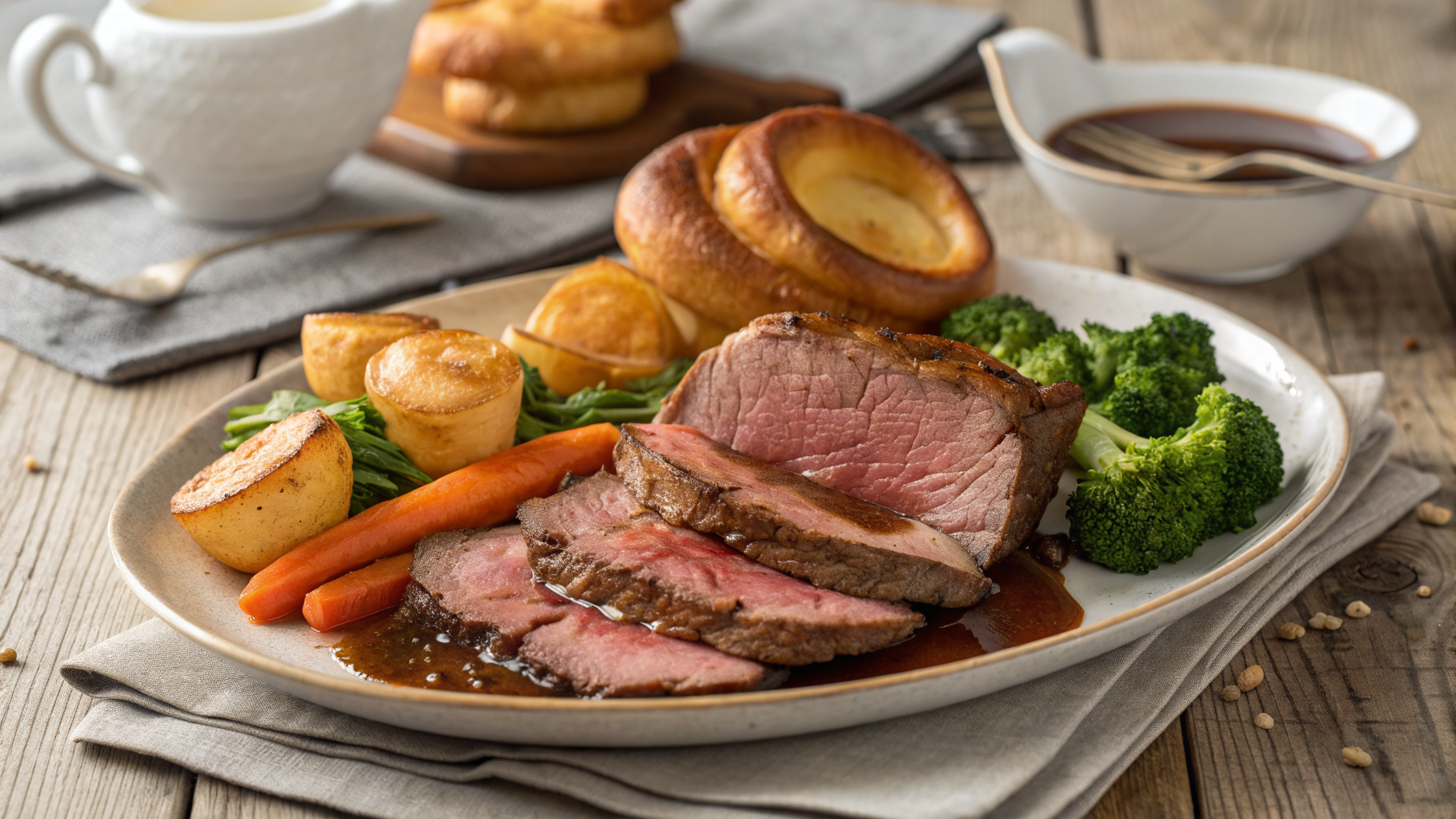
The Sunday roast is a British institution, a weekly ritual that dates back to the 15th century. But beyond its cultural significance, this meal is a nutritional tour de force. A single serving of beef provides over 100% of your daily vitamin B12, essential for nerve function and red blood cell formation. The humble carrot delivers a hefty dose of beta-carotene, while broccoli packs vitamin K and sulforaphane, a compound linked to cancer prevention. Even the Yorkshire pudding, often dismissed as empty calories, contributes protein and selenium from eggs and flour. In this article, we'll dissect the macros, vitamins, and health science behind each component, revealing how this hearty dish can be part of a balanced diet. You'll learn why the roasting process enhances nutrient availability, how to optimize your plate for health, and what research says about the benefits of grass-fed beef. Prepare to see your Sunday roast in a new, nourishing light.
The Macro Breakdown: Protein, Fat, and Carbohydrates
A typical serving of beef Sunday roast (150g beef, 2 Yorkshire puddings, 200g roasted potatoes, 80g carrots, 80g broccoli) contains approximately 650 calories, 45g protein, 30g fat, and 50g carbohydrates. The beef alone provides 35g of complete protein, with all nine essential amino acids. Roasted potatoes contribute resistant starch, which feeds beneficial gut bacteria. The fat content, primarily from beef drippings and eggs, includes monounsaturated fats and conjugated linoleic acid (CLA), associated with reduced inflammation. Carbohydrates come from potatoes, flour, and vegetables, offering sustained energy. This macronutrient profile makes the meal ideal for post-exercise recovery or a satisfying dinner. However, portion control is key: the same meal can exceed 1,000 calories if generous with oil and gravy. For a lighter version, use lean beef and roast potatoes in minimal oil.
Micronutrient Spotlight: Vitamins and Minerals
Beef is a powerhouse of micronutrients. A 150g serving of roasted beef provides 8mg of iron (44% DV), 10mg of zinc (90% DV), and 1.5mcg of vitamin B12 (25% DV). Heme iron from beef is highly bioavailable, absorbing at 15-35% compared to 2-20% for plant iron. Zinc supports immune function and wound healing. Broccoli adds 100mcg of vitamin K (125% DV) and 80mg of vitamin C (89% DV), which enhances iron absorption. Carrots deliver 8mg of beta-carotene (100% DV), converted to vitamin A for vision and skin health. Potatoes contribute potassium (900mg, 20% DV) and vitamin C (30% DV). Yorkshire puddings, made with eggs and flour, add selenium (20mcg, 36% DV) and choline (150mg, 35% DV) for brain health. This synergy of nutrients supports everything from oxygen transport to bone health.
The History and Cultural Weight of the Sunday Roast
The Sunday roast originated in medieval England, when serfs would roast a joint of beef over an open fire after Sunday church services. By the 18th century, it became a national tradition, with families gathering around a large cut of meat. The Industrial Revolution cemented its place, as workers looked forward to a hearty meal on their day off. Yorkshire pudding, originally called 'dripping pudding,' was cooked beneath the roasting meat to catch drippings. Today, it remains a symbol of British identity, with pubs across the UK serving over 100 million roasts annually. The dish also reflects regional variations: in Yorkshire, puddings are served as a first course; in Scotland, it's often accompanied by tatties and neeps. This cultural heritage adds depth to every bite, connecting modern diners to centuries of tradition.
Pro Tip: Maximize Nutrient Retention with High-Heat Roasting
Most home cooks roast vegetables until soft, but high-heat roasting (220°C/425°F) actually preserves more nutrients. Broccoli roasted at high heat retains 80% of its vitamin C, compared to 50% when boiled, because shorter cooking time reduces leaching. Carrots roasted with skin on retain 30% more beta-carotene. For beef, searing at high heat creates a Maillard reaction, boosting flavor and forming antioxidants. But the real secret is resting the meat: letting it rest for 20 minutes allows juices to redistribute, keeping it moist and retaining water-soluble B vitamins. For Yorkshire puddings, preheat the oil until smoking—this creates a crisp exterior that seals in nutrients and prevents sogginess. Finally, don't discard drippings: they contain fat-soluble vitamins A, D, E, and K. Use them to roast potatoes for an extra nutrient boost.
Modern Trends and Nutritional Research
Current nutritional science supports the Sunday roast's place in a healthy diet. A 2020 study in the American Journal of Clinical Nutrition found that moderate red meat consumption (up to 500g per week) is not associated with increased cardiovascular risk when part of a balanced diet. Grass-fed beef, increasingly popular, contains 2-3 times more omega-3 fatty acids and 50% more conjugated linoleic acid than grain-fed. The roast's vegetable components align with the Mediterranean diet, praised for longevity. Moreover, the social aspect of shared meals—like a Sunday roast—has been linked to improved mental health and reduced loneliness. As plant-forward diets gain traction, the Sunday roast can be adapted: use smaller meat portions, add more vegetables, and opt for whole-grain Yorkshire puddings. This evolution keeps tradition alive while embracing modern health insights.
Frequently Asked Questions
Q: Is beef Sunday roast healthy? A: Yes, in moderation. It provides high-quality protein, iron, zinc, and B vitamins. Pair with plenty of vegetables and control portions to keep calories and saturated fat in check. Q: Can I make Yorkshire puddings gluten-free? A: Yes, substitute plain flour with a gluten-free blend. The batter may need a little more liquid, but high-heat oil still ensures a crisp, airy rise. Q: How can I reduce the fat content? A: Choose lean beef cuts like sirloin, trim visible fat, roast potatoes in minimal oil, and make gravy from skimmed drippings. Serve with extra vegetables to increase fiber and nutrients.
Key Takeaways
A Beef Sunday Roast is a nutritionally dense meal that delivers complete protein, heme iron, zinc, and vitamins B12, C, and K. High-heat roasting preserves more vitamins than boiling, and resting meat retains moisture and nutrients. Yorkshire puddings, when made with eggs and flour, contribute selenium and choline. To optimize health, choose lean beef, control portions, and load your plate with roasted vegetables. The dish's cultural history adds meaning, connecting you to centuries of British tradition. Embrace the ritual, but make it your own: try grass-fed beef, add extra carrots and broccoli, and enjoy the crispy puddings. With these insights, you can savor every bite, knowing you're nourishing both body and soul.
Try these recipes on DishIndex
Explore Sunday Roast recipes and more