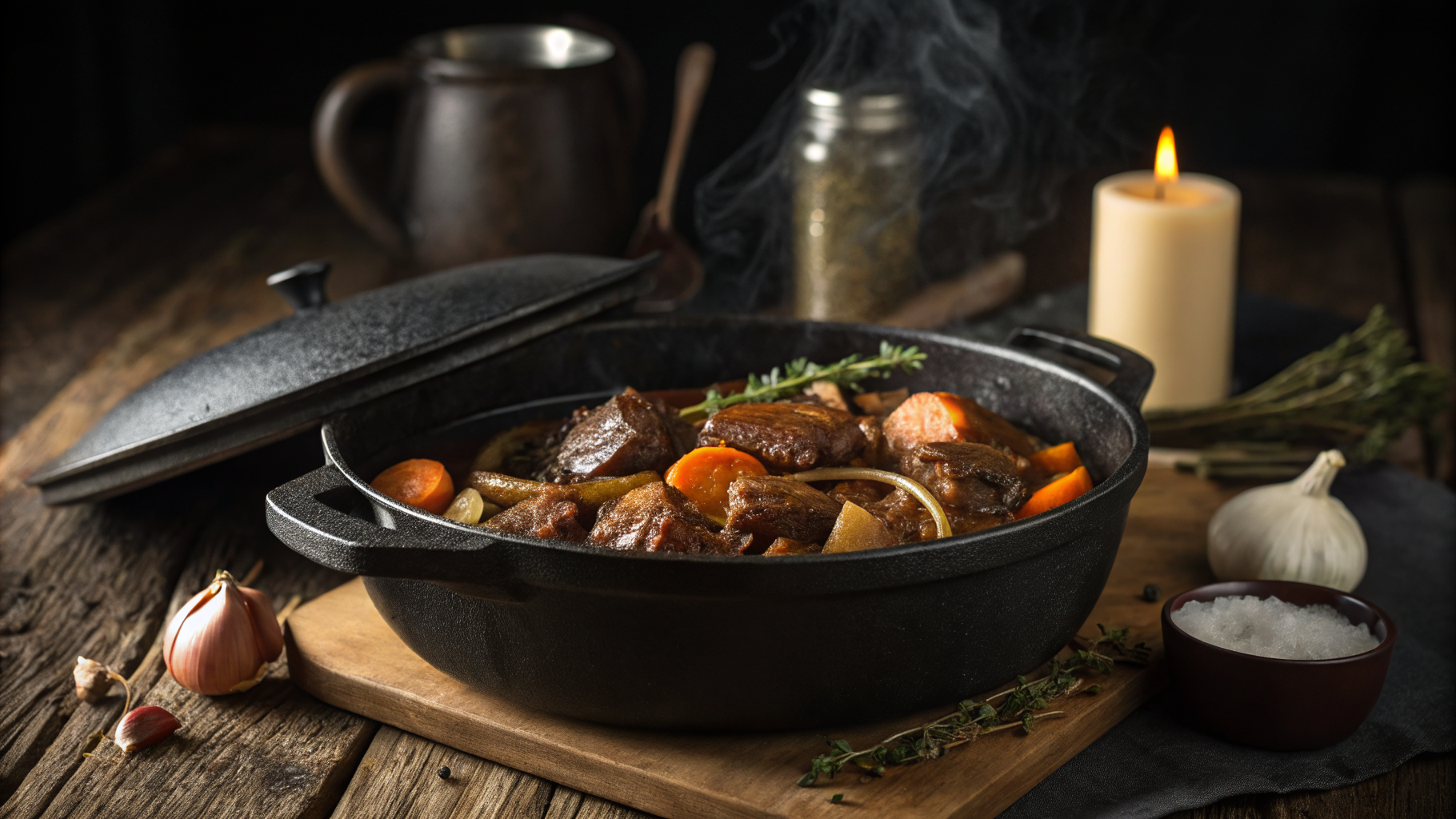
There's a quiet magic to a single pot simmering on the stove. It's not just the convenience—though scraping one dish instead of a sinkful is a modern-day luxury—it's the depth of flavor that emerges when ingredients are given the time and space to meld. One-pot cooking, at its best, is a lesson in patience and precision, a technique that transforms humble components into a symphony of taste. As a food journalist who has watched home cooks struggle with multi-pan chaos, I can tell you: the secret isn't in the pot itself, but in how you layer the flavors within it. This isn't about dumping everything together and hoping for the best; it's a deliberate, almost architectural process that rewards attention to detail. From the first sizzle of aromatics to the final, tender simmer, every step builds on the last, creating a dish that tastes far greater than the sum of its parts. Whether you're a weeknight warrior or a weekend braiser, mastering this art will change the way you cook.
The Foundation: Aromatics and the First Sizzle
Every great one-pot dish begins with a foundation of aromatics. This is where the phrase 'layering flavor' becomes literal. Before any liquid touches the pot, heat a generous slick of olive oil or butter over medium heat. Add your aromatics—think finely diced onions, garlic, ginger, or leeks—and let them sweat, not brown, for about five to seven minutes until they're translucent and fragrant. The goal here is to coax out their natural sugars and moisture, creating a flavor base that will permeate everything else. For a Provençal-style braise, I might start with fennel and shallots; for a smoky chili, cumin seeds and dried chiles bloom in the oil first. The temperature matters: too high, and you'll scorch the garlic, introducing bitterness; too low, and you'll never develop that sweet, savory depth. This is the moment to season lightly with salt, which draws out moisture and intensifies the aromatics' character. It's a simple step, but it's the bedrock upon which all subsequent layers are built.
Building Fond: The Maillard Reaction in Action
Once your aromatics are softened, it's time for the most crucial step: building fond. Fond—the browned bits that stick to the bottom of the pot after searing protein—is pure flavor gold. This is the Maillard reaction at work, a chemical process that creates hundreds of new flavor compounds when proteins and sugars are exposed to high heat. To build a proper fond, remove your aromatics temporarily, then add your protein—chicken thighs, beef chuck, or lamb shoulder—in a single layer without crowding. Sear each side for three to four minutes over medium-high heat until deeply browned. The sizzle should be vigorous but not smoking; if it's too loud, lower the heat. A good fond looks like a rich, dark crust on the pot's surface, not burnt black. Resist the urge to stir; let the protein develop that crust undisturbed. For a vegetarian version, sear mushrooms or eggplant wedges in the same way; they release their own umami-rich compounds. This step alone can elevate a simple stew from bland to unforgettable, and it's why so many one-pot recipes insist on browning first, even when you're tempted to skip it.
After searing, your pot holds a layer of fond that's packed with concentrated flavor—but it's stuck to the bottom. Deglazing is the technique that releases it. Pour in about a half cup of liquid—wine, broth, or even water—and scrape the bottom with a wooden spoon or spatula, dissolving those browned bits into the liquid. This step is non-negotiable; it integrates all that seared flavor back into the dish, creating a cohesive sauce. For a classic coq au vin, I deglaze with red wine, letting it reduce by half before adding stock. For a lighter braise, dry white wine or vermouth works beautifully. The sizzle as the liquid hits the hot pot is as satisfying as it is functional; it also lifts any stuck-on food, preventing burning later. Don't overlook the power of a good deglaze—it's the pivot point where the dish shifts from individual components to a unified whole. If you're using a non-stick pot, you'll miss this step entirely, which is why heavy-bottomed stainless steel or enameled cast iron is the better tool for one-pot cooking.
Braising vs. Simmering: Choosing Your Cooking Method
With your fond deglazed and liquid added, you face a choice: braise or simmer? The difference lies in the cut of protein and the desired texture. Braising uses a lower temperature, around 300°F in the oven or a gentle bubble on the stove, and is ideal for tough cuts like beef brisket or pork shoulder, which need hours to break down collagen into gelatin. The result is fork-tender meat in a velvety sauce. Simmering, at a steadier 212°F, works for quicker dishes like chicken and rice or lentil soup, where you want the liquid to reduce and concentrate without breaking down fibers too much. Both methods rely on the pot's ability to retain heat and moisture; a tight-fitting lid is essential. For a braise, I often add root vegetables like carrots and parsnips in the last thirty minutes to keep them from turning to mush. For a simmer, I add tender vegetables like peas or spinach just before serving. Knowing when to use each method is the hallmark of a skilled one-pot cook, and it's a technique you can refine with practice on DishIndex's recipe collection.
Finishing Touches: Acidity, Herbs, and Resting
The final layer is all about balance. Before serving, taste your dish and adjust with a splash of acidity—a squeeze of lemon, a dash of vinegar, or a swirl of crème fraîche—to brighten the deep, savory notes. Fresh herbs like parsley, dill, or cilantro add a burst of color and freshness that cuts through richness. A sprinkle of flaky sea salt and a crack of black pepper just before serving can transform a flat dish into a vibrant one. Then, let the pot rest off the heat for five to ten minutes. This allows the flavors to settle and the sauce to thicken slightly. One-pot meals often taste even better the next day, as the layers continue to meld overnight in the refrigerator. So don't be afraid to cook ahead; reheat gently, and you'll be rewarded with a meal that tastes like it simmered all day. This is the art of one-pot cooking—not just a technique, but a philosophy of efficiency and depth that makes every meal a comfort.
Try these recipes on DishIndex
Explore One-pot braised recipes recipes and more