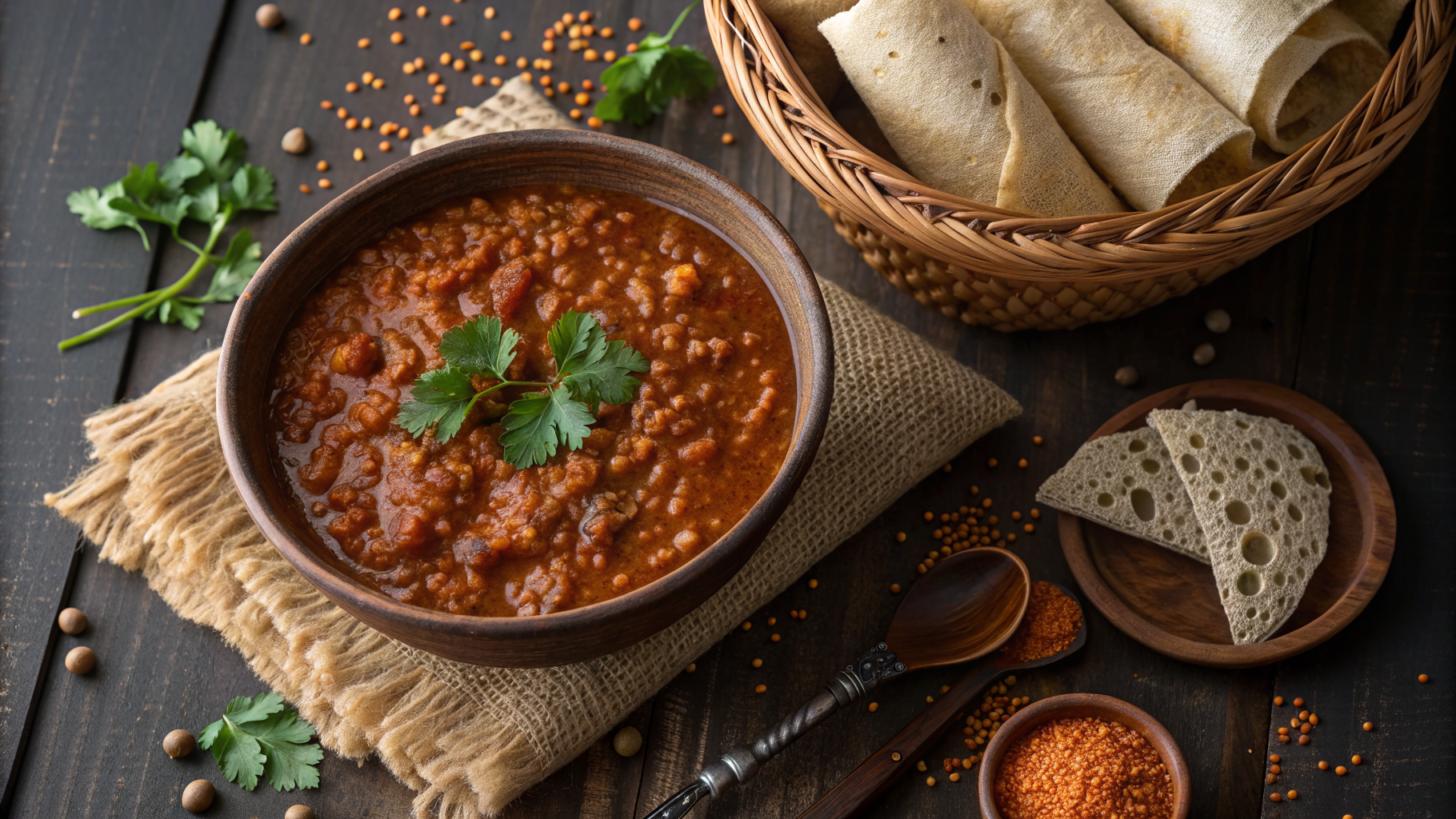
The deep, earthy aroma of berbere spice fills your kitchen as red lentils simmer into a velvety, aromatic sauce. Misir Wot, Ethiopia's beloved red lentil stew, is more than a recipe—it is a weekly ritual in countless homes, especially during fasting days when Orthodox Christians abstain from animal products. The dish's genius lies in its simplicity: red lentils, water, onion, garlic, ginger, and berbere transform into something profoundly satisfying. But here is what many home cooks miss: Misir Wot is a meal prepper's dream. It tastes even better the next day, freezes beautifully, and can anchor a week of balanced, plant-based meals. In this article, you will discover how to batch cook Misir Wot efficiently, store it safely for up to five days, and build a realistic weekly meal plan around it. Whether you are a busy professional, a student, or a parent feeding a family, you will learn to turn one pot of lentils into a week of comforting, nutritious meals. Let's dive into the strategies that make this Ethiopian classic a staple in your kitchen.
Why Misir Wot Is the Ultimate Meal Prep Dish
Misir Wot checks every box for weekly meal planning. First, it is incredibly economical: red lentils cost roughly $1.50 per pound, and a single batch feeds six for under $5. Second, it is nutritionally dense—one cup of cooked red lentils provides about 18 grams of protein and 16 grams of fiber, keeping you full for hours. Third, the flavor actually improves after 24 hours as the spices meld. Unlike many dishes that dry out or lose texture, Misir Wot thickens slightly in the fridge, becoming even more scoopable with injera. Fourth, it is naturally vegan and gluten-free, accommodating most dietary needs without modification. Finally, it freezes perfectly for up to three months. Ethiopian home cooks often make large batches on weekends, portioning into containers for the week ahead. By adopting this habit, you save time, reduce food waste, and always have a nourishing meal ready. The key is to cool it quickly and store it in shallow containers, which we will cover in detail.
The Key Ingredient: Berbere and Its Role in Flavor Building
Berbere is the soul of Misir Wot. This complex Ethiopian spice blend typically contains chili peppers, fenugreek, coriander, cardamom, cinnamon, cloves, and ajwain, among other spices. Each family has its own version, but the common thread is a warm, earthy heat that blooms when cooked in oil. Most home cooks make the mistake of adding berbere too late or without toasting it. The secret is to sauté your onions until deeply caramelized, then add garlic, ginger, and berbere, cooking for 2-3 minutes until the spices darken and become fragrant. This step, called blooming, releases fat-soluble flavor compounds. If your berbere is old, it will taste flat—replace it every six months for best results. For meal prep, you can even make a large batch of berbere-bloomed onion base and freeze it in ice cube trays, then pop one into the pot whenever you cook lentils. This shortcut cuts your cooking time in half on busy weeknights.
Cultural Roots: Fasting, Community, and the Ethiopian Table
Misir Wot holds a sacred place in Ethiopian culture, particularly during the 200+ fasting days observed by the Ethiopian Orthodox Tewahedo Church. On these days, known as tsom, followers abstain from all animal products, making lentil stews like Misir Wot essential. The dish is traditionally served with injera, a spongy sourdough flatbread made from teff flour, which also happens to be gluten-free and rich in iron. Eating is a communal act: diners gather around a large platter, tearing pieces of injera to scoop up the stew. This shared style, called gursha, symbolizes bond and generosity. Misir Wot also appears at every major celebration, from weddings to newborn blessings. Its deep red color, imparted by berbere and lentils, is considered auspicious. By cooking this dish at home, you are not just preparing a meal—you are participating in a centuries-old tradition of hospitality, resilience, and plant-based nourishment that predates modern veganism by millennia.
Pro Tip: The Overnight Rest That Transforms Leftovers
Here is the single most impactful meal prep tip for Misir Wot: let it rest overnight before eating. While the stew is delicious straight from the pot, the flavors truly marry after 12-24 hours in the refrigerator. During this time, the lentils continue to absorb the spiced broth, and the berbere's heat mellows into a rounded warmth. Professional Ethiopian cooks often prepare Misir Wot a day ahead for this reason. To maximize the effect, cool the stew uncovered for 30 minutes, then transfer to shallow glass containers with tight-fitting lids. Press a piece of parchment or plastic wrap directly onto the surface to prevent a skin from forming. When reheating, add a splash of water or vegetable broth, as the lentils will have thickened. A squeeze of fresh lemon juice before serving brightens the flavors and compensates for any loss of brightness during storage. This simple overnight rest turns a good stew into an extraordinary one.
Building a Balanced Weekly Meal Plan Around Misir Wot
A balanced diet includes protein, fiber, healthy fats, and micronutrients. Misir Wot delivers protein and fiber, but to create complete meals, pair it strategically. For lunch, serve one cup of Misir Wot with a side of sautéed collard greens (gomen) and a piece of injera or whole-grain flatbread. This adds calcium, vitamin K, and complex carbohydrates. For dinner, top it with a dollop of coconut yogurt or a drizzle of tahini for healthy fats, and add a simple tomato-cucumber salad for vitamin C, which enhances iron absorption from the lentils. You can also use Misir Wot as a filling for wraps, a topping for baked sweet potatoes, or a base for a grain bowl with quinoa. By planning three to four Misir Wot meals per week and alternating with other cuisines, you avoid flavor fatigue while keeping prep time low. Remember to freeze half your batch immediately if you won't eat it within five days.
Frequently Asked Questions
Q: How long does Misir Wot last in the fridge? A: Stored in an airtight container, it keeps for up to five days. Cool it within two hours of cooking and reheat to 165°F. Q: Can I freeze Misir Wot? A: Yes, freeze for up to three months in portion-sized containers. Thaw overnight in the fridge and reheat with a splash of water. Q: Is Misir Wot healthy for weight loss? A: Absolutely. One cup has about 230 calories, 18 grams of protein, and 16 grams of fiber, keeping you full and satisfied without excess calories.
Key Takeaways
Embrace Misir Wot as your weekly meal prep anchor: it is cheap, nutritious, and improves with time. Bloom your berbere in oil with caramelized onions for maximum flavor. Let the stew rest overnight before eating to deepen its taste. Portion into shallow containers and freeze what you will not eat within five days. Pair it with greens, whole grains, and healthy fats for balanced meals. Finally, remember that this dish connects you to a rich Ethiopian tradition of plant-based eating. With these strategies, you can enjoy a comforting, protein-packed meal any day of the week with minimal effort. Your future self will thank you for the foresight.
Try these recipes on DishIndex
Explore Misir Wot recipes and more