Imagine the scent of charcoal mingling with the aroma of sizzling lamb, drifting through the streets of Ankara as the evening call to prayer fades. In the heart of Turkey's capital, a kebab master fans glowing coals, his flat skewers laden with thin strips of marinated lamb. This is the Inkaya kebab, a dish that has fed locals for generations, yet remains a hidden gem to many beyond Turkey's borders. But now, a quiet revolution is underway: modern technology is changing how we discover and cook such traditional recipes. From AI-powered search engines that decode vague cravings to platforms that connect home cooks with authentic techniques, the journey from a Turkish street corner to your kitchen has never been more accessible. In this article, I'll unravel the secrets of this exquisite kebab, delve into its cultural roots, and show you how digital tools are preserving and globalizing culinary heritage—one recipe at a time.
The Anatomy of an Inkaya Kebab
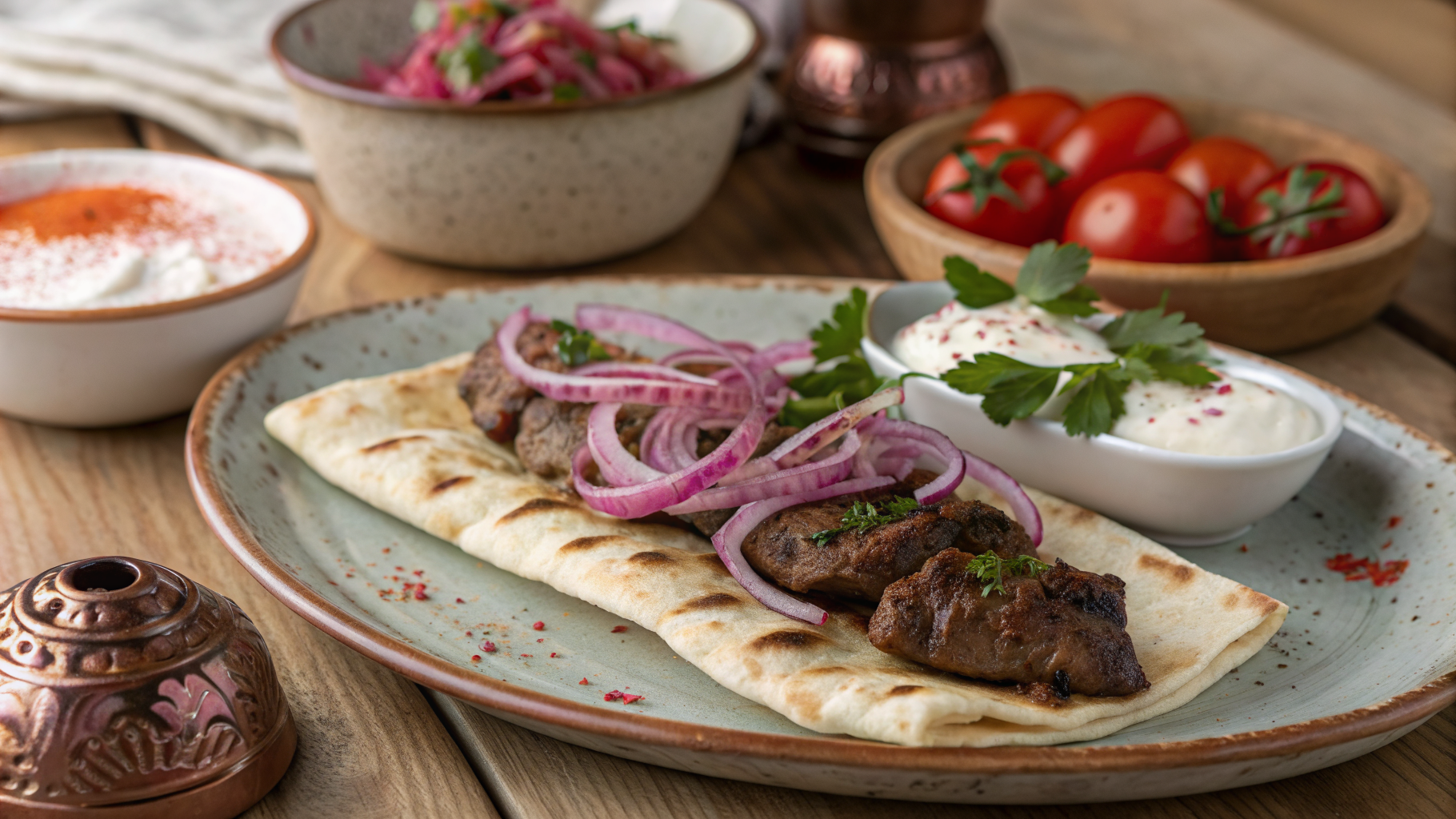
At its core, the Inkaya kebab is a study in simplicity. The meat—typically lamb leg or shoulder—is sliced into thin strips, threaded onto flat skewers, and grilled over open flames. The choice of cut is crucial: leg offers lean tenderness, while shoulder brings richer flavor and a bit more fat to keep the meat juicy. The marinade is minimal: olive oil, salt, maybe a hint of pepper. The genius lies in the assembly. The grilled meat is laid over crisp lavash that has been brushed with a garlicky tomato butter, then crowned with a generous swoosh of thick, tangy yogurt and a tangle of red onion ribbons sharpened with sumac. Each element plays a role: the smoky char of the lamb, the cool creaminess of the yogurt, the acidic bite of the onions, and the crisp base that soaks up the juices. It's a balanced symphony of textures and temperatures, a hallmark of Turkish cuisine that has been perfected over centuries.
The Magic of Sumac and Yogurt
If the meat is the hero, sumac and yogurt are the supporting cast that elevate this dish to greatness. Sumac, the deep red spice ground from dried sumac berries, has been used in Anatolian cooking since ancient times, prized for its lemony tartness. Its acidity cuts through the richness of the lamb and adds a vibrant pop of color. Yogurt, a staple in Turkish cuisine, is often made from sheep's or cow's milk and strained to a thick consistency. Here, it's seasoned with minced garlic and a pinch of salt, creating a creamy sauce that balances the smokiness. In Ankara, home cooks might vary the ratio of sumac to onion, or add a drizzle of olive oil to the yogurt, but the essence remains unchanged. This pairing is not just delicious; it's a testament to the region's agricultural heritage, where dairy and wild herbs have been used together for millennia to create harmonious dishes.
A Culinary Journey Through Ankara's Streets
Ankara, Turkey's capital, may not have the international fame of Istanbul's bustling food scene, but its culinary identity is deeply rooted in history. The Inkaya district, from which the kebab takes its name, has been a hub for grill masters since the Ottoman era. Traditionally, kebab shops would prepare the meat in the early morning, marinating it in simple spices, then cook it over wood charcoal to impart that unmistakable smoky flavor. The dish was often served on special occasions—weddings, religious holidays, and family gatherings—where the act of sharing food held deep social significance. Over time, the kebab evolved, influenced by the nomadic Turkic peoples who brought lamb-centric cuisine from Central Asia. Today, Inkaya kebab remains a point of pride for Ankarans, a beloved reminder of their city's rich past and enduring culinary traditions.
Pro Tip: Mastering the Grill at Home
The biggest challenge for home cooks is replicating the high-heat, charcoal-grilled result without a professional setup. My expert advice: if you have a gas grill, add a few soaked wood chips to create smoke. If you're using a cast-iron skillet or griddle, crank it up until it's searing hot—you want the meat to char quickly, not stew. Another trick: thread the lamb strips onto flat skewers, which allow for even cooking and easy flipping. Cut the meat against the grain to ensure tenderness, and season it lightly just before grilling to keep it moist. Finally, let the meat rest for a couple of minutes after cooking to allow the juices to redistribute. This will make all the difference between a dry kebab and one that's succulent and full of flavor.
The Digital Revolution in Home Cooking
In an era of meal kits and instant delivery, one might think traditional recipes would fade. Instead, technology is fueling their revival. AI-powered recipe platforms, like DishIndex, are using machine learning to recommend dishes based on flavor profiles, dietary needs, and even cultural interests. A home cook in Chicago can now type 'smoky lamb kebab with yogurt and sumac onions' and instantly find a dozen variations, complete with step-by-step videos and user reviews. Social media has created global communities where Turkish grandmothers share their personal twists, and food bloggers demystify techniques like threading skewers or making the perfect garlic yogurt. This digital preservation is not just about convenience—it's about ensuring that culinary heritage is passed down, adapted, and celebrated across borders. The Inkaya kebab, once confined to Ankara's streets, is now a dish that anyone with an internet connection can aspire to master.
Frequently Asked Questions
Q: Can I use a different type of meat for this kebab? A: Yes, while lamb is traditional, you can substitute beef, chicken, or even portobello mushrooms for a vegetarian version. Adjust cooking times accordingly and consider a marinade to add flavor. Q: What if I don't have sumac? A: Sumac provides a distinct lemony tartness. A good substitute is a mix of lemon zest and black pepper, or simply use lemon juice to brighten the onions. Q: How do I get the yogurt to be thick and creamy? A: Strained Greek yogurt is ideal. If using regular yogurt, strain it in a cheesecloth-lined sieve for at least a few hours to remove excess whey. You can also add a little salt and garlic for extra flavor.
Key Takeaways
As you embark on making this Ankara Inkaya Kebab, remember a few key insights. First, choose quality lamb—grass-fed if possible—since the meat's natural flavor is central to the dish. Second, balance the elements: the smoky char of the meat needs the cool yogurt and the sharp sumac onions to shine. Third, don't overcomplicate the marinade; simple is often best. Fourth, invest in a good cast-iron grill or skillet to achieve that high-heat sear. Finally, let technology be your guide: use online videos to perfect your grilling technique and explore variations. With these tools, you can transport yourself to a bustling Ankara street corner, even if you're miles away. Happy cooking!
Try these recipes on DishIndex
Explore Turkish kebab recipes recipes and more