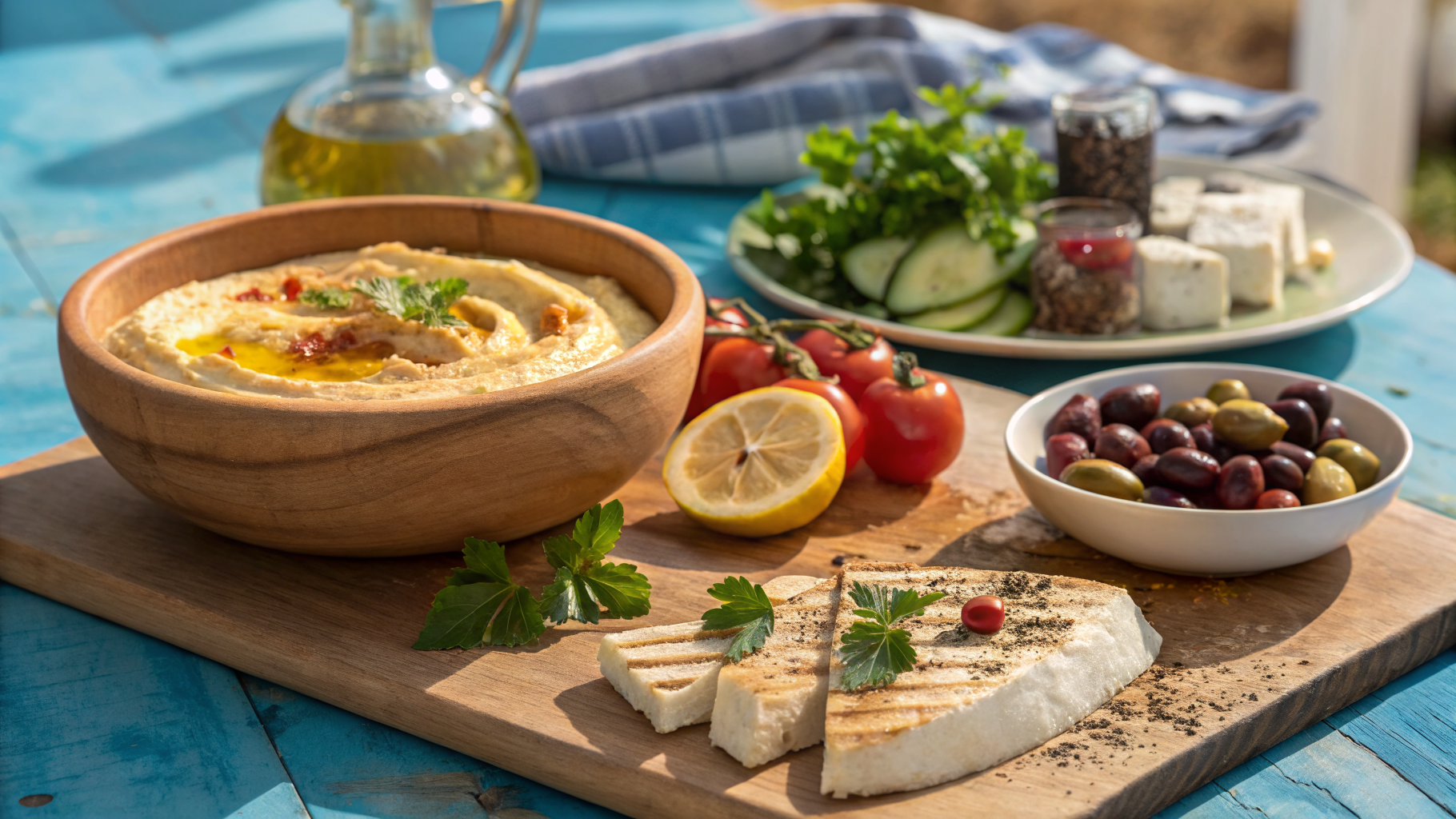
The Dream of Eating for Life
For decades, the Mediterranean diet has been whispered about in nutrition circles like a holy grail: a way of eating that promises longevity, a healthy heart, and a life filled with flavor. But for many beginners, it can feel like an elusive ideal, a culinary landscape as foreign as the Greek islands themselves. You might imagine expensive ingredients, complicated recipes, and a complete overhaul of your kitchen. The truth, however, is far simpler and far more delicious. The Mediterranean diet isn't a strict regimen of deprivation; it's a joyful, sustainable lifestyle built on whole, unprocessed foods that have been the cornerstone of cultures bordering the Mediterranean Sea for centuries. It’s about embracing the abundance of the earth and sea, cooking with love, and sharing meals with those you care about. This guide is your starting point, your passport to a world where olive oil is king, legumes are a staple, and every meal is an opportunity to nourish both body and soul. We’ll strip away the mystique and give you the concrete, practical steps to begin your journey today.
The Golden Rule: Your Pantry's New Best Friend
If the Mediterranean diet had a single, sacred ingredient, it would be extra-virgin olive oil. This isn't just a cooking fat; it's a fundamental source of flavor and health. Rich in monounsaturated fats and powerful antioxidants like polyphenols, olive oil is the primary driver of the diet's renowned heart health benefits. A landmark study published in the New England Journal of Medicine found that a Mediterranean diet supplemented with extra-virgin olive oil significantly reduced the risk of major cardiovascular events by about 30% compared to a low-fat diet. For a beginner, the first step is simple: swap your regular cooking oil for a quality extra-virgin olive oil. Use it for sautéing vegetables, drizzling over finished dishes, making salad dressings (a simple vinaigrette of three parts oil to one part lemon juice or red wine vinegar), and even dipping crusty whole-grain bread. Don't be afraid of its robust flavor; it’s the very essence of the diet. Start by buying a decent bottle from a reputable source—look for a harvest date and a dark glass bottle to protect it from light. Store it in a cool, dark cabinet, and use it generously. This one change alone will transform your cooking and your health.
Building Your Plate: The Foundation of Legumes and Whole Grains
Forget the protein-centric American plate. The Mediterranean diet builds its foundation on plants, specifically legumes and whole grains. Think lentils, chickpeas, cannellini beans, farro, bulgur, quinoa, and whole-wheat couscous. These ingredients are not just side dishes; they are the stars of the meal. A simple lentil soup with carrots, celery, and a generous glug of olive oil is a complete, satisfying dinner. A bowl of farro tossed with roasted vegetables, chickpeas, and a lemon-herb vinaigrette is a lunch that will keep you energized for hours. Legumes are a powerhouse of protein and fiber, which helps regulate blood sugar and keeps you feeling full. Whole grains provide complex carbohydrates that release energy slowly, preventing the spikes and crashes of refined grains. For a beginner, this means rethinking your plate. Aim to fill half your plate with vegetables, a quarter with whole grains or legumes, and the last quarter with a serving of lean protein, like fish or chicken. Start by swapping white rice for farro or bulgur in your next stir-fry or bowl. Add a can of drained, rinsed chickpeas to your salads for an instant protein and fiber boost. These small, consistent changes build the foundation of a new, delicious way of eating.
The Protein Paradigm: Fish, Lean Poultry, and the Occasional Red Meat
While the Mediterranean diet is plant-forward, it is not vegetarian. Fish and seafood are the preferred animal proteins, recommended at least twice a week. Fatty fish like salmon, sardines, mackerel, and anchovies are especially prized for their high levels of omega-3 fatty acids, which are crucial for heart and brain health. A simple preparation—grilled with olive oil, lemon, garlic, and oregano—is all you need to let the fish’s natural flavor shine. Poultry, such as chicken and turkey, is eaten in moderate portions, perhaps a few times a week. Red meat, on the other hand, is reserved for occasional consumption, perhaps a few times a month, and in smaller portions. This is a stark contrast to the standard American diet, where beef is often the centerpiece. For a beginner, this shift can be achieved by designating two or three nights a week as “fish nights.” Try a simple sheet-pan meal: salmon fillets with broccoli and cherry tomatoes, all drizzled with olive oil and roasted at 400°F for about 15 minutes. On other nights, make poultry or a legume-based dish the star. The key is to see red meat as a treat, not a staple. This approach not only benefits your heart but also reduces your environmental footprint.
Living the Lifestyle: Movement, Community, and Your First Week
The Mediterranean diet is more than just a list of foods; it’s a holistic lifestyle that emphasizes physical activity and communal eating. The original populations didn’t count calories or obsess over macros; they walked daily, worked in their gardens, and shared long, leisurely meals with family and friends. This social aspect is crucial—it reduces stress and makes eating a pleasure, not a chore. To start, incorporate a 20-minute walk after dinner. Invite a friend over for a meal you’ve cooked from scratch, using the principles you’ve learned. For your first week, keep it incredibly simple. Start your day with Greek yogurt, berries, and a sprinkle of walnuts. For lunch, have a large salad with chickpeas, cucumber, tomato, feta, and an olive oil vinaigrette with a piece of whole-grain bread. For dinner, try grilled chicken or fish with a side of roasted vegetables and farro. Snack on a handful of almonds or an apple with peanut butter. You can find countless recipes on DishIndex to inspire your journey. In just a few days, you’ll notice more energy, better digestion, and a newfound appreciation for the simple, profound joy of real food.
Try these recipes on DishIndex
Explore Mediterranean bowl ideas recipes and more