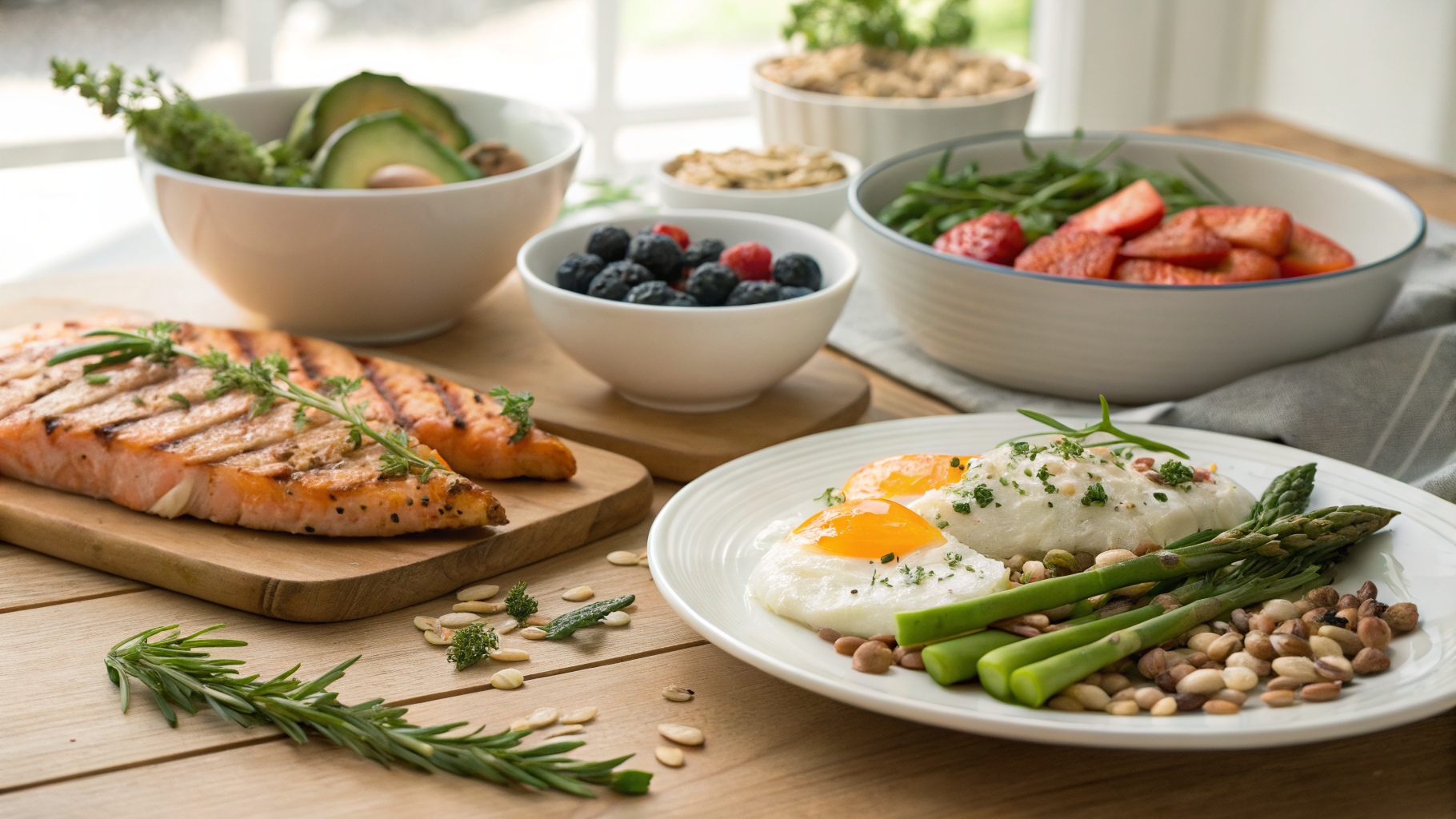
The timer is ticking. You've just walked in the door, your stomach is growling, and the clock says you have exactly 15 minutes before you need to be on a video call. In the past, this scenario might have led to a sad bowl of cereal or a processed snack bar. But what if I told you that in that same window, you could whip up a meal boasting over 35 grams of protein, complete with fiber, healthy fats, and a spectrum of micronutrients? This isn't a fantasy; it's the reality of strategic high-protein cooking. In this article, we'll dissect the science behind rapid protein intake, explore the key ingredients that make quick meals nutritionally complete, and share expert techniques to transform your 15-minute window into a powerhouse of nourishment. Get ready to rethink what's possible when speed meets science.
The Science of Speed and Protein
Why does protein matter so much, especially when you're short on time? From a metabolic perspective, protein has the highest thermic effect of food (TEF) among macronutrients, meaning your body burns about 20-30% of its calories just digesting and metabolizing it. This is nearly double the TEF of carbohydrates. Consuming a high-protein meal within 15 minutes can kickstart your metabolism and promote satiety by increasing levels of peptide YY and GLP-1, hormones that signal fullness. For muscle protein synthesis, the body responds best to doses of 20-40 grams of high-quality protein per meal. Research shows that distributing protein intake evenly across meals optimizes muscle maintenance and growth, making a 15-minute high-protein meal an essential strategy for active individuals and aging adults alike.
Ingredient Intelligence: Eggs, Greek Yogurt, and Canned Fish
The cornerstone of 15-minute high-protein cooking lies in a few powerhouse ingredients. Eggs, for instance, are a complete protein with a biological value of 100, meaning your body can use nearly all of the protein they provide. One large egg contains about 6 grams of protein plus choline, a nutrient critical for brain health. Greek yogurt, particularly the plain, non-fat variety, packs up to 20 grams of protein per cup, along with gut-friendly probiotics and calcium. Canned fish like tuna and salmon offer 20-25 grams of protein per can, plus omega-3 fatty acids that reduce inflammation. The key is to combine these ingredients with quick-cooking vegetables and whole grains to create a balanced plate without sacrificing time.
A Brief History of Quick Protein: From Jerky to Modern Meal Prep
The quest for rapid protein is not new. Indigenous peoples of North America created pemmican—a blend of dried meat, fat, and berries—as a portable, high-protein food that could sustain long journeys. In the 20th century, the rise of industrial food production gave us canned meats and protein powders, but often at the cost of whole-food nutrition. Today's 15-minute meal movement represents a return to simple, minimally processed ingredients, leveraging modern tools like microwave steamers and high-speed blenders. This shift reflects a growing understanding that convenience and nutrition need not be mutually exclusive, echoing the resourcefulness of past generations while embracing contemporary nutritional science.
Pro Tip: The Two-Minute Marinade Hack
One common mistake in quick protein cooking is skipping flavor. Many assume that speed means blandness, but that's far from true. For poultry or tofu, use a two-minute marinade: combine soy sauce, a splash of acid (lemon juice or vinegar), and a teaspoon of oil in a bowl. Add your protein and toss for 60 seconds. The acid and salt begin to denature the protein's surface, allowing flavor to penetrate even in a short time. Meanwhile, the oil helps carry fat-soluble aromatics. Grill or pan-sear immediately; the brief marinade is enough to create a flavorful crust. This technique works because the rate of diffusion is highest at the surface, and the heat of cooking will further drive flavor inward. In two minutes, you transform a neutral protein into a savory star.
High-Protein Meals in the Context of Modern Nutrition Trends
The current trend toward high-protein diets is backed by a wealth of research linking protein intake to weight management, muscle preservation during aging, and improved metabolic health. A 2015 study in the American Journal of Clinical Nutrition found that increasing protein to 30% of total calories reduced overall calorie intake by nearly 450 calories per day without conscious restriction. However, the challenge remains accessibility: many convenient options are ultra-processed. The beauty of a 15-minute whole-food meal is that it sidesteps this trap. By focusing on eggs, dairy, legumes, and fish, you're not just hitting macros—you're also getting bioactive compounds like conjugated linoleic acid from dairy and selenium from fish, which support thyroid function and antioxidant defenses.
Frequently Asked Questions
Q: Can I use protein powder in a 15-minute meal? A: Absolutely. Protein powder can be stirred into yogurt, oatmeal, or blended into smoothies for an instant boost. Choose a brand with minimal additives for the cleanest nutrition. Q: What if I don't eat animal products? A: Plant-based options like edamame, tofu, and lentils cook quickly. Combine them with whole grains like quinoa to create a complete protein profile in under 15 minutes. Q: How do I ensure my meal stays under 15 minutes including prep? A: Prep ingredients like chopping vegetables and portioning spices ahead of time. Use pre-cooked grains or quick-cooking varieties like couscous. Opt for thin cuts of meat or seafood that cook in minutes.
Key Takeaways
Mastering high-protein meals in under 15 minutes is a skill that serves your health, your schedule, and your taste buds. First, always keep a few high-protein staples on hand: eggs, Greek yogurt, canned fish, and quick-cooking legumes. Second, remember that even a two-minute marinade can elevate flavor without extra time. Third, pair your protein with a fast-cooking vegetable and a whole grain for a balanced plate. Fourth, distribute your protein intake across meals for optimal muscle synthesis and satiety. Finally, embrace the science: the thermic effect of protein and its hormone-regulating properties make these quick meals a powerful tool for weight management and metabolic health. Now, set your timer and cook with confidence.
Try these recipes on DishIndex
Explore quick high protein meals recipes and more