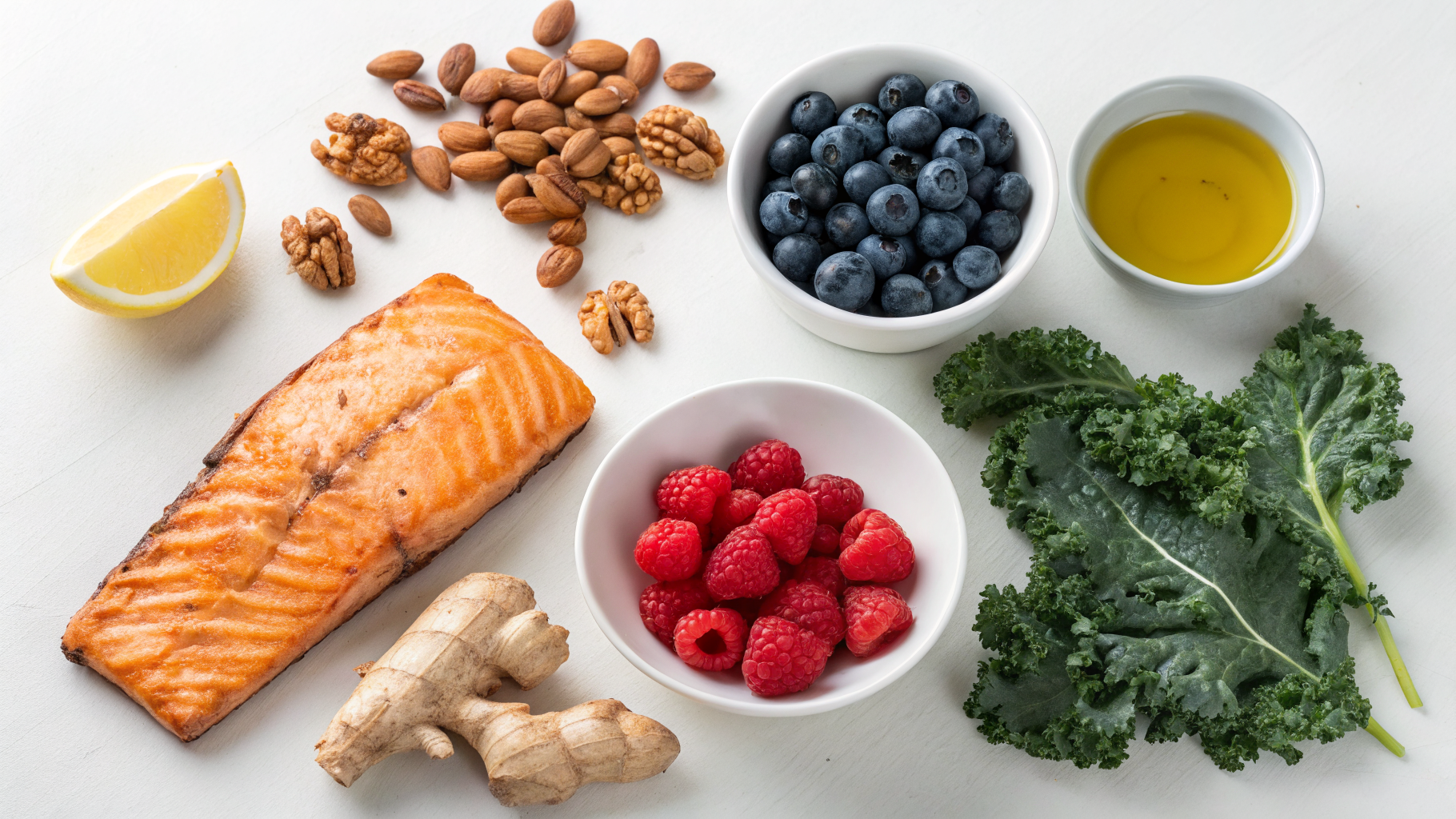
Imagine waking up with stiff joints, persistent fatigue, and brain fog that lingers through the afternoon. For millions, this is daily life, driven by chronic inflammation—a silent contributor to heart disease, diabetes, and autoimmune disorders. But what if your grocery list could be your first line of defense? The anti-inflammatory diet isn't a fad; it's grounded in decades of nutritional science. From the polyphenol-packed berries in your smoothie to the omega-3-rich salmon on your plate, the foods you choose can either fuel or fight the fire within. In this article, we'll explore ten powerhouse ingredients that research shows can reduce markers of inflammation like C-reactive protein (CRP) and interleukin-6. You'll learn not just what to eat, but why it works, with specific data on vitamins, minerals, and bioactive compounds. Get ready to transform your kitchen into an inflammation-fighting arsenal.
The Science of Inflammation and Diet
Inflammation is the body's natural response to injury or infection, but when it becomes chronic, it can damage tissues and contribute to disease. Diet plays a crucial role in modulating this response. A landmark study in the Journal of the American College of Cardiology found that individuals with the highest dietary inflammatory index scores had a 42% increased risk of cardiovascular disease. Key anti-inflammatory nutrients include omega-3 fatty acids (found in fatty fish and flaxseeds), polyphenols (in berries, tea, and dark chocolate), and dietary fiber (from whole grains and vegetables). These compounds work by inhibiting pro-inflammatory pathways such as NF-kB and reducing oxidative stress. For instance, curcumin in turmeric can block inflammatory cytokines, while resveratrol in grapes activates sirtuins, proteins that regulate cellular health. The goal is to create a diet rich in these compounds while minimizing foods that promote inflammation, like refined sugars and trans fats.
10 Anti-Inflammatory Foods to Add to Your Plate
1. Berries: Blueberries, strawberries, and raspberries are packed with anthocyanins. A study in the Journal of Nutrition found that eating one cup of blueberries daily for six weeks reduced DNA damage and oxidative stress. 2. Fatty Fish: Salmon, mackerel, and sardines are rich in EPA and DHA omega-3s, which lower CRP levels. The American Heart Association recommends two servings per week. 3. Leafy Greens: Spinach, kale, and Swiss chard contain vitamin K, which has anti-inflammatory effects. 4. Turmeric: Curcumin, its active compound, reduces inflammation similarly to ibuprofen, but without side effects. Pair with black pepper for 2000% better absorption. 5. Ginger: Gingerol compounds inhibit prostaglandins, providing relief from muscle pain. 6. Nuts: Almonds and walnuts are high in alpha-linolenic acid (ALA), an anti-inflammatory omega-3. 7. Green Tea: EGCG, a catechin, suppresses inflammatory cytokines. 8. Tomatoes: Lycopene, especially when cooked, reduces pro-inflammatory markers. 9. Olive Oil: Extra-virgin olive oil contains oleocanthal, a compound with anti-inflammatory properties similar to ibuprofen. 10. Dark Chocolate: Flavanols in cocoa improve endothelial function and reduce inflammation.
Cultural Roots of Anti-Inflammatory Eating
The anti-inflammatory diet draws heavily from the Mediterranean diet, which has been studied since the 1960s in Crete and Southern Italy. Traditional Mediterranean meals emphasize olive oil, fish, legumes, and vegetables, with minimal processed foods. The original Greek diet, as documented by Ancel Keys in the Seven Countries Study, was associated with low rates of heart disease and longevity. Similarly, Asian cuisines incorporate anti-inflammatory staples like turmeric (in Indian curries), ginger (in Chinese stir-fries), and green tea (in Japan). The Okinawan diet in Japan, known for its high proportion of vegetables and soy, yields some of the world's longest-living populations. These traditional eating patterns evolved over centuries, not from clinical trials, but through collective wisdom. Today, we have the research to validate what our ancestors knew: that whole foods in their natural state support health and reduce inflammation.
Pro Tip: Maximize Nutrient Absorption
Many anti-inflammatory compounds are fat-soluble, meaning you need dietary fat to absorb them effectively. For example, curcumin in turmeric is poorly absorbed on its own. By cooking turmeric with healthy fats like coconut oil or olive oil and adding black pepper (which contains piperine, a compound that enhances curcumin absorption by 2000%), you can dramatically increase its bioavailability. The same principle applies to lycopene in tomatoes: cooking them in olive oil not only releases more lycopene but also improves absorption. For leafy greens, pair them with a source of vitamin C, like lemon juice, to increase iron absorption—iron is crucial for immune function. Another often-overlooked tip: let garlic sit for 10 minutes after chopping before cooking. This allows the enzyme alliinase to convert alliin into allicin, the anti-inflammatory compound that is destroyed by high heat. Simple techniques like these can double the health benefits of your meals.
The Anti-Inflammatory Diet in Modern Nutrition
Today, the anti-inflammatory diet is at the forefront of nutritional science, with research linking it to reduced risk of Alzheimer's, arthritis, and even depression. A 2020 meta-analysis in Clinical Nutrition found that adherence to an anti-inflammatory diet reduced CRP levels by an average of 0.56 mg/L. This diet aligns with the principles of the DASH diet and the MIND diet, both of which emphasize whole foods and limit red meat and sugar. The growing interest in gut health also ties in: anti-inflammatory foods often act as prebiotics, feeding beneficial gut bacteria that produce short-chain fatty acids like butyrate, which reduces inflammation. As personalized nutrition advances, we may soon tailor anti-inflammatory diets based on individual genetic polymorphisms affecting inflammatory pathways. But for now, the basics remain: eat a rainbow of colorful plant foods, choose healthy fats, and avoid processed ingredients. This approach is not only effective but also delicious and sustainable.
Frequently Asked Questions
Q: Can an anti-inflammatory diet replace medication? A: While diet can significantly reduce inflammation, it should complement, not replace, prescribed medications. Always consult your doctor before making changes. Q: How quickly will I see results? A: Some people notice reduced joint pain and improved energy within two to four weeks, but reducing chronic inflammation markers like CRP may take three to six months. Q: Are there any side effects? A: Increasing fiber too quickly can cause bloating or gas. Introduce high-fiber foods gradually and drink plenty of water to ease the transition.
Key Takeaways
Chronic inflammation is a root cause of many modern diseases, but your diet is a powerful tool to combat it. Prioritize omega-3-rich fish, colorful berries, leafy greens, and spices like turmeric and ginger. Remember that fat and black pepper enhance nutrient absorption, so pair your foods wisely. Embrace whole, unprocessed foods and limit sugar and refined carbs. While results take time, consistent dietary changes can lower inflammatory markers and improve overall health. Start by adding one anti-inflammatory food to your meals each day, and gradually build a plate that fights back. Your body will thank you.
Try these recipes on DishIndex
Explore Anti-inflammatory recipes recipes and more