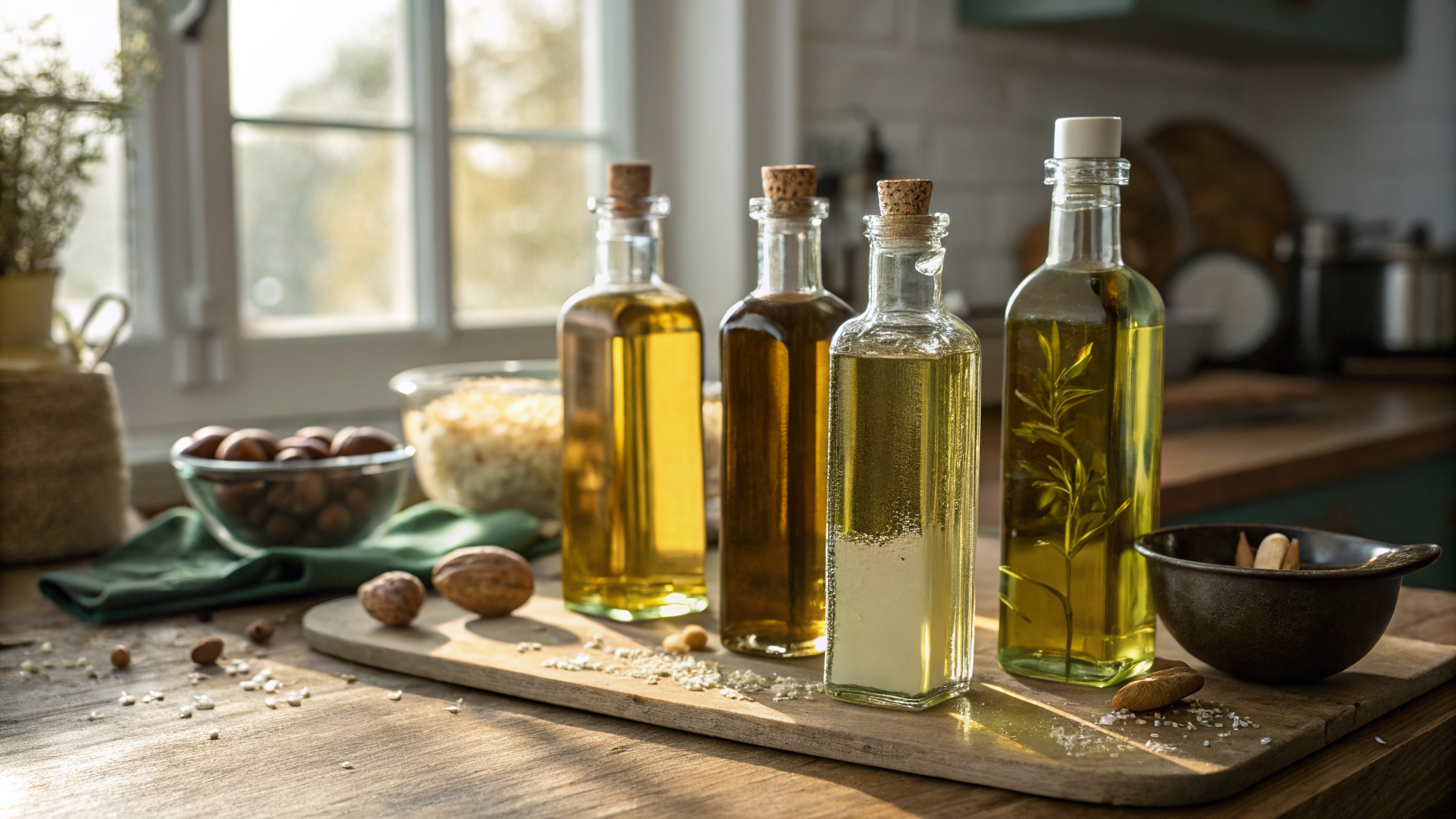
Imagine this: you're standing in the supermarket aisle, faced with a wall of bottles labeled 'extra virgin,' 'cold-pressed,' 'refined,' and 'pure.' Which one do you grab? The truth is, your choice of cooking oil can dramatically alter the nutritional profile of your meal—and your long-term health. A single tablespoon of oil can pack 120 calories and 14 grams of fat, but not all fats are created equal. Some oils are rich in heart-healthy monounsaturated fats, while others are loaded with inflammatory omega-6s. Moreover, heating oil past its smoke point creates harmful compounds linked to oxidative stress and chronic disease. In this article, we'll cut through the marketing hype and explore the science of cooking oils: how to match them to your cooking method, understand their fatty acid composition, and unlock their nutritional potential. By the end, you'll be equipped to make informed choices that elevate both flavor and wellness.
The Science of Smoke Points: Why Heat Matters
Every cooking oil has a smoke point—the temperature at which it starts to break down and produce visible smoke. Beyond this point, the oil releases free radicals and a compound called acrolein, which gives burnt food its acrid taste and has been linked to increased risk of heart disease and cancer. For high-heat cooking like searing or deep frying, you need oils with smoke points above 400°F (204°C). Avocado oil (520°F), refined safflower oil (510°F), and peanut oil (450°F) are excellent choices. In contrast, unrefined flaxseed or walnut oil smoke at around 225°F (107°C), making them suitable only for dressings or low-heat finishing. A 2018 study in Food Chemistry found that prolonged heating of polyunsaturated oils like soybean and canola produces aldehydes, some of which are potential carcinogens. This doesn't mean you should avoid these oils entirely—just reserve them for gentle cooking or uncooked uses.
Decoding Fatty Acid Profiles: Omega-3s, Omega-6s, and Balance
The health impact of an oil largely depends on its fatty acid composition. Olive oil, for instance, is about 73% monounsaturated fat (oleic acid), which supports heart health by reducing LDL cholesterol and inflammation. Coconut oil, on the other hand, is over 90% saturated fat, which can raise both LDL and HDL cholesterol—a mixed bag. The real concern, however, is the ratio of omega-6 to omega-3 fatty acids. Modern diets are often skewed toward omega-6s (found in corn, soybean, and sunflower oils), promoting inflammation. A 2020 review in Nutrients recommended a ratio of 4:1 or lower, but typical Western diets can exceed 20:1. To restore balance, choose oils with higher omega-3 content, such as flaxseed, canola, or walnut oil, or simply use a variety of oils. Even a tablespoon of flaxseed oil provides 7 grams of alpha-linolenic acid (ALA), a plant-based omega-3 that supports brain and heart health.
From Ancient Presses to Modern Bottles: A Brief History of Cooking Oils
The use of cooking oils dates back thousands of years. Olive oil was a cornerstone of ancient Mediterranean civilizations, prized for both culinary and medicinal uses. The Greeks called it 'liquid gold' and used it in soaps, lamps, and sports. In Asia, sesame oil was cultivated as early as 3000 BCE, while coconut oil was a staple in South India and the Pacific Islands. The Industrial Revolution brought mechanized pressing and solvent extraction, making oils like cottonseed and soybean widely available at low cost. Today, we have an unprecedented variety of oils—from avocado to grapeseed—but this abundance can be confusing. Understanding where an oil comes from helps you appreciate its flavor and purpose. For instance, extra virgin olive oil is made from the first cold press of olives, retaining antioxidants and polyphenols that are often lost in refined versions. Similarly, unrefined coconut oil retains its tropical aroma and lauric acid, a medium-chain triglyceride with antimicrobial properties.
Pro Tip: Use the Right Oil for the Right Job—and Store It Properly
One of the most common mistakes home cooks make is using one oil for everything. For high-heat roasting or stir-frying, choose an oil with a high smoke point and neutral flavor, such as refined avocado or grapeseed oil. For sautéing at medium heat, olive oil is fine—its smoke point is around 375°F (190°C), but it can handle gentle cooking. For dressings and finishing, reach for flavorful, unrefined oils like extra virgin olive, toasted sesame, or walnut oil. Another overlooked aspect is storage. Oils are sensitive to light, heat, and oxygen, which cause rancidity—a process that degrades flavor and creates harmful free radicals. Always store oils in a cool, dark cupboard, and buy small bottles that you'll use within a few months. If you notice a sharp, bitter, or crayon-like smell, the oil has gone bad. A simple test: if it smells like old nuts or paint thinner, toss it. Fresh oil should smell clean and pleasant.
The Nutritional Context: Oil as Part of a Whole-Food Diet
While oils are calorie-dense, they play a vital role in nutrient absorption. Many vitamins—A, D, E, and K—are fat-soluble, meaning your body needs dietary fat to absorb them. Drizzling olive oil on a salad boosts the absorption of lycopene from tomatoes and lutein from leafy greens. A 2004 study in the American Journal of Clinical Nutrition found that adding avocado oil to salsa increased carotenoid absorption by up to 4.6 times. Moreover, oils contribute to satiety and can help stabilize blood sugar when used in balanced meals. However, it's important to remember that oils are processed foods—even the healthiest ones—and should be used in moderation. The American Heart Association recommends limiting added fats to 20-35% of total daily calories, with an emphasis on unsaturated sources. In the context of a whole-food diet, oils are a tool, not a health food. Pair them with vegetables, whole grains, and lean proteins for optimal nutrition.
Frequently Asked Questions
Q: Can I reuse frying oil? A: Reusing oil is possible but not recommended for health. Each time you heat oil, its smoke point lowers and harmful compounds accumulate. If you must reuse, strain it through a coffee filter, store in the fridge, and use within a week. Discard if it smells off or foams. Q: Is coconut oil healthy or not? A: Coconut oil is high in saturated fat, which raises LDL cholesterol. However, it also contains MCTs that may boost metabolism. Use it sparingly as a flavor enhancer in moderation, not as a daily cooking oil. Q: What's the best oil for salad dressing? A: Extra virgin olive oil is top choice for flavor and heart benefits. For variety, try walnut or avocado oil. Avoid refined oils, which lack flavor and antioxidants.
Key Takeaways
Choosing the right cooking oil is a simple yet powerful way to enhance both the flavor and nutritional value of your meals. Start by matching the oil's smoke point to your cooking method: high heat for searing, medium for sautéing, and low or no heat for dressings. Diversify your oil collection to get a range of fatty acids and antioxidants—olive for everyday, avocado for high heat, and flaxseed for omega-3s. Store oils away from light and heat to prevent rancidity, and always smell before using. Remember that oil is a fat source, so use it in moderation as part of a balanced diet. By applying these principles, you'll not only cook better but also support your long-term health with every drizzle.
Try these recipes on DishIndex
Explore cooking oil guide recipes and more