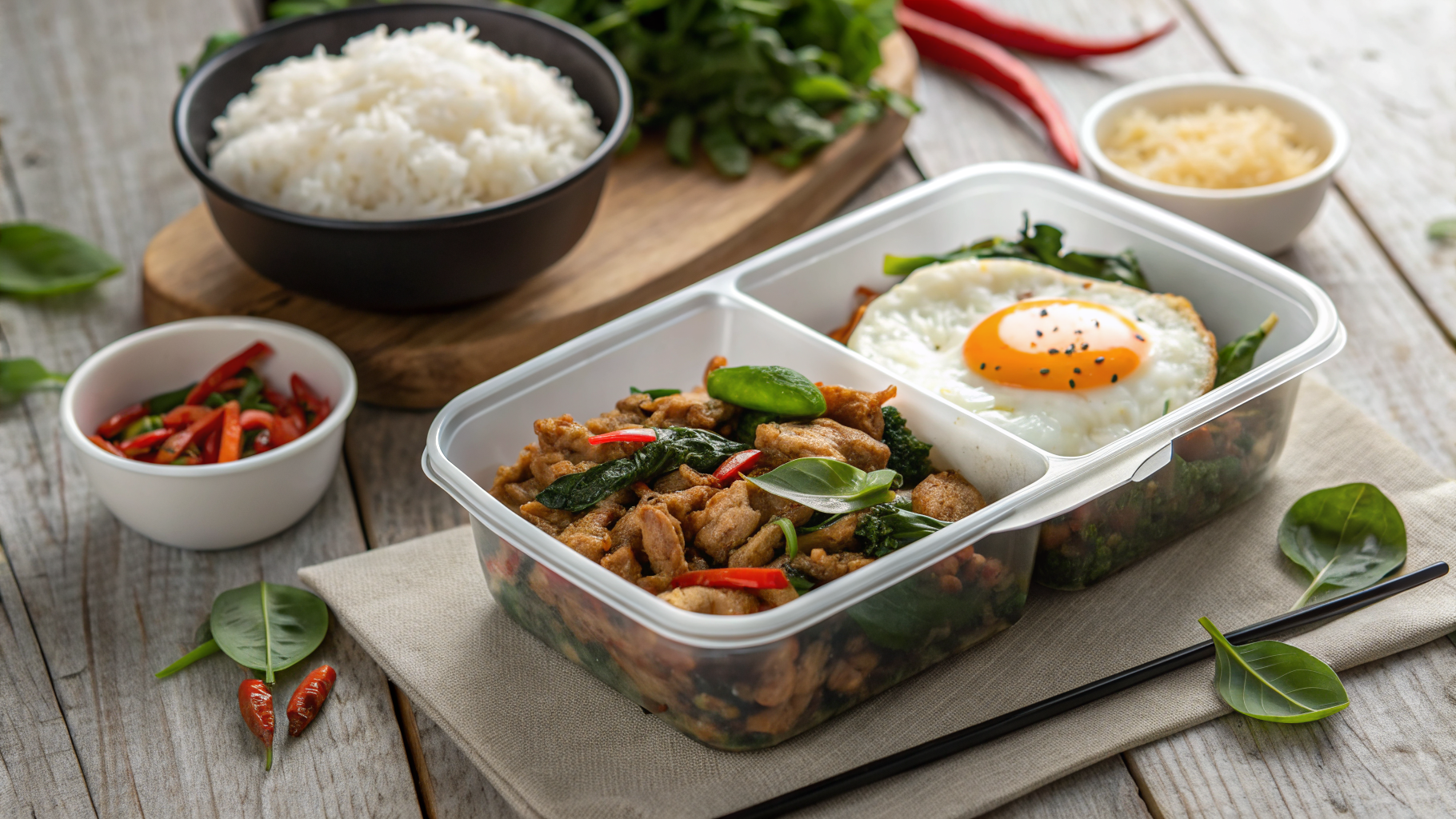
It's 6 p.m. on a Tuesday. You're hungry, tired, and the takeout app is calling. But what if you could open your fridge and pull out a container of Bangkok street food instead? Thai basil chicken with crispy fried egg—known in Thailand as pad kra pao gai—is the ultimate weeknight hero. It's fast, fiery, and deeply savory, but here's the twist: it's also a meal-prep dream. Unlike many stir-fries that turn soggy overnight, this dish holds up beautifully when stored right. The key is understanding how the ingredients behave after cooking. Chicken thighs stay juicy, the sauce clings without drying out, and the fried egg can be cooked fresh in minutes. In this article, you'll discover how to batch cook this dish for the week, store it safely, and reheat it so it tastes like it just left the wok. Plus, we'll explore how it fits into a balanced, realistic diet—because eating well shouldn't mean eating boring.
Why Thai Basil Chicken Is a Meal-Prep Unicorn
Most stir-fries are terrible for meal prep. Vegetables release water, sauces thin out, and proteins dry into jerky. Thai basil chicken defies all of that. The reason lies in its ingredients: chicken thighs have more fat and connective tissue than breasts, so they stay tender after reheating. The sauce—a punchy mix of oyster sauce and soy sauce—is thick and clingy, not watery. And the basil? It's added at the very end, so it wilts just enough to infuse flavor without turning to mush. According to a 2019 study in the Journal of Food Science, chicken thigh meat retains up to 15% more moisture than breast meat after refrigerated storage and reheating. That's a game-changer for batch cooking. Plus, the dish's intense flavor actually improves overnight as the garlic, chili, and sauces meld. So while a plain grilled chicken breast might taste sad on day three, Thai basil chicken tastes even better.
The Ingredient That Makes or Breaks Your Batch
Bird's eye chilies are the soul of this dish, but they're also the most variable ingredient. A single chili can range from 50,000 to 100,000 Scoville units depending on growing conditions. For meal prep, consistency is key—you don't want one container to be mild and another to be nuclear. The solution: taste your chilies before cooking. Slice a tiny piece and touch it to your tongue. If it's blazing, use fewer; if it's mild, add more. Also, don't discard the seeds and ribs unless you want less heat—they hold most of the capsaicin. For batch cooking, it's best to mince the chilies finely so they distribute evenly. And here's a pro tip: wear gloves. Capsaicin oils linger on your fingers and can burn your eyes hours later. A 2020 survey by the American Chemical Society found that 70% of home cooks who handle hot chilies without gloves experience skin irritation. So protect your hands, and your batch will be perfectly spicy every time.
From Bangkok Streets to Your Weekly Rotation
Pad kra pao gai is more than a recipe—it's a cultural icon. In Thailand, it's the go-to dish for everyone from tuk-tuk drivers to office workers. You'll find it sizzling in woks at street stalls across Bangkok, especially in the Bang Rak district, where vendors have been perfecting their versions for decades. The dish's origins trace back to the mid-20th century, when Chinese immigrants introduced stir-frying techniques to Thailand. They combined those methods with local ingredients: holy basil, fish sauce, and bird's eye chilies. Over time, Thai basil (horapa) became the preferred herb for its sweet, anise-like notes. The crispy fried egg, or khai dao, is a relatively recent addition—it gained popularity in the 1980s as a cheap protein boost. Today, it's considered essential. When you batch cook this dish, you're not just preparing meals; you're preserving a piece of Bangkok's culinary history.
Pro Tip: The Two-Container Storage Method
Most people store stir-fry and rice together, but that's a mistake. Rice absorbs sauce and becomes mushy, while the chicken dries out. Instead, use the two-container method: one airtight container for the chicken and sauce, another for the rice. This keeps textures distinct. For the egg, cook it fresh each time—it takes 90 seconds in a hot pan. If you must prep eggs ahead, fry them until the whites are set but the yolk is still runny, then store them separately in a flat container lined with paper towel. Reheat in a toaster oven at 350°F for 3 minutes. Also, cool your chicken rapidly before storing: spread it on a baking sheet and refrigerate for 15 minutes. This prevents condensation, which leads to sogginess. According to the USDA, cooked chicken can be refrigerated safely for 3 to 4 days, but for best quality, aim for 3 days.
How This Dish Fits a Balanced Diet
Thai basil chicken is often perceived as indulgent, but it's actually a nutritional powerhouse when portioned wisely. A 1-cup serving (chicken and sauce) provides about 30 grams of protein, 15 grams of fat, and only 8 grams of carbs. The egg adds 6 grams of protein and 5 grams of fat, plus choline for brain health. Pair it with ½ cup of jasmine rice (about 100 calories) and a side of steamed broccoli, and you have a complete meal under 500 calories. The key is moderation: use oil sparingly (2 tablespoons for the whole batch), and opt for low-sodium soy sauce if watching salt. A 2021 study in Nutrients found that high-protein, moderate-carb meals like this improve satiety and reduce evening snacking. So yes, you can eat street food and still meet your goals—it's all about balance and portion control.
Frequently Asked Questions
Q: Can I freeze Thai basil chicken? A: Yes, freeze the chicken and sauce in airtight containers for up to 3 months. Thaw overnight in the fridge, then reheat gently in a skillet. The basil will darken, so add fresh basil after reheating for best flavor. Q: How do I keep the fried egg crispy for meal prep? A: Cook eggs fresh each day—it takes 90 seconds. If you must prep ahead, fry until whites are set but yolk is runny, store in a paper-towel-lined container, and reheat in a toaster oven at 350°F for 3 minutes. Q: Is this dish healthy for weight loss? A: Yes, when portioned properly. Use skinless chicken thighs, minimal oil, and serve with plenty of vegetables. A 1-cup serving with ½ cup rice is about 500 calories and high in protein, keeping you full for hours.
Key Takeaways
First, batch cook the chicken and sauce but cook rice and eggs fresh for best texture. Second, cool your chicken rapidly before storing to avoid sogginess. Third, taste your chilies before cooking to control heat consistency. Fourth, use the two-container method: one for chicken, one for rice. Fifth, portion wisely—this dish is high in protein and can fit a balanced diet when paired with vegetables and moderate rice. With these strategies, you'll transform a Bangkok street-food classic into your most reliable meal-prep ally. So next time you're tempted by takeout, remember: your fridge already holds something better.
Try these recipes on DishIndex
Explore Thai basil chicken recipes and more