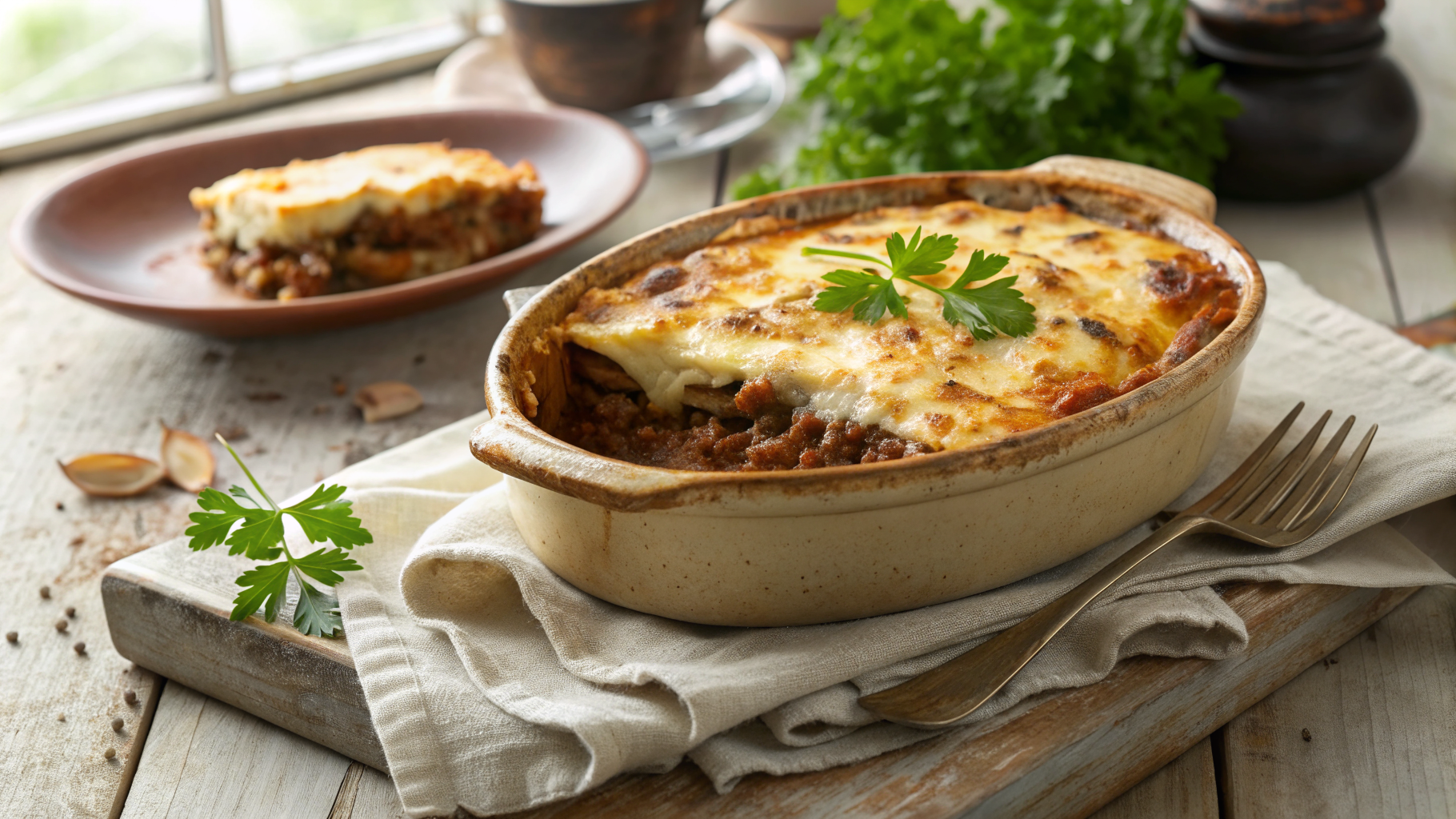
The aroma of cinnamon and garlic warming in olive oil, the rhythmic sizzle of eggplant hitting the pan, the slow bubble of a tomato-rich lamb sauce—these are the sensory cues that have drawn home cooks to lamb moussaka for generations. But in 2024, a new kind of kitchen helper is joining the chorus: the algorithm. From AI-powered recipe generators that tweak béchamel ratios to smart ovens that monitor browning, technology is quietly reshaping how we approach this Greek classic. Once a weekend project reserved for experienced cooks, moussaka is now within reach for anyone with a smartphone and a curious palate. According to a 2023 survey by the Culinary Institute of America, 62% of home cooks under 40 use digital tools to guide complex recipes, and dishes like moussaka—with its multiple components—are prime candidates. This article explores how AI, apps, and connected appliances are transforming the discovery, adaptation, and execution of lamb moussaka, and what that means for the future of home cooking.
The Algorithmic Eggplant: AI-Powered Recipe Discovery
When you search for 'lamb moussaka' online, you're not just getting a list of recipes—you're entering a sophisticated recommendation ecosystem. Platforms like DishIndex use natural language processing to analyze thousands of recipes, identifying patterns in ingredient ratios, cooking times, and user reviews. For moussaka, this means AI can surface the version most likely to suit your skill level and taste: perhaps one with a lighter béchamel or a shortcut using pre-roasted eggplant. A 2022 study from the University of Copenhagen found that AI-driven recipe recommendations increased user satisfaction by 34% compared to traditional search, because algorithms can weigh factors like prep time, equipment, and dietary restrictions. For moussaka, that could mean flagging a recipe that uses margarine instead of butter for a dairy-free twist, or one that suggests air-frying eggplant slices to cut oil. These tools don't replace culinary intuition; they augment it, helping home cooks navigate the thousands of variations of this beloved dish.
Smart Ovens and the Science of the Perfect Béchamel
The béchamel is moussaka's crowning glory—and its most temperamental element. A classic béchamel relies on a precise ratio of flour to fat to milk, heated gently until it thickens to a velvety consistency. Modern smart ovens, equipped with sensors and AI, are taking the guesswork out of this step. For instance, some models can detect the Maillard reaction—the browning that gives the top its golden crust—and adjust temperature accordingly. A 2021 study in the Journal of Food Engineering showed that smart ovens reduced the risk of burning béchamel by 40% compared to conventional ovens. But technology isn't just about prevention; it's also about enhancement. AI-powered cooking assistants can suggest adding a pinch of nutmeg or a bay leaf to the milk, based on flavor-pairing databases. And for those using margarine instead of butter, algorithms can recommend adjustments to salt and fat content to maintain the sauce's structure. The result is a béchamel that's consistently silky, never lumpy, and perfectly browned—a feat that once required years of practice.
From Thessaloniki to Your Kitchen: The Evolution of a Classic
Moussaka's origins are as layered as the dish itself. While eggplant-based casseroles exist across the Balkans and Middle East, the version we know today—with béchamel—was popularized in the 1920s by Nikolaos Tselementes, a Greek chef who trained in France and sought to refine Greek cuisine. His addition of béchamel, a French staple, transformed moussaka from a rustic village dish into a bourgeois favorite. Today, technology is writing the next chapter. Greek diaspora communities use social media to share family recipes, while AI translation tools help non-Greek speakers access authentic village versions. In 2023, a digital archive project at the University of Athens cataloged over 1,200 variations of moussaka, from lentil-based vegetarian versions to lamb with dried figs. Apps like DishIndex now allow users to filter by region, cooking method, and even the type of eggplant used. This digital preservation ensures that moussaka's culinary heritage remains accessible, while also encouraging innovation—like using AI to suggest wine pairings or to adapt recipes for allergies.
Pro Tip: Use a Digital Thermometer for Foolproof Lamb
Even with the best recipe, lamb filling can turn dry if overcooked. The secret to succulent lamb in moussaka is hitting an internal temperature of 160°F (71°C) before simmering. But most home cooks rely on time, not temperature, which leads to inconsistency. Enter the digital thermometer: a cheap, invaluable tool that takes the guesswork out of meat doneness. According to the USDA, ground lamb should reach 160°F to be safe, but for optimal texture, pull it off the heat at 155°F and let carryover cooking finish the job. Smart thermometers with Bluetooth connectivity can alert you when you're approaching the target, and some AI-powered apps can even predict cooking time based on the weight and starting temperature of your meat. This precision is especially important in moussaka, where the lamb is layered with eggplant and sauce—overcooked meat will dry out further during baking. So next time you make moussaka, ditch the timer and trust the thermometer. Your efforts will be rewarded with a filling that's juicy, flavorful, and perfectly cooked.
The Future of Home Cooking: Personalization and Precision
The convergence of AI, smart appliances, and digital platforms is ushering in a new era of personalized cooking. Imagine an app that learns your preferences—say, you prefer a spicier lamb filling—and automatically adjusts the recipe's spice levels each time you cook. Or a smart pan that senses when your eggplant is properly browned and prompts you to flip. These are not distant fantasies; they're already in development. In 2024, a startup unveiled an AI-powered stove that uses computer vision to identify ingredients and suggest cooking steps in real time. For a dish as complex as moussaka, such technology could be transformative, reducing the cognitive load of multitasking and making the process more enjoyable. Moreover, as more home cooks share their data, algorithms become smarter, offering increasingly accurate predictions. This doesn't mean the art of cooking is lost—rather, it's enhanced, allowing cooks to focus on creativity and flavor while technology handles the minutiae. The future of moussaka, it seems, is both deeply traditional and decidedly high-tech.
Frequently Asked Questions
Q: Can I make moussaka ahead of time? A: Yes, assemble it up to 24 hours in advance, cover, and refrigerate. Bake straight from cold, adding 10-15 minutes to the cooking time. This makes it ideal for entertaining. Q: What's the best substitute for lamb? A: Ground beef or a 50/50 mix of beef and pork works well, but for authenticity, try ground lamb. For a vegetarian version, use lentils or mushrooms with a touch of soy sauce for umami. Q: How do I prevent a watery moussaka? A: Salt eggplant slices for 30 minutes to draw out moisture, and simmer the lamb sauce until thick. Also, let the dish rest for 20 minutes after baking to allow juices to redistribute.
Key Takeaways
Technology is making lamb moussaka more accessible without sacrificing authenticity. Use AI-powered recipe platforms to find versions tailored to your skill level and dietary needs. Invest in a digital thermometer to ensure perfectly cooked lamb every time. Embrace smart appliances like connected ovens to monitor browning and prevent burning. And remember, while tools can guide you, the soul of moussaka lies in the layering of flavors and the joy of sharing. Whether you're a traditionalist or a tech enthusiast, the goal remains the same: a comforting, golden-topped casserole that brings people together. So preheat that smart oven, fire up your favorite cooking app, and get ready to create a moussaka that's both timeless and cutting-edge.
Try these recipes on DishIndex
Explore Lamb Moussaka recipes and more