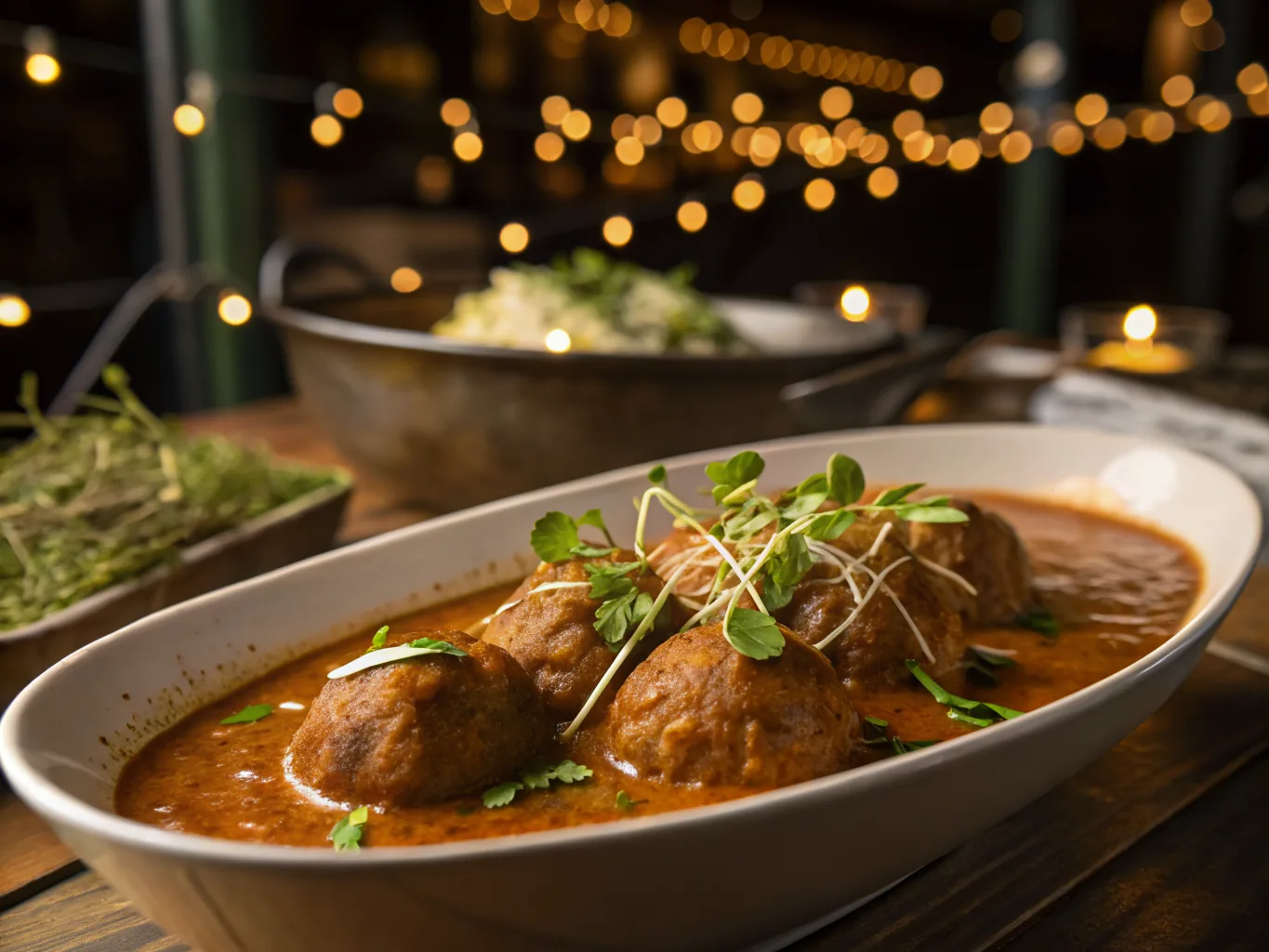
Imagine sinking your fork into a pillowy kofta, crisp on the outside and meltingly tender within, all while swimming in a silky, spiced tomato-cream gravy that whispers of cardamom and smoked paprika. This Malai Kofta is my love letter to North Indian comfort—deeply fragrant, lusciously rich, and entirely plant-based. I’ve swapped paneer for a blend of soft tofu and almond meal, then gently simmered the koftas in a makhani-inspired sauce slow-cooked with kasuri methi and a kiss of cream. But this isn’t just a delicious twist on a classic; it’s also a chance to rethink how we cook. Traditional Malai Kofta often relies on paneer and heavy cream, ingredients with a significant environmental footprint. By choosing plant-based alternatives and embracing seasonal produce, we can reduce our impact without sacrificing flavor. In this article, you’ll discover the sustainable story behind this dish—from the carbon footprint of dairy to the benefits of local sourcing and food-waste reduction. You’ll also learn expert techniques for perfect koftas and a gravy that rivals any dhaba, all while treading lighter on the planet. Let’s cook with care and eat with joy.
The Sustainability of Swapping Paneer for Tofu and Almonds
Paneer, a fresh acid-set cheese, is a staple in North Indian cooking, but its production is resource-intensive. It takes about 5 liters of milk to make 1 kilogram of paneer, and dairy farming contributes roughly 14.5% of global greenhouse gas emissions, according to the FAO. By replacing paneer with tofu and almond meal, we significantly lower the dish’s carbon footprint. Tofu, made from soybeans, has a much smaller environmental impact: producing 1 kilogram of tofu emits about 2 kilograms of CO2 equivalent, compared to 12 kilograms for the same amount of paneer. Almond meal, a byproduct of almond milk production, is an excellent example of upcycling—turning waste into a nutritious ingredient. Almonds themselves require water, but using the meal reduces demand for new resources. Together, tofu and almond meal create a kofta that’s not only tender and flavorful but also a small step toward a more sustainable food system. This swap also cuts saturated fat and cholesterol, aligning with healthier plant-based eating.
Seasonal and Local: Building a Greener Gravy
The gravy in this Malai Kofta relies on tomatoes, ginger, and spices—ingredients that can be sourced locally and seasonally to reduce food miles. In many regions, tomatoes are abundant in late summer and early fall; buying them at their peak means better flavor and lower transportation emissions. Ginger, though often imported, can be grown in warmer climates or found from local greenhouse producers. Spices like cardamom and smoked paprika have long shelf lives and can be bought in bulk to minimize packaging waste. The cream in the gravy can be replaced with cashew cream or coconut cream, both of which have a lower carbon footprint than dairy cream. Even the kasuri methi (dried fenugreek leaves) can be sourced from local Indian grocers or grown at home in a pot. By prioritizing seasonal produce and local suppliers, you not only enhance the dish’s freshness but also support regional agriculture and cut down on the energy used in long-distance food transport. This approach mirrors traditional Indian cooking, which historically relied on what was available nearby.
The Cultural Roots of Malai Kofta and Its Modern Evolution
Malai Kofta originated in the royal kitchens of the Mughal Empire, where it was known as a dish of luxury. The name comes from malai (cream) and kofta (meatball), but the vegetarian version became popular in the 19th century as a symbol of affluence. Traditionally, koftas were made with paneer, khoya (dried milk), and nuts, then deep-fried and served in a rich, creamy gravy. Over time, regional variations emerged: in Punjab, the gravy is often tomato-based with a hint of fenugreek; in Bengal, it might include poppy seeds. Today, as plant-based diets gain traction, cooks are reimagining this classic. The use of tofu and almond meal is a modern twist that honors the dish’s heritage while addressing contemporary concerns about health and sustainability. This evolution reflects a broader trend in Indian cuisine, where ancient recipes are adapted to meet the needs of a changing world, proving that tradition and innovation can coexist deliciously.
Pro Tip: The Secret to Crispy, Non-Crumbling Koftas
The biggest challenge with tofu-based koftas is achieving a crisp exterior without them falling apart in the gravy. The key is to press the tofu thoroughly—at least 30 minutes under a heavy weight—to remove excess moisture. Then, crumble it finely and mix with almond meal and a little cornflour, which acts as a binder. But here’s the pro secret: add a tablespoon of psyllium husk powder or ground flaxseed to the mixture. These natural binders absorb water and create a gel-like consistency that holds the koftas together during frying and simmering. Also, chill the mixture for 20 minutes before shaping; this firms it up and prevents sticking. When frying, maintain the oil at 180°C (350°F)—too hot and they brown too quickly, too cool and they absorb oil. Finally, instead of deep-frying, try air-frying at 200°C (400°F) for 12–15 minutes, turning once. This reduces oil consumption by up to 80%, making the dish even more eco-friendly.
Why This Dish Fits the Plant-Forward Future
Plant-based eating is more than a trend; it’s a necessary shift for planetary health. Animal agriculture accounts for about 14.5% of global greenhouse gas emissions, and reducing meat and dairy consumption is one of the most effective ways individuals can lower their carbon footprint. Malai Kofta, in its traditional form, is vegetarian but heavy on dairy. This plant-based version aligns with the EAT-Lancet Commission’s recommendation to double consumption of fruits, vegetables, and plant proteins while halving red meat and sugar intake. Moreover, tofu and almonds provide high-quality protein and healthy fats, making the dish satiating and nutritious. The use of whole spices—cardamom, cinnamon, cloves—not only adds depth but also brings antioxidant properties. By choosing this dish, you’re part of a growing movement that celebrates flavor, tradition, and sustainability on the same plate. It’s comfort food with a conscience, proving that mindful eating can be deeply satisfying.
Frequently Asked Questions
Q: Can I make the koftas without oil? A: Yes, you can bake them at 200°C (400°F) on a parchment-lined tray for 20–25 minutes, flipping halfway. They’ll be slightly less crisp but still delicious and oil-free. Q: How do I prevent the gravy from splitting? A: Simmer the gravy on low heat and stir in the cream (or cashew cream) at the end, off the heat. Adding a tablespoon of cornflour slurry also stabilizes the emulsion. Q: Can I use a different nut meal instead of almond? A: Absolutely. Ground cashews or sunflower seeds work well, but adjust the binder slightly; start with 2 tablespoons of cornflour and add more if needed. Each brings a unique richness.
Key Takeaways
This plant-based Malai Kofta is a delicious way to reduce your environmental footprint without sacrificing flavor. Swapping paneer for tofu and almond meal cuts carbon emissions and saturated fat, while upcycling almond meal reduces waste. Sourcing seasonal tomatoes and local ginger enhances freshness and supports regional farmers. The pro tip of adding psyllium husk and air-frying ensures perfect koftas with minimal oil. Finally, embracing plant-forward versions of traditional dishes connects us to cultural heritage while adapting to modern needs. Cook this dish with confidence, knowing that each step—from pressing tofu to simmering the gravy—is a small act of care for the planet. Serve it with naan or jeera rice, and let the aroma fill your kitchen like a hug from an old friend.
Try these recipes on DishIndex
Explore malai kofta recipes and more