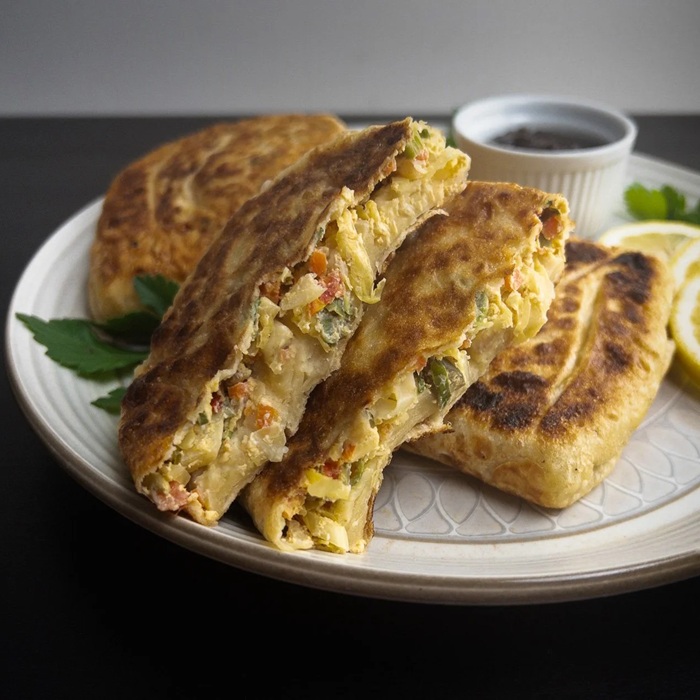
Imagine biting into a shatteringly crisp pastry, its buttery layers giving way to a warm, spiced filling of savory meat, tender tomatoes, and fragrant herbs. That's Mutabbaq, a beloved Saudi Arabian street food that has been satisfying cravings for generations. While its origins are debated—some trace it to Yemen, others to India—Mutabbaq has become a staple in Saudi households, especially during Ramadan and Eid. But here's the thing: making it at home can be tricky. The filo pastry can turn soggy, the filling can be bland, and the spices can overwhelm. I've been there—once, I accidentally doubled the paprika, and let's just say my family needed a gallon of water! But with the right techniques, you can achieve that perfect balance of crunch and flavor. In this article, I'll share chef-level insights on everything from preventing sogginess to layering flavors, so you can master this dish and avoid common pitfalls. Get ready to bring a taste of Saudi Arabia into your kitchen, with confidence and a few pro secrets.
The Science of Crispy Filo: Why Butter and Heat Matter
The secret to Mutabbaq's signature crunch lies in the filo pastry, a paper-thin dough that requires careful handling. Each sheet is brushed with melted butter, which creates a barrier that prevents moisture from the filling from seeping through. But butter does more than that: as it melts in the oven, it creates steam, which pushes the layers apart and results in a flaky texture. The key is to work quickly, as filo dries out fast. Keep unused sheets under a damp towel. Also, don't skimp on the butter—a generous brush ensures even browning and prevents cracks. When baking, a high temperature (around 200°C/400°F) is crucial: it sets the structure quickly and drives off moisture, so the pastry stays crisp. If you're frying, the oil must be hot (180°C/350°F) to avoid greasiness. Remember, cold filling will lower the oil temperature, so always cool the meat mixture before assembling. These small details make the difference between a soggy mess and a golden, shatteringly crisp Mutabbaq.
Building Flavor: The Spice Balance and Ingredient Ratios
Mutabbaq's filling is a symphony of savory, tangy, and aromatic notes, but achieving harmony requires precision. The core ingredients—mincemeat, garlic, ginger, tomato, and spring onions—are classic, but the spices make it sing. Paprika adds color and mild heat, but too much can overpower. I learned this the hard way when I overdid it, resulting in a fiery surprise! The key is to use paprika as a supporting act, not the star. Sautéing garlic and ginger first releases their oils, creating a flavor base. Then, brown the meat well—this Maillard reaction adds depth. Tomatoes should be added after the meat is cooked to prevent steaming; their acidity cuts through the richness. Spring onions go in last, off the heat, to retain their freshness. The egg binds everything together and adds richness. A common mistake is a wet filling, which makes the pastry soggy. To avoid this, dice tomatoes and squeeze out excess moisture, and let the cooked mixture cool completely before mixing with the egg. The ratio matters too: too much meat makes it dense, too little makes it dry. Aim for a balanced mix where each ingredient is discernible.
Mutabbaq's Journey: From Street Stalls to Global Tables
Mutabbaq, which means 'folded' in Arabic, is thought to have originated in Yemen or India, but it found its true home in Saudi Arabia, particularly in the Hijaz region. Historically, it was a street food sold in bustling markets, where vendors would fry the pastries to order, filling them with whatever was available. Over time, it evolved into a beloved snack, especially popular during Ramadan for iftar, when its crispiness and savory filling provide a satisfying contrast to sweet dates. In Saudi Arabia, Mutabbaq is often enjoyed with a squeeze of lemon and a side of pickles. Its versatility has led to variations: some versions use chicken, others add cheese, and in Southeast Asia, a similar dish called murtabak includes curry. But the Saudi version remains distinct with its use of filo pastry and simple spicing. Today, Mutabbaq is not just street food; it's a comfort food that brings families together, and its global popularity is growing as food lovers discover its appeal. Understanding its history adds a layer of appreciation to every bite.
Pro Tip: The Butter Brush Technique for Extra Crispness
Most recipes tell you to brush filo with butter, but the technique matters. Instead of brushing each sheet individually, which can tear the delicate pastry, try this: lay a sheet on your work surface, brush it lightly with melted butter, then place another sheet on top and brush again. Repeat for 3-4 layers, then add filling. This creates a laminated structure that puffs beautifully. But here's the chef-level secret: use clarified butter (ghee) instead of regular butter. Ghee has a higher smoke point and no milk solids, which can burn and cause bitterness. It also imparts a nutty richness. Another trick: after assembling, brush the top with butter and sprinkle a pinch of paprika for color. When baking, place the pastries on a preheated baking sheet or pizza stone to ensure bottom crispness. If frying, maintain the oil temperature with a thermometer—too hot and the pastry browns before the filling heats through; too low and it absorbs oil. Finally, let the baked Mutabbaq rest for 2-3 minutes before cutting; this allows steam to escape and keeps the crust crisp. These small adjustments elevate your Mutabbaq from good to unforgettable.
Mutabbaq in the Modern Kitchen: Health and Convenience
While traditional Mutabbaq is fried, home cooks are increasingly baking it for a healthier version without sacrificing crunch. Baking at a high temperature with a butter brush yields a similarly crispy result with less oil. This aligns with modern dietary trends that emphasize moderation and heart-healthy fats. The filling itself can be adjusted: use lean mincemeat, add more vegetables like bell peppers or spinach, and reduce salt. The egg provides protein, and the tomatoes add vitamins. For convenience, you can prepare the filling ahead and freeze assembled pastries unbaked; bake from frozen, adding a few extra minutes. This makes Mutabbaq a great make-ahead meal for busy weeknights. Moreover, the dish fits into the global street food renaissance, where home cooks are recreating authentic flavors. Its simple ingredient list and forgiving nature make it accessible to novice cooks, while the techniques allow for endless customization. As more people seek global flavors, Mutabbaq stands out as a dish that's both exotic and comforting, bridging cultures and generations.
Frequently Asked Questions
Q: Can I use spring roll wrappers instead of filo? A: Spring roll wrappers are thicker and won't give the same flaky texture; filo is essential. If unavailable, phyllo or puff pastry can work, but adjust baking time. Q: How do I prevent the filling from leaking? A: Ensure the filling is cool and not too wet. Seal edges tightly with a fork or fold like an envelope. Brush edges with egg wash to create a seal. Q: Can I make Mutabbaq ahead of time? A: Yes, assemble and freeze unbaked. Bake from frozen at 200°C (400°F) for 20-25 minutes until golden. Or refrigerate baked leftovers and reheat in a hot oven for 5 minutes to restore crispness.
Key Takeaways
To master Mutabbaq, focus on three pillars: dry filling, buttery layers, and high heat. Always cool the meat mixture before mixing with egg, and squeeze excess moisture from tomatoes. Brush filo generously with clarified butter for maximum crispness, and work quickly to prevent drying. When baking, preheat your oven and use a hot baking sheet. Avoid over-spicing; let the natural flavors shine. Finally, don't fear the fry—if you choose that route, maintain oil temperature at 180°C (350°F). With these tips, you'll avoid the common pitfalls and create a Mutabbaq that's crispy, flavorful, and authentic. Remember, practice makes perfect, so embrace the process and enjoy the delicious results.
Try these recipes on DishIndex
Explore Mutabbaq recipe recipes and more