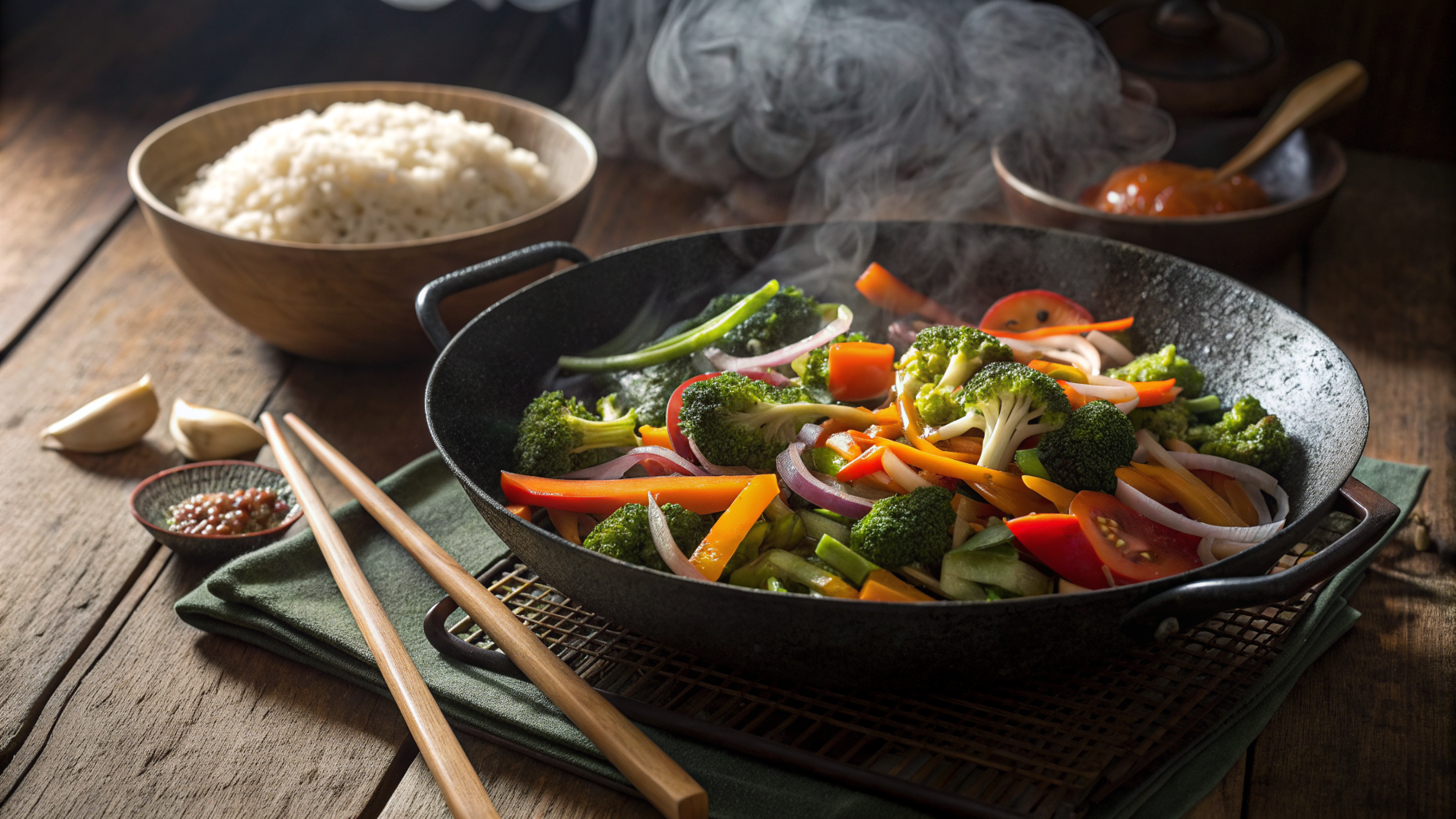
It's 6 PM on a Tuesday. You're hungry, tired, and tempted to order takeout. But in your fridge, a bag of broccoli, a few carrots, and a bell pepper are waiting. With a splash of soy sauce and a hot pan, they transform into a vibrant stir fry in under 15 minutes. This isn't just a quick fix—it's a strategic meal prep powerhouse. Stir frying, a technique dating back to the Song Dynasty in China, relies on high heat and constant motion to cook vegetables quickly while preserving crunch and nutrients. For budget-conscious cooks, it's a lifeline: fresh produce is often cheaper than meat, and the method stretches every ingredient. In this article, we'll explore how to batch cook stir fry for the week, store it properly, and fit it into a balanced diet without boredom. You'll learn expert tips, cultural context, and practical strategies to make this dish a staple in your kitchen. Get ready to reclaim your weeknights and your wallet.
The Economics of Stir Fry: Why It's a Budget Hero
A vegetable stir fry is one of the most cost-effective meals you can make. According to the U.S. Department of Agriculture, broccoli, carrots, and bell peppers are among the most affordable vegetables per pound, especially when bought in season. A typical stir fry for four costs less than $10, while a similar takeout order can exceed $30. The key is versatility: soy sauce, garlic, and ginger are pantry staples that add deep flavor without pricey proteins. Plus, stir frying uses minimal oil—just a tablespoon or two—compared to deep frying. This aligns with the traditional Chinese concept of 'wok hei,' the smoky essence achieved with high heat and little oil. By mastering this technique, you not only save money but also reduce food waste, as any leftover vegetables can be tossed in. For meal prep, this means you can cook once and eat for days, maximizing both your budget and your time.
Batch Cooking 101: How to Prep a Week of Stir Fry
Batch cooking stir fry requires strategy to keep vegetables crisp and flavors fresh. Start by washing and chopping all vegetables at once—broccoli into florets, carrots into thin coins, bell peppers into strips. Store them in airtight containers in the fridge; they'll last up to five days. Cook the stir fry in large batches, but slightly undercook the vegetables to account for reheating. The real secret is to keep the sauce separate until serving. Soy sauce can make vegetables soggy over time, so pack it in small jars. When ready to eat, simply reheat the veggies in a hot pan, add sauce, and toss. This method, often used in professional kitchens for 'à la minute' cooking, ensures each portion tastes freshly made. For variety, cook plain stir fry and add different sauces—teriyaki, peanut, or chili garlic—throughout the week. This prevents meal prep fatigue and keeps your palate excited.
The Cultural Roots of Stir Fry: From Wok to World
Stir frying originated in China during the Song Dynasty (960–1279), when rapid urbanization and a scarcity of fuel led cooks to develop a method that cooked food quickly over high heat. The wok, with its rounded bottom, distributes heat evenly and allows for tossing, a technique called 'chao.' As Chinese immigrants spread across the globe, stir fry adapted to local ingredients. In Southeast Asia, lemongrass and fish sauce entered the wok; in the West, broccoli and bell peppers became staples. Today, the vegetable stir fry is a global dish, celebrated for its flexibility. In Thailand, it's known as 'phat phak'; in Japan, 'itame-mono.' Each region adds its own twist, but the core principle remains: respect the vegetables, cook them fast, and enhance with aromatics. Understanding this history adds depth to your cooking, connecting you to centuries of culinary innovation.
Pro Tip: The Frozen Vegetable Shortcut That Saves Time and Money
Most home cooks overlook the power of frozen vegetables for stir fry. While fresh is excellent, frozen broccoli, carrots, and bell peppers are flash-frozen at peak ripeness, locking in nutrients and flavor. They're often cheaper and require zero prep—no washing, chopping, or waste. For busy weeks, keep a bag of mixed stir-fry vegetables in your freezer. When cooking, don't thaw them first; add them directly to a hot wok. The key is to cook them slightly longer than fresh to evaporate excess moisture, ensuring they don't steam. This technique, recommended by chefs for weeknight meals, cuts prep time to minutes. Plus, frozen vegetables are just as nutritious; a study in the Journal of Food Science found no significant nutrient loss compared to fresh. So, for the ultimate budget and time-saving hack, stock your freezer. Your future self will thank you.
Fitting Stir Fry into a Balanced Diet: Nutrition and Trends
Vegetable stir fry aligns perfectly with modern nutritional guidelines. The 2020–2025 Dietary Guidelines for Americans recommend filling half your plate with fruits and vegetables. A stir fry does this effortlessly, providing fiber, vitamins A and C, and potassium. Broccoli, for instance, is a cruciferous vegetable linked to reduced cancer risk. Carrots offer beta-carotene for eye health, and bell peppers are packed with vitamin C—more than an orange. The dish is also naturally low in calories and can be made vegan. In recent years, plant-based eating has surged, with 39% of Americans trying to eat more plant-based foods, according to a 2021 survey. Stir fry fits this trend, offering a satisfying, umami-rich meal without meat. By adding tofu or tempeh, you can boost protein. This dish isn't just a budget meal—it's a nutritional powerhouse that supports long-term health.
Frequently Asked Questions
Q: Can I make stir fry ahead of time and reheat it? A: Yes, but undercook vegetables slightly and store sauce separately. Reheat in a hot pan for best texture. It keeps for 4–5 days in the fridge. Q: What's the best oil for stir frying? A: Use high-smoke-point oils like peanut, canola, or avocado. They withstand high heat without burning, ensuring a crisp stir fry and not a smoky kitchen. Q: How do I prevent soggy vegetables? A: Dry vegetables thoroughly before cooking, use high heat, and don't overcrowd the pan. Cook in batches if needed. Adding sauce only at the end also helps maintain crunch.
Key Takeaways
Embrace stir fry as your weekly meal prep ally. Batch cook vegetables, store sauce separately, and reheat for fresh-tasting meals. Use frozen veggies for ultimate convenience and savings. Remember the cultural heritage behind the wok and the nutritional benefits of a plant-forward plate. Experiment with different sauces to keep meals exciting. With these strategies, you'll save time, money, and stress while eating well. So next time you're tempted by takeout, reach for your wok instead. Your budget and your body will thank you. Happy cooking!
Try these recipes on DishIndex
Explore vegetable stir fry recipes and more