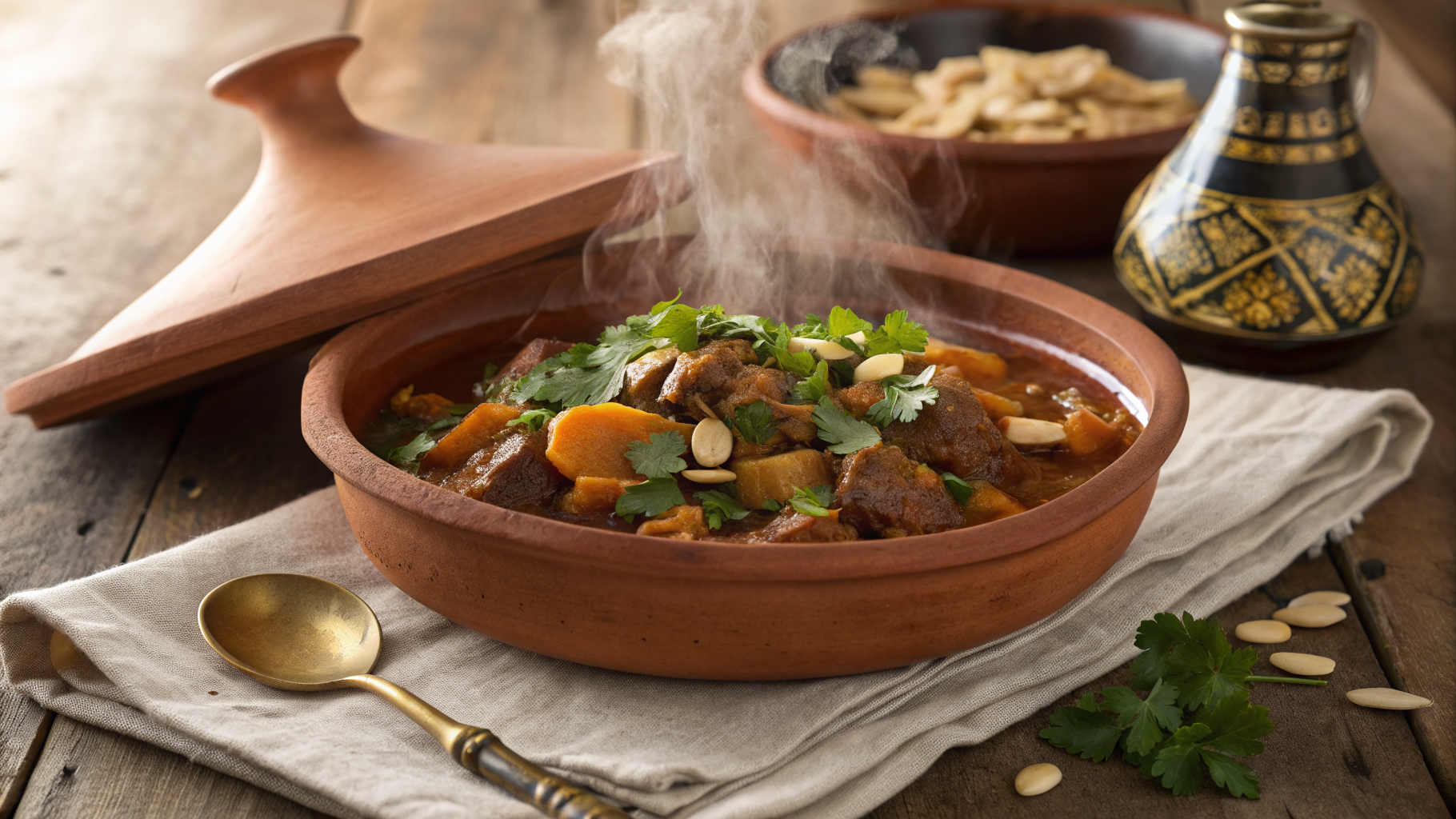
The scent of cumin and coriander warming in olive oil, the sizzle of lamb as it hits the pot, the promise of saffron threads steeping in golden broth—this is the sensory symphony of a Moroccan tagine. More than a dish, the tagine is a slow-cooked conversation between sweet and savory, a culinary tradition that dates back centuries to the Berber tribes of North Africa. In this article, we'll explore the techniques that transform humble lamb shoulder and dried apricots into a meltingly tender masterpiece. You'll learn why braising at a low temperature is non-negotiable, how to bloom spices to release their essential oils, and the science behind honey's role in balancing acidity. We'll also uncover common pitfalls—like skipping the sear or overcrowding the pot—and how to avoid them. By the end, you'll have the confidence to craft a tagine that evokes the bustling souks of Marrakech, where spice traders once mingled with desert caravans. Whether you're a seasoned cook or a curious beginner, this guide will equip you with chef-level insights to make your tagine a memorable centerpiece.
The Art of Braising: Low and Slow for Fall-Apart Tenderness
Braising is the heart of a tagine. Lamb shoulder, with its rich connective tissue, requires a long, gentle cook to break down collagen into gelatin, which gives the meat its signature unctuous texture. The ideal temperature is between 150°C and 160°C (300°F to 320°F)—hot enough to simmer but low enough to avoid toughening the meat. A common mistake is boiling the tagine; instead, maintain a gentle bubble. The clay pot's conical lid traps steam, recirculating moisture and flavors. This traditional design, dating back to the 9th century, acts as a miniature oven. For best results, brown the lamb in batches first to develop a deep fond, then deglaze with onions and spices. Add just enough liquid—usually stock or water—to come halfway up the meat. Too much liquid dilutes the sauce; too little causes scorching. After two hours, the lamb should yield to a fork with little resistance. Remember, the braising liquid will reduce and intensify, so season judiciously early on.
Saffron and Honey: The Golden Duo
Saffron, the world's most expensive spice, is harvested by hand from the crocus flower—each thread representing hours of labor. Its floral, honeyed notes are essential to this tagine, but it's often misused. Never add saffron directly to hot oil; instead, bloom it in warm liquid for 10 minutes to release its color and aroma. A pinch (about 20 threads) is enough for four servings. Honey, on the other hand, provides a counterpoint to the tangy dried apricots. Moroccan cooks traditionally use aromatic varieties like orange blossom or thyme honey. Add honey near the end of cooking to prevent it from caramelizing too much; a tablespoon or two is sufficient. The combination of saffron and honey creates a complex sweetness that complements the lamb's richness. For a deeper flavor, toast the spices—cumin, coriander, cinnamon—in a dry pan until fragrant, then grind. This step, often skipped, amplifies their oils. Finally, balance the sauce with a squeeze of lemon juice before serving to brighten the palate.
A Culinary Crossroads: The History of Tagine
The tagine is a product of Morocco's position as a crossroads of civilizations. The Berbers, indigenous to North Africa, developed the earthenware pot and slow-cooking method. Later, Arab invaders introduced spices like cinnamon and ginger, while the Moors brought saffron from Spain. Dried fruits, including apricots, became staples via trade routes across the Sahara. By the 16th century, tagines graced the tables of Fes and Marrakech, evolving into a symbol of hospitality. Each region has its own variation: in the north, cooks add olives and preserved lemons; in the south, dates and almonds are common. The dish is traditionally eaten communally from the same pot, with pieces of crusty bread used as utensils. This communal aspect reflects the Moroccan value of sharing. Today, tagine cooking has spread globally, but the essence remains: a celebration of patience, resourcefulness, and the magic of combining sweet and savory.
Pro Tip: Sear in Batches and Deglaze with Onions
One of the most overlooked steps in tagine-making is proper searing. Many home cooks dump all the lamb into the pot at once, causing it to steam rather than brown. Instead, pat the meat dry, season generously, and sear in batches over medium-high heat. Give each piece space—overcrowding lowers the temperature and prevents a good crust. Once all the lamb is browned, set it aside and sauté the onions in the same pot. The onions will release moisture and lift the browned bits (the fond) from the bottom, creating a flavorful base. This deglazing step is crucial; it incorporates the caramelized meat juices into the sauce. Add garlic and ginger after the onions are soft to prevent burning. Then, return the lamb, add spices, and proceed with braising. This technique, used in professional kitchens, builds layers of flavor that a single-step sear cannot achieve. It's a small effort that yields a dramatically richer tagine.
Nutritional Wisdom and Modern Appeal
Beyond its rich flavor, a lamb and apricot tagine offers a balance of nutrients. Lamb provides high-quality protein, iron, and zinc, while apricots deliver fiber, vitamin A, and potassium. The spices are not just flavorings; they are functional. Cumin aids digestion, coriander has anti-inflammatory properties, and ginger is a known antioxidant. In an era of quick meals, the tagine stands as an antidote to fast food, encouraging mindful cooking and communal dining. It also fits modern dietary trends: it's naturally gluten-free and can be adapted for paleo diets by omitting honey. Chefs like Yotam Ottolenghi have popularized tagine-inspired dishes, blending North African flavors with Western techniques. The tagine's resurgence aligns with the slow food movement, which values local ingredients and traditional methods. As people seek connection and comfort, this ancient dish offers both, reminding us that good food takes time—and that's a good thing.
Frequently Asked Questions
Q: Can I make this tagine in a regular Dutch oven? A: Absolutely. A heavy-bottomed Dutch oven with a tight-fitting lid works well. The clay tagine's conical shape enhances steam circulation, but a Dutch oven traps moisture effectively too. Q: How do I prevent the apricots from turning mushy? A: Add dried apricots about 30 minutes before the end of cooking. They will plump and soften but retain some texture. If using very soft apricots, reduce to 15 minutes. Q: Is it necessary to soak saffron? A: Yes, blooming saffron in warm liquid for at least 10 minutes extracts its full color and flavor. Skipping this step results in a less vibrant dish. Use a pinch of threads, not powder, for best results.
Key Takeaways
First, always sear lamb in batches to develop a deep, flavorful crust. Second, bloom your spices and saffron to unlock their essential oils and color. Third, braise low and slow—around 150°C—to achieve fall-apart tenderness without drying out the meat. Fourth, balance sweetness from honey and apricots with a squeeze of lemon at the end. Fifth, embrace the communal spirit of tagine by serving it in the center of the table, allowing guests to share. With these chef-level techniques, you'll avoid common pitfalls and create a dish that honors Moroccan tradition while delighting modern palates. Remember, the best tagine is one made with patience and shared with loved ones. So gather your ingredients, preheat your oven, and let the aromas transport you to the bustling markets of Marrakech.
Try these recipes on DishIndex
Explore lamb tagine recipes and more